


































































Search all blogs
Latest posts
-
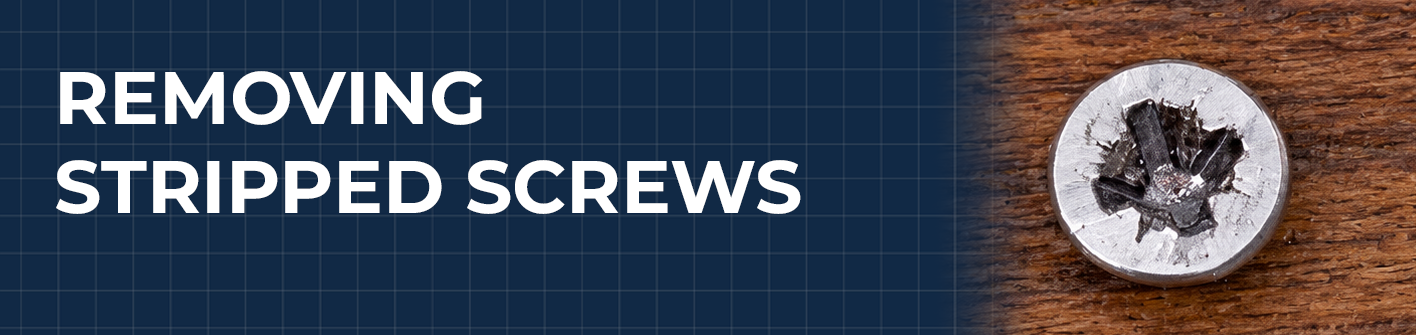 How to Remove a Stripped Screw15/10/2026Read more
A practical guide to removing stripped, rounded and broken screws using common tools, specialist methods and...
-
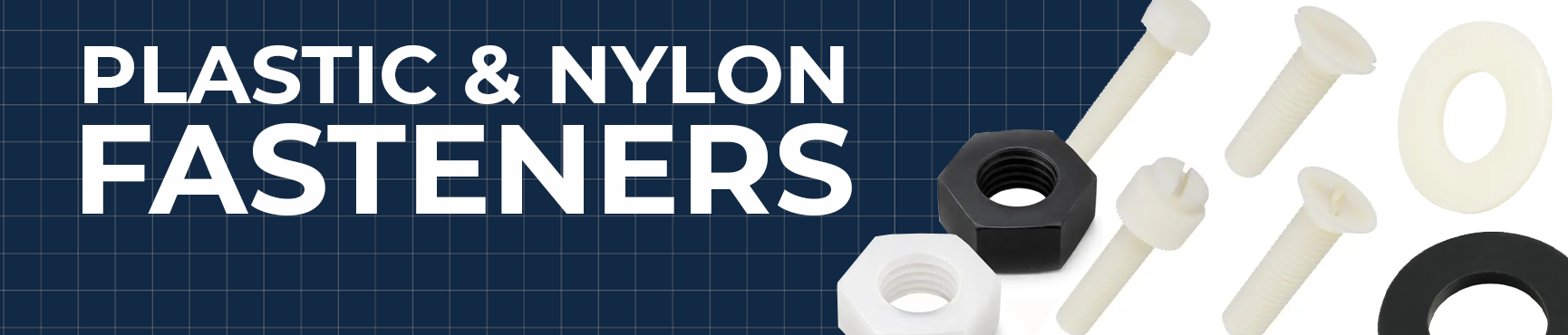 Find the Right Plastic & Nylon Fastener13/10/2026Read more
A practical guide to choosing plastic and nylon fasteners, covering screws, nuts, washers, thumb screws,...
Stainless Steel Equivalent Grades
Stainless Steel Grades Chart: A2, A4 and A5 Equivalents Explained
Equivalents across EN, DIN, ISO, BS and AISI designations.
Selecting the correct stainless steel grade is essential for any application where durability, corrosion resistance and compliance matter. With so many codes in use such as A2, A4, A5, 304 and 316, it can be difficult to understand which grade is best suited to your project.
This guide breaks down common stainless grades used for fasteners and components and shows how they translate between UK, EU and international standards.
This includes the American Iron and Steel Institute (AISI), the European Union (EN), Germany (DIN), the United Kingdom (BS), Italy (UNI) and Japan (JIS).
Need stainless steel fasteners now?
Stainless steel bolts and screws, nuts and washers.
Stainless Steel Equivalent Grades Chart
Swipe left or right on mobile to view the full chart.
| EN (10088) | Common Names | BS (Wrought) | AISI | UNS | En | German | SS | EN (10283) | BS (Cast) | Composition Guide | ||||
|---|---|---|---|---|---|---|---|---|---|---|---|---|---|---|
| C | Cr | Ni | Mo | Others | ||||||||||
| 1.4301 | A2 | 304S31 | 304 | S30400 | 58E | X5CrNi18-10 | 2333 | 1.4308 | 304C15 | 0.07x | 18 | 8 | – | – |
| 1.4303 | – | 305S19 | 305 | S30500 | – | X5CrNi18-12 | – | – | – | 0.06x | 18 | 11 | – | – |
| 1.4305 | A1 | 303S31 | 303 | S30300 | 58M | X10CrNiS18-9 | 2346 | – | – | 0.10x | 18 | 8 | – | 0.35xS |
| 1.4306 | A2 | – | 304L | – | – | X2CrNi19-11 | 2352 | – | – | 0.030x | 18 | 10 | – | – |
| 1.4307 | A2 | 304S11 | 304L | S30403 | – | – | 2352 | – | 304C12 | 0.030x | 18 | 8 | – | – |
| 1.431 | – | 301S21 | 301 | S30100 | – | X12CrNi17-7 | 2331 | – | – | .05/.15 | 17 | 6 | – | – |
| 1.4311 | A2 | 304S61 | 304LN | S30453 | – | X2CrNiN18-10 | 2371 | 1.4309 | – | 0.030x | 18 | 9 | – | 0.22xN |
| 1.4372 | – | – | 201 | S20100 | – | – | – | – | – | 0.15x | 17 | 4.5 | – | 6.5Mn |
| 1.4401 | A4 | 316S31 | 316 | S31600 | 58J | X5CrNiMo17-12-2 | 2347 | 1.4408 | 316C16 | 0.07x | 17 | 11 | 2 | – |
| 1.4404 | A4 | 316S11 | 316L | S31603 | – | X2CrNiMo17-13-2 | 2348 | 1.4409 | 316C12 | 0.030x | 17 | 11 | 2 | – |
| 1.4406 | A4 | 316S61 | 316LN | S31653 | – | X2CrNiMoN17-12-2 | – | – | – | 0.030x | 17 | 11 | 2 | 0.22xN |
| 1.4432 | A4 | 316S13 | 316L | – | – | – | 2353 | – | – | 0.030x | 17 | 11 | 2.5 | – |
| 1.4435 | A4 | 316S13 | 316L | – | – | XCrNiMo18-14-3 | 2353 | – | – | 0.030x | 17 | 13 | 2.5 | – |
| 1.4436 | A4 | 316S33 | 316 | – | 58J | X5CrNiMo17-13-3 | 2343 | – | – | 0.05 | 17 | 11 | 2.5 | – |
| 1.4438 | – | 317S12 | 317L | S31703 | – | – | 2367 | – | – | 0.030x | 18 | 13 | 3 | – |
| 1.4439 | – | – | – | – | – | X2CrNiMoN17-13-5 | – | 1.4446 | – | 0.030x | 17 | 13 | 4 | 0.22xN |
| 1.4541 | A5 | 321S31 | 321 | S32100 | 58B | X6CrNiTi18-10 | 2337 | – | – | 0.08x | 18 | 9 | – | 0.5Ti |
| 1.455 | – | 347S31 | 347 | S34700 | 58F | X6CrNiNb18-10 | 2338 | 1.4552 | 347C17 | 0.08x | 18 | 9 | – | 0.5Nb |
| 1.4563 | Sanicro28/Alloy28 | – | – | N08028 | – | X1NiCrMoCu31-27-4 | 2584 | – | – | 0.02x | 26 | 30 | 3 | 1.0Cu |
| 1.4567 | – | 394S17 | 304Cu | S30430 | – | – | – | – | – | 0.04x | 18 | 9 | – | 4xCu |
| 1.4571 | A5 | 320S31 | (316Ti) | S31635 | – | X6CrNoMoTi17-12-2 | 2350 | 1.4581 | – | 0.08x | 17 | 11 | 2 | 0.5Ti |
| 1.4539 | 904L | 904S13 | – | N08904 | – | X1CrNiMoCuN25-20-5 | 2562 | 1.4584 | – | 0.020x | 19 | 24 | 4 | 1.5Cu |
| 1.4547 | 254SMO/F44 | – | – | S31254 | – | – | 2378 | 1.4593 | – | 0.020x | 20 | 18 | 6 | 0.75Cu |
| 1.4529 | A8 | – | – | N08925 | – | X1NiCrMoCuN25-20-6 | – | 1.4588 | – | 0.020x | 19 | 24 | 6 | 1.25Cu |
Related posts
-
 Stainless Steel Fasteners: Tightening and Breaking TorquesUnderstanding the Limits: How to Properly Tighten Stainless Steel Fasteners Without Compromising Strength or...Read more
 -
-
 The Complete Guide to Hexagonal Bolts and Hex Head Bolt TypesYour Go-To Fasteners for Strength and VersatilityRead more
Leave a comment
Comments
Strength equivalents
By: Stuart Michael Vigrass On 07/10/2026Hello, trust all is well with you today.
I wonder if you can help me please. I am seeking a grade of stainless steel, round bar form, that is at least as strong as SAE J429 grade 8. The SAE grade 8 is the specifications best for automobile suspension parts. I need to fabricate some in stainless steel. The parts are to be used in the UK.
Are you able to offer any advise please?
Thanking you in anticipation.
Regards,
Stuart