

Search all blogs
Latest posts
-
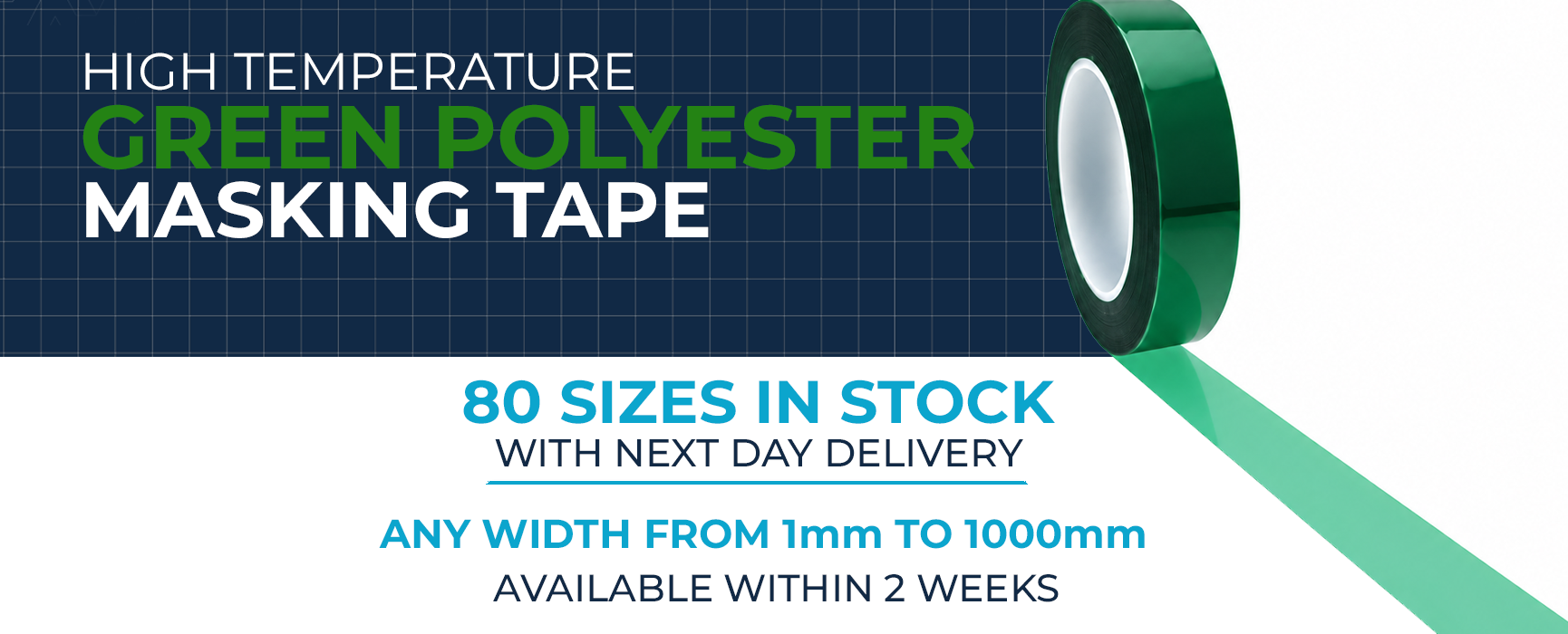 Guide to Green Polyester Tape10/09/2026Read more
Explore our Green Polyester Tape range for high temperature masking with 80 stocked sizes, 40 widths and 25 or 80...
-
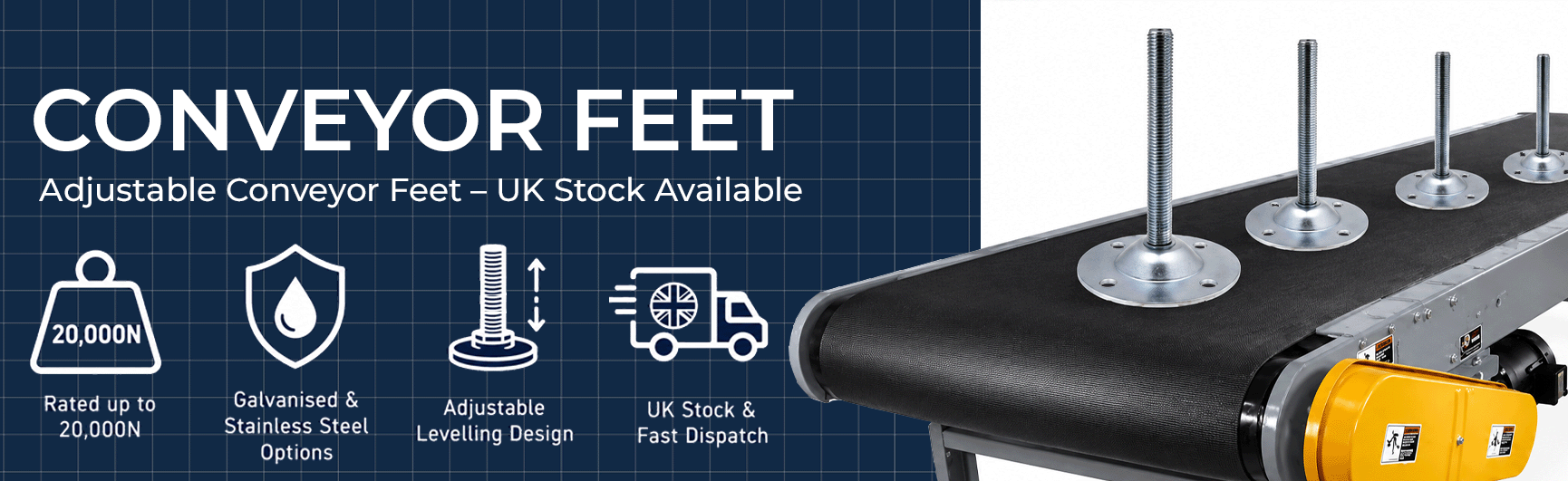 Conveyor Feet Guide: Types, Materials & Installation03/07/2026Read more
Everything you need to know about conveyor feet, types, load ratings, materials, installation steps and how...
Plastic Material Shrinkage Chart
What is Plastic Material Shrinkage?
Plastic material shrinkage post-production refers to the reduction in size of a plastic part as it cools and solidifies after being moulded. This shrinkage occurs because most plastic materials have a higher density in their solid state than in their molten state. he degree of shrinkage can vary significantly depending on the type of plastic material, the specific formulation (including the presence of fillers, reinforcements, and plasticisers), and the processing conditions (such as temperature, pressure, and cooling rate).
Why does this matter?
When we are manufacturing custom products either by Injection Moulding, Dip Moulding or Extruding it is key to undestand the estimated shrinkage ratio to optimise the tooling for product manufacturing and ensure that the final product dimensions fall within the agreed-upon tolerances, engineers must predict how much the material will shrink and adjust the design accordingly. This adjustment is often referred to as 'shrinkage compensation'. By incorporating an estimated shrinkage ratio into the design of the molds or dies, manufacturers can compensate for the material contraction during cooling.
This ensures that the final product dimensions are accurate, meeting the desired specifications without the need for costly and time-consuming rework.
"Yeh great I know that, can you give me the material shrinkage values for all different types of material".....Here you go.
Plastic Material Shrinkage Chart
| Abbreviation | Material Name | Type | Shrinkage Ratio (%) | Density (lb/in³) |
|---|---|---|---|---|
| ABS | Acrylonitrile Butadiene Styrene | Plastic | 0.6 | 0.037 |
| ABS/PC | ABS/Polycarbonate Alloy | Plastic | 0.7 | 0.040 |
| Acetal | Polyoxymethylene (POM) | Plastic | 1.8 | 0.051 |
| Acrylic | Polymethyl Methacrylate (PMMA) | Plastic | 0.6 | 0.043 |
| CAB | Cellulose Acetate Butyrate | Plastic | 0.5 | 0.045 |
| HDPE | High-Density Polyethylene | Plastic | 3.0 | 0.033 |
| LDPE | Low-Density Polyethylene | Plastic | 3.0 | 0.033 |
| Nylon 6 | Polycaprolactam | Plastic | 1.2 | 0.041 |
| Nylon 6 (30% GF) | Nylon 6 with 30% Glass Fibre | Plastic | 0.4 | 0.050 |
| Nylon 6/6 | Polyhexamethylene Adipamide | Plastic | 1.5 | 0.043 |
| Nylon 6/6 (33% GF) | Nylon 6/6 with 33% Glass Fibre | Plastic | 0.5 | 0.054 |
| Nylon 11 | Polyamide 11 | Plastic | 1.0 | 0.042 |
| Nylon 12 | Polyamide 12 | Plastic | 1.4 | 0.043 |
| PEEK | Polyether Ether Ketone | Plastic | 1.1 | 0.049 |
| Polycarbonate | Polycarbonate | Plastic | 0.6 | 0.043 |
| Polyester PBT | Polybutylene Terephthalate | Plastic | 2.0 | 0.050 |
| PET | Polyethylene Terephthalate | Plastic | 0.4 | 0.044 |
| PP | Polypropylene | Plastic | 1.5 - 2.0 | 0.033 |
| Polystyrene | Polystyrene | Plastic | 0.5 | 0.037 |
| PVC | Polyvinyl Chloride | Plastic | 0.4 - 1.5 | 0.038 |
| SAN | Styrene Acrylonitrile | Plastic | 0.6 | 0.038 |
| TPE | Thermoplastic Elastomers | Rubber | 1.0-3.0 | 0.040 - 0.090 |
| Silicone Rubber | Silicone Rubber | Rubber | 2.0-3.0 | 0.077 |
| NR | Natural Rubber | Rubber | 1.0-3.0 | 0.032 |
| SBR | Styrene-Butadiene Rubber | Rubber | 2.0-3.5 | 0.034 |
| EPDM | Ethylene Propylene Diene Monomer | Rubber | 1.0-2.5 | 0.086 |
| IIR | Butyl Rubber | Rubber | 2.0-4.0 | 0.092
|
Related posts
-
 Stainless Steel Equivalent GradesCompare stainless steel grades and find the perfect match for your next project.Read more
 -
 Stainless Steel Fasteners: Tightening and Breaking TorquesUnderstanding the Limits: How to Properly Tighten Stainless Steel Fasteners Without Compromising Strength or...Read more
 -

Leave a comment