

Search all blogs
Latest posts
-
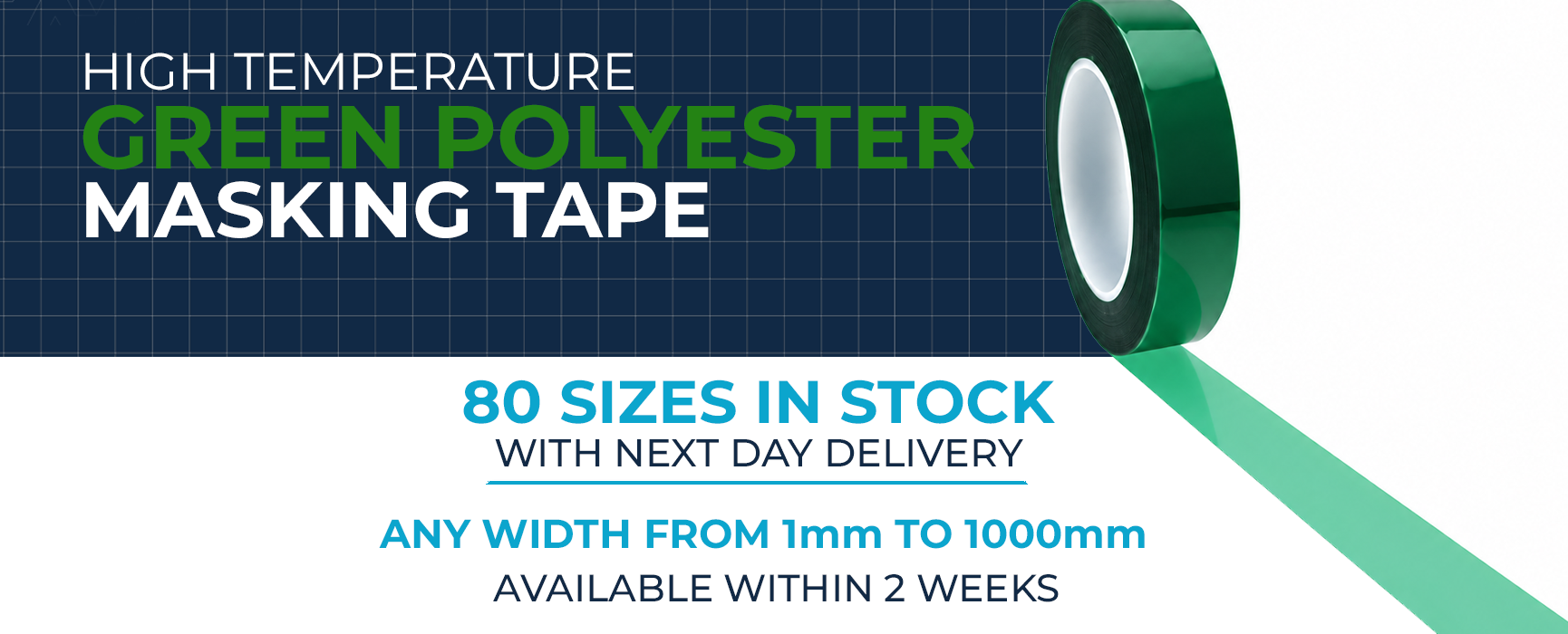 Guide to Green Polyester Tape10/09/2026Read more
Explore our Green Polyester Tape range for high temperature masking with 80 stocked sizes, 40 widths and 25 or 80...
-
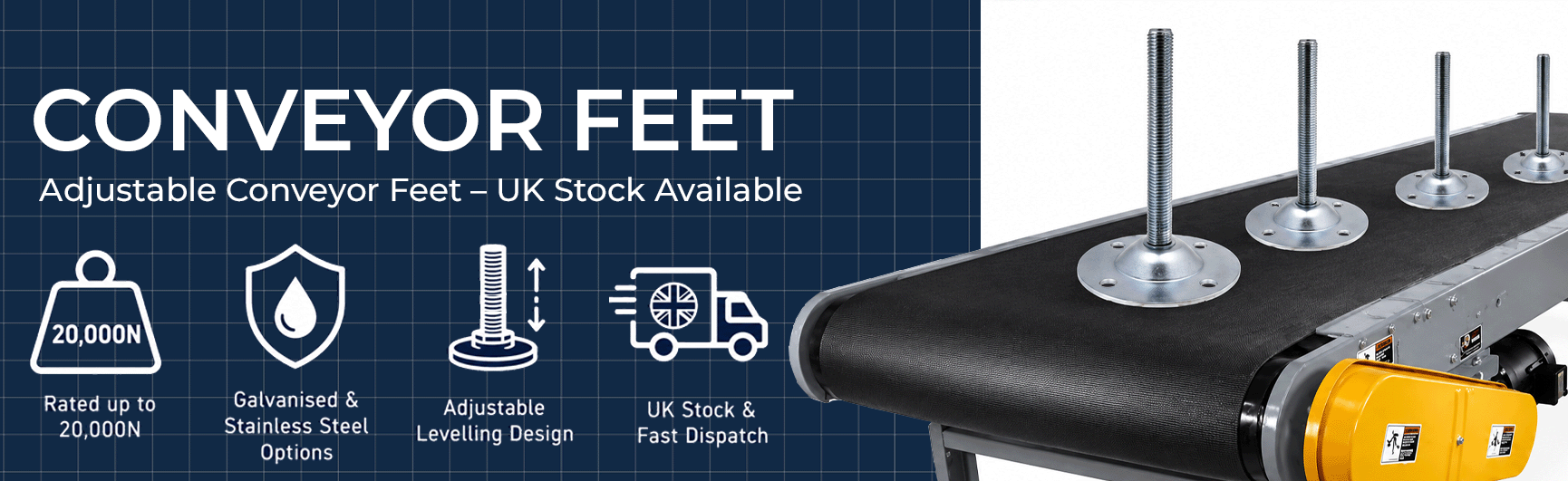 Conveyor Feet Guide: Types, Materials & Installation03/07/2026Read more
Everything you need to know about conveyor feet, types, load ratings, materials, installation steps and how...

What is Silicone Rubber?
What Is Silicone Rubber?
Silicone rubber is a synthetic rubber made from silicone. It offers a high level of flexibility, durability and resistance to chemicals and extreme temperatures.
These properties make silicone rubber widely used across automotive parts, medical devices, kitchenware, electronics, masking and component protection.
View Silicone Products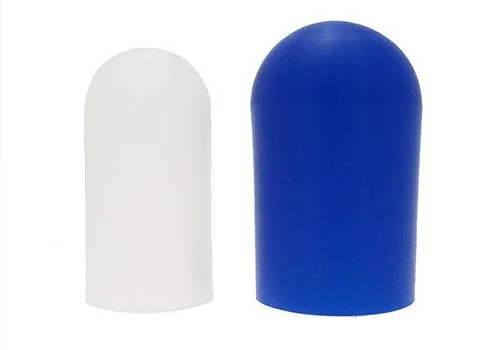
Material Characteristics of Silicone Rubber
An overview of the properties that make silicone suitable for industrial, electrical, medical and food-contact applications.
| Characteristic | Silicone Rubber Performance |
|---|---|
| Temperature Resistance | Silicone rubber has high resistance to extreme temperatures, ranging from approximately -55°C to 300°C. |
| Flexibility | It remains highly flexible across extreme temperatures and demanding environments. |
| Chemical Resistance | Silicone rubber resists many chemicals, including acids, helping it perform in harsh environments without corroding easily. |
| Electrical and Thermal Insulation | It provides electrical and thermal insulation and can retain its insulating properties in wet conditions. |
| Durability | Silicone rubber is resistant to ageing, weathering, corrosion and UV radiation. The source material notes an exceptionally long potential service life. |
| Toxicity | Silicone rubber is normally non-toxic. Specific food-safe or medical grades must be selected where certification is required. |
| Transparency | Some silicone rubber grades can be transparent, offering a lightweight and flexible alternative for products such as O-rings and packaging components. |
Why Is Silicone Rubber Widely Used?
Its balance of temperature resistance, flexibility and insulation supports a broad range of applications.
Extreme Temperatures
Maintains useful properties in both very cold and high-temperature environments.
Flexible and Durable
Bends and stretches around components while resisting ageing, weathering and UV exposure.
Electrical Insulation
Useful for electrical and electronic applications where insulation must remain reliable.
Chemical Resistance
Suitable for contact with water, alcohols, dilute acids and alkalis in many applications.
Specialist Grades
Food-safe and medical-grade options are available when the correct certified material is specified.
Multiple Product Forms
Used to manufacture caps, plugs, washers, seals, gaskets and custom moulded components.
Silicone Rubber Chemical Resistance
A general guide to the material’s resistance to common chemical groups.
| Resistance Level | Typical Substances | Selection Guidance |
|---|---|---|
| EXCELLENT | Water, alcohols, dilute acids and alkalis | Well suited to many routine sealing and protection applications. |
| GOOD | Vegetable oils, animal oils and some solvents | Confirm compatibility where exposure is continuous or temperatures are elevated. |
| FAIR | Concentrated acids and alkalis | Testing or material confirmation is recommended before use. |
| POOR | Aromatic hydrocarbons, chlorinated solvents and oils with high aromatic content | An alternative elastomer may be more appropriate. |
Important: Chemical resistance can vary by silicone grade, concentration, temperature and exposure time. Confirm compatibility for critical applications.
Popular Silicone Products
Explore silicone components for masking, sealing, spacing and protection.
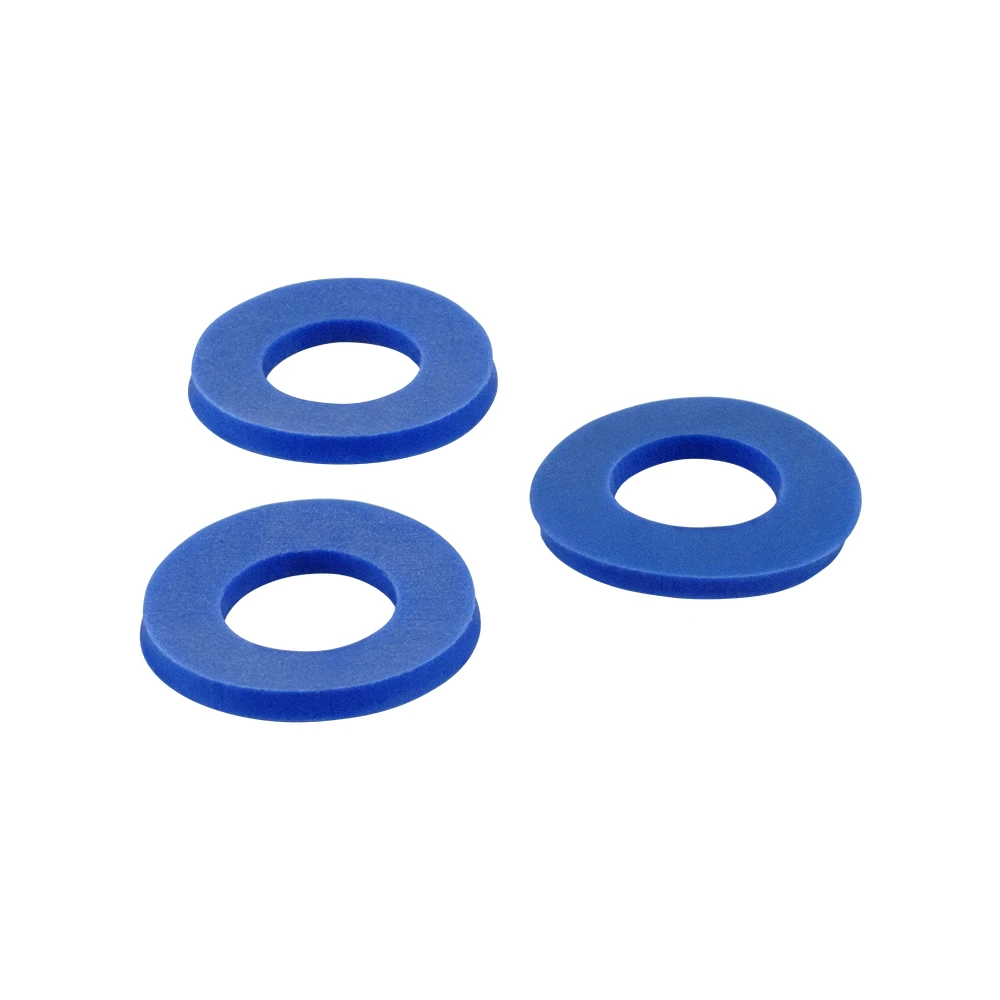
Silicone Washers
Flexible washers for sealing, spacing, insulation and component protection.
View Silicone Washers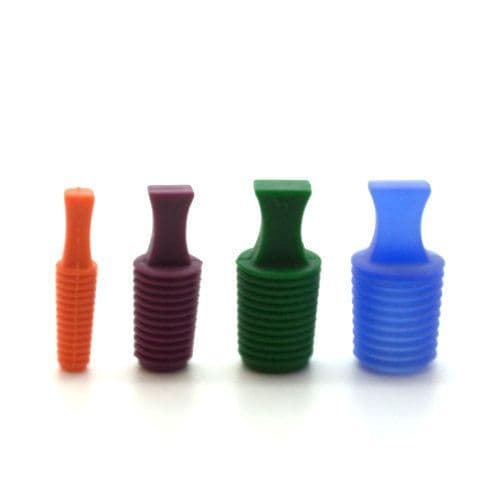
Silicone Ribbed Plugs
Ribbed masking plugs designed to grip within holes and openings.
View Ribbed Plugs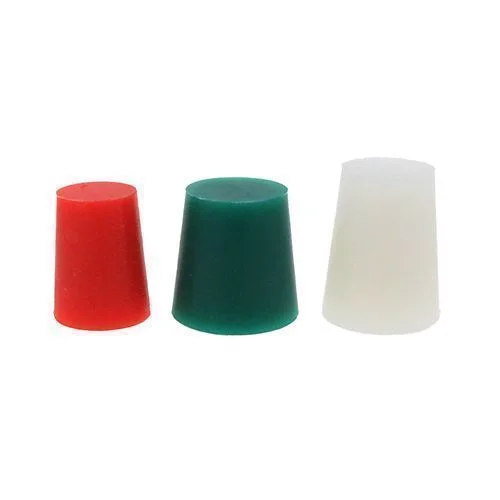
Silicone Tapered Plugs
Tapered plugs that cover a range of hole diameters during finishing processes.
View Tapered Plugs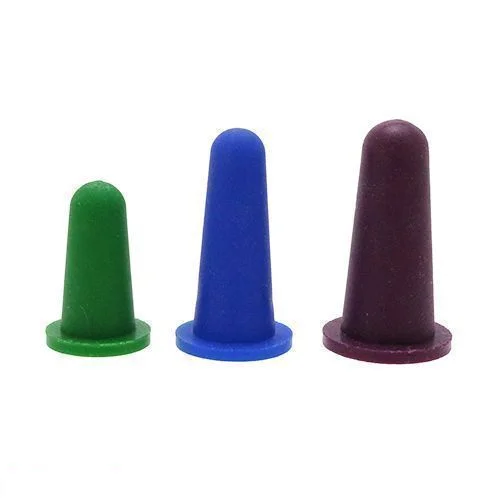
Silicone Cone Caps
Tapered caps for masking holes, studs, pins and threaded components.
View Silicone CapsCustom Silicone Rubber Moulding
Two common processes are used to manufacture custom silicone rubber components.
Liquid Silicone Injection Moulding
Liquid silicone injection moulding, also known as liquid silicone rubber moulding, is suitable for high-tolerance parts requiring long service life and low contamination.
It is commonly used for seals, gaskets, medical devices and electronic components and is well suited to high-volume production.
Compression Moulding
Compression moulding is useful for larger, simpler components and lower production quantities.
The process can use a variety of materials, although curing times tend to be longer than liquid silicone injection moulding.
Frequently Asked Questions
Common questions about silicone safety, sustainability and custom moulding.
Want to Find Out More?
Contact our team for help with silicone products, material selection or custom moulded component requirements.
Related posts
-
 The Complete Guide to Wing nutsEverything you need to know about wing nuts: uses, types, and expert tips for every project.Read more
 -
 Guide to Hose Clamps: Types, Grades and Common ApplicationsDiscover materials, clamp types (W2–W5) and ideal uses from worm‑drive to T‑boltRead more
 -
 A Guide to Stainless Steel Levelling Feet: Heavy Duty Adjustable Solutions for UK IndustryEverything you need to know about selecting, measuring & installing levelling feet for equipment stabilityRead more
Leave a comment