











































































































































































Search all blogs
Latest posts
-
 How to Remove a Stripped Screw15/10/2026Read more
A practical guide to removing stripped, rounded and broken screws using common tools, specialist methods and...
-
 Find the Right Plastic & Nylon Fastener13/10/2026Read more
A practical guide to choosing plastic and nylon fasteners, covering screws, nuts, washers, thumb screws,...

Wire Gauge Chart UK
I need a Wire Gauge Chart relevant for the UK, no problemo...but first
... What is Gauge when people are using it reference to steel work?
In steelwork, the term “gauge” refers to the thickness of steel sheet or the diameter of steel wire. Instead of being measured directly in millimetres or inches, thickness is often expressed using a gauge number. It is important to note that gauge values are not universal and can vary depending on the system being used and the industry or region.
Two of the most commonly referenced gauge systems for steel are the Standard Gauge system (also known as the Birmingham Gauge or Stubs Iron Wire Gauge) and the American Wire Gauge (AWG) system.
The Standard Gauge system originated in the United Kingdom and is traditionally used to specify the thickness of sheet metal and wire. In this system, a higher gauge number indicates a thinner material, while a lower gauge number represents a thicker sheet or wire.
The American Wire Gauge system is primarily used in North America and is most commonly associated with electrical wire, although it is also applied in some steel and metalworking contexts. In the AWG system, the numbering works in the opposite direction, meaning a lower gauge number corresponds to a thicker wire or sheet, while a higher number indicates a thinner material. For this reason, manufacturers and engineers often refer to a wire AWG size chart to accurately compare gauge numbers with actual wire diameters.
For example, within the Standard Gauge system, a 16 gauge sheet is thicker than a 20 gauge sheet. Similarly, in the AWG system, a 10 gauge wire is thicker than a 20 gauge wire.
Because different gauge standards exist, it is always important to confirm which system is being referenced. In many technical and commercial applications, steel thickness may also be stated directly in millimetres or inches alongside the gauge number to avoid confusion and ensure accuracy.
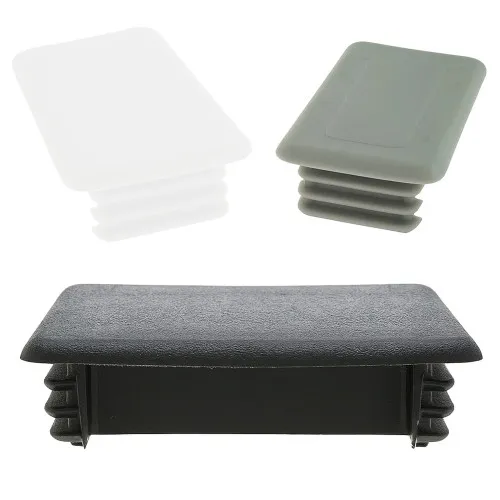
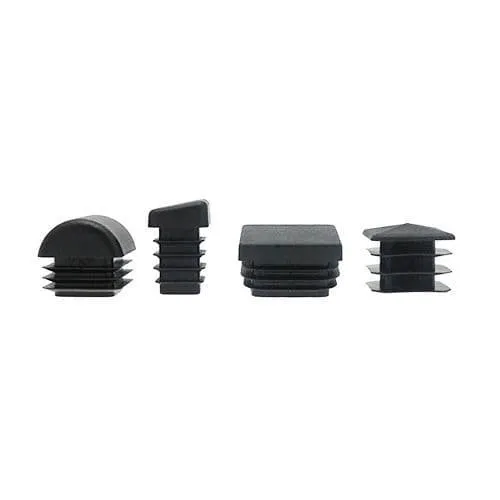
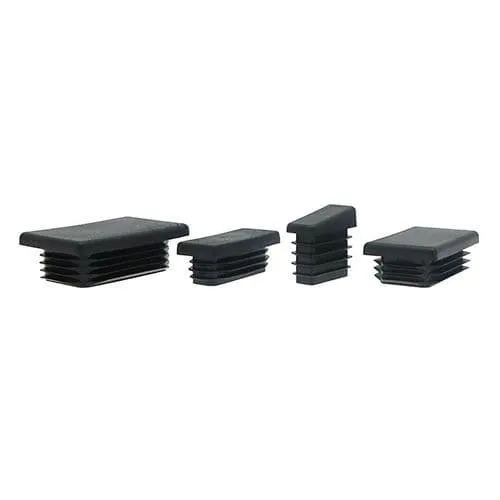
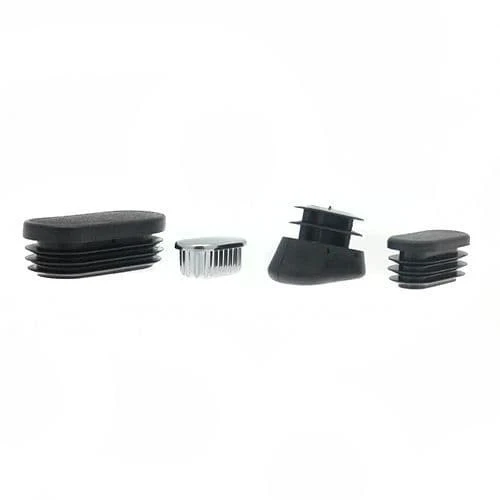
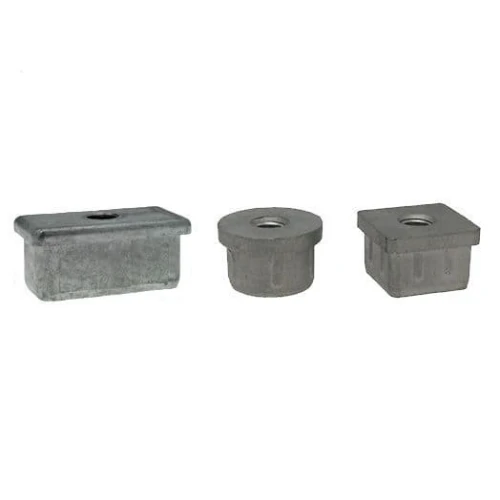
It is common with Tube Inserts to reference a gauge range i.e 14-20 gauge would be referencing 1-2mm
Wire Gauge Chart UK…..Weve got you covered.
Here is a chart to show Wire Gauge for UK and US sizes in both mm/inches
| BWG (UK Sizes) | Thickness (mm) | Thickness (in) | AWG (US Size) | Thickness (mm) | Thickness (in) |
|---|---|---|---|---|---|
| 30 | 0.315 | 0.0124 | 30 | 0.255 | 0.01 |
| 28 | 0.376 | 0.0148 | 28 | 0.321 | 0.0126 |
| 26 | 0.457 | 0.018 | 26 | 0.405 | 0.0159 |
| 24 | 0.559 | 0.022 | 24 | 0.511 | 0.0201 |
| 22 | 0.711 | 0.028 | 22 | 0.634 | 0.025 |
| 20 | 0.914 | 0.036 | 20 | 0.813 | 0.032 |
| 18 | 1.219 | 0.048 | 18 | 1.024 | 0.0403 |
| 16 | 1.588 | 0.0625 | 16 | 1.291 | 0.0508 |
| 14 | 2.108 | 0.083 | 14 | 1.829 | 0.072 |
| 12 | 2.769 | 0.109 | 12 | 2.392 | 0.094 |
| 10 | 3.569 | 0.1406 | 10 | 3.048 | 0.12 |
| 8 | 4.572 | 0.18 | 8 | 3.759 | 0.148 |
| 6 | 6.045 | 0.238 | 6 | 4.877 | 0.192 |
| 4 | 7.62 | 0.3 | 4 | 5.588 | 0.22 |
| 2 | 9.525 | 0.375 | 2 | 7.348 | 0.289 |
| 0 | 12.7 | 0.5 | 0 | 8.252 | 0.325 |
| 0 | 15.875 | 0.625 | 0 | 9.525 | 0.375 |
| 0 | 19.05 | 0.75 | 0 | 11.684 | 0.46 |
Related posts
-
 Stainless Steel Equivalent GradesCompare stainless steel grades and find the perfect match for your next project.Read more
 -
 Stainless Steel Fasteners: Tightening and Breaking TorquesUnderstanding the Limits: How to Properly Tighten Stainless Steel Fasteners Without Compromising Strength or...Read more
 -

Leave a comment