

Search all blogs
Latest posts
-
 Conveyor Feet Guide: Types, Materials & Installation03/07/2026Read more
Everything you need to know about conveyor feet, types, load ratings, materials, installation steps and how...
-
 Masking Tape: Uses, Types & How to Choose the Right One27/04/2026Read more
Discover our complete masking tape guide covering die cut, high temp masking tape, automotive and specialist tapes....

A Complete Guide to PTFE Tape
PTFE tape guide: sealing threaded joints
PTFE tape is also known as thread tape plumber tape and teflon tape. It is used as a thread sealant and a low friction wrap for tapered and parallel threaded fittings across water pipework and specified gas installations.
This guide covers what PTFE tape does where it is used how to apply it correctly what the colours typically mean and common mistakes that cause leaks or poor sealing.
Quick tip
Best results come from clean threads correct wrap direction and a joint that can tighten fully. PTFE tape supports sealing but it does not repair damaged threads.
What does PTFE tape do
PTFE tape fills small clearances between male and female threads and reduces friction during tightening. This helps the fitting seat more smoothly and supports a tighter seal on threaded joints.
Sealing support
Tape helps reduce seepage paths around the thread form by improving contact and fill. It is most effective when the threads are clean dry and correctly matched.
Lower friction during assembly
The low friction surface helps the fitting tighten with less binding. This can support consistent tightening torque and reduce the risk of thread galling on some fittings.
Where is PTFE tape used
PTFE tape is used across domestic plumbing facilities maintenance and general pipework assembly. For gas work follow job specifications and site requirements and use tape suitable for gas installations where required.
Water pipework
General threaded connections and fittings where a clean dry thread can tighten fully.
Gas connections
Where specified by the job and where a gas rated tape/ gas ptfe tape is required for the installation.
Maintenance repairs
Thread resealing during refits and replacements when threads are in good condition.
Note: If a joint is leaking because the thread is damaged or the fitting is incorrect tape will not solve the root cause. Replace the part or repair the thread where needed. How to use teflon plumbers tape - the PTFE tape is used for water pipework, specified gas connections and maintenance repairs on clean, dry threads, but it will not fix damaged threads or incorrect fittings.
PTFE tape colours
PTFE tape colours are often used as a quick indicator for typical use. Always confirm the correct tape type for your job and follow site requirements especially for gas installations.
| Colour | Typical use |
|---|---|
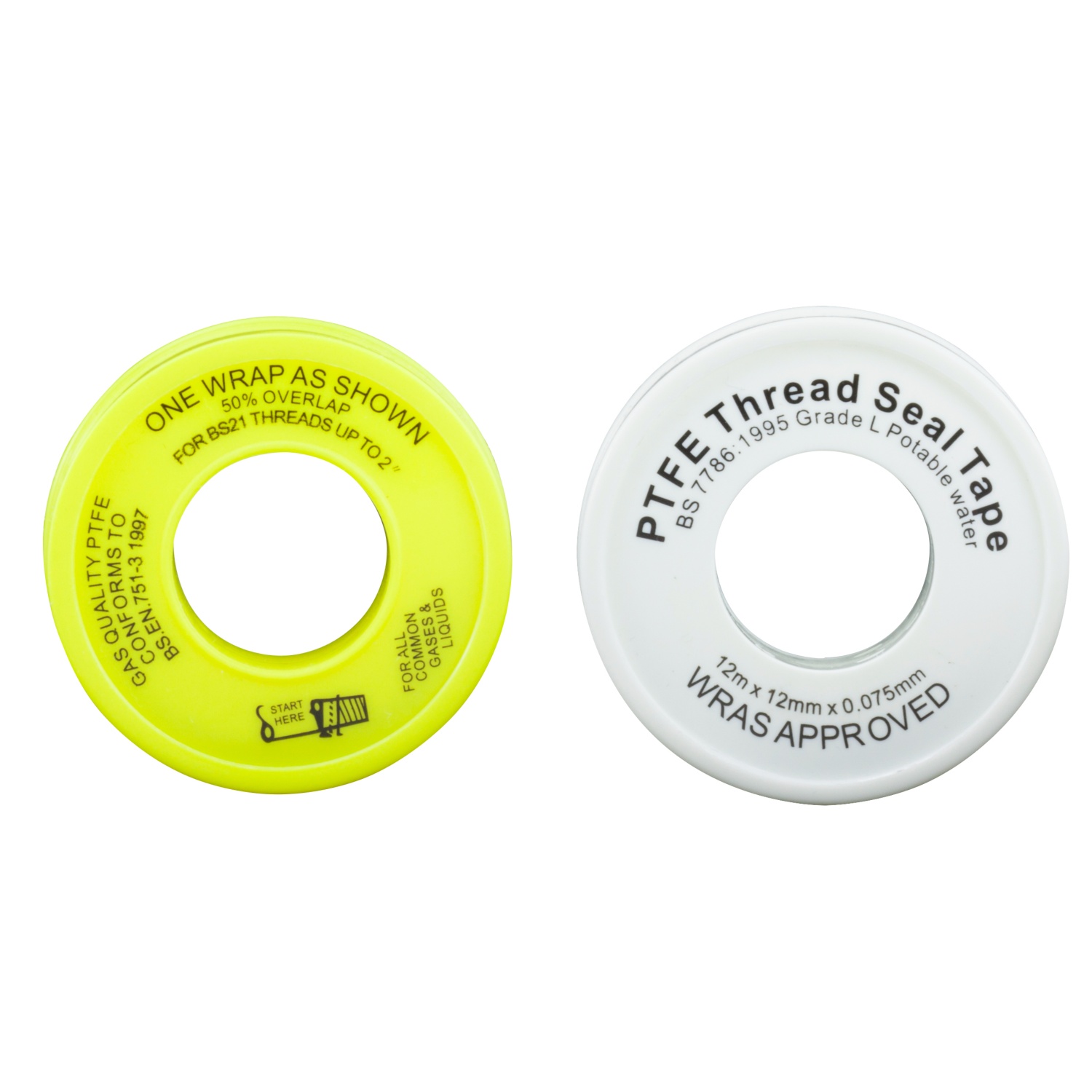
| White | Commonly used for water pipework |
| Yellow | Commonly used for gas where specified |
| Green | Oxygen service where requirements apply |
| Grey | Often used for stainless fittings to reduce seizing |
Reference images
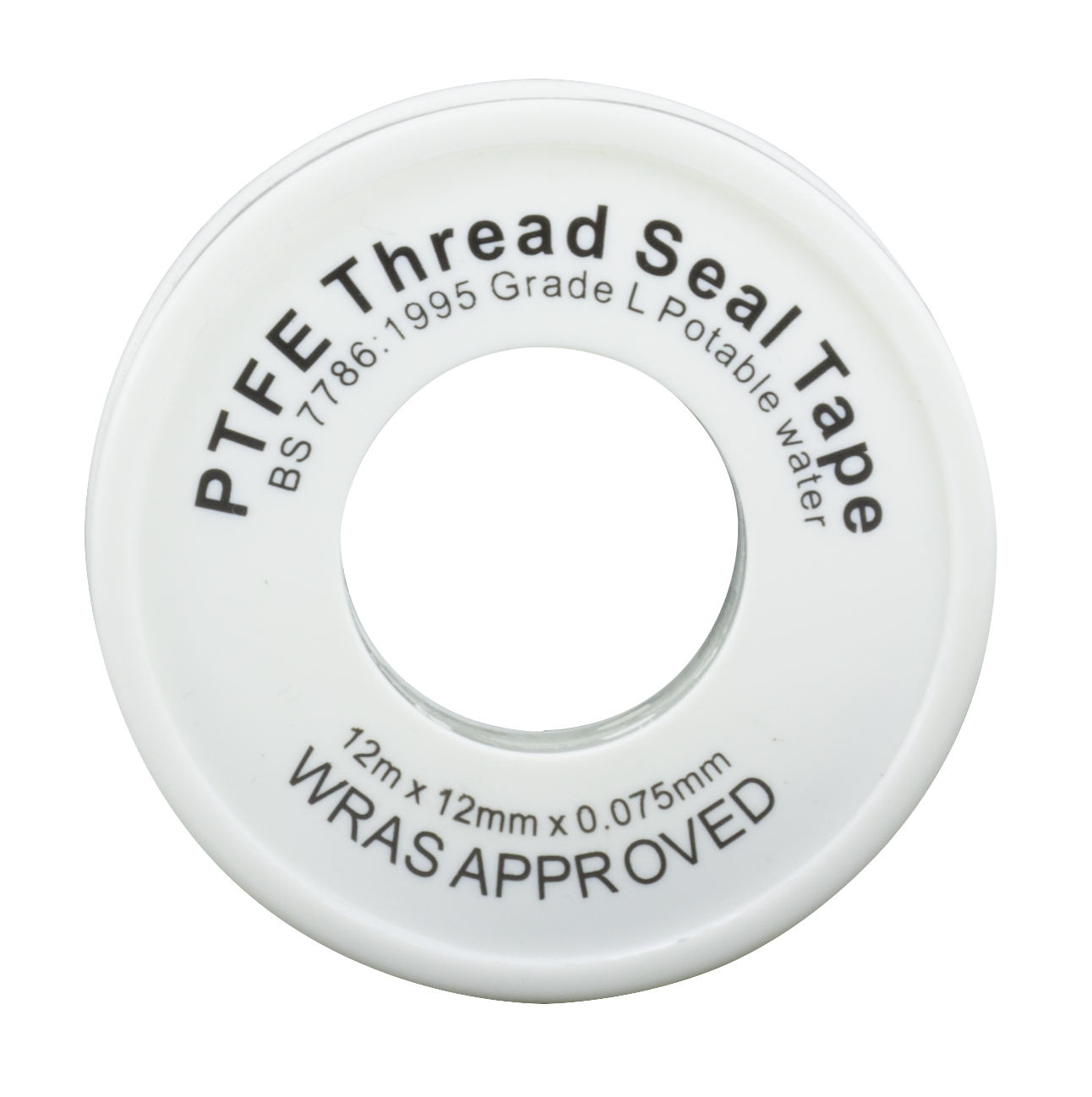
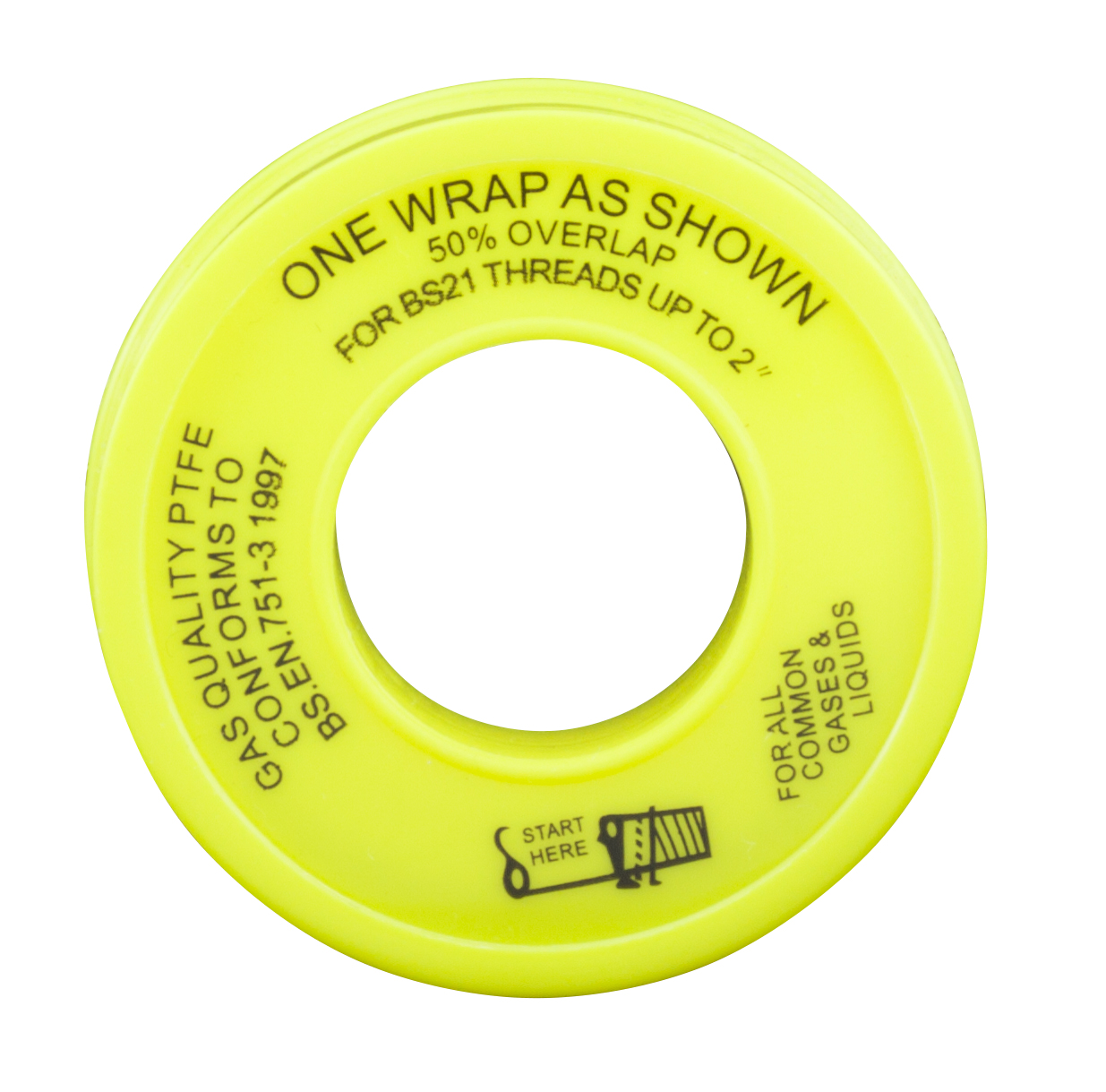
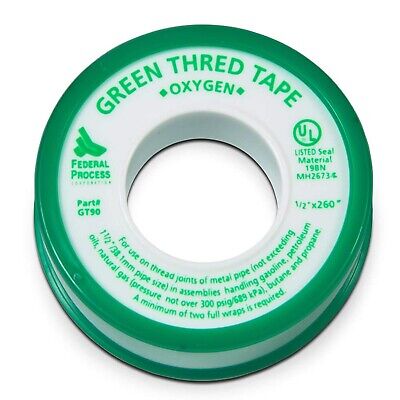
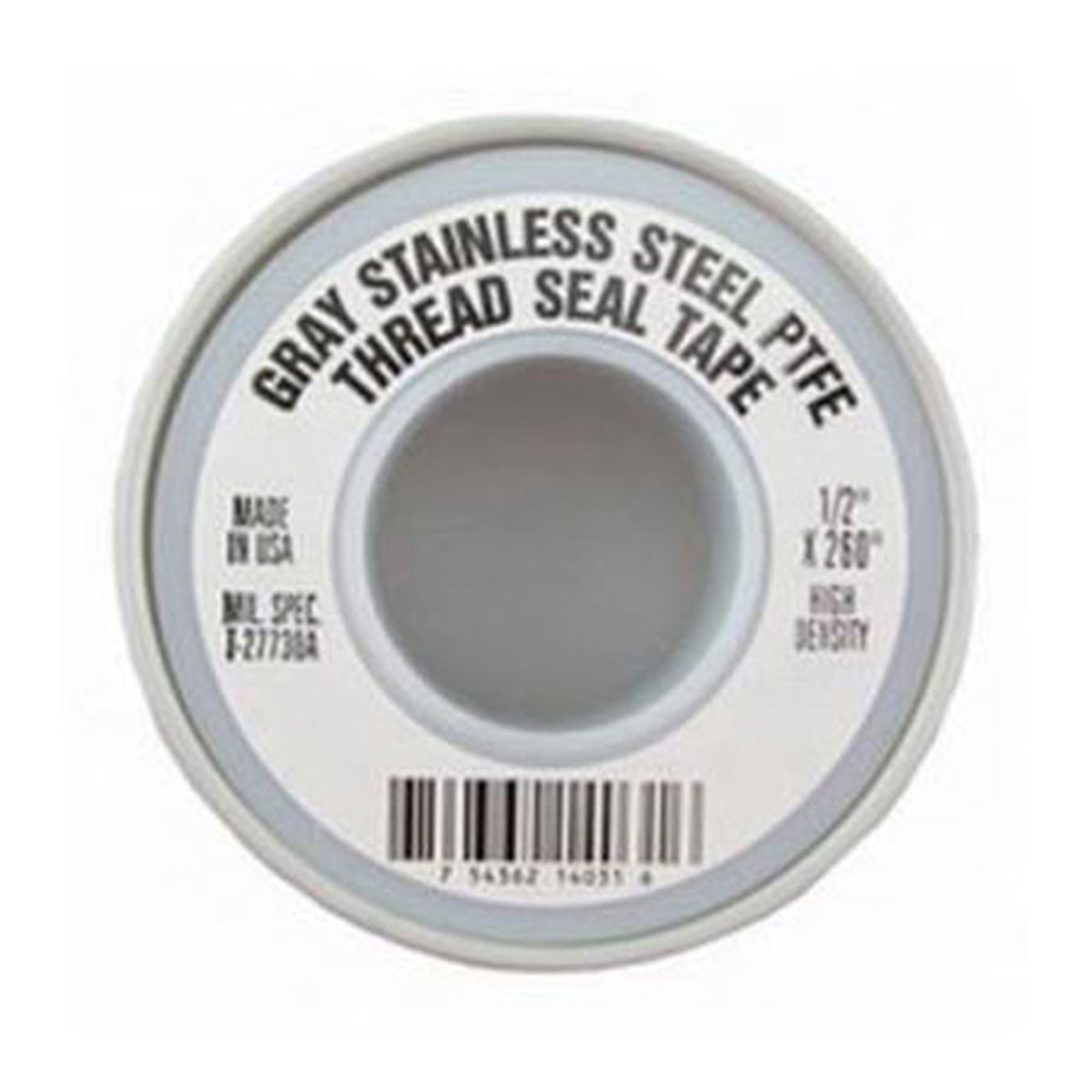
Colours can vary by manufacturer so verify specifications for the application.
How to apply PTFE tape
Use the routine below to get consistent wraps that do not unravel during assembly. Wrap direction matters because the tape must tighten with the fitting.
Step by step, How to use PTFE Thread Tape
- Clean the male thread and remove old tape debris and oil
- Hold the fitting so you wrap in the same direction it will tighten
- Start on the second thread and keep the tape back from the end
- Wrap with firm tension so the tape sits into the thread form
- Apply 2 to 4 wraps or more for thinner tape where required
- Break the tape and press the tail into the threads to prevent lifting
Wrap direction check
If the fitting tightens clockwise then wrap clockwise. If you wrap the wrong way the tape can unwind as you screw the joint together.
Rule: Wrap in the direction of tightening.
Common mistakes
Use the dropdown sections below to spot the most common causes of leaks and poor sealing on threaded joints.
If the tape unwraps as you tighten the joint it can bunch up and stop the fitting from seating correctly. Wrap in the direction the fitting tightens and keep tension as you apply it.
Over wrapping can prevent full thread engagement and can stop the joint tightening fully. Use an even wrap and only add extra wraps when the tape is thin or the job specifies it.
Dirt old tape and thread damage create leak paths that tape cannot reliably fix.
- Clean and dry threads before wrapping
- Replace fittings if threads are stripped cross threaded or deformed
- Check the fitting type and thread compatibility
Top tip
Start the tape on the second thread and keep the end of the fitting clear. This reduces the chance of tape tearing off into the pipework.
PTFE tape properties
PTFE is commonly used for sealing support because it is chemically resistant and low friction. Properties vary by tape thickness and density so confirm suitability for the job.
Chemically resistant
Useful where oils solvents and general contaminants may be present around pipework.
Low friction
Supports smoother tightening which can help fittings seat consistently.
Malleable wrap
Conforms into the thread form when applied under tension.
For gas installations follow job requirements and use the correct tape type specified for the work.
Frequently asked questions
Yes. Too much tape can prevent the fitting from tightening fully which reduces sealing. Aim for an even wrap under tension and avoid bulk at the start of the thread.
A common starting point is 2 to 4 wraps. Thinner tape may need more. The goal is full coverage without stopping the joint from tightening properly.
PTFE tape is used on threaded joints and many jobs specify a gas rated tape for gas line work. Always follow job specifications and site requirements and confirm the correct tape type for the fitting.
In everyday use many people use teflon tape to mean PTFE tape. PTFE is the material name and teflon is commonly used as a general label for PTFE based products.
Quick checklist
- Clean and dry threads
- Wrap in the tightening direction
- Start on the second thread
- Use even tension
- Do not over wrap
Shop PTFE tape
Browse PTFE tape options for water pipework and specified gas installations and choose the width and thickness that matches your application.
Related posts
-
 The Complete Guide to Wing nutsEverything you need to know about wing nuts: uses, types, and expert tips for every project.Read more
 -
 Guide to Hose Clamps: Types, Grades and Common ApplicationsDiscover materials, clamp types (W2–W5) and ideal uses from worm‑drive to T‑boltRead more
 -
 A Guide to Stainless Steel Levelling Feet: Heavy Duty Adjustable Solutions for UK IndustryEverything you need to know about selecting, measuring & installing levelling feet for equipment stabilityRead more
Leave a comment