

Search all blogs
Latest posts
-
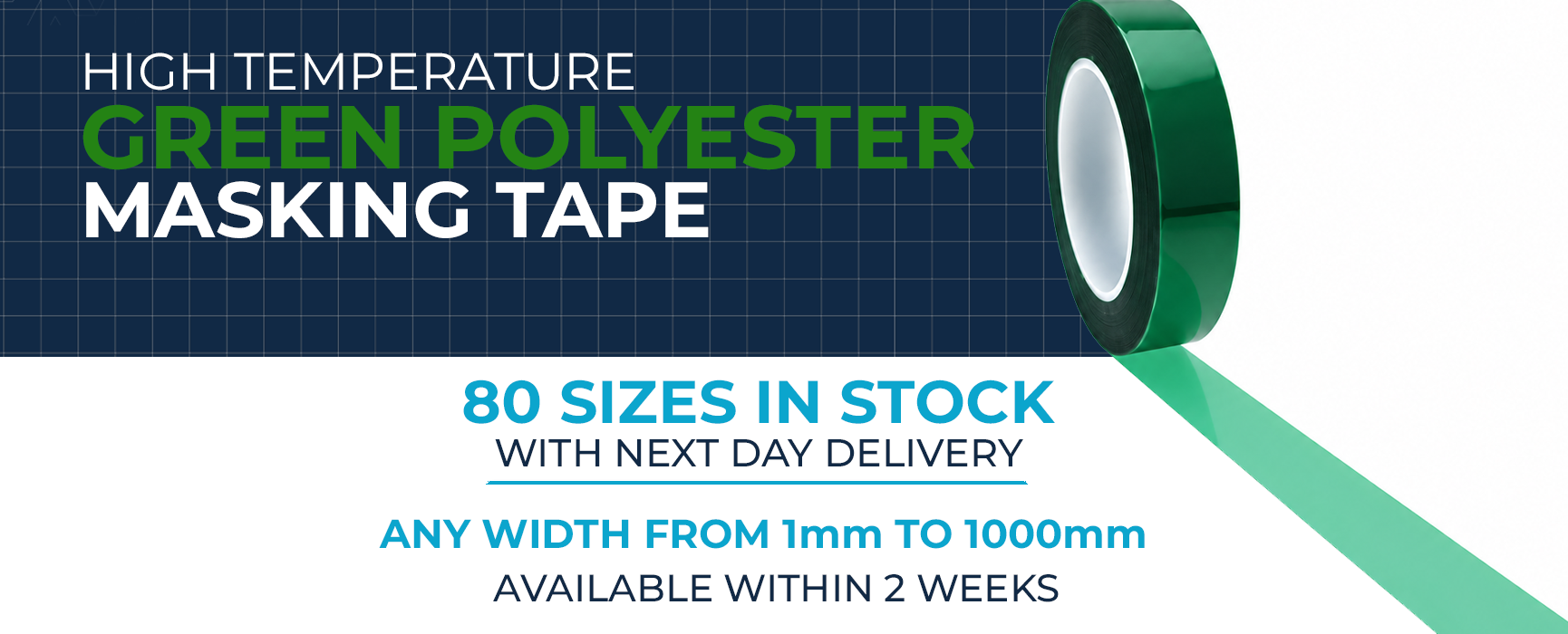 Guide to Green Polyester Tape10/09/2026Read more
Explore our Green Polyester Tape range for high temperature masking with 80 stocked sizes, 40 widths and 25 or 80...
-
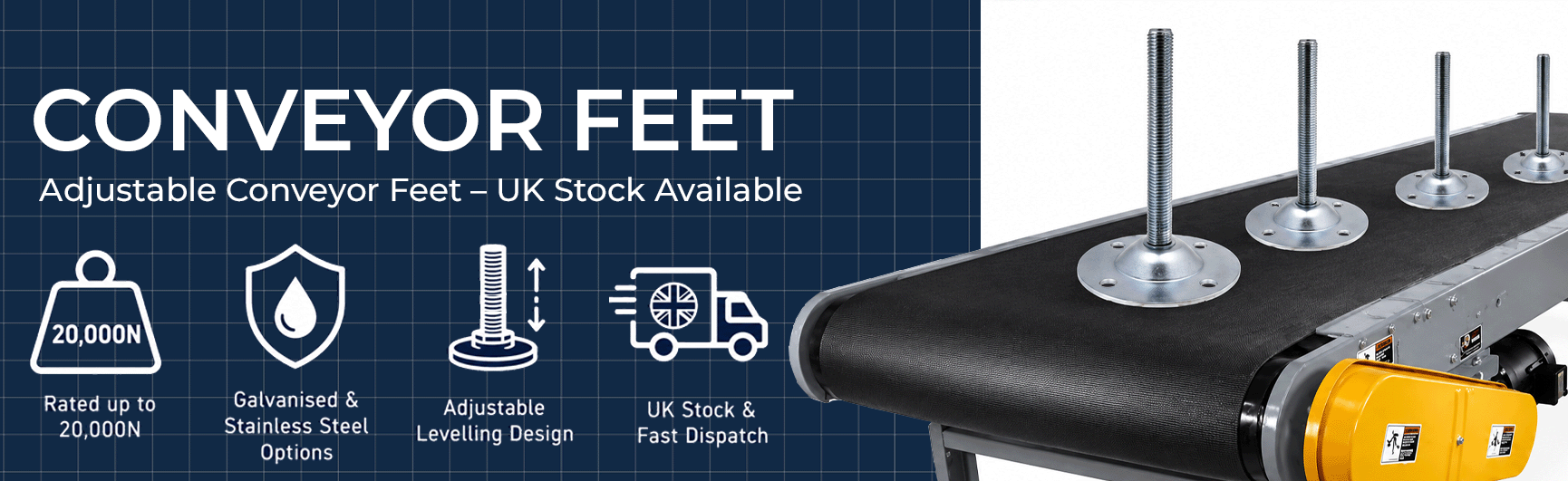 Conveyor Feet Guide: Types, Materials & Installation03/07/2026Read more
Everything you need to know about conveyor feet, types, load ratings, materials, installation steps and how...
Machine Screws Guide | Types, Sizes & Uses
Machine Screws Explained: Types, Uses and Benefits
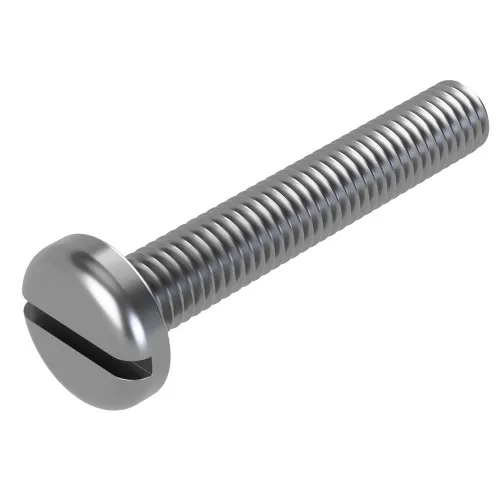
Machine screws are precision threaded fasteners used across engineering, construction and manufacturing applications. Designed for use with pre-threaded holes or nuts, they provide a secure and reliable fixing solution for metal, plastic and composite materials, and are available in a wide range of sizes, head types and materials for applications requiring strength, accuracy and repeatability.
What are machine screws?
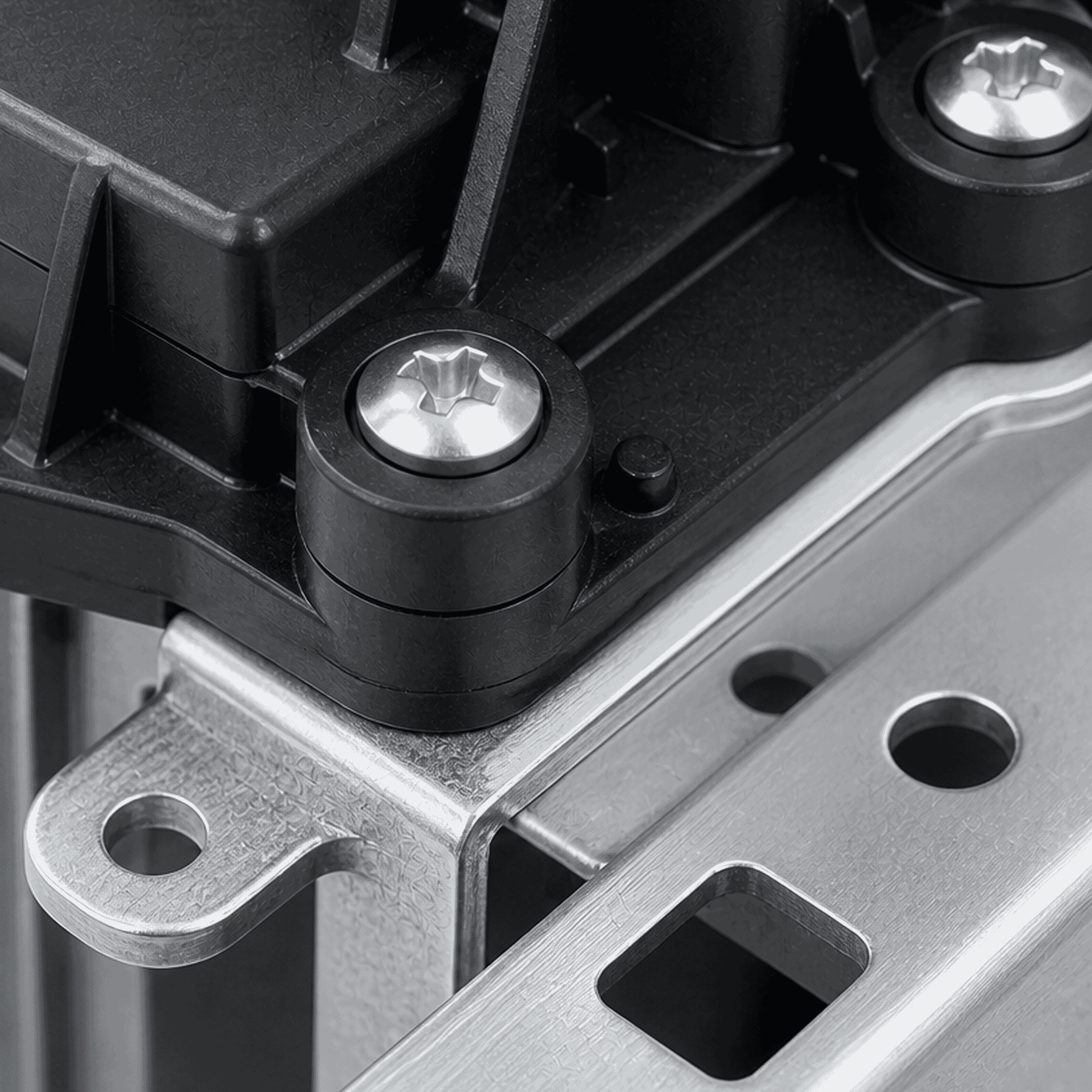
They are widely used in metal assemblies, electrical components, machinery and equipment where a secure and clean fastening is essential across both light and heavy-duty applications.
Common Applications
Electronics assembly
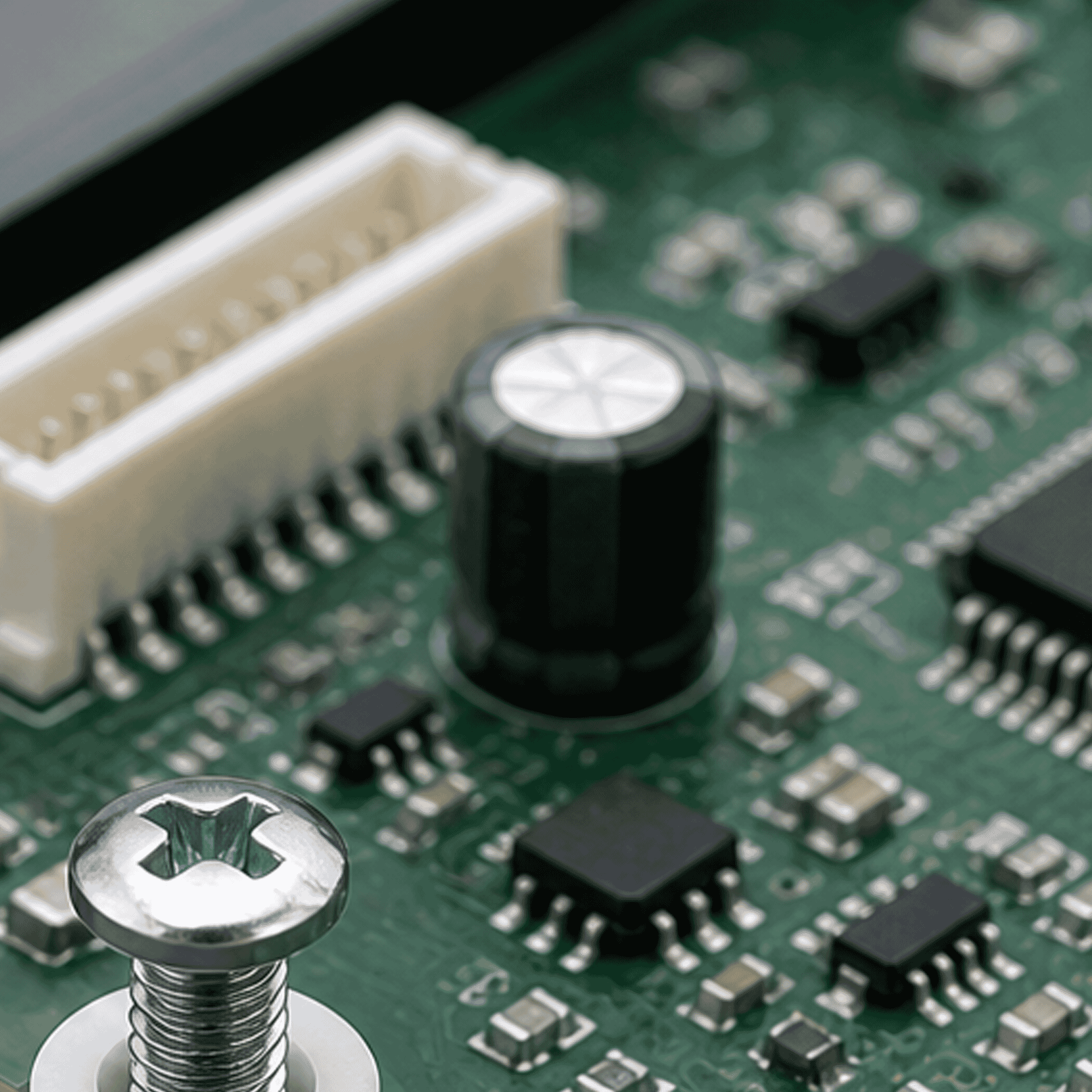
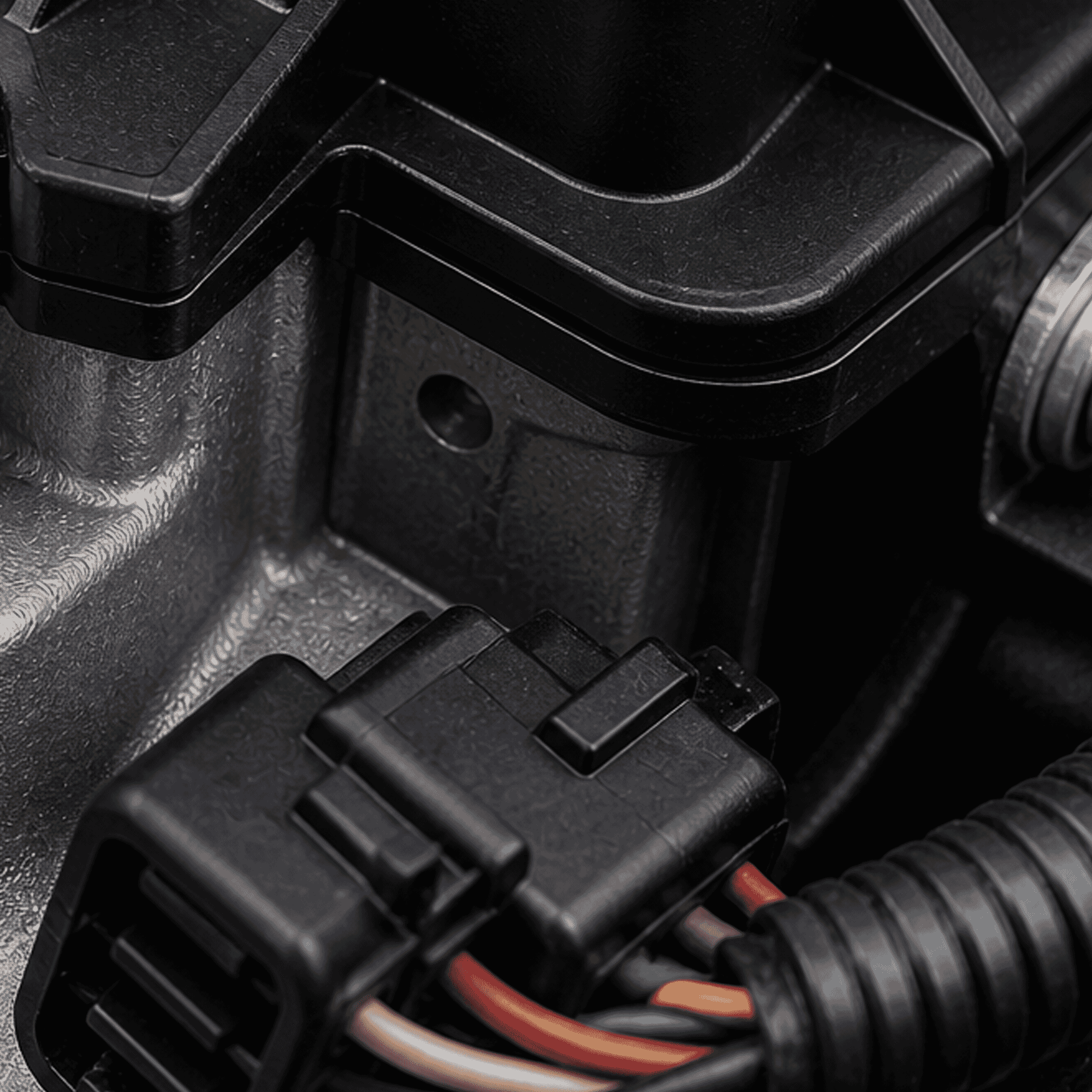
Automotive applications
Machinery fixing
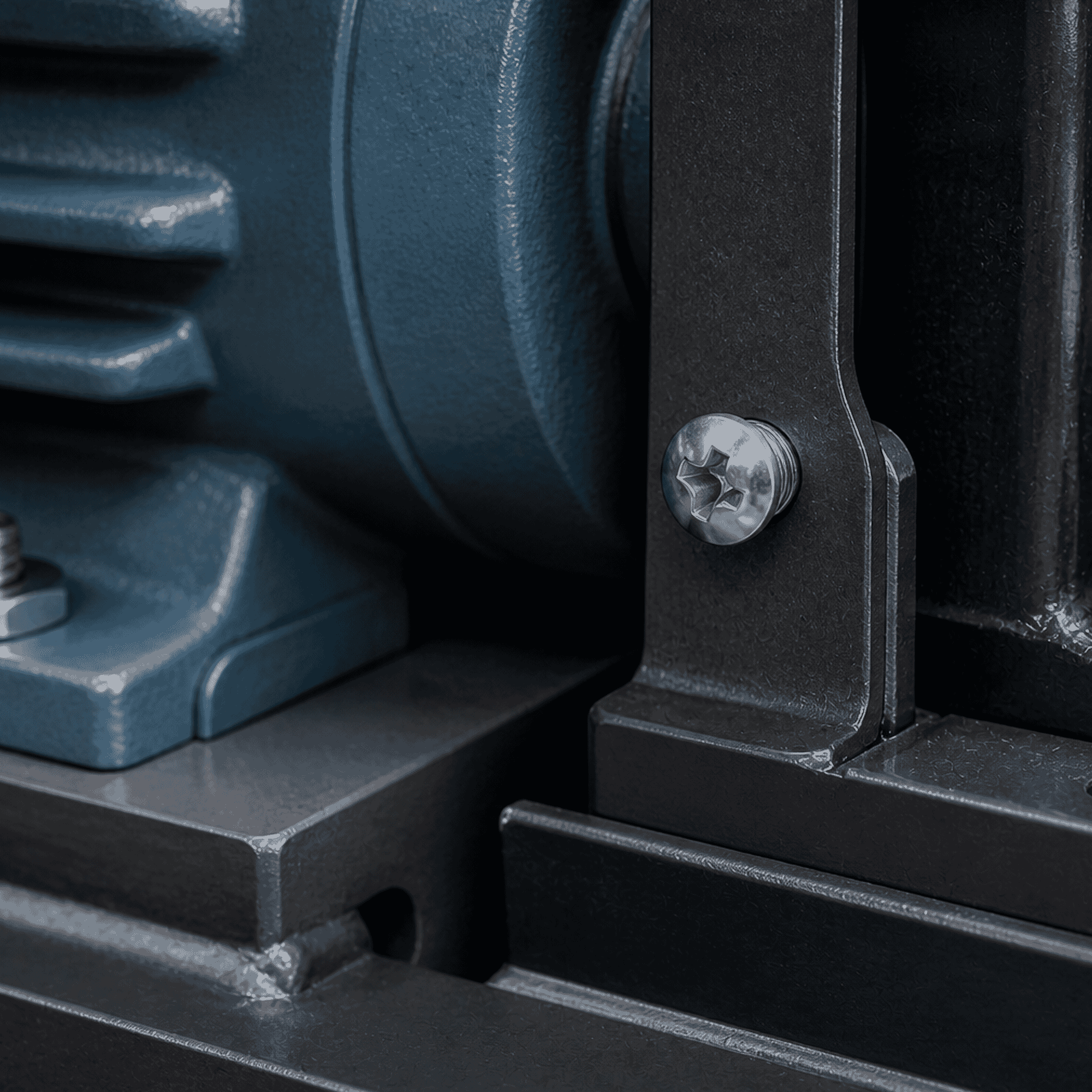
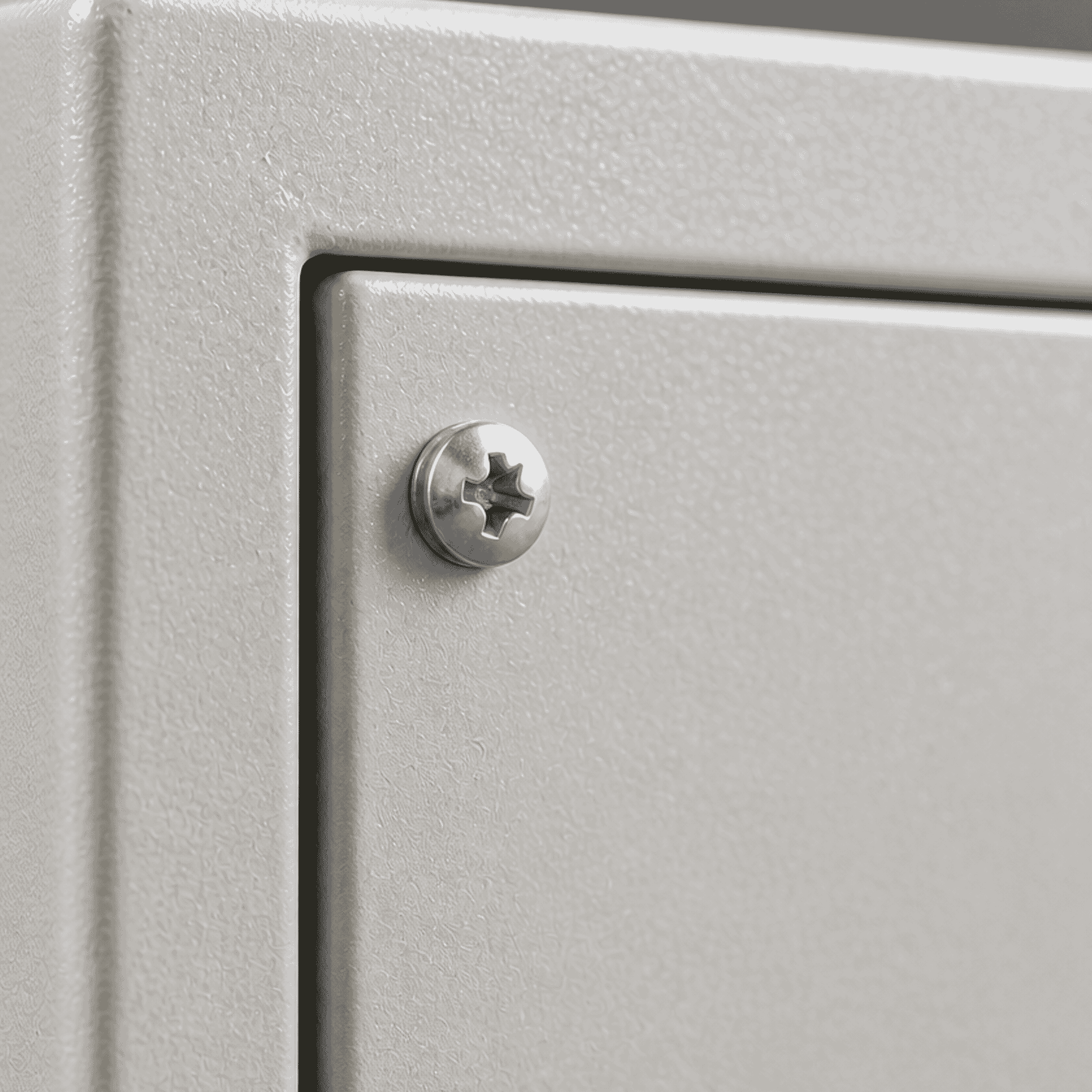
Panel fixing
Plastic and metal assemblies
Machine Screw Head Types
Choosing the right head type depends on your application, finish requirements and drive preference. Here are the most common types we stock.
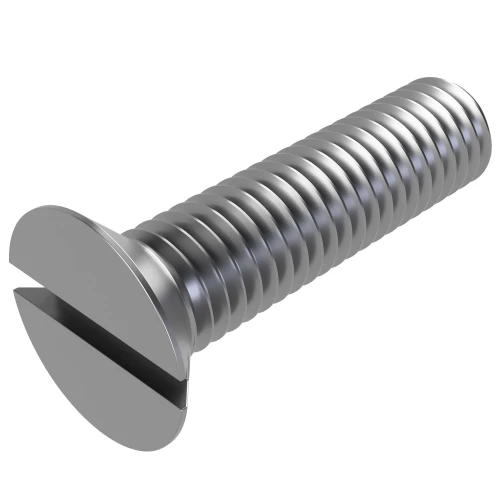
Countersunk Machine Screws
- Sit flush with the surface
- Ideal for clean finishes
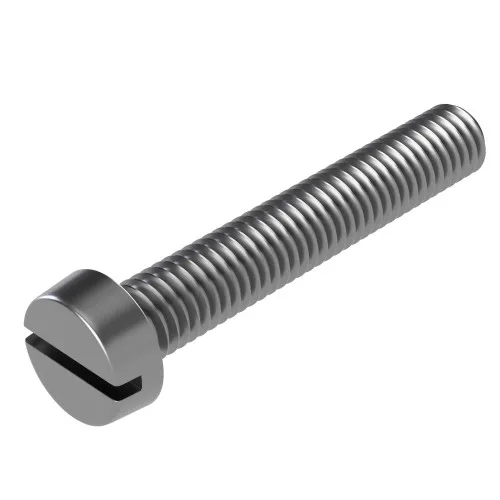
Cheese Head Slotted Screws
- Smooth rounded finish
- Used in visible applications
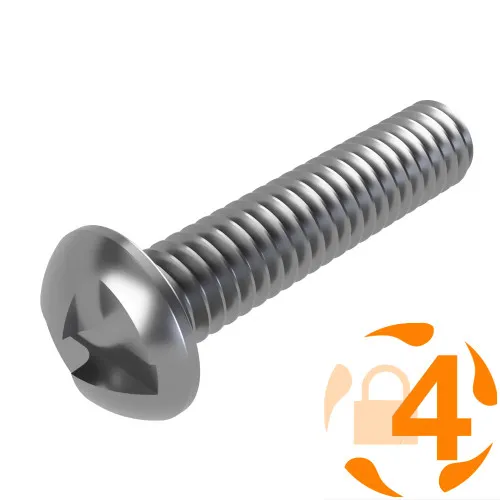
Clutch Head Machine Screws
- One-way tamper proof drive
- Ideal for security applications
How to Choose the Right Machine Screw
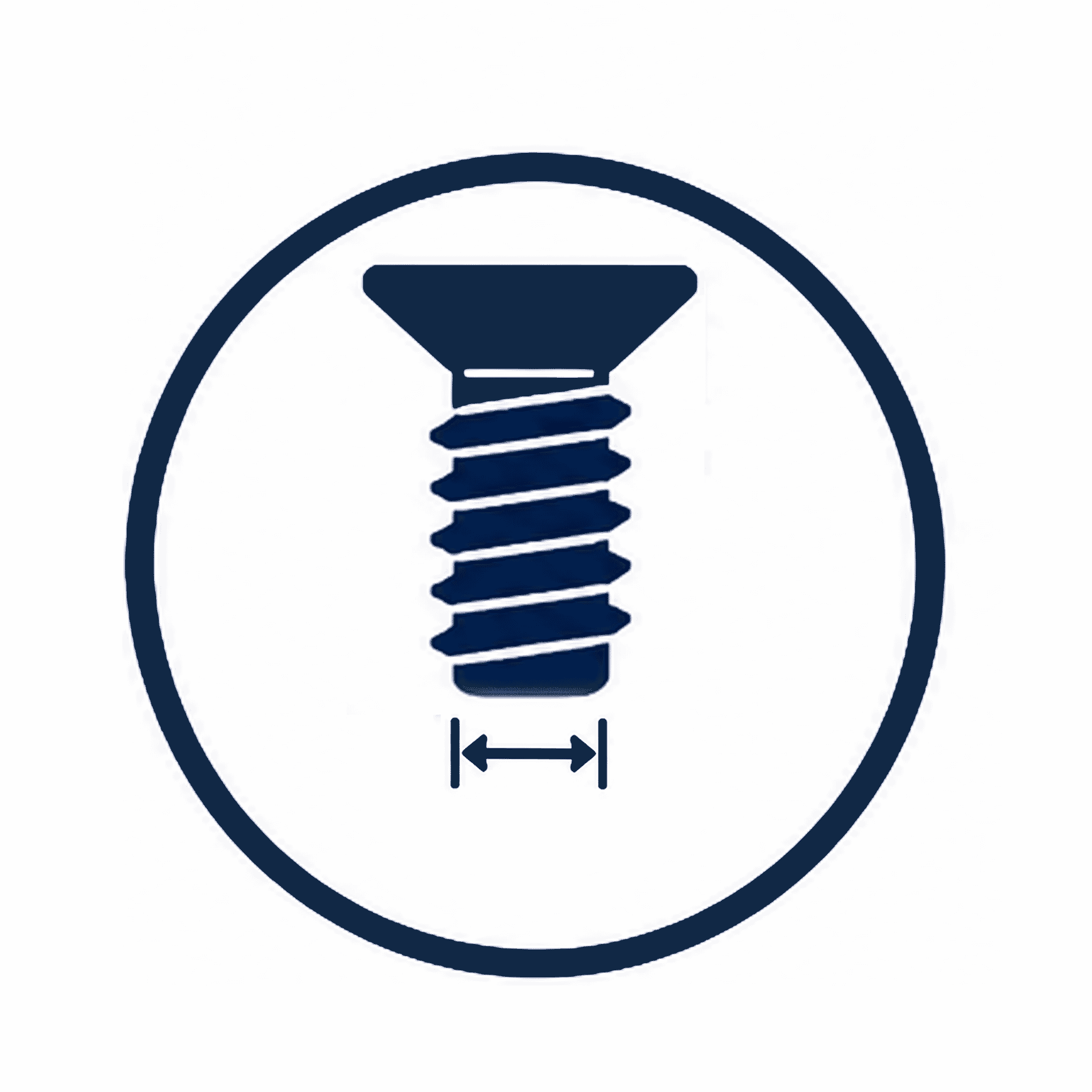
Thread Size
Match the thread size to the pre-threaded hole or nut. Common metric sizes range from M1.6 to M12.
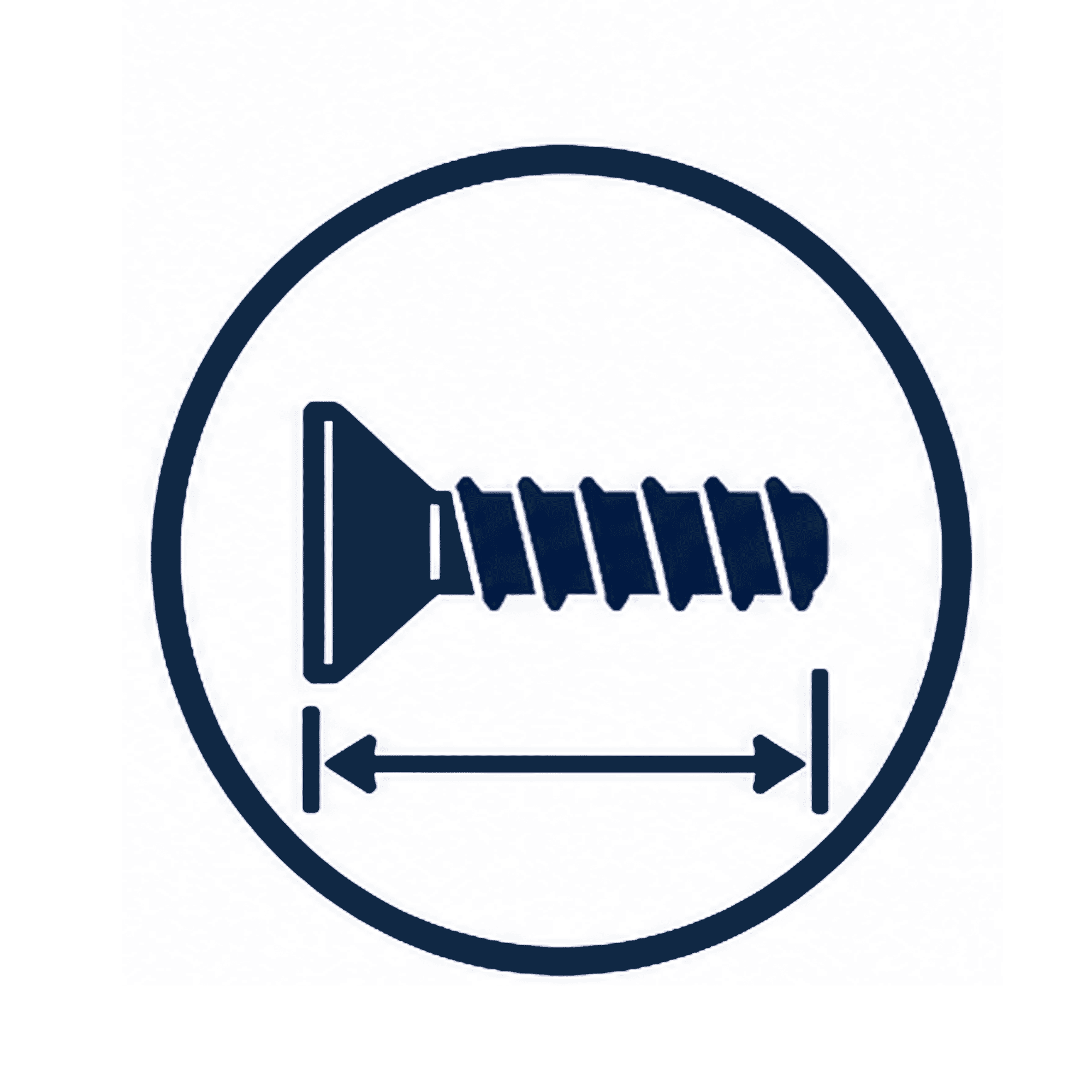
Length
Choose a length that allows full thread engagement without bottoming out or protruding excessively.

Material
Select stainless steel for corrosion resistance, or steel for strength in dry indoor environments.

Head Type
Choose countersunk for a flush finish, pan head for general use or clutch head for tamper resistance.
Materials Available
Our Machine Screw Range
Clutch Head
Designed for controlled torque applications, often used in automotive and manufacturing settings.
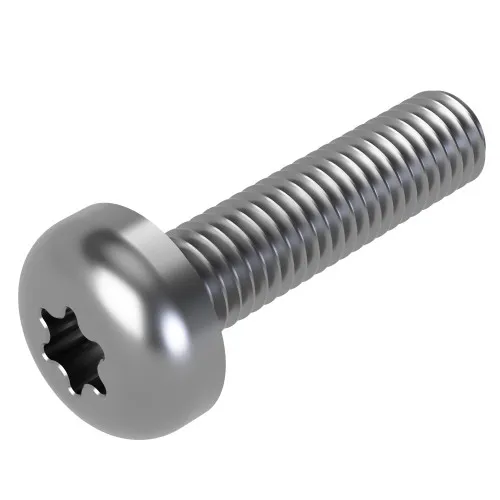
Torx Pan Head
Provides improved torque transfer and reduced cam-out for secure fastening.

Slotted Pan Head
Traditional design suitable for general-purpose fastening applications.
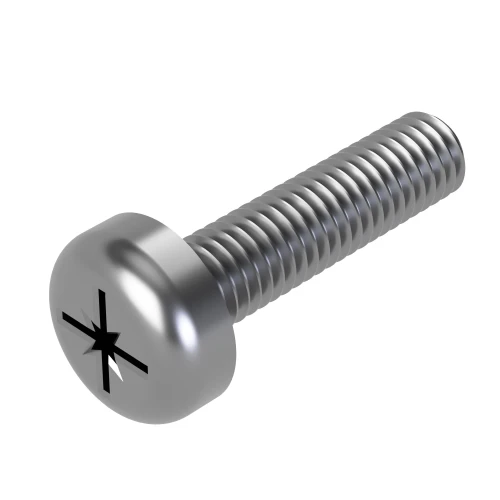
Pozi Pan Head
Offers better grip than Phillips with reduced slip during installation.
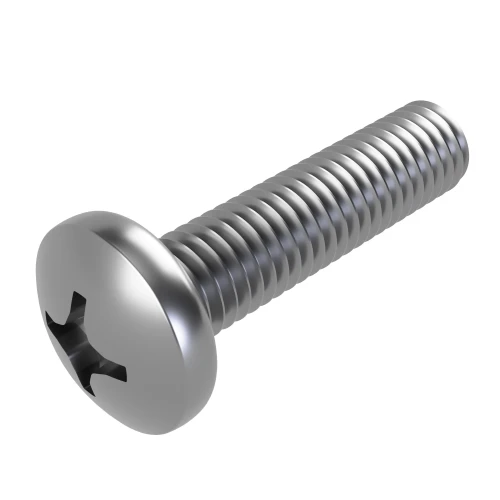
Phillips Pan Head
Common cross-head design used across many industries for general fastening.
Pan Head
Rounded head profile ideal for applications where the head remains visible.
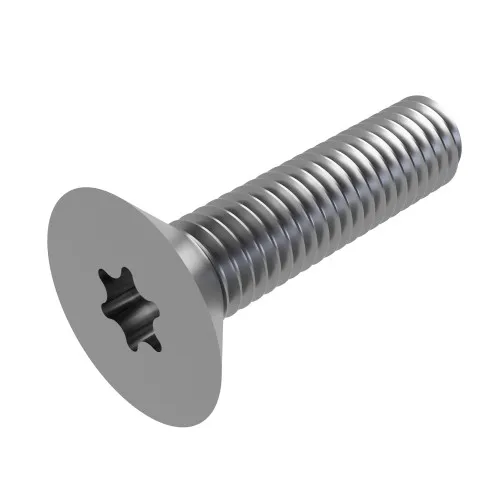
Torx Countersunk
Flush finish with strong torque control, ideal for neat installations.
Slotted Countersunk
Provides a flush finish with a traditional slot drive.
Machine Screws vs Self Tapping Screws
Machine Screws
- ✓ Requires pre-threaded hole or nut
- ✓ Fully threaded for consistent engagement
- ✓ Reusable and removable
- ✓ Precise and accurate fixing
- ✓ Ideal for metal and engineered assemblies
- ✓ Wide range of head types and drive styles
- ✗ Requires tapped hole preparation
Self Tapping Screws
- ✓ Creates its own thread during installation
- ✓ No pre-threading required
- ✓ Faster installation in sheet metal and plastic
- ✓ Cost effective for high volume applications
- ✗ Less precise than machine screws
- ✗ Not always reusable
- ✗ Can strip threads if overtightened
Related Products
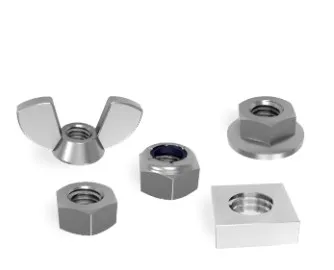
Nuts
Used alongside machine screws for secure through-fixing in metal and composite assemblies.
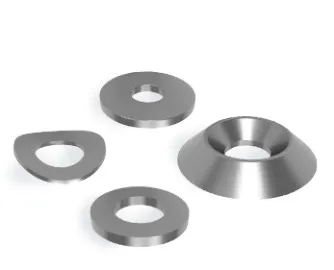
Washers
Used to distribute load and protect surfaces when tightening machine screws and nuts.
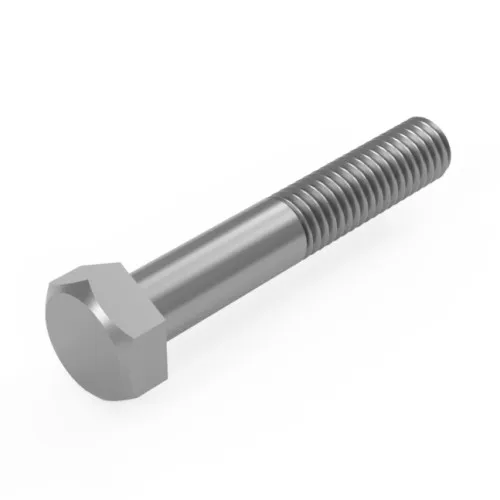
Bolts
For heavy duty structural and mechanical fastening where higher load capacity is required.
Frequently Asked Questions
Related posts
-
 The Complete Guide to Wing nutsEverything you need to know about wing nuts: uses, types, and expert tips for every project.Read more
 -
 Stainless Steel Equivalent GradesCompare stainless steel grades and find the perfect match for your next project.Read more
 -
 Stainless Steel Fasteners: Tightening and Breaking TorquesUnderstanding the Limits: How to Properly Tighten Stainless Steel Fasteners Without Compromising Strength or...Read more
Leave a comment