





































































Search all blogs
Latest posts
-
 Metal Fastener Crossword – Test Your Fastener Knowledge27/10/2026Read more
Test your knowledge with our metal fastener crossword featuring bolts, nuts, screws, washers, threads and...
-
 How to Choose the Right Fastener GUIDE27/10/2026Read more
Learn how to choose the right fastener for your application. Compare screws, bolts, nuts, washers, materials,...

Masking Tape: Uses, Types & How to Choose the Right One
What is Masking Tape?
Masking tape is a pressure-sensitive adhesive tape designed for temporary surface protection during painting, coating and manufacturing processes. It is widely used across industries due to its ability to adhere securely while removing cleanly without residue.
Available in a variety of materials, widths and temperature ratings, masking tape is suitable for everything from simple household decorating tasks to demanding industrial applications such as powder coating, shot blasting and electronics assembly. Choosing the right type for your application ensures a clean finish, protects surrounding surfaces and saves time during both application and removal.

Masking Tape Explained
Masking tape normally combines a pressure-sensitive adhesive with an easy-to-handle backing material. Traditional decorating tapes commonly use a thin paper or crepe paper backing which can be torn by hand and applied quickly around edges, fixtures and surfaces.
The principle is simple: the tape creates a temporary barrier between the area being worked on and the area that needs to remain protected. This makes masking tape useful for painting, spraying, coating, refinishing and a wide range of industrial processes.
The backing material, adhesive formulation, tape width and temperature resistance can all vary considerably. This is why a tape intended for household decorating may perform very differently from a specialist masking tape used during powder coating or industrial finishing.
When Was Masking Tape Invented?
Modern masking tape dates back to 1925 when Richard Drew, an employee of 3M, developed a tape intended to help painters create cleaner boundaries while working on automotive finishes.
The idea developed from the need for a tape that could stay in place during painting without damaging the surrounding finish when removed.
Almost a century later, the same basic principle remains central to masking tape, although modern products now include specialist adhesives and backing materials for applications ranging from decorating to powder coating, electronics and industrial manufacturing.
Modern masking tape was developed for cleaner and more controlled paint masking.
Common Applications


Browse our full range of masking tapes for professional and industrial use.
Types of Masking Tape Adhesive
Masking tapes can also be grouped by the adhesive system used. Adhesive choice can influence initial tack, clean removal, temperature resistance and suitability for different surfaces.
Rubber-Based Masking Tape
Rubber-based adhesives are widely used for general-purpose masking because they provide good initial tack and adhere quickly to many compatible surfaces.
They are commonly found on traditional paper masking tapes although temperature resistance is generally lower than specialist high-temperature adhesive systems.
Acrylic-Based Masking Tape
Acrylic adhesives are commonly selected where greater environmental stability, UV resistance or performance over a wider range of conditions is required.
Some acrylic masking tapes are designed for elevated or fluctuating temperatures. Always check the individual tape specification before use.
Silicone-Based Masking Tape
Silicone adhesive systems are commonly associated with specialist high-temperature masking tapes where standard adhesives would not provide sufficient heat resistance.
The complete temperature rating depends on both the adhesive and backing material, so the manufacturer's stated operating range should always be checked.
Important: adhesive type alone does not determine performance. Backing material, tape thickness, surface condition, temperature and application time should all be considered.
Masking Tape Colours
Masking tape is available in a wide range of colours. Colour can make a tape easier to identify during a process, but it should not be used as the only way to determine performance because specifications vary between manufacturers.
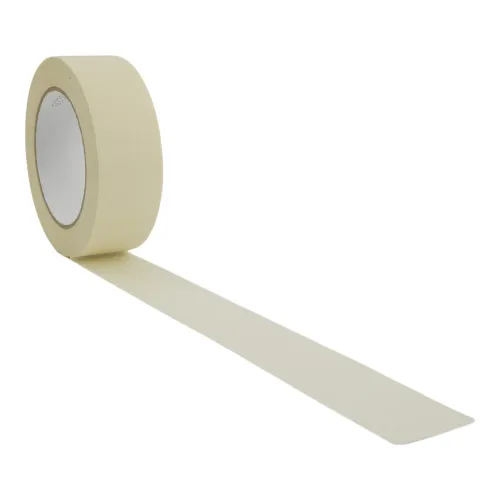
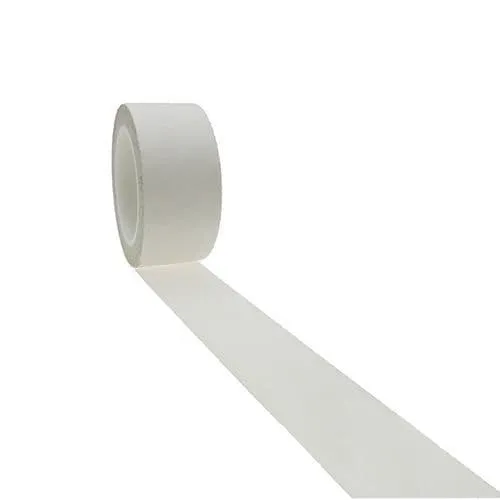
White Masking Tape
White and neutral paper masking tapes are widely used for general decorating, household masking and everyday professional applications.
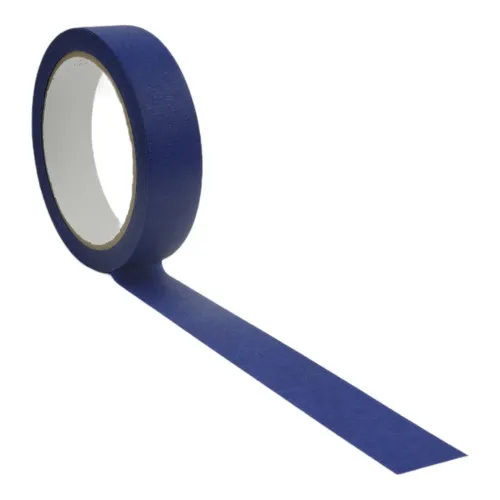
Blue Masking Tape
Blue tapes are commonly associated with painter's tapes and specialist masking applications. Some blue products also offer UV resistance for longer exposure or outdoor use.
Yellow Masking Tape
Yellow masking tapes are highly visible against many surfaces and are often used for painting, refinishing and automotive masking applications.
Always select masking tape by its technical specification rather than colour alone.
Our Masking Tape Range

Low Tack Paper Masking Tape
General purpose crepe paper tape ideal for painting and decorating applications.

High Temp Crepe Tape
Crepe paper tape designed for higher temperature masking applications.


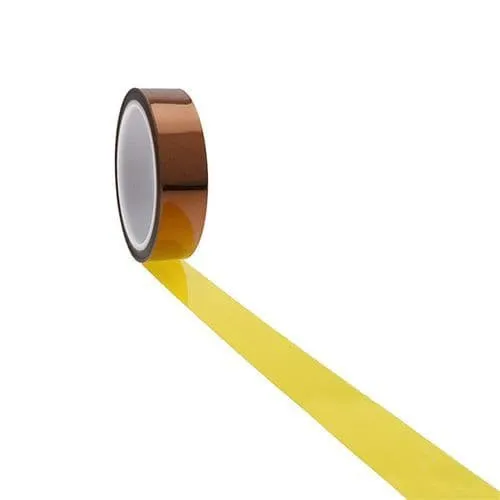
Amber Polyimide Tape
Kapton film tape for covering heating elements during 3D printing and electronics applications.

Glass Cloth Tape
Shot blasting glass cloth tape for protecting applications during sandblasting and shot blasting.

Aluminium Foil Tape
Ideal for heat shielding, sealing and masking in high temperature environments.

Blue UV Masking Tape
UV resistant masking tape suitable for outdoor applications and extended exposure.

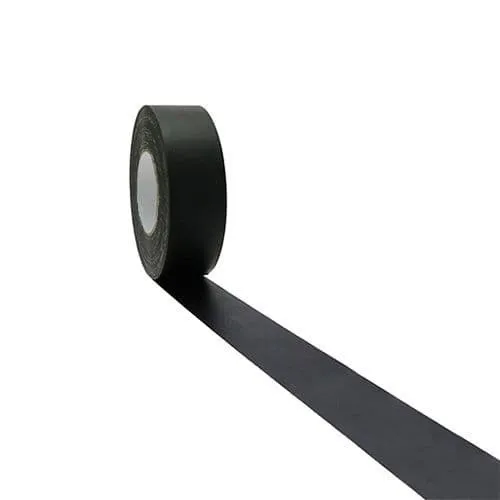
Matte Cloth Tape
Versatile cloth tape suitable for bundling, wrapping and general purpose masking applications.
Key Product Features
Practical Masking Tape Properties
Not all masking tapes behave in the same way. Water exposure, mechanical strength, application time and removal conditions can all affect performance.
Is Masking Tape Waterproof?
Standard paper masking tape is not normally designed to be fully waterproof. Some specialist tapes provide greater water or moisture resistance and painter's tapes may be designed to resist wet paint during application. Always check the product specification where moisture exposure is expected.
How Strong is Masking Tape?
Masking tape is normally designed for temporary protection rather than structural holding. Strength depends on the backing, thickness and adhesive. Where significant holding strength is required, another tape type may be more appropriate.
Does Masking Tape Leave Residue?
Clean removal depends on the tape, surface, temperature and how long the tape remains applied. Using the correct tape and removing it within the recommended period helps reduce adhesive residue.
How Do You Reduce Adhesive Residue?
- Apply tape to a clean and dry surface
- Use a suitable adhesion level for the surface
- Avoid leaving tape applied longer than recommended
- Use heat-resistant tape where elevated temperatures are involved
- Remove the tape smoothly rather than pulling it away suddenly
Custom Die Cut Masking Tape & Wide Width Tapes
For more specialised applications, tapes can be supplied as custom die cut shapes and wide format rolls, designed to match exact component dimensions and application requirements. Die cut masking tapes are commonly used where precision coverage is required, helping to reduce application time, minimise waste and ensure consistent results across production runs.
These solutions are ideal for industries such as powder coating, automotive refinishing, electronics and industrial manufacturing, where repeatability and accuracy are critical. Custom shapes can be produced to suit complex geometries, including holes, edges, threads and irregular surfaces.
Alongside die cutting, we also offer custom tape widths far beyond standard sizes, including projects where we have supplied masking tape up to 168.5mm wide. This allows for efficient coverage of large surface areas, reducing the need for overlapping tape and improving overall application speed.
Whether you require die cut masking shapes, wide format masking tape or complete masking kits, our team can support your project with tailored solutions to meet your exact specifications.
Need custom die cut masking tape or wide width rolls?
Speak to our team today to discuss your requirements or request a quote.
Contact Our Team
High Temperature & Powder Coating Masking Tapes
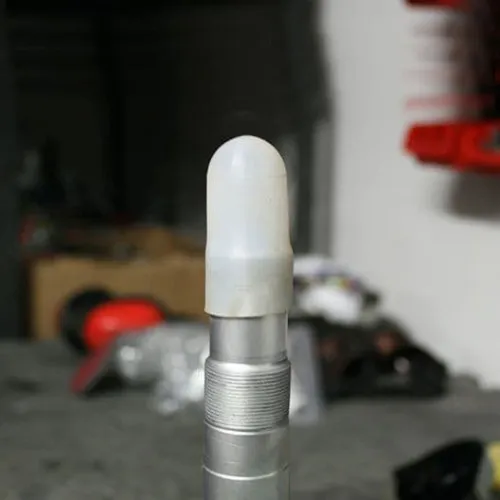
Our high temperature tapes and powder coating masking tapes are manufactured using high quality materials, paired with a formulated adhesive to ensure a premium level of performance. Our products are designed to be easily removed and leave little to no sticky residue during use. Each of our high temperature tape solutions is rigorously tested before production.
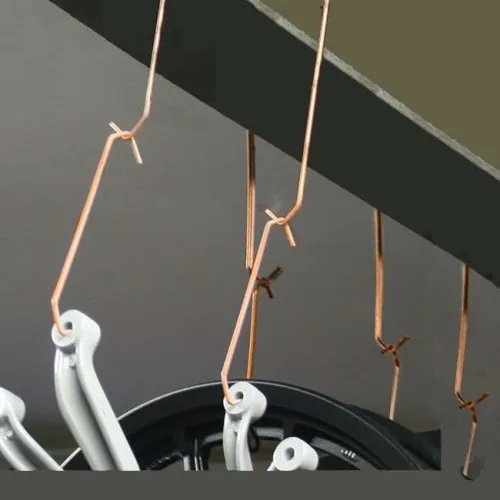
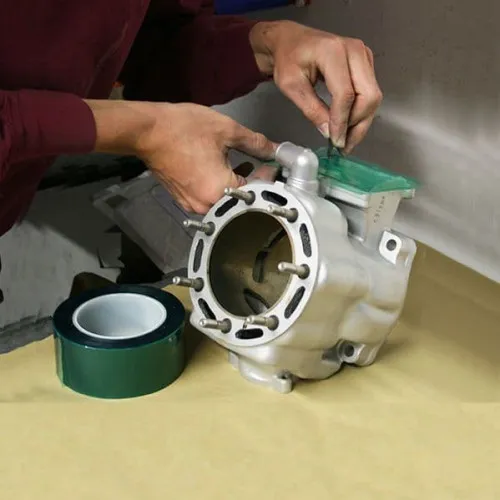
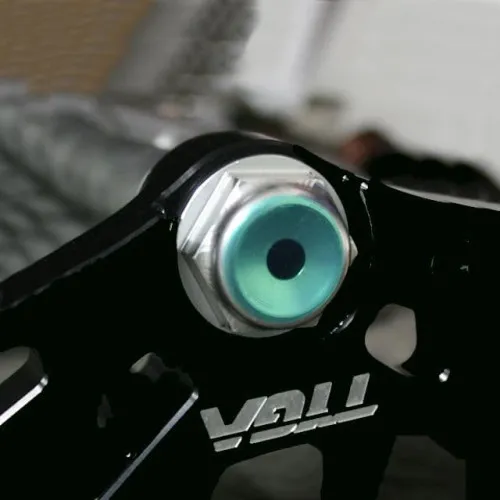
These tapes are used regularly for masking purposes but can also be used for a range of coverage applications to protect and prevent damage, for example with PCB boards. Our tapes have been tried and tested for use during powder coating, shot blasting, fabrication and many other advanced processes with industry-leading heat resistance.
We keep a large variety of standard as well as highly resistant masking and powder coating tapes in stock at all times. This includes a number of high temperature film tapes as well as other fibre, cloth and alloy-based tapes.

Benefits of Our High Temperature Tapes
Large Selection of Types
A wide range of standard and specialist heat resistant and high temperature masking tapes to suit every application.
Adhesives
Manufactured using premium low tack, easy to remove adhesives to ensure consistency and a clean finish.
Huge Variety of Sizes
Available in a wide variety of sizes, roll lengths and widths to suit both small and large scale projects.
Excellent Resistance
A number of excellent resistance properties including heat, UV and chemical resistance depending on tape type.
Types of Masking Tape
Choosing the right masking tape depends on temperature, surface and application.
High Temp Masking Tape
Designed for powder coating and industrial processes.
Low Tack Masking Tape
Ideal for delicate surfaces.
Automotive Masking Tape
Used in vehicle refinishing.
Cloth & Specialist Tapes
For demanding environments requiring extra durability.
How to Use Masking Tape
Good preparation is one of the most important parts of masking. A clean surface and properly sealed tape edge can make a significant difference to the final finish.
Prepare the Area
Move objects away from the working area and make sure you have clear access to the surfaces that need masking.
Clean the Surface
Remove dust, grease and loose material before application and allow the surface to dry completely.
Apply the Tape
Work gradually along the required edge rather than applying a long loose section at once.
Seal the Edge
Press the working edge firmly onto the surface so paint or coating is less likely to work underneath it.
Remove Carefully
Follow the tape and coating manufacturer's guidance for removal timing and peel the tape back steadily rather than pulling sharply away from the surface.
How to Apply Masking Tape in a Straight Line
Start from a defined edge or corner rather than beginning in the middle of a wall or panel. Unroll the tape gradually while using the previous section as a guide.
Avoid stretching the tape excessively because this can cause it to pull back or lift. Press each section into place before continuing.
Where a highly accurate line is required, use a straight edge, ruler, tape measure or marked guideline before applying the tape.
Straight-Line Checklist
- Begin from a corner or measured reference point
- Apply short controlled sections
- Avoid excessive stretching
- Press the paint edge firmly
- Use a straight edge for precision work
Masking Tape for Painting
Painting is one of the most common masking tape applications. The tape creates a temporary boundary between painted and protected areas while helping produce cleaner lines around edges, trims and fittings.
Masking Tape vs Painter's Tape
Painter's tape is best thought of as a specialist type of masking tape designed specifically for paint preparation and clean removal.
General masking tape can be used across a broader range of temporary protection and holding tasks while painter's tape is normally developed with paint-line quality and surface protection in mind.
Adhesion strength varies between products, so always check whether the tape is intended for delicate, freshly painted, smooth or textured surfaces.
How to Stop Paint Bleeding Under Tape
Paint bleed usually occurs when the tape edge is not fully sealed or when too much wet paint collects against the edge.
- Clean and dry the surface first
- Press the tape edge firmly into place
- Use a tape designed for painting
- Avoid overloading the taped edge with paint
- Use lighter controlled coats near the tape line
How to Tape a Room Before Painting
When masking a room, treat the tape as the boundary between the surface being painted and everything that should remain protected.
| Area | Masking Approach |
|---|---|
| Skirting Boards | Run the tape along the edge where the wall meets the skirting. |
| Ceiling Lines | Mask the boundary where the wall meets the ceiling where required. |
| Doors & Windows | Mask around frames, trims and glazing edges that need protection. |
| Fixed Fittings | Protect fixed items that cannot be moved away from the painting area. |
| Feature Walls | Create a carefully measured boundary between contrasting colours. |
What is the Best Masking Tape to Use?
There is no single masking tape that is best for every application. The correct choice depends on the surface, temperature, process, exposure time and level of adhesion required.
Tape Width & Size
Narrow masking tape is useful for detail work, small components, corners and tighter areas.
Wider tape covers more surface area and can provide additional protection where overspray, coating or paint splashes are more likely.
Adhesion Level
Low-tack tapes are commonly selected for delicate surfaces where easier removal is important.
More challenging or textured surfaces may require a different adhesive system. Always balance holding strength against the risk of damaging the underlying surface during removal.
How to Choose the Right Masking Tape
When selecting masking tape consider the following factors to ensure you choose the right product for your application.

Surface Type

Temperature Resistance

Duration of Use
Related Products



How to Remove Masking Tape
Removal technique can be just as important as application. Pulling tape rapidly away from the surface can place unnecessary stress on the paint or coating beneath it.
Remove the tape in one controlled strip and peel it back towards itself rather than pulling directly away from the surface.
The correct removal time can vary according to the tape, paint or coating being used. Follow the relevant manufacturer's recommendations for the best result.
Clean Removal Tips
- Do not leave the tape applied longer than recommended
- Peel smoothly rather than pulling sharply
- Follow the recommended removal angle
- Use a tape suited to the surface
- Take extra care around delicate or recently finished surfaces
Masking Tape FAQs
- Use warm soapy water
- Apply adhesive remover if required
- Avoid scraping delicate surfaces
- Apply to a clean, dry surface
- Press edges firmly
- Remove at a 45° angle
- Left on too long
- Used on weak paint
- The incorrect type is chosen
- Warm water or mild solvent
- Rubbing alcohol for tougher residue
Can't Find the Tape You're Looking For?
Give us a call today and our team will be happy to help you find the right masking tape for your application.
Shop All Masking Tapes Call 01233 713581Related posts
-
 The Complete Guide to Wing nutsEverything you need to know about wing nuts: uses, types, and expert tips for every project.Read more
-
 Guide to Hose Clamps: Types, Grades and Common ApplicationsDiscover materials, clamp types (W2–W5) and ideal uses from worm‑drive to T‑boltRead more
-
 A Guide to Stainless Steel Levelling Feet: Heavy Duty Adjustable Solutions for UK IndustryEverything you need to know about selecting, measuring & installing levelling feet for equipment stabilityRead more
Leave a comment