


































































Search all blogs
Latest posts
-
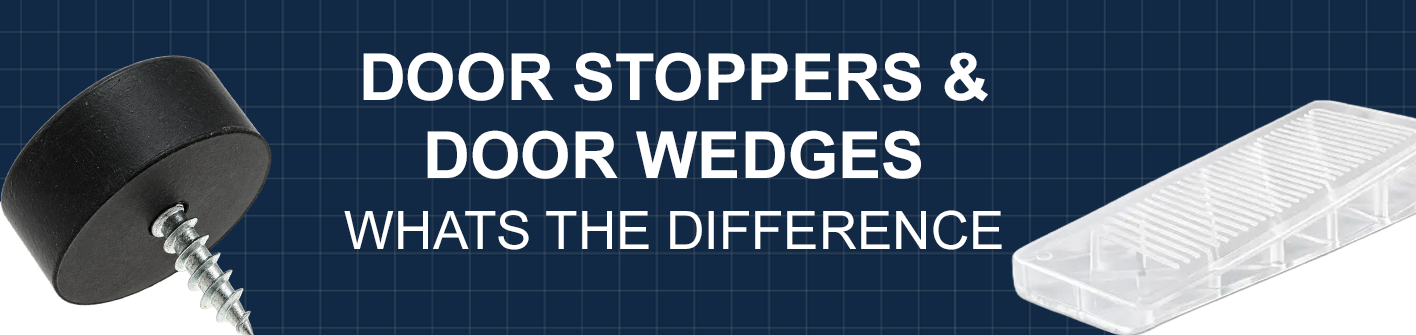 Door Stoppers & Door Wedges19/09/2026Read more
Learn the difference between door stoppers and door wedges, how each type works and where they are commonly...
-
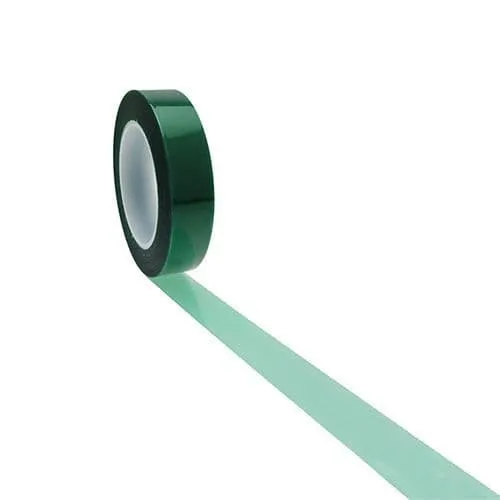
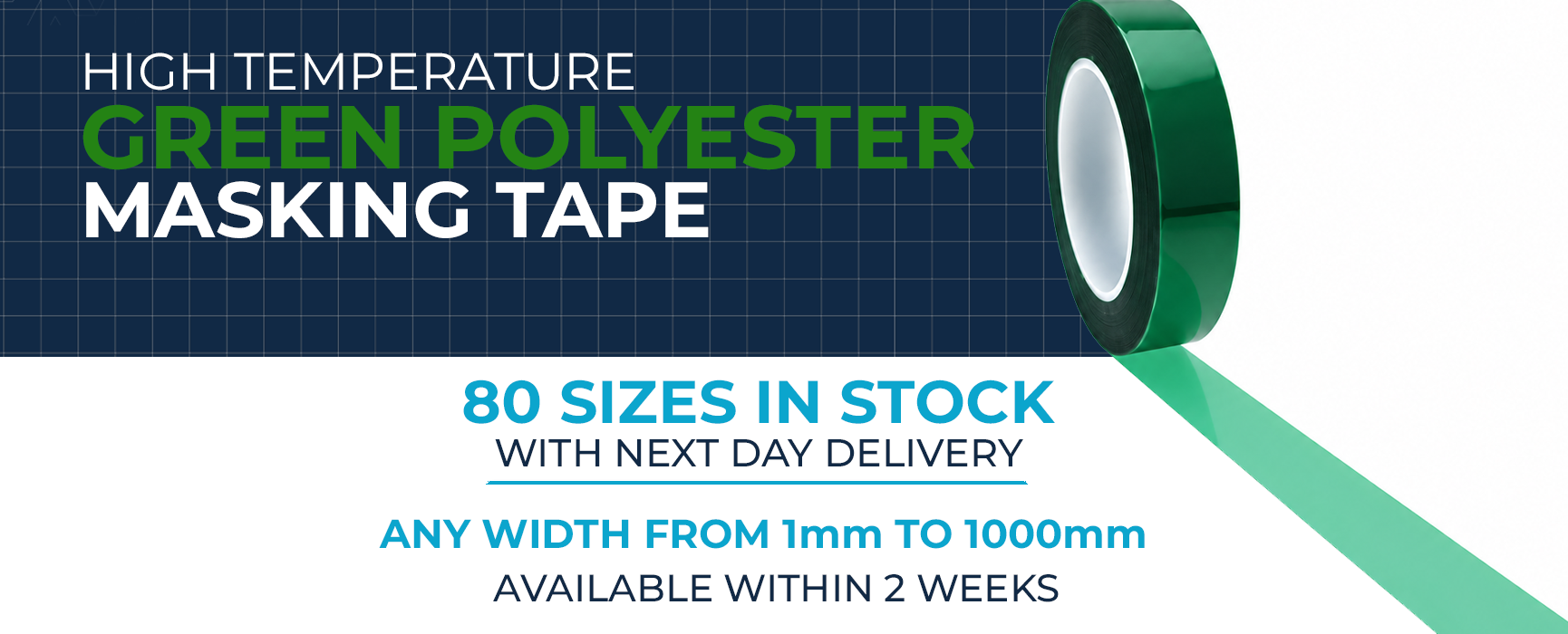 Guide to Green Polyester Tape10/09/2026Read more
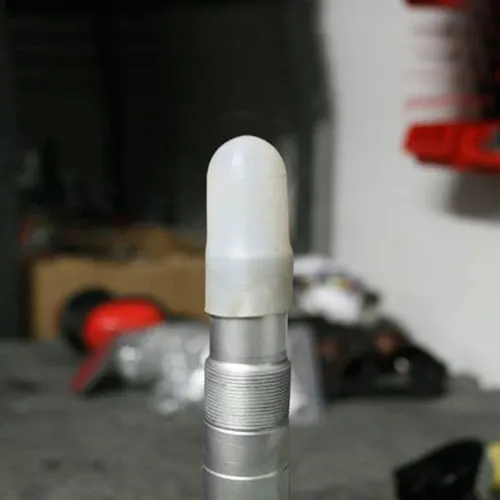
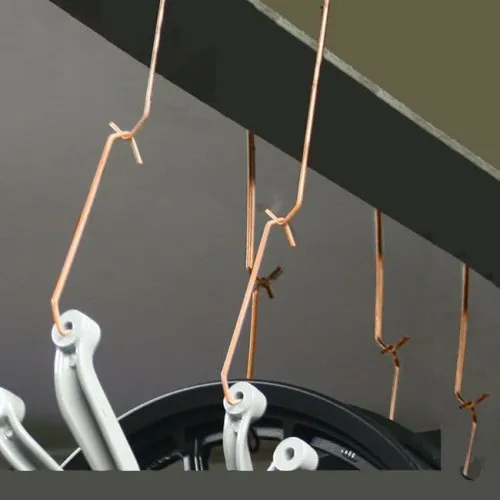
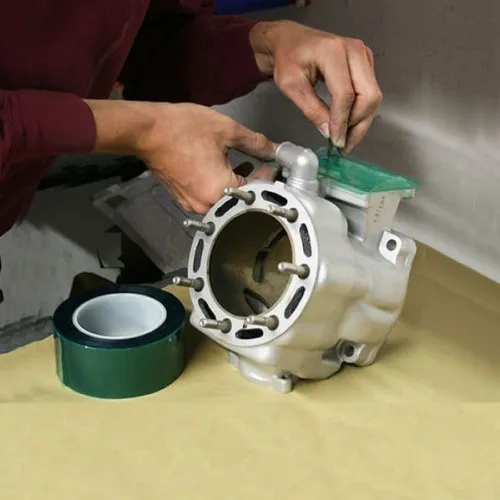
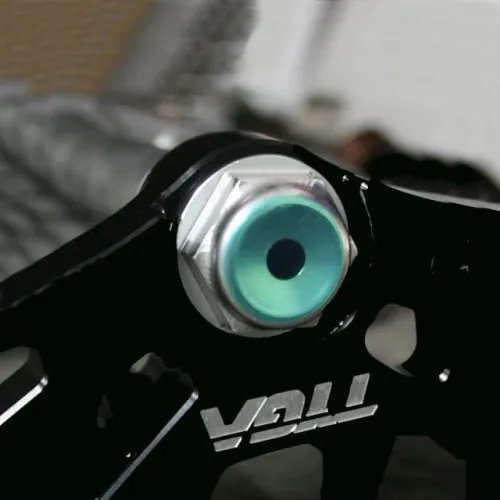
Explore our Green Polyester Tape range for high temperature masking with 80 stocked sizes, 40 widths and 25 or 80...

What is a Torx Drive?
If you've ever worked with screws or tools, you've likely encountered a variety of drive types—Phillips, flathead, Pozi, and more. But one drive type stands out for its precision, durability, and efficiency: the Torx drive. In this post, we’ll explore what a Torx drive is, why it was invented, how it compares to other drive types like Pozi, and what those mysterious T-numbers mean. We’ll also touch on a specialist variant known as Pin-Torx.
The Torx drive was invented in 1967 by Camcar Textron, a company specializing in fastener technology. The goal was to create a screw head that would resist cam-out (slipping out of the screw head during tightening) and allow for higher torque transfer without damaging the screw or tool.
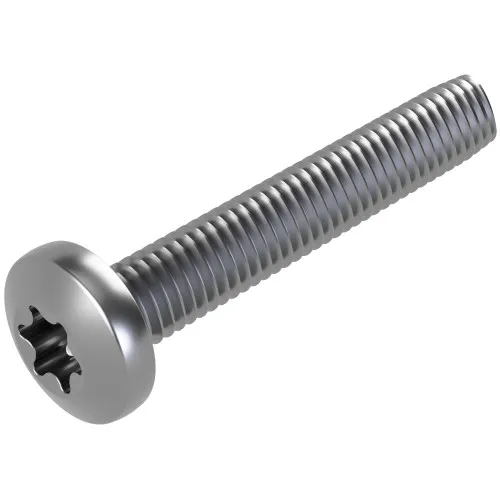
Unlike traditional screw heads that rely on friction and pressure, Torx uses a six-point star-shaped pattern. This design distributes force more evenly and allows tools to grip the screw head more securely.
Understanding Torx Sizes
Torx screws are labeled with a "T" followed by a number, such as T10, T25, or T40. These numbers refer to the size of the screw head and correspond to the size of the Torx driver needed.
Here’s a quick breakdown:
- Smaller numbers (T1–T10): Used in electronics and small devices.
- Mid-range (T15–T30): Common in household items and light machinery.
- Larger sizes (T40 and above): Found in automotive and industrial applications.
The higher the number, the larger the star pattern and the greater the torque capacity.
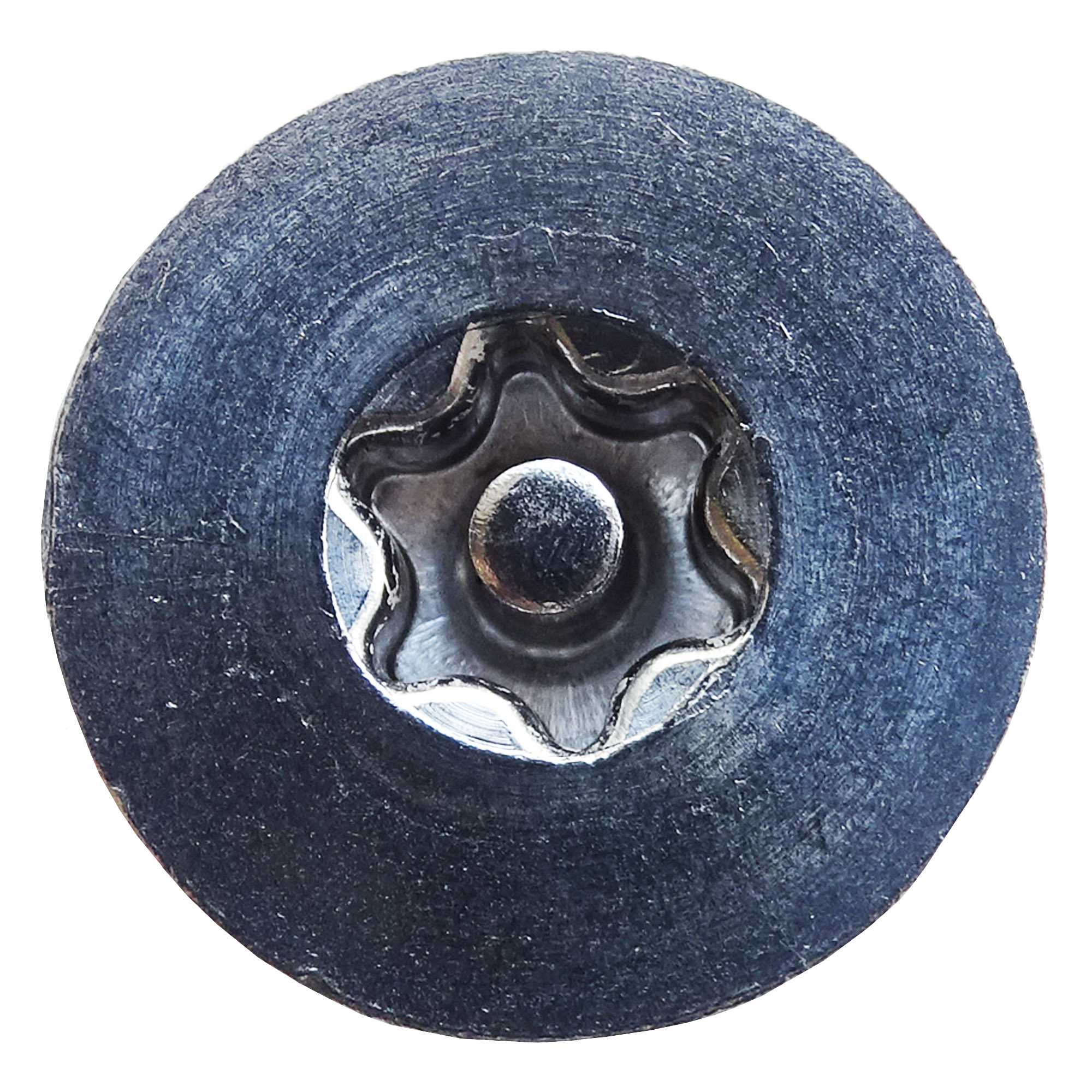
What is a Pin-Torx?
Pin-Torx, also known as Tamper-Resistant Torx, is a security variant of the standard Torx drive. It features a small pin in the center of the screw head, which prevents standard Torx drivers from engaging.
To remove or install a Pin-Torx screw, you need a specialist driver with a hole in the center to accommodate the pin. These screws are commonly used in:
- Public fixtures (to prevent vandalism)
- Electronics (to deter tampering)
- Automotive and aerospace (for added security)
Why Torx Is Superior to Pozi Drive
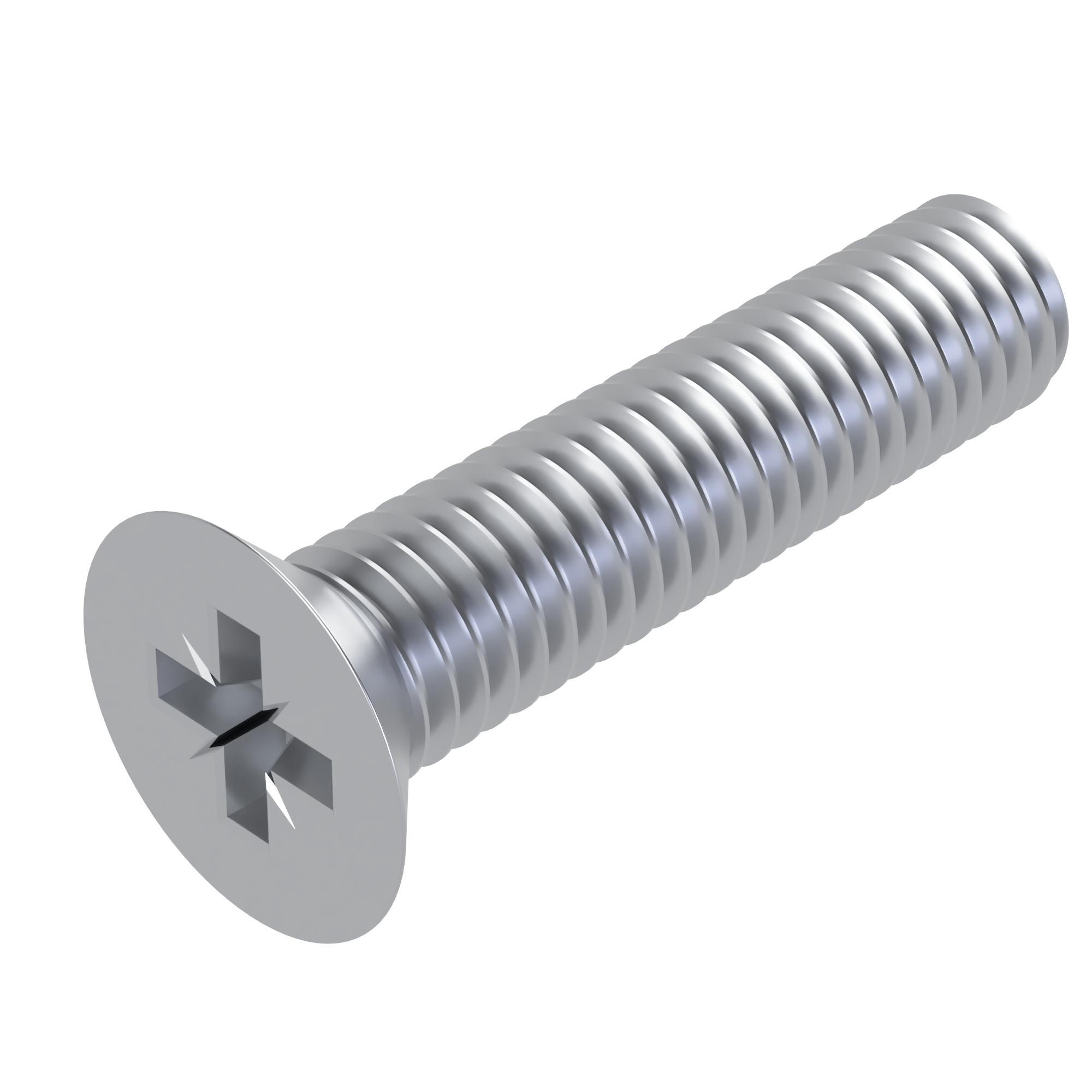
Pozi Drive
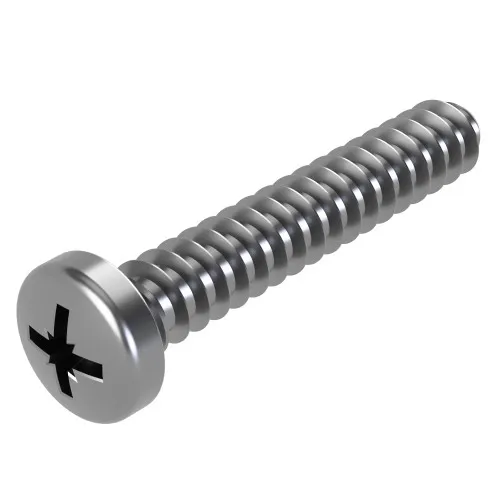
The Pozi drive, a modified version of the Phillips drive, was designed to reduce cam-out and improve torque handling. However, it still suffers from several limitations:
- Cam-out risk: While better than Phillips, Pozi still allows the driver to slip under high torque.
- Wear and tear: The cross-shaped design wears down faster, especially under repeated use.
- Less torque efficiency: Pozi drives can't handle as much torque without damaging the screw or tool.
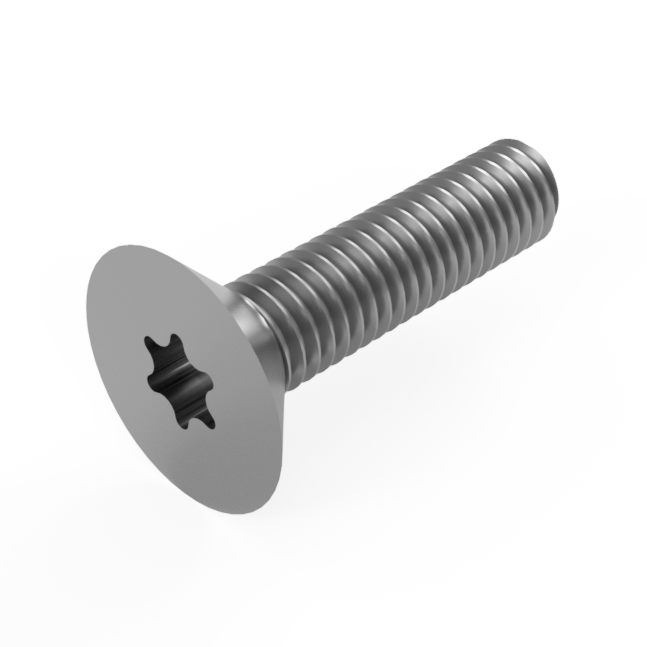
Torx Drive
Torx outperforms Pozi in nearly every category:
- No cam-out: The star-shaped design virtually eliminates slippage.
- Higher torque: Torx screws can be tightened more securely without damage.
- Longer tool life: The design reduces wear on both the screw and the driver bit.
- Precision: Ideal for electronics, automotive, and aerospace applications where accuracy matters.
Common Applications of Torx Screws
Torx screws are used across a wide range of industries due to their strength, reliability, and tamper resistance. Here are some common applications:

Automotive Industry
Used in engine components, brake systems, interior and dashboard assemblies, headlights and tail lights.
Electronics & Computing
Used in laptops, desktop computers, smartphones, tablets, game consoles, hard drives and SSDs.
Home & Furniture Assembly
Used in Flat-pack furniture, cabinet hardware, door handles, hinges and power tools.
Aerospace & Aviation
Used in aircraft panels and interior fittings, avionics equipment and maintenance access panels.
Medical Devices
Used in surgical instruments, diagnostic equipment and hospital bed assemblies.
Public Infastructure
Used in security fixtures in public restrooms, elevator panels, public seating and benches.
Appliances & White Goods
Used in washing machines, fridges, and cookers to reduce cam-out during assembly and deter casual tampering on exterior panels.
Bicycles & E-Bikes
Common on disc brake rotors and small hardware where consistent torque and a compact head are important.
Explore Related Products
If you require alternative materials or a wider selection of protective products, explore our related categories:
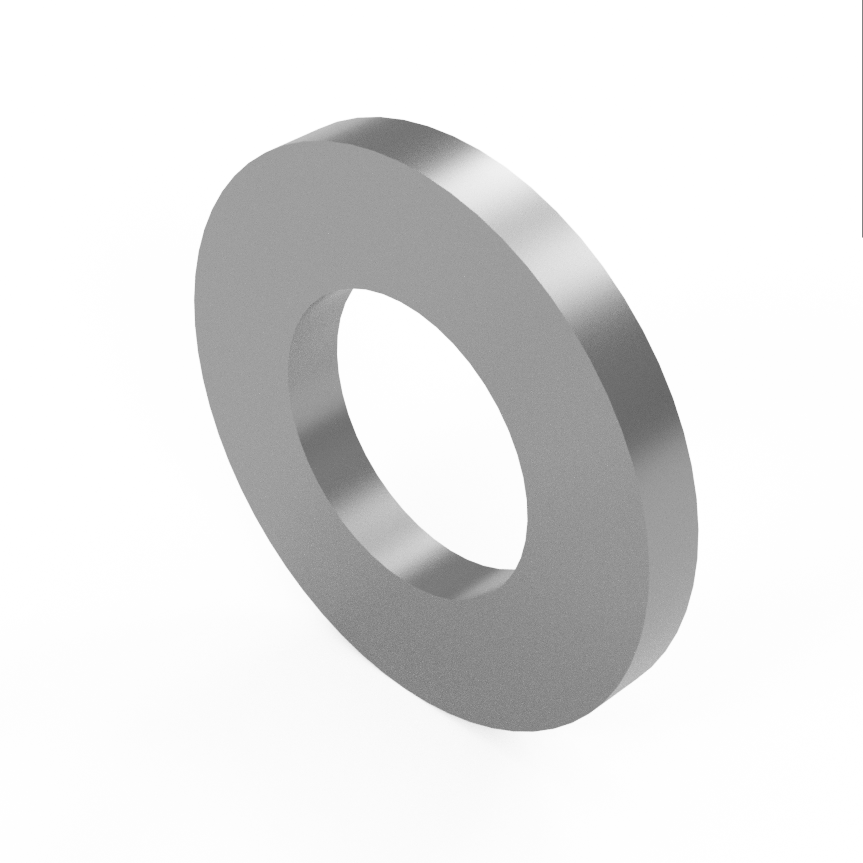

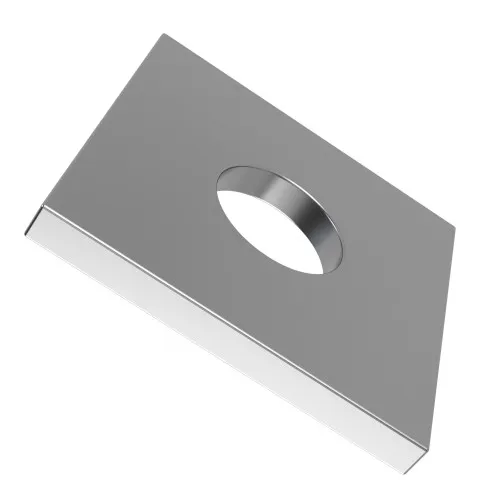
Form A Flat Washers DIN 125A
Our Stainless Steel Form A Flat Washers, or 2XD Washers as they are also known, are manufactured to DIN 125A from high performance stainless steel, which provides an excellent level of resistance and strength across medium to heavy loads.
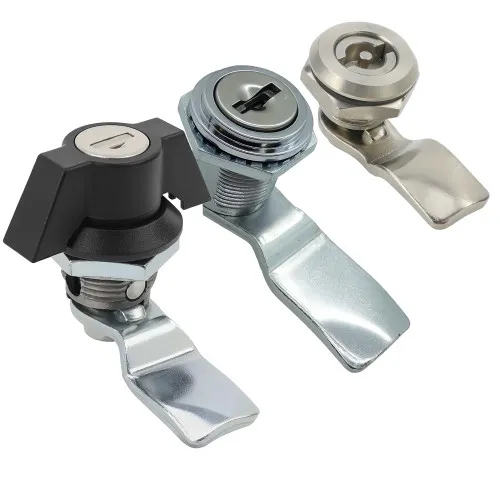
Camlocks
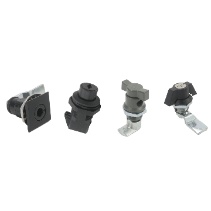
Camlocks, which are also known as Cam Locks or Cam Latches, are used to provide security in a range of applications such as cabinet doors, enclosure doors, drawers and lockers. hey are stocked in a range of different styles and feature different security types.
Thin Nyloc Lock Hex Nuts DIN 985
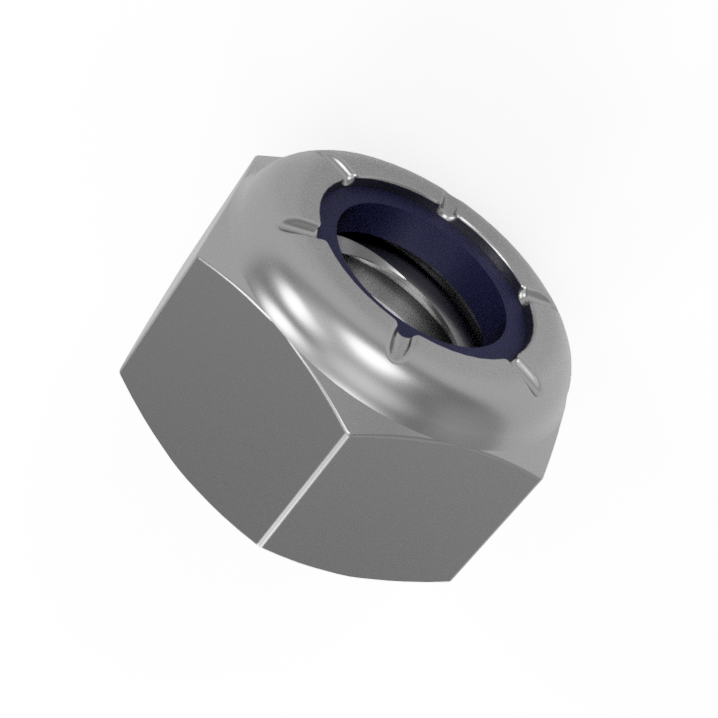
Our Thin Nyloc Hex Nuts, also known as T Type Nylon Locking Nuts or Thin Nyloc Nuts, are manufactured to DIN 985. The friction is caused by the nylon preveiling torque element in the nut,which results in axial and/or radial clamping in the bolted connection.
Frequently Asked Questions
Can we help?
Please get in touch if you would like to speak with a member of our Sales Team regarding standard or custom parts
CONTACT SALESRelated posts
-
 Stainless Steel Equivalent GradesCompare stainless steel grades and find the perfect match for your next project.Read more
 -
 Stainless Steel Fasteners: Tightening and Breaking TorquesUnderstanding the Limits: How to Properly Tighten Stainless Steel Fasteners Without Compromising Strength or...Read more
 -
Leave a comment