

































































Search all blogs
Latest posts
-
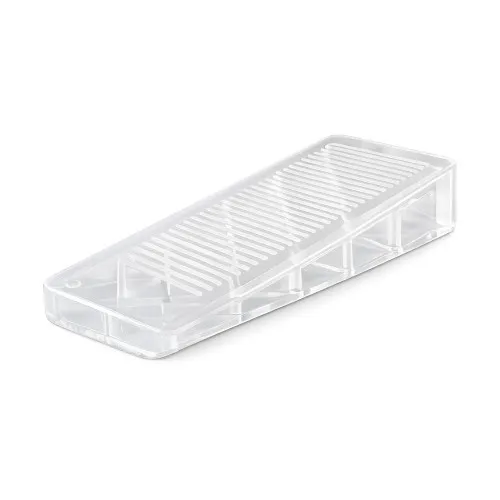
 Door Stoppers & Door Wedges19/09/2026Read more
Learn the difference between door stoppers and door wedges, how each type works and where they are commonly...
-
 Guide to Green Polyester Tape10/09/2026Read more
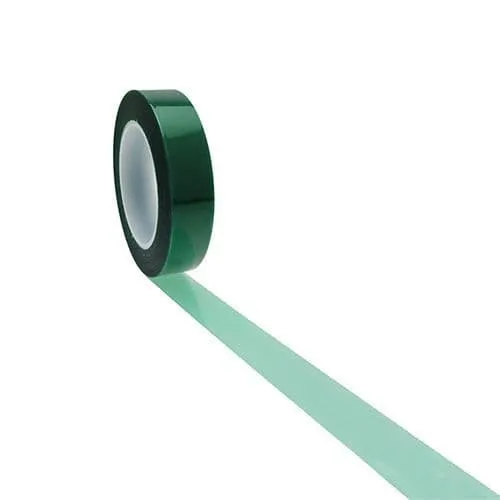
Explore our Green Polyester Tape range for high temperature masking with 80 stocked sizes, 40 widths and 25 or 80...
Stainless Steel Fasteners: Tightening and Breaking Torques
Stainless Steel Bolt Torque Settings
Understanding the correct tightening torques for stainless steel bolts is crucial for ensuring optimal fastener performance, safety, and longevity in your applications. This comprehensive guide provides essential torque settings for stainless steel bolts across all common metric sizes and grades.
Quick Torque Lookups
Common searches include:
- m12 bolt torque
- m16 torque setting
- m8 stud torque
Charts & Tables
If you are comparing sizes or building a spec sheet, you will often need a metric bolt roque table, a metric torque chart for bolts, or a bolt tightening torque chart to confirm consistent torque settings bolts across assemblies.
Important Reminder
Torque is a method to achieve preload. Friction changes everything, so always match your conditions (dry, lightly oiled, lubricated) to the correct coefficient and re-check your torque specification chart before you torque bolts on production builds.
Why Proper Stainless Steel Torque Settings Matter
Stainless steel fasteners are widely used in applications requiring high corrosion resistance, strength, and durability. However, achieving proper performance depends entirely on applying the correct stainless steel bolt torque specs during installation. Incorrect torque application can lead to:
- Fastener failure from over-tightening
- Joint loosening from under-tightening
- Reduced corrosion resistance
- Compromised structural integrity
Understanding Torque Fundamentals
Tightening torque is the rotational force required to achieve proper preload in a fastener. Preload is the tension that holds the fastener securely in place and prevents loosening under service loads. The correct torque depends on several factors including thread size, material grade, surface conditions, and the coefficient of friction between mating surfaces.
Breaking torque represents the maximum torque a fastener can withstand before failure occurs through shearing, stripping, or stretching. This value is typically much higher than the recommended tightening torque and indicates the ultimate strength limit of the fastener.
Fast Reference Examples (Most Requested)
If you only need a fast starting point before checking the full table below, these are the most frequently referenced sizes for torque values for bolts in UK fabrication and maintenance. Always confirm friction condition and property class:
| Size | What people search | Where it is used | Next step |
|---|---|---|---|
| M8 | m8 stud torque | Frames, brackets, machinery panels, general assemblies | Use the torque metric bolts chart below and match your friction coefficient |
| M12 | m12 bolt torque | Structural joints, heavy brackets, plant equipment | Confirm grade (A2-70 vs A4-80) then apply the right torque setting |
| M16 | m16 torque setting | High-load flanges, industrial fixtures, fabrication | Check lubrication state first; then select the correct torque row |
Stainless Steel Grades Explained: Property Class Numbers
Stainless steel fastener grades use a two-part designation system that indicates both material composition and strength properties:
Understanding the Dash Numbers
- A1-50: The "50" indicates a minimum tensile strength of 500 N/mm² (50 kgf/mm²). This is an austenitic stainless steel similar to 303 grade.
- A2-70: The "70" indicates a minimum tensile strength of 700 N/mm² (70 kgf/mm²). This corresponds to 304/316 grade stainless steel.
- A4-80: The "80" indicates a minimum tensile strength of 800 N/mm² (80 kgf/mm²). This is a higher strength austenitic grade with enhanced corrosion resistance.
Higher numbers indicate greater strength but may come with trade-offs in ductility and corrosion resistance depending on the specific application.
What is Bumax and How Does it Compare?
Bumax is a super-austenitic stainless steel alloy developed for extreme environments requiring both exceptional strength and superior corrosion resistance. Unlike standard stainless steel grades:
- Strength: Bumax offers significantly higher tensile strength (up to 1000+ N/mm²) compared to standard A2-70 or A4-80 grades
- Corrosion Resistance: Superior performance in seawater, chloride environments, and acidic conditions
- Temperature Performance: Maintains properties across wider temperature ranges
- Trade-offs: Higher cost and limited availability compared to standard grades
The key trade-off between standard stainless steel and Bumax is cost versus performance - while Bumax offers superior properties, standard grades like A2-70 provide excellent performance for most applications at a more economical price point.
Complete Torque Values for Stainless Steel Bolts - Metric Sizes
The following table provides comprehensive torque values for stainless steel bolts metric sizes from M1.6 to M39. Values are given for three coefficient of friction levels to account for different surface conditions and lubrication states. This section effectively functions as a metric torque chart for bolts and a practical torque specification chart for installers who need repeatable torque settings bolts.
| Thread Size | Coeff Friction | Preload (Kn) Property class | Tightening Torque (Nm) Property class | Min Breaking Torque | ||||||
|---|---|---|---|---|---|---|---|---|---|---|
| A1-50 | A2-70 | A4-80 | A1-50 | A2-70 | A4-80 | A1-50 | A2-70 | A4-80 | ||
| M1.6 | 0.1 | 0.4 | 0.55 | 0.55 | 0.1 | 0.1 | 0.2 | 0.15 | 0.2 | 0.24 |
| 0.2 | 0.3 | 0.35 | 0.35 | 0.1 | 0.2 | 0.35 | ||||
| 0.3 | 0.2 | 0.3 | 0.3 | 0.2 | 0.25 | 0.45 | ||||
| M2.0 | 0.1 | 0.5 | 0.6 | 0.6 | 0.15 | 0.2 | 0.3 | 0.3 | 0.4 | 0.48 |
| 0.2 | 0.4 | 0.5 | 0.5 | 0.25 | 0.3 | 0.4 | ||||
| 0.3 | 0.25 | 0.36 | 0.36 | 0.4 | 0.4 | 0.55 | ||||
| M2.5 | 0.1 | 0.65 | 0.9 | 0.9 | 0.25 | 0.45 | 0.6 | 0.6 | 0.9 | 0.96 |
| 0.2 | 0.4 | 0.5 | 0.5 | 0.45 | 0.6 | 0.65 | ||||
| 0.3 | 0.3 | 0.3 | 0.3 | 0.6 | 0.75 | 0.8 | ||||
| M3 | 0.1 | 0.9 | 1 | 1 | 0.85 | 1 | 1.3 | 1.1 | 1.6 | 1.8 |
| 0.2 | 0.6 | 0.65 | 0.65 | 1 | 1.1 | 1.6 | ||||
| 0.3 | 0.4 | 0.45 | 0.45 | 1.25 | 1.35 | 1.85 | ||||
| M4 | 0.1 | 1.08 | 2.97 | 2.97 | 0.8 | 1.7 | 2.3 | 2.7 | 3.8 | 4.3 |
| 0.2 | 1.12 | 2.4 | 2.4 | 1.3 | 2.6 | 3.5 | ||||
| 0.3 | 0.9 | 1.94 | 1.94 | 1.5 | 3 | 4.1 | ||||
| M5 | 0.1 | 2.26 | 4.85 | 4.85 | 1.6 | 3.4 | 4.6 | 5.5 | 7.8 | 8.8 |
| 0.2 | 1.83 | 3.93 | 3.93 | 2.4 | 5.1 | 6.9 | ||||
| 0.3 | 1.49 | 3.19 | 3.19 | 2.8 | 6.1 | 8 | ||||
| M6 | 0.1 | 3.2 | 6.85 | 6.85 | 2.8 | 5.9 | 8 | 9.3 | 13 | 15 |
| 0.2 | 2.59 | 5.54 | 5.54 | 4.1 | 8.8 | 11.8 | ||||
| 0.3 | 2.09 | 4.49 | 4.49 | 4.8 | 10.4 | 13.9 | ||||
| M8 | 0.1 | 5.86 | 12.6 | 12.6 | 6.8 | 14.5 | 19.3 | 23 | 32 | 37 |
| 0.2 | 4.75 | 10.2 | 10.2 | 10.1 | 21.4 | 28.7 | ||||
| 0.3 | 3.85 | 8.85 | 8.85 | 11.9 | 25.5 | 33.9 | ||||
| M10 | 0.1 | 9.32 | 20 | 20 | 13.7 | 30 | 39.4 | 46 | 65 | 74 |
| 0.2 | 7.58 | 16.2 | 16.2 | 20.3 | 44 | 58 | ||||
| 0.3 | 6.14 | 13.1 | 13.1 | 24 | 51 | 69 | ||||
| M12 | 0.1 | 13.6 | 29.1 | 29.1 | 23.6 | 50 | 67 | 80 | 110 | 130 |
| 0.2 | 11.1 | 23.7 | 23.7 | 34.8 | 74 | 100 | ||||
| 0.3 | 9 | 19.2 | 19.2 | 41 | 88 | 117 | ||||
| M14 | 0.1 | 18.7 | 40.6 | 53.3 | 37.1 | 79 | 106 | 210 | 290 | 330 |
| 0.2 | 15.2 | 32.6 | 32.6 | 56 | 119 | 159 | ||||
| 0.3 | 12.3 | 26.4 | 26.4 | 66 | 141 | 188 | ||||
| M16 | 0.1 | 25.7 | 55 | 73.3 | 56 | 121 | 161 | |||
| 0.2 | 23.2 | 49.9 | 66.6 | 93.1 | 199.6 | 266.1 | ||||
| 0.3 | 19.8 | 42.4 | 56.5 | 115.3 | 247.1 | 329.5 | ||||
| M18 | 0.1 | 32.2 | 69 | 92 | 81 | 174 | 232 | |||
| 0.2 | 28.3 | 60.7 | 80.9 | 129.1 | 276.7 | 369 | ||||
| 0.3 | 24 | 51.4 | 68.5 | 159.2 | 247.1 | 329.5 | ||||
| M20 | 0.1 | 41.3 | 88.6 | 118.1 | 114 | 224 | 325 | |||
| 0.2 | 36.4 | 78 | 104 | 182.4 | 390.9 | 521.2 | ||||
| 0.3 | 30.9 | 66.2 | 88.2 | 226 | 484.3 | 645.7 | ||||
| M22 | 0.1 | 50 | 107 | 143 | 148 | 318 | 424 | |||
| 0.2 | 45.5 | 97.4 | 129.9 | 247 | 529.3 | 705.7 | ||||
| 0.3 | 38.6 | 82.8 | 110.4 | 307.2 | 658.3 | 877.8 | ||||
| M24 | 0.1 | 58 | 142 | 165 | 187 | 400 | 534 | |||
| 0.2 | 52 | 112 | 150 | 314 | 674 | 898 | ||||
| 0.3 | 45 | 95 | 127 | 389 | 835 | 1113 | ||||
| M27 | 0.1 | 80 | 170 | 289 | 619 | |||||
| 0.2 | 69 | 148 | 468 | 1003 | ||||||
| 0.3 | 59 | 126 | 583 | 1249 | ||||||
| M30 | 0.1 | 97 | 208 | 394 | 843 | |||||
| 0.2 | 71 | 153 | 635 | 1360 | ||||||
| 0.3 | 59 | 126 | 789 | 1691 | ||||||
| M33 | 0.1 | 121 | 531 | 506 | ||||||
| 0.2 | 105 | 864 | ||||||||
| 0.3 | 89 | 1079 | ||||||||
| M36 | 0.1 | 142 | 684 | 651 | ||||||
| 0.2 | 123 | 1108 | ||||||||
| 0.3 | 105 | 1380 | ||||||||
| M39 | 0.1 | 170 | 883 | 842 | ||||||
| 0.2 | 148 | 1441 | ||||||||
| 0.3 | 126 | 1802 | ||||||||
Understanding Preload in Fastener Applications
Preload is the clamping force generated when a fastener is tightened, creating tension within the bolt and compression in the clamped materials. This prestress is crucial for:
- Joint Reliability: Maintains constant clamping force under varying loads
- Fatigue Resistance: Reduces stress variations that can cause failure
- Vibration Resistance: Prevents loosening in dynamic applications
- Sealing: Maintains consistent pressure in gasketed joints
Proper preload is achieved by applying the correct tightening torque, which must account for friction in the threads and under the fastener head. The coefficient of friction values in our torque table (0.1, 0.2, 0.3) represent different surface conditions from well-lubricated to dry conditions.
Factors Affecting Stainless Steel Torque Requirements
Coefficient of Friction (Dry vs Lubricated)
The friction coefficient significantly impacts required torque values. Use our Coefficients of Friction reference table to determine appropriate values for your specific application conditions.
- Clean, dry surfaces: Higher friction coefficient (0.3)
- Lightly oiled surfaces: Medium friction coefficient (0.2)
- Well-lubricated surfaces: Lower friction coefficient (0.1)
Stainless Thread Behaviour (Galling) & Repeatability
Stainless steel can be prone to galling (thread seizure) under higher friction or rapid installation. If you are building a repeatable torque metric bolts chart for production, consistency matters as much as the number on the wrench.
- Use a steady tightening speed and avoid impact tools on stainless where possible
- Match lubrication state to the coefficient used in your chart
- Use washers where appropriate to stabilise under-head friction
Environmental Considerations (Temperature, Corrosion, Relaxation)
- Temperature effects on material properties
- Corrosive environment impact on surface conditions
- Galvanic compatibility with mating materials
- Long-term relaxation and creep effects
Best Practices for Stainless Steel Fastener Installation
Torque Application Guidelines
- Use calibrated torque tools appropriate for the size range
- Apply torque gradually and evenly in multiple stages
- Follow proper tightening sequences for multi-fastener joints
- Consider retorquing after initial loading for critical applications
Quality Control Measures
- Regular calibration of torque tools
- Documentation of torque values applied
- Visual inspection for signs of over-torquing
- Periodic re-tensioning in service as required
Building a Shop-Floor Torque Chart
For workshops and fabrication bays, it is common to print a metric torque chart for bolts or a torque specification chart so teams can apply consistent torque values for bolts across multiple jobs.
- State the assumed friction (0.1 / 0.2 / 0.3) clearly on the sheet
- Include grade (A1-50, A2-70, A4-80) next to each size
- Label it plainly as a torque metric bolts chart so it is not confused with proof load
Frequently Asked Questions
Related Products and Services
At Vital Parts, we supply a comprehensive range of stainless steel fasteners in all standard grades and sizes. Our technical team can assist with fastener selection, torque specifications, and application-specific requirements.
Conclusion
Proper application of tightening torques for stainless steel bolts is essential for achieving reliable, long-lasting fastened joints. By following the guidelines and using the comprehensive torque values for stainless steel bolts metric data provided in this guide, you can ensure optimal performance in your applications.
Remember that these values are guidelines based on standard conditions. Always consider your specific application requirements, environmental conditions, and safety factors when determining final torque specifications.
Related posts
-
 Stainless Steel Equivalent GradesCompare stainless steel grades and find the perfect match for your next project.Read more
 -
-
 The Complete Guide to Hexagonal Bolts and Hex Head Bolt TypesYour Go-To Fasteners for Strength and VersatilityRead more
Leave a comment