


































































Search all blogs
Latest posts
-
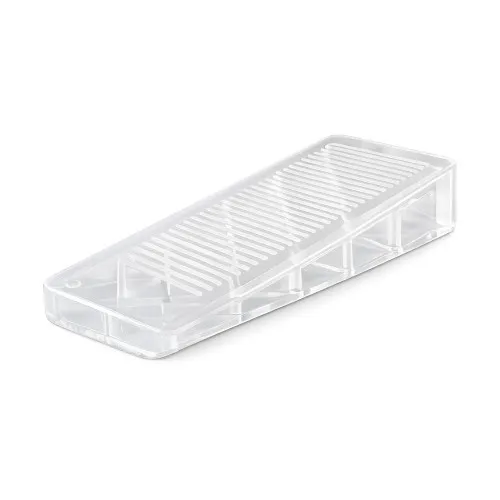
 Door Stoppers & Door Wedges19/09/2026Read more
Learn the difference between door stoppers and door wedges, how each type works and where they are commonly...
-
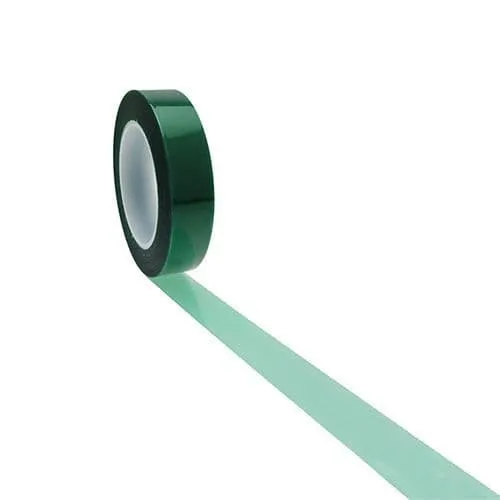
 Guide to Green Polyester Tape10/09/2026Read more
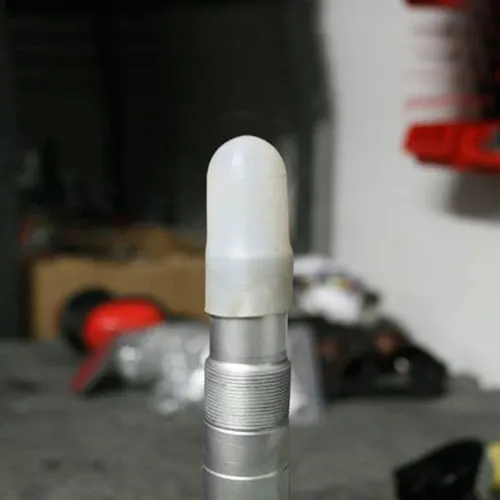
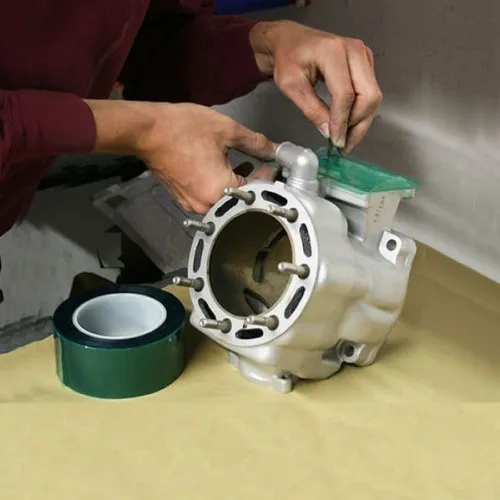
Explore our Green Polyester Tape range for high temperature masking with 80 stocked sizes, 40 widths and 25 or 80...
Self Tapping Screws
Self Tapping Screws Explained: Types, Uses and Sizes
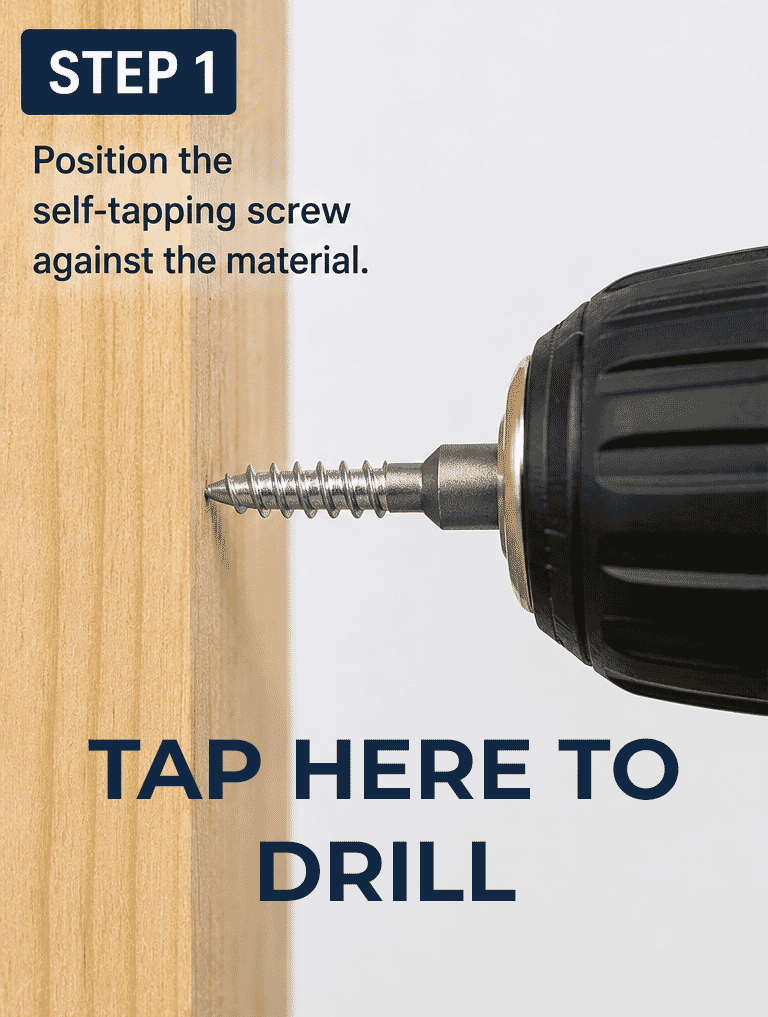
Self tapping screws are threaded fasteners designed to cut or form their own threads during installation, creating a secure and reliable fixing without the need for pre-threaded holes. These sheet metal screws are suitable for use in metal, plastic and wood, and are widely used across UK industries including construction, manufacturing, maintenance and equipment assembly, offering efficient installation, strong holding performance and ease of use.
Types of self tapping screws
We stock a wide range of head types and styles to suit different applications.
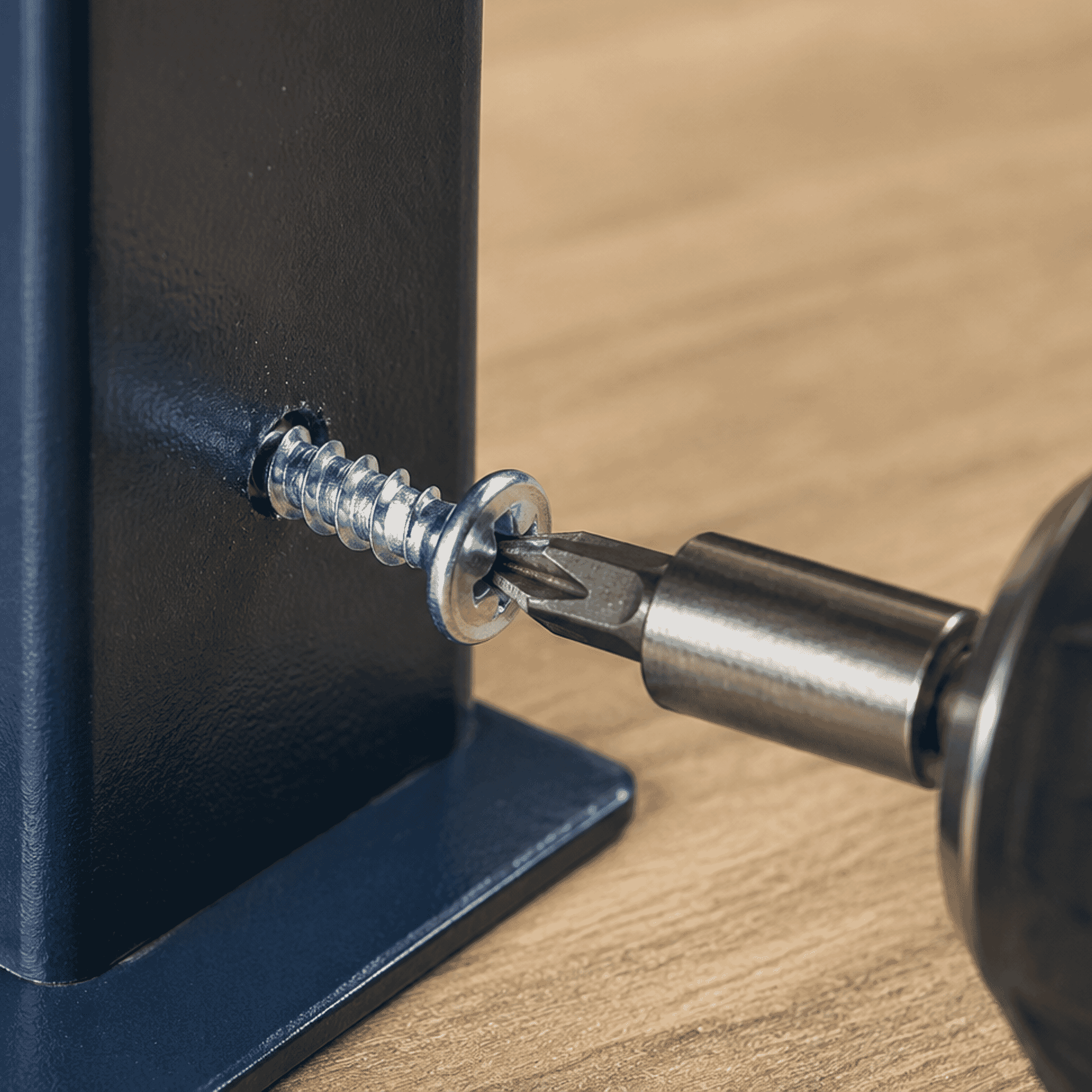
Shop Self Tapping Screws by Head Type & Material
We supply a huge range of self tapping screws, including pan head, countersunk, hex head, stainless steel and zinc plated options to suit all applications.

Flanged Self Tapping Screws
Perfect for distributing load and providing a flush finish in sheet metal and plastic applications.
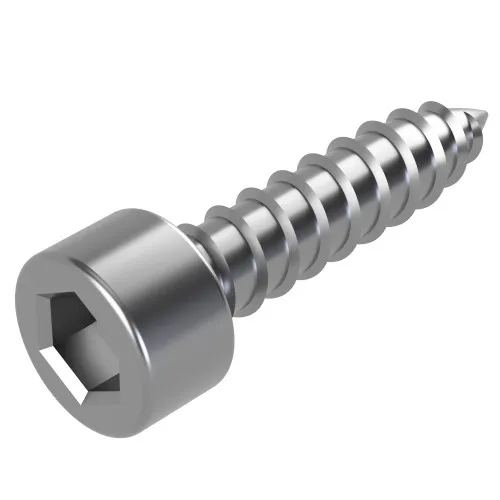
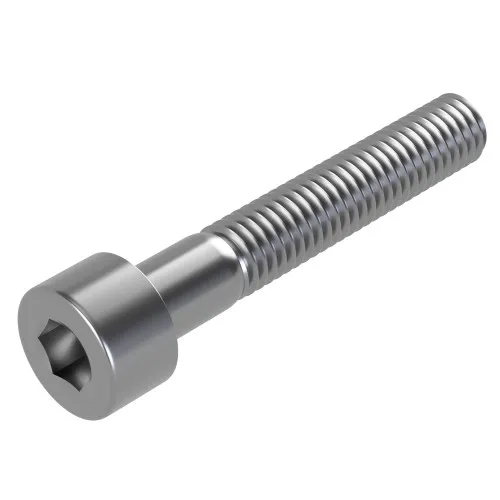
Socket Cap Head Self Tapping Screws
Ideal for applications requiring a clean modern look with strong mechanical performance.
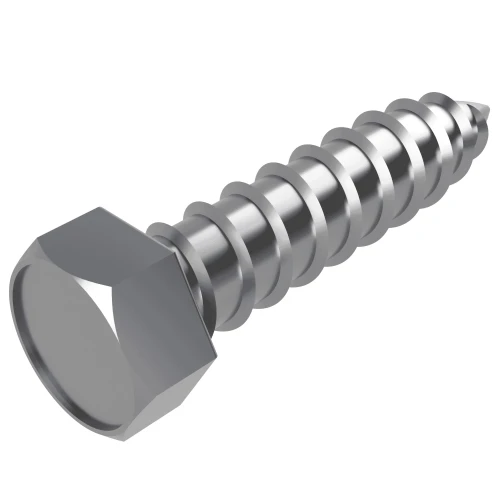
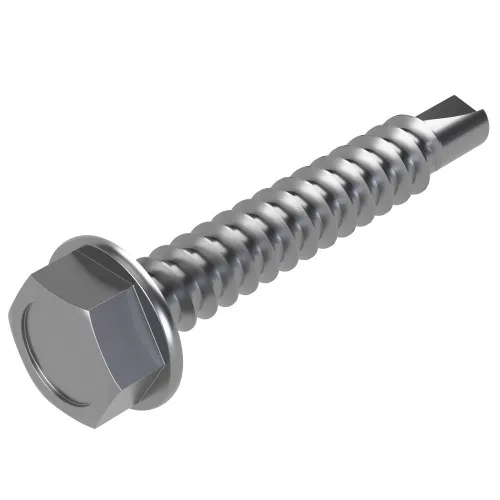
Hex Head Self Tapping Screws
Designed for high-torque fastening with easy installation using standard tools.

Flanged Hex Head Self Tapping Screws
Combines high torque performance with a flanged head for improved load distribution.
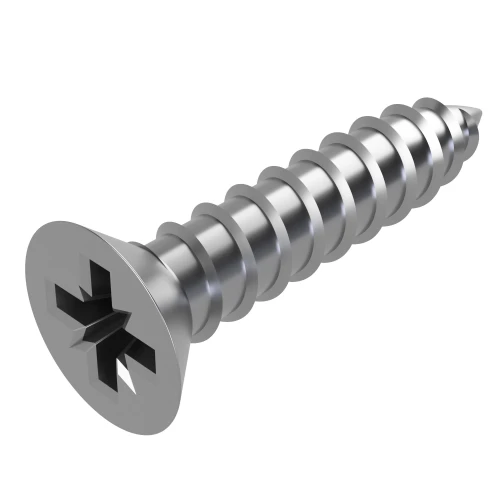
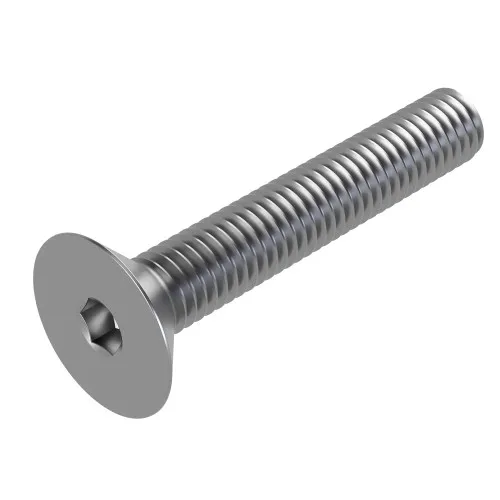
Countersunk Self Tapping Screws
Provides a smooth flush surface finish for neat and professional installations.

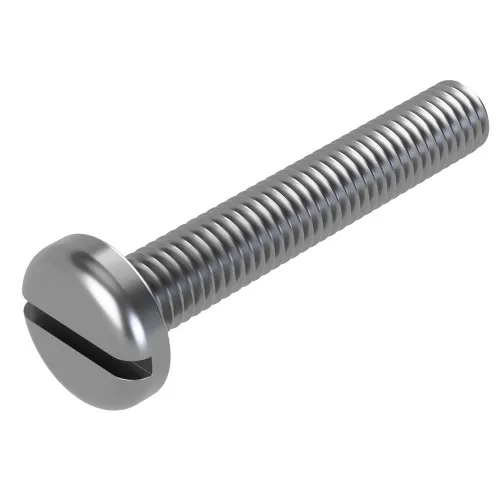
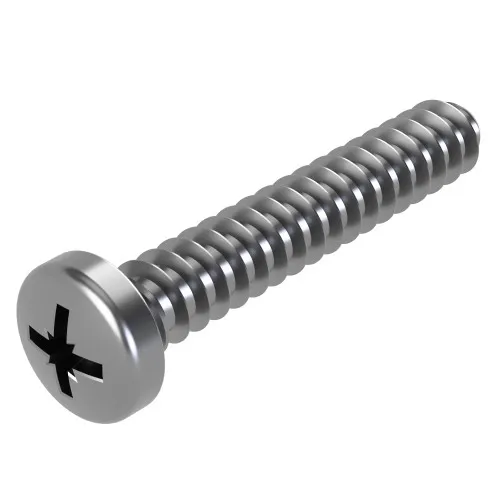
Pan Head Self Tapping Screws
Versatile and widely used for general-purpose fastening with a rounded low-profile head.
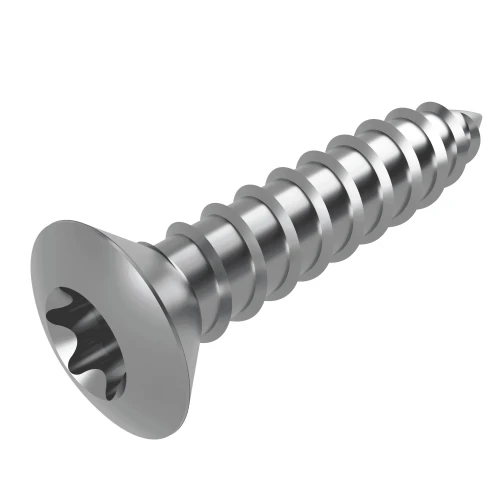
Raised Countersunk Self Tapping Screws
Combines flush fitting with a slightly raised head for added grip and visibility.
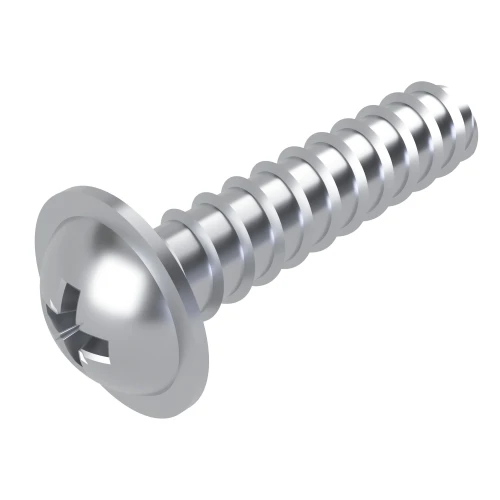
Flanged Self Tapping Screws
Designed for softer materials where a broader bearing surface and secure thread engagement are needed.
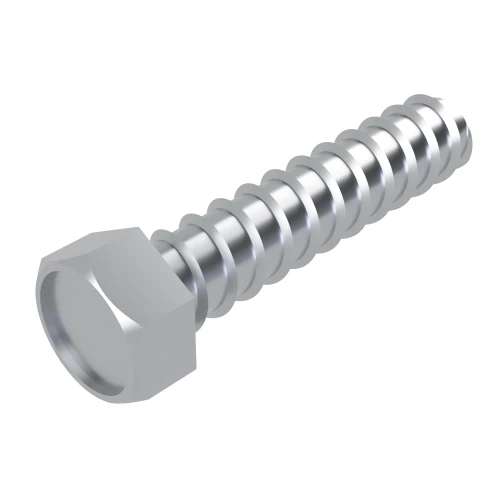
Hex Head Self Tapping Screws
A strong fastening option for softer substrates where torque and thread hold are important.
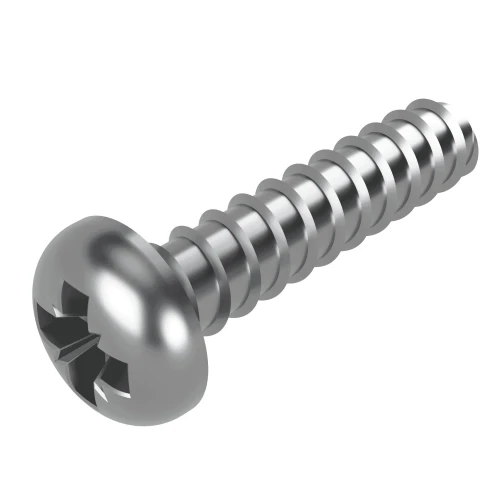
Pan Head Self Tapping Screws
Offers excellent thread engagement in softer materials, with a broad head for increased surface contact.
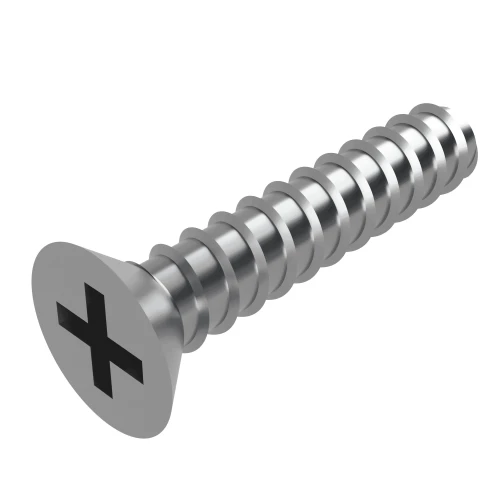
Countersunk Self Tapping Screws
Designed for deeper thread penetration and flush mounting in wood and plastic substrates.
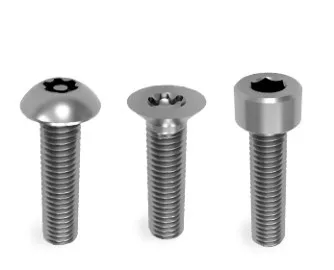
Bolts and Screws
View our whole range of bolts and screws for all applications.
Available Materials
Our Self Tapping Security Fasteners
Our self tapping security fasteners are designed for installations where added tamper resistance is important. These screws provide the same reliable thread-forming performance as standard self tapping screws, while helping to reduce unauthorised removal in panels, housings, enclosures and public-facing fixtures.
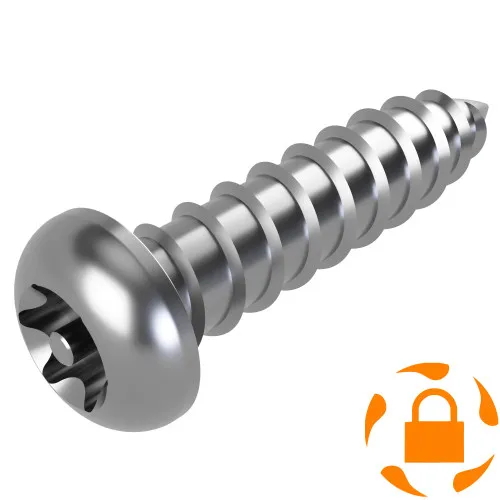
Security Button Head Self Tapping Screws
Ideal where a rounded visible head and tamper resistance are required.
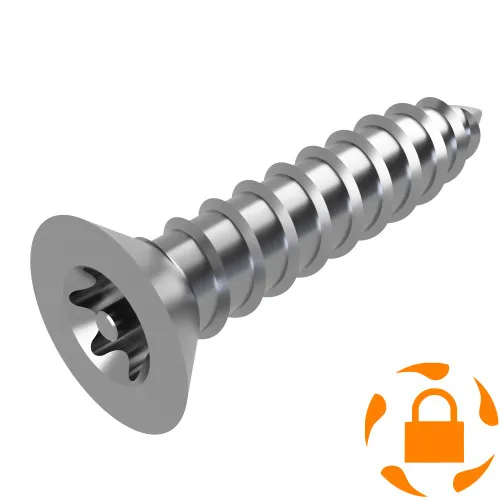
Security Countersunk Self Tapping Screws
Designed for flush fitting applications where a neat finish and added security are important.

Security Pan Head Self Tapping Screws
A practical option for secure surface fixing where the head remains visible.
Common Uses for Self Tapping Screws
Sheet Metal Fabrication
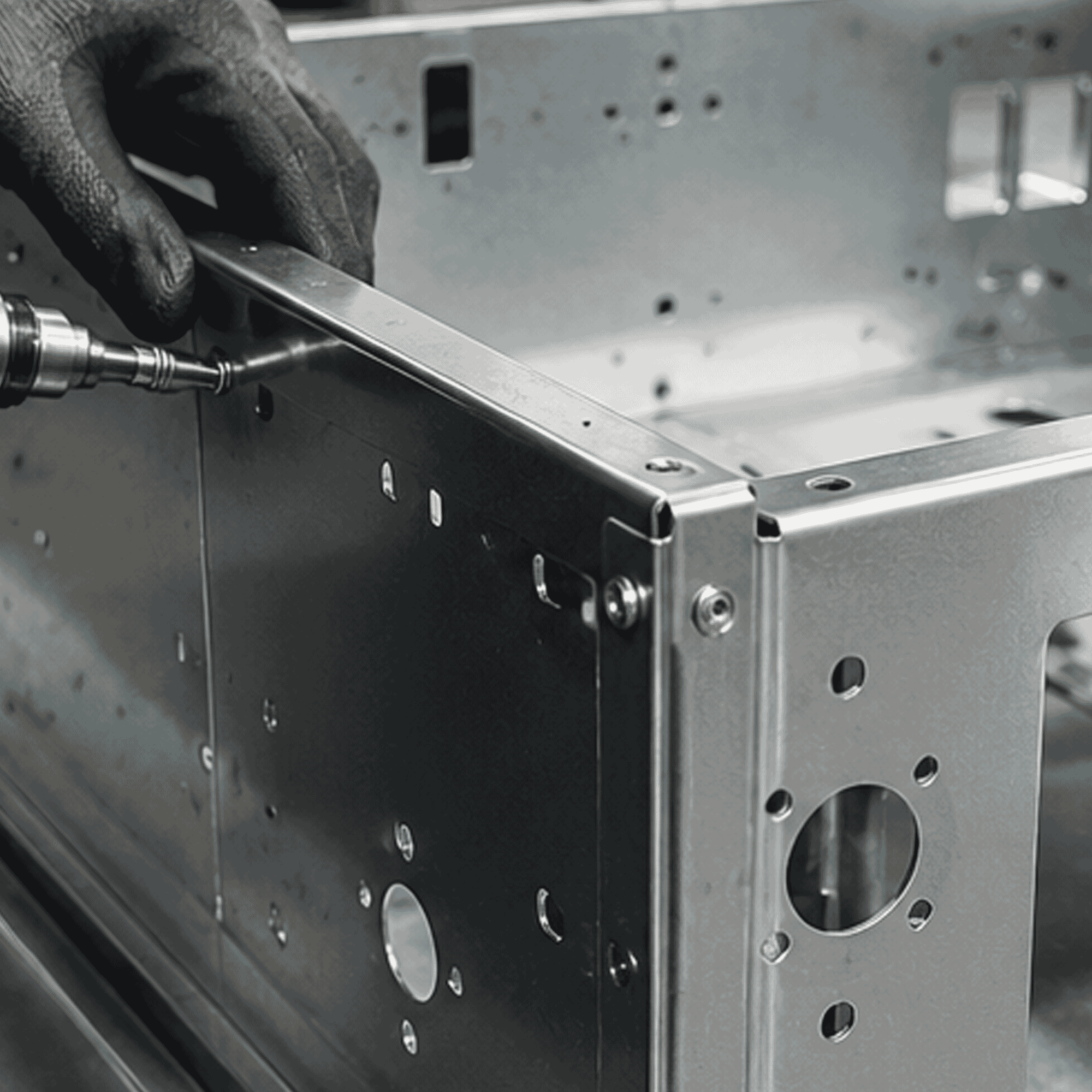
Self tapping screws are widely used in sheet metal work to join panels and components without the need for nuts or pre-threaded holes, making them a fast and efficient choice for fabrication and assembly.
Plastic Housings and Enclosures
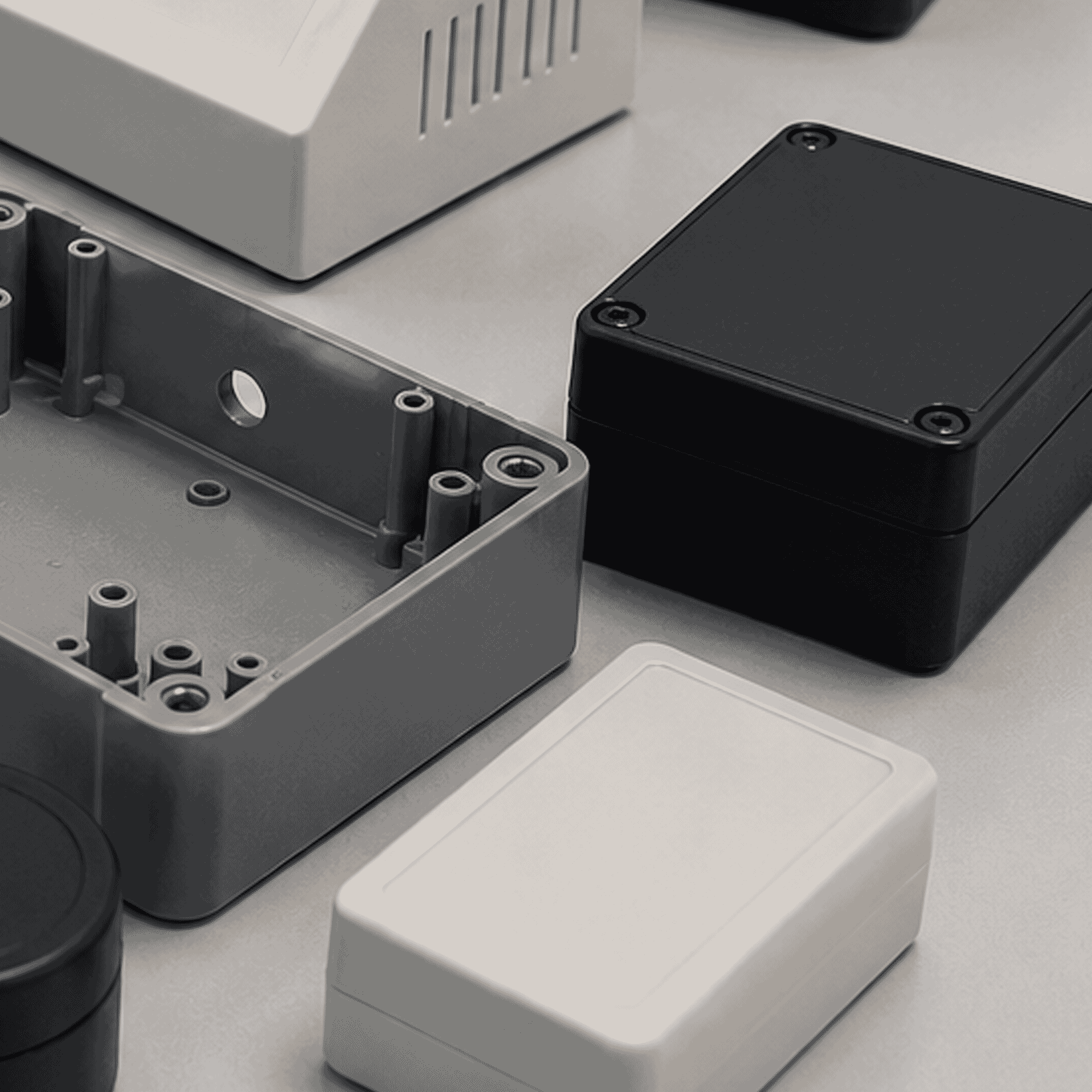
Type AB self tapping screws are ideal for securing plastic housings, electrical enclosures and junction boxes where the screw forms its own thread cleanly without cracking the material.
Automotive and Vehicle Bodywork
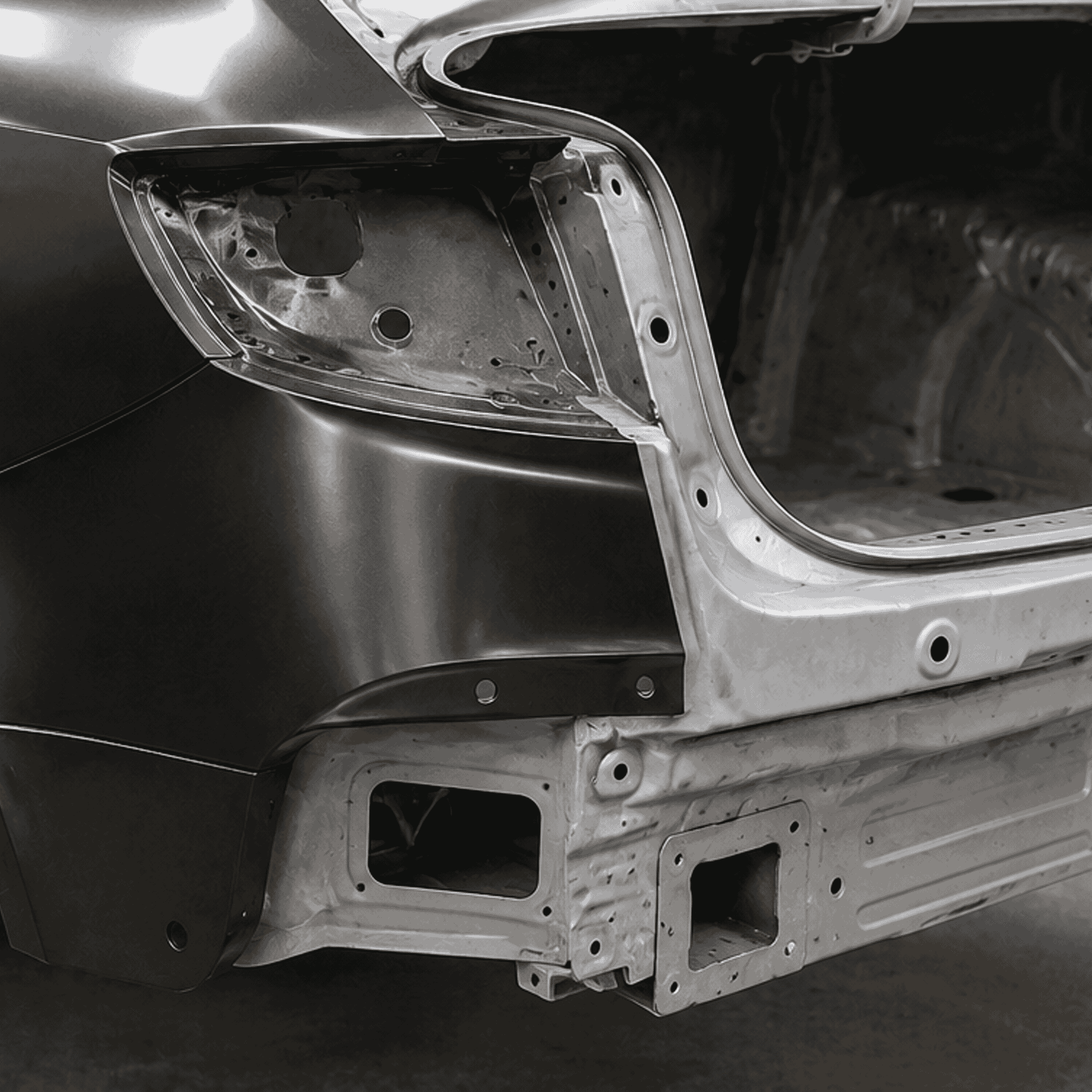
Hex head and flanged self tapping screws are commonly used in automotive applications including body panels, trim, brackets and under-bonnet components where high torque and reliable thread hold are essential.
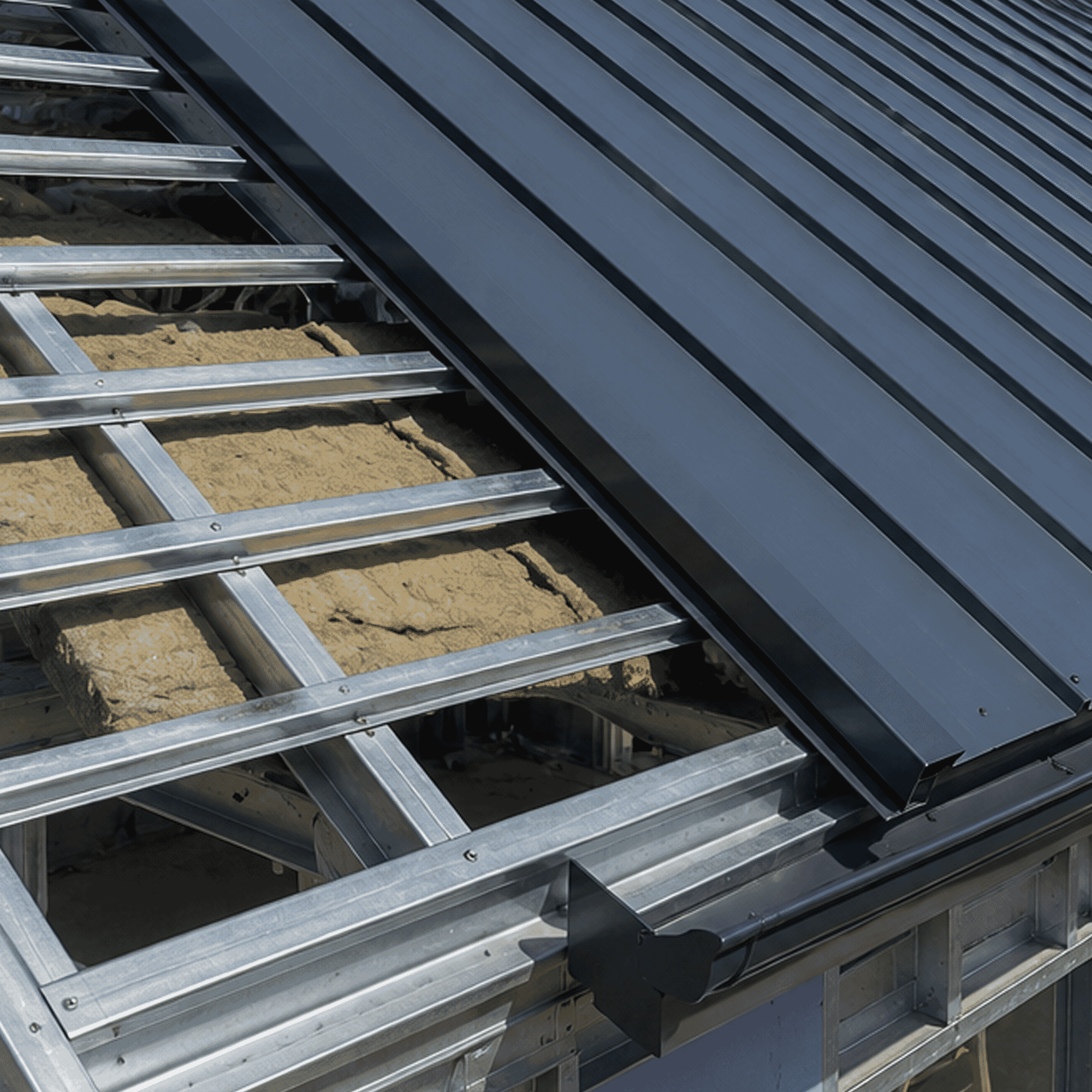
Construction and Roofing
Self tapping screws are widely used in construction for fixing cladding, roofing sheets, steel framing and lightweight structural elements where quick installation and strong thread engagement are required.
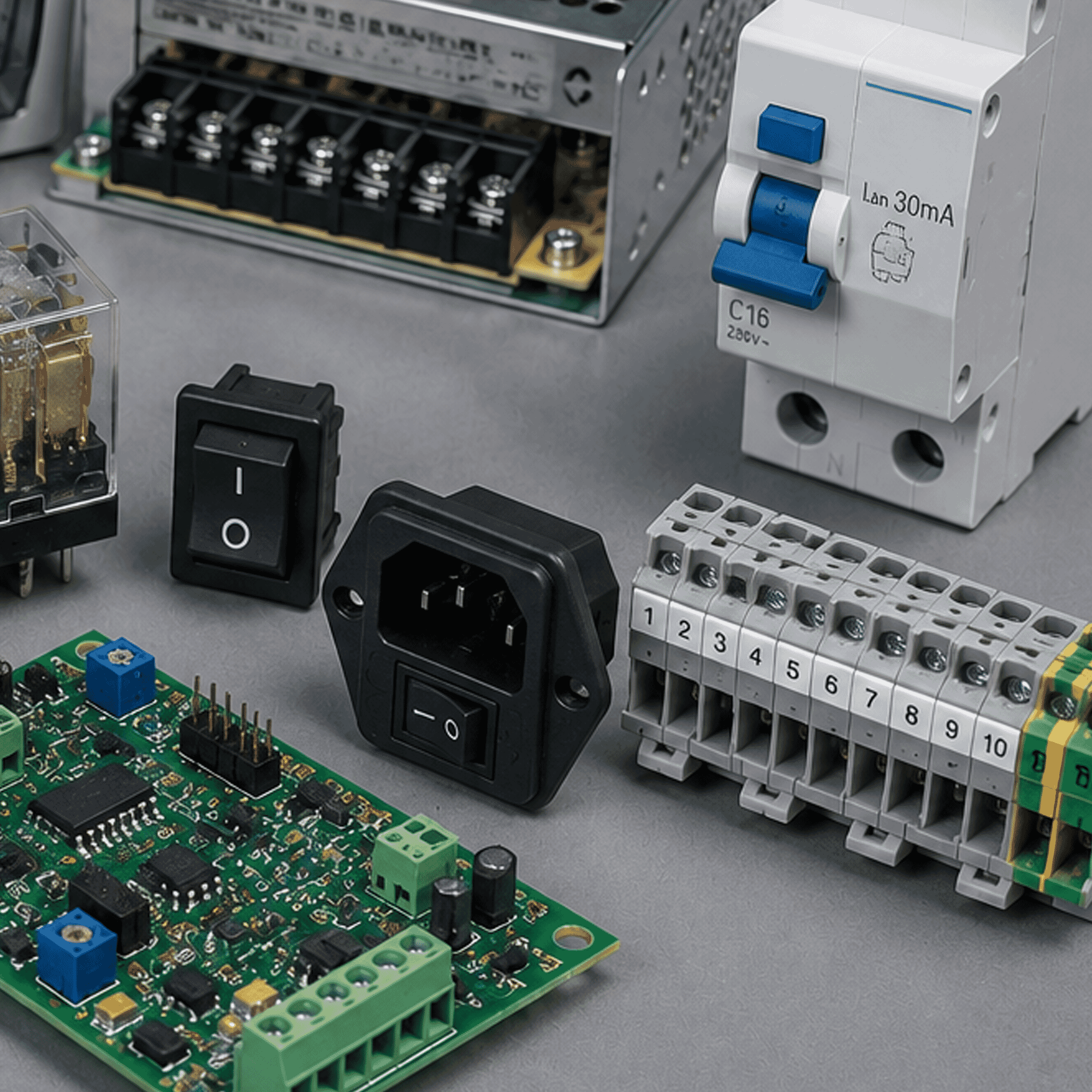
Electronics and Electrical Equipment
Fine thread self tapping screws are used throughout electronics manufacturing to secure PCB housings, control panels, terminal boxes and electrical components where precision and a clean finish are important.
How to Choose the Right Self Tapping Screw
Material Thickness
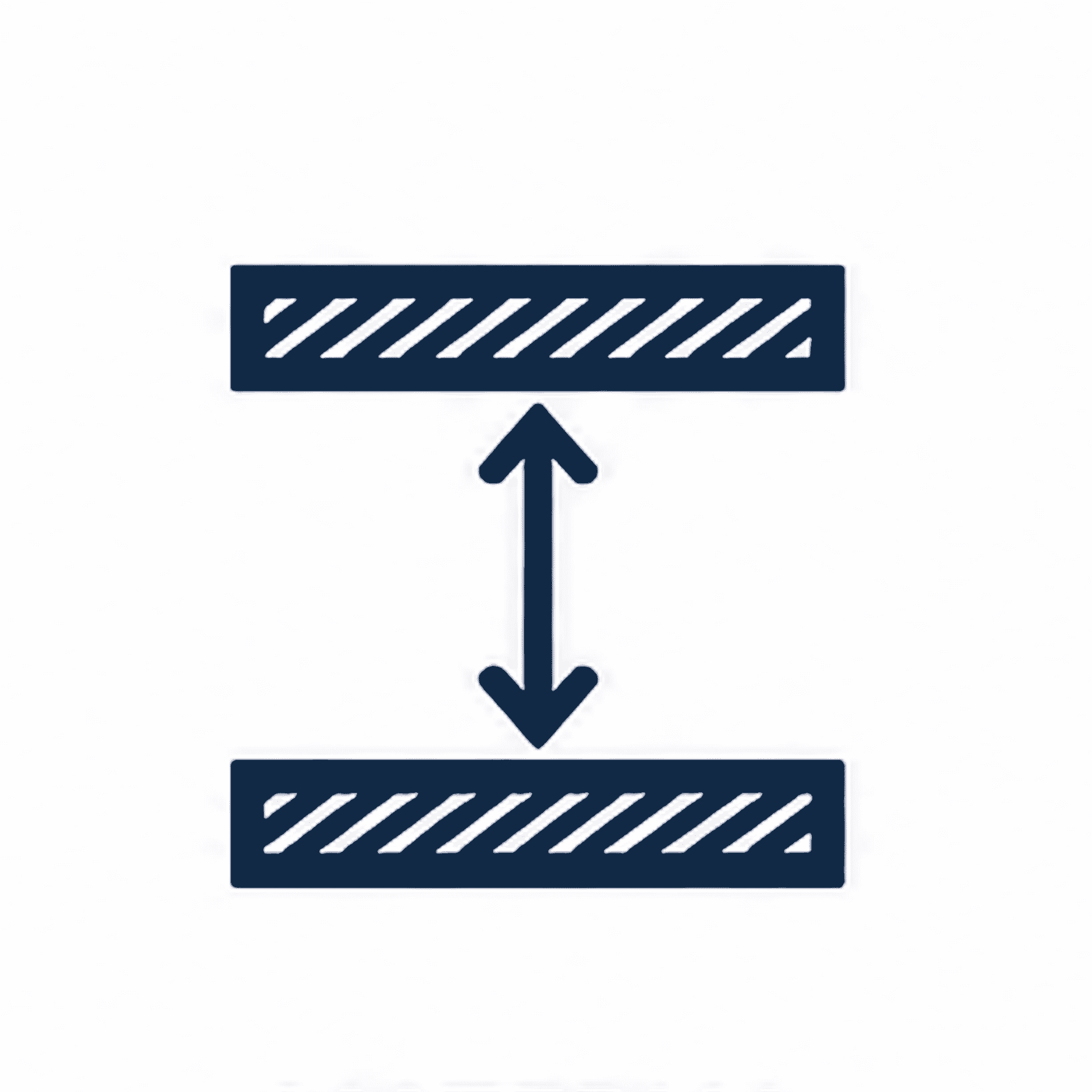
Thinner materials such as sheet metal and light gauge steel require finer threads for clean engagement, while thicker or denser materials benefit from coarser threads and a longer screw length for maximum hold.

Head Style
Choose countersunk for a flush finish, pan head for general surface fixing, flanged for improved load distribution, or hex head where high torque installation with a spanner or socket is required.

Drive Type
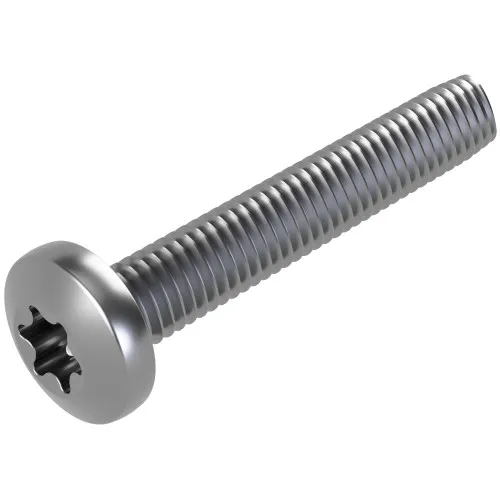
Pozi and Phillips drives suit general assembly, Torx provides better torque transfer with less cam-out, and socket cap heads are ideal where a clean recessed fixing is needed in tight or visible spaces.

Corrosion Resistance
For outdoor, coastal or wet environments choose A2 or A4 stainless steel. BZP steel is suitable for indoor dry applications. Consider the environment carefully as the wrong material can lead to corrosion and joint failure over time.
Pilot Hole Requirements
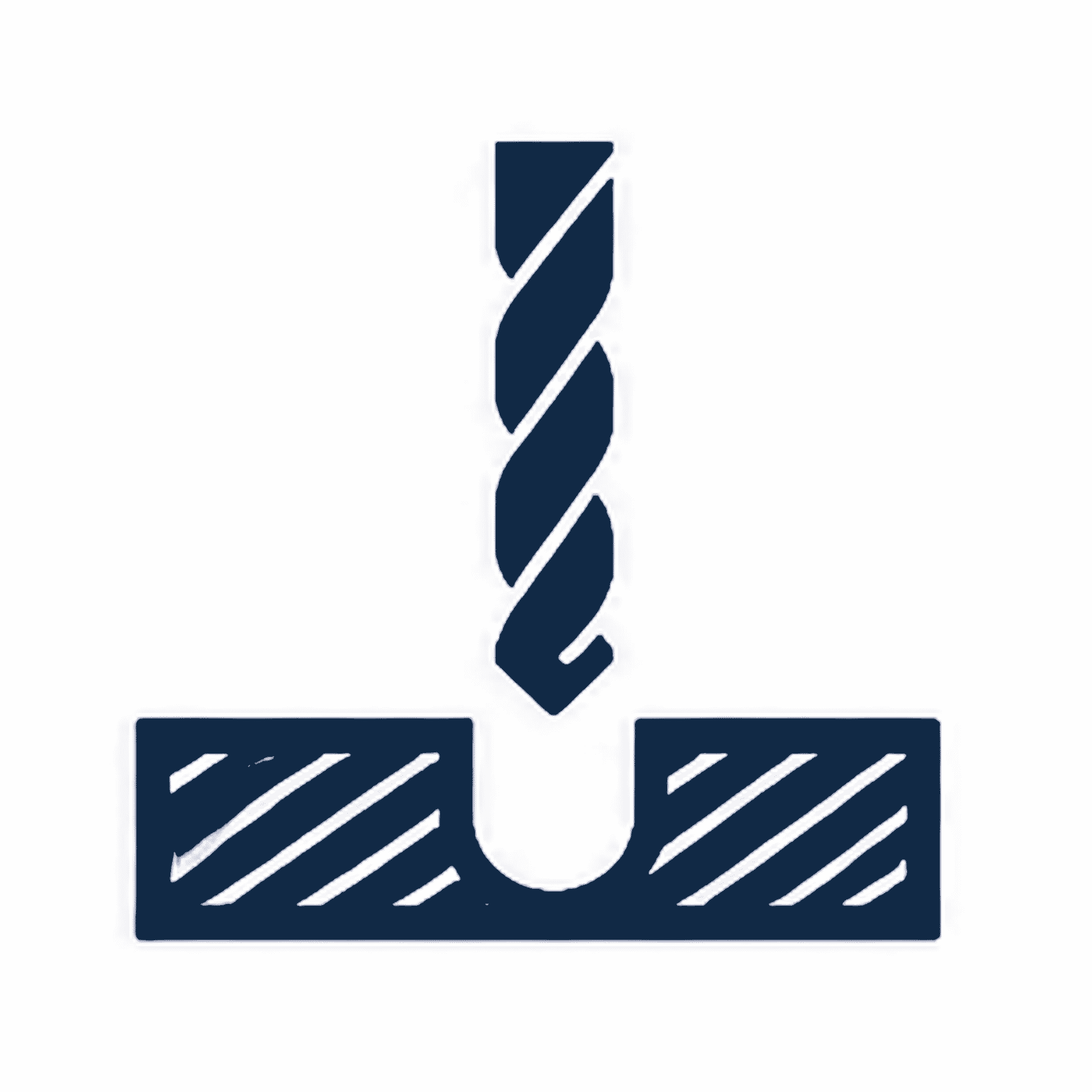
Always use a pilot hole slightly smaller than the screw diameter to guide the screw and prevent splitting or cracking, particularly in plastic and thin sheet metal. Refer to the pilot hole guide below for recommended sizes.
Type B vs Type AB Screws
Type B: Blunt tip and coarse thread, ideal for plastics, wood and thin materials.
Type AB: Combines pointed tip with fine thread for easier insertion and improved hold across mixed materials.
Pilot Hole Guide for Self Tapping Screws
Choosing the correct pilot hole size is essential when installing self tapping screws, helping to ensure secure fastening and reduce material damage. Use the drill size guide below to find the correct pilot hole for self tapping screws based on screw size.
| Screw Size | Drill Size for Self Tapping Screws |
|---|---|
| #2 | 1.6–1.9mm |
| #4 | 2.2–2.6mm |
| #6 | 2.6–3.2mm |
| #8 | 3.1–3.8mm |
| #10 | 3.6–4.5mm |
| #12 | 4.2–5.1mm |
| #14 | 4.9–6.0mm |
Frequently Asked Questions
Need Help Choosing?
If you need help selecting the right self tapping screw for your application, contact our team on 01233 713581.
Related posts
-
 The Complete Guide to Wing nutsEverything you need to know about wing nuts: uses, types, and expert tips for every project.Read more
 -
 Stainless Steel Equivalent GradesCompare stainless steel grades and find the perfect match for your next project.Read more
 -
 Stainless Steel Fasteners: Tightening and Breaking TorquesUnderstanding the Limits: How to Properly Tighten Stainless Steel Fasteners Without Compromising Strength or...Read more
Leave a comment