












































































Search all blogs
Latest posts
-
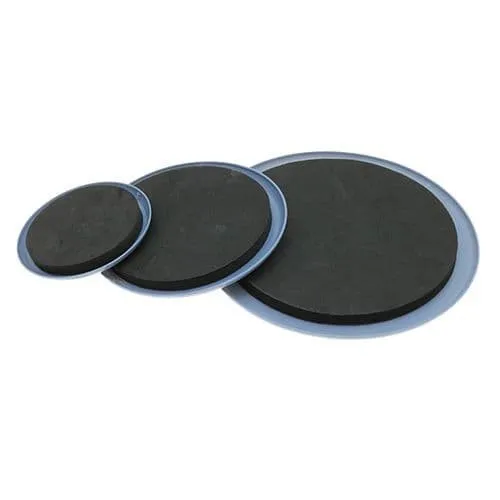
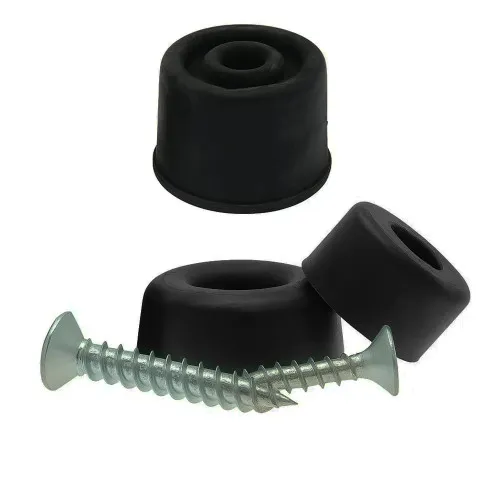
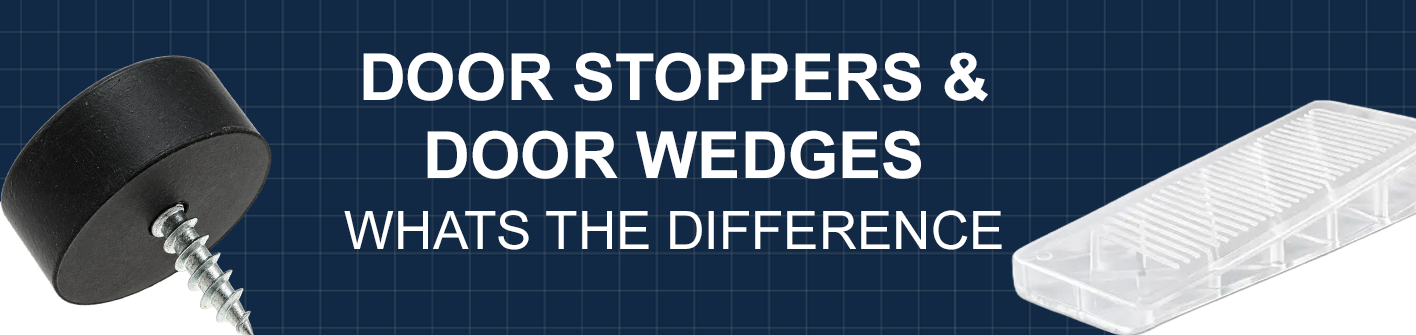 Door Stoppers & Door Wedges19/09/2026Read more
Learn the difference between door stoppers and door wedges, how each type works and where they are commonly...
-
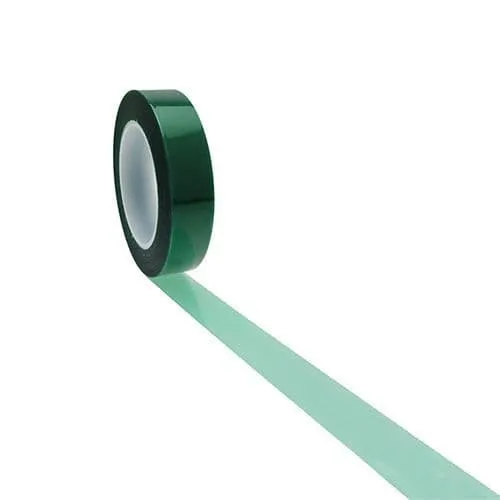
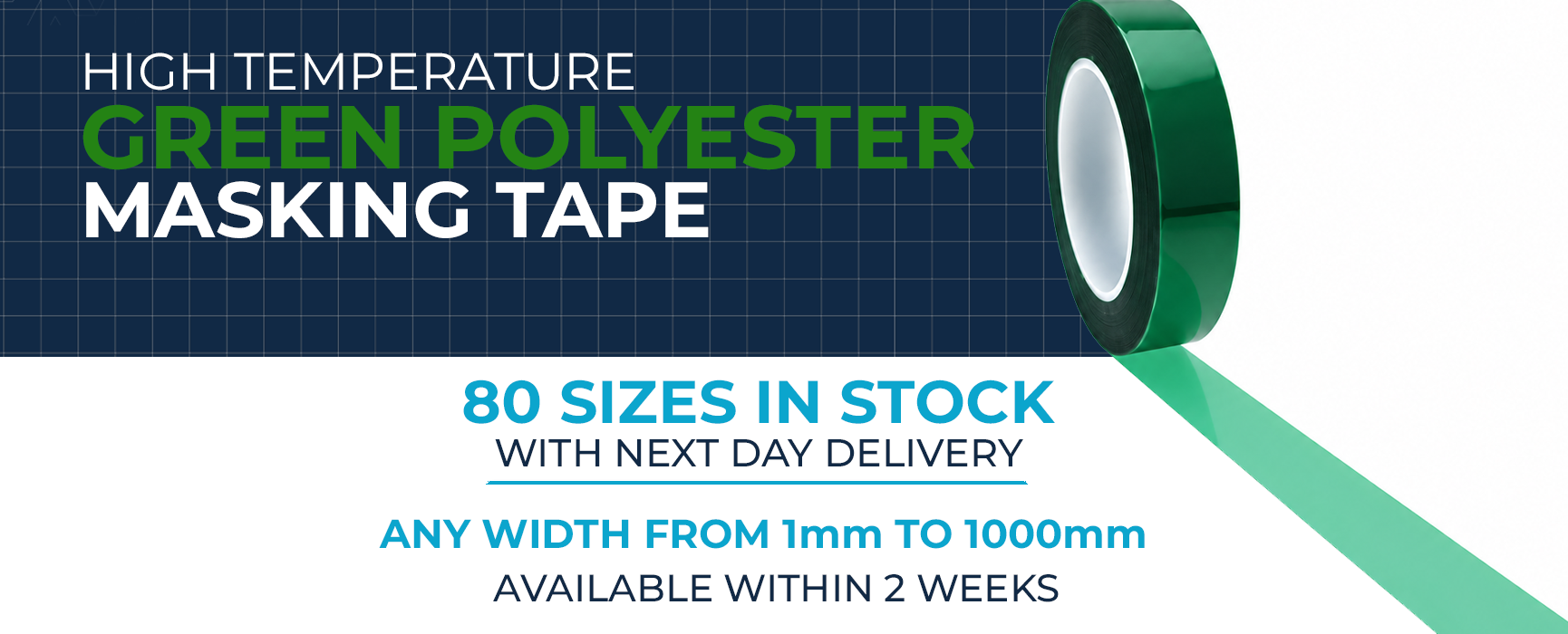 Guide to Green Polyester Tape10/09/2026Read more
Explore our Green Polyester Tape range for high temperature masking with 80 stocked sizes, 40 widths and 25 or 80...

Stainless Steel Chemical Resistance Table
Stainless Steel Chemical Resistance Table: Complete Corrosion Chart for A2 & A4 Grades
Understanding stainless steel chemical resistance is crucial when selecting materials for corrosive environments. This comprehensive guide provides detailed corrosion resistance tables, helping you make informed decisions about stainless steel applications in various chemical conditions.
What Makes Stainless Steel Corrosion Resistant?
Stainless steel's exceptional corrosion resistance stems from its chromium content, which must be at least 10.5% to be classified as stainless steel. When exposed to oxygen, chromium forms a thin, invisible passive layer of chromium oxide on the steel's surface. This protective film is what gives stainless steel its renowned resistance to rust and corrosion.
The stainless steel corrosion resistance varies significantly depending on several key factors:
- Chemical composition - Higher chromium, nickel, and molybdenum content increases resistance
- Environmental conditions - Temperature, concentration of corrosive agents, and pH levels
- Surface finish - Smoother surfaces typically offer better corrosion resistance
- Exposure duration - Prolonged contact with corrosive substances may affect performance
- Presence of oxygen - Essential for maintaining the protective passive layer
When Would You Use Stainless Steel?
Stainless steel is the material of choice in numerous applications where corrosion resistance and durability are paramount:
- Chemical processing - Tanks, pipes, and washers in chemical plants
- Food and beverage industry - Processing equipment, bolts and screws for food-grade applications
- Marine environments - Coastal structures, offshore platforms, and marine nuts and fasteners
- Pharmaceutical manufacturing - Clean room equipment and sterile processing systems
- Architectural applications - Building facades, hinges, and structural components
- Oil and gas industry - Pipelines, latches, and processing equipment
Understanding Our Stainless Steel Corrosion Chart
Our stainless steel corrosion chart uses a standardised rating system to help you quickly assess chemical compatibility. The ratings are based on weight loss measurements and provide practical guidance for material selection.
Corrosion Resistance Rating System
| Level | Evaluation | Weight Loss (g/m²h) | Recommendation |
|---|---|---|---|
| A | Fully Resistant | < 0.1 | Excellent for long-term use |
| B | Virtually Resistant | 0.1 - 1.0 | Suitable for most applications |
| C | Less Resistant | 1.0 - 10 | Limited use, monitor closely |
| D | Not Resistant | > 10 | Not recommended |
Complete A2 and A4 Stainless Steel Chemical Resistance Table
This comprehensive corrosion resistance table shows how A2 (304) and A4 (316) stainless steel grades perform against various chemical agents. Use this data to select the appropriate grade for your specific application.
| Corrosive Agent | Concentration | Temperature | A2 (304) | A4 (316) |
|---|---|---|---|---|
| Acetone | Any | Any | A | A |
| Ethyl Ether | - | Any | A | A |
| Formic Acid | 10% | 20°C | A | A |
| Boiling | B | A | ||
| Ammonia | Any | 20°C | A | A |
| Boiling | A | A | ||
| Benzenes | - | Any | A | A |
| Benzoic Acid | Any | Any | A | A |
| Benzol | - | Any | A | A |
| Beer | - | Any | A | A |
| Hydrocyanic Acid | - | 20°C | A | A |
| Blood | - | 20°C | A | A |
| Binder Solution | - | 98°C | A | A |
| Chlorine | - | - | - | A |
| Dry Gas | 20°C | A | D | |
| Damp Gas | Any | D | - | |
| Chloroform | Any | Any | A | A |
| Chromic Acid | 10% Pure | 20°C | A | A |
| Boiling | C | B | ||
| 50% Pure | 20°C | B | B | |
| Boiling | D | D | ||
| Photographic Development Fluid | - | - | A | A |
| Acetic Acid (Vinegar) | 10% | 20°C | A | A |
| Boiling | A | A | ||
| Fatty Acids | - | - | A | A |
| Fruit Juices | - | Any | A | A |
| Tannic Acid | Any | Any | A | A |
| Glycerine | Concentrated | Any | A | A |
| Open Air | - | - | A | A |
| Potassium Permanganate | 10% | Any | A | A |
| Lime Milk | - | Any | A | A |
| Carbon Dioxide | - | - | A | A |
| Cupric Acetate | - | Any | A | A |
| Copper Nitrate | - | - | A | A |
| Copper Sulphate | Any | Any | A | A |
| Magnesium Sulphate | Approx 26% | Any | A | A |
| Sea Water | - | 20°C | A | A |
| Methyl Alcohol | Any | Any | A | A |
| Lactic Acid | 1.50% | Any | A | A |
| 10% | Any | A | A | |
| Boiling | C | A | ||
| Sodium Carbonate | Saturated | Any | A | A |
| Sodium Hydroxide | 20% | 20°C | A | A |
| 20% | Boiling | B | B | |
| 50% | 120°C | C | C | |
| Sodium Nitrate | - | - | A | A |
| Sodium Perchlorate | - | - | A | A |
| Sodium Sulphate | Saturated | Any | A | A |
| Oil (Mineral and Vegetable) | - | Any | A | A |
| Oxalic Acid | 10% | 20°C | B | A |
| Boiling | C | C | ||
| 50% | Boiling | D | C | |
| Petrol | Pure | Boiling | A | A |
| Phenol | Pure | Boiling | B | A |
| Phosphoric Acid | 10% | Boiling | A | A |
| 50% | 20°C | A | A | |
| Boiling | C | B | ||
| 80% | 20°C | B | A | |
| Boiling | D | C | ||
| Concentrated | 20°C | B | A | |
| Boiling | D | D | ||
| Mercury | - | Up to 50°C | A | A |
| Mercury Nitrate | - | - | A | A |
| Salicylic Acid | - | 20°C | A | A |
| Sulphuric Acid | 1.0% | Up to 70°C | B | A |
| Boiling | B | B | ||
| 2.5% | Up to 70°C | B | A | |
| Boiling | B | A | ||
| 5% | 20°C | C | C | |
| Boiling | C | B | ||
| 10% | 20°C | C | C | |
| 70°C | D | D | ||
| 60% | Any | D | D | |
| Sulphurous Acid | Watery Solution | 20°C | A | A |
| Sulphur Dioxide | - | 100°C - 500°C | C | A |
| 900°C | D | C | ||
| Tar | - | Any | A | A |
| Wine | - | Any | A | A |
| Tartaric Acid | <10% | 20°C | A | A |
| Boiling | B | A | ||
| >10% | 20°C | A | A | |
| <50% | Boiling | C | C | |
| 75% | Boiling | C | C |
Important Note: This stainless steel acid resistance data is based on laboratory testing under controlled conditions. Actual service conditions may vary due to impurities, temperature fluctuations, and other environmental factors. Always conduct specific testing for your application requirements.
A2 vs A4 Stainless Steel: Key Differences
Understanding the differences between A2 and A4 stainless steel grades is essential for selecting the right material for your application:
A2 Stainless Steel (304 Grade)
- Composition: 18% chromium, 8% nickel
- Cost-effective option for general applications
- Good corrosion resistance in most environments
- Suitable for indoor and mild outdoor applications
- Ideal for cable ties and general fasteners
A4 Stainless Steel (316 Grade)
- Composition: 18% chromium, 10% nickel, 2-3% molybdenum
- Superior corrosion resistance due to molybdenum content
- Excellent resistance to chlorides and marine environments
- Preferred for hose clamps in harsh conditions
- Essential for chemical processing applications
Factors Affecting Stainless Steel Chemical Resistance
Several critical factors influence the performance of stainless steel in corrosive environments:
Environmental Conditions
- Temperature: Higher temperatures generally increase corrosion rates
- Concentration: More concentrated solutions typically cause faster corrosion
- pH levels: Extremely acidic or alkaline conditions affect resistance
- Oxygen availability: Essential for maintaining the protective passive layer
Material Factors
- Surface finish: Smooth, polished surfaces resist corrosion better
- Manufacturing quality: Proper heat treatment and handling are crucial
- Contamination: Iron particles from cutting tools can initiate corrosion
- Stress: Mechanical stress can compromise corrosion resistance
Selecting the Right Stainless Steel Grade
When choosing between A2 and A4 stainless steel, consider these application-specific factors:
Choose A2 (304) When:
- Cost is a primary consideration
- Exposure to mild corrosive environments
- Indoor applications with controlled conditions
- General-purpose index plungers and standard fasteners
Choose A4 (316) When:
- Exposure to chlorides or marine environments
- Chemical processing applications
- Higher temperatures and aggressive chemicals
- Critical applications where failure is not acceptable
- Manufacturing adjustable feet for harsh environments
Best Practices for Stainless Steel in Corrosive Environments
To maximise the performance and longevity of your stainless steel components:
Design Considerations
- Avoid crevices: Design joints to prevent liquid entrapment
- Ensure drainage: Allow complete draining of corrosive liquids
- Consider galvanic effects: Avoid coupling with dissimilar metals
- Provide ventilation: Ensure adequate air circulation
Maintenance Guidelines
- Regular cleaning: Remove deposits and contaminants promptly
- Avoid cross-contamination: Use dedicated tools for stainless steel
- Monitor for damage: Inspect regularly for signs of corrosion
- Proper handling: Protect surfaces during installation
For more detailed information about different stainless steel grades and their properties, visit our comprehensive Guide to Stainless Steel Grades.
Quality Stainless Steel Components from Vital Parts
At Vital Parts, we offer an extensive range of high-quality stainless steel components designed to meet the demanding requirements of various industries. Our product portfolio includes:
Fastening Solutions
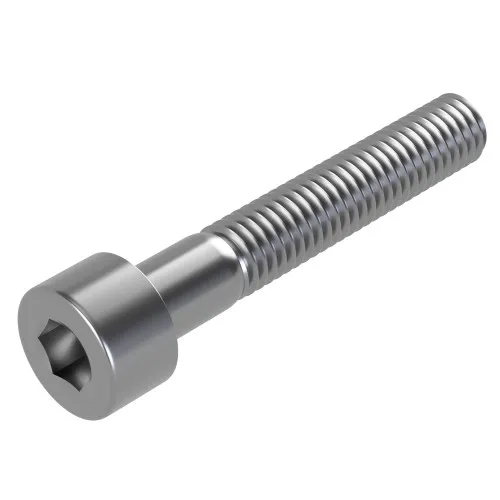
- Bolts and Screws - Available in A2 and A4 grades for diverse applications
- Nuts - Precision-manufactured for reliable fastening
- Washers - Essential for proper load distribution and sealing
Specialised Components
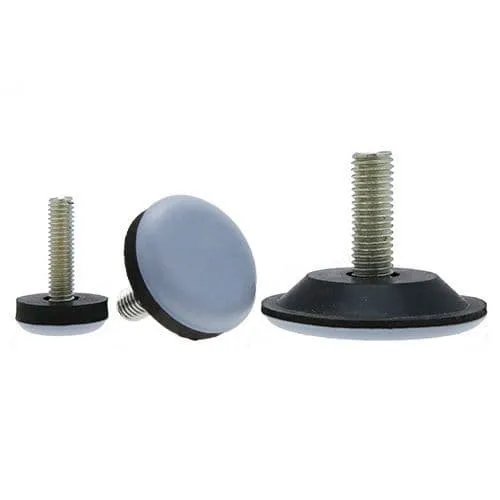
- Adjustable Feet - Perfect for equipment levelling in corrosive environments
- Cable Ties - Durable solutions for cable management
- Hose Clamps - Reliable clamping for fluid systems
- Index Plungers - Precision positioning components
Hardware and Fittings
- Hinges - Corrosion-resistant solutions for access panels
- Latches - Secure fastening for enclosures and doors
- Ball Knobs - Ergonomic control components
- Tube Inserts - Reinforcement solutions for structural applications
All our stainless steel components are manufactured to the highest standards, ensuring excellent chemical resistance and long-term reliability in demanding applications.
Frequently Asked Questions
When would you use stainless steel?
Stainless steel is the ideal choice when you need materials that can withstand corrosive environments while maintaining structural integrity. It's particularly valuable in chemical processing, food production, marine applications, pharmaceutical manufacturing, and architectural projects where both performance and appearance matter. The self-healing properties of the chromium oxide layer make it essential for applications where maintenance access is limited or where contamination must be avoided.
What makes stainless steel corrosion resistant?
Stainless steel's corrosion resistance comes from its chromium content, which must be at least 10.5%. When exposed to oxygen, chromium forms a thin, invisible passive layer of chromium oxide (Cr₂O₃) on the steel's surface. This protective film is self-healing - if damaged, it automatically reforms when exposed to oxygen. Additional elements like nickel and molybdenum further enhance corrosion resistance, with molybdenum being particularly effective against chloride-induced corrosion.
How do I read the chemical resistance ratings?
Our stainless steel corrosion chart uses a simple A-D rating system based on weight loss measurements. 'A' ratings indicate excellent resistance with minimal material loss (<0.1 g/m²h), suitable for long-term exposure. 'B' ratings show good resistance for most applications. 'C' ratings indicate limited resistance requiring careful monitoring, while 'D' ratings mean the material is not suitable for that specific chemical environment.
What's the difference between A2 and A4 stainless steel?
A2 stainless steel (304 grade) contains 18% chromium and 8% nickel, making it suitable for general applications and mild corrosive environments. A4 stainless steel (316 grade) contains additional molybdenum (2-3%), providing superior resistance to chlorides, acids, and marine environments. While A2 is more cost-effective, A4 is essential for harsh chemical environments and coastal applications.
Expert Support for Your Stainless Steel Requirements
Selecting the right stainless steel grade and components for your specific application requires expert knowledge of both material properties and environmental conditions. Our experienced team at Vital Parts understands the complexities of stainless steel chemical resistance and can help you make informed decisions that ensure long-term performance and cost-effectiveness.
Whether you're designing chemical processing equipment, marine structures, or food production facilities, we provide comprehensive support from initial material selection through to delivery of precision-manufactured components.
Summary
Understanding stainless steel chemical resistance is crucial for successful material selection in corrosive environments. This comprehensive corrosion resistance table provides essential data for comparing A2 and A4 stainless steel performance across numerous chemical agents. Remember that while laboratory data provides valuable guidance, real-world conditions may vary, making it important to consider all environmental factors and conduct application-specific testing when necessary.
The stainless steel corrosion resistance chart presented here, combined with proper material selection and design practices, will help ensure the longevity and reliability of your stainless steel components in even the most challenging chemical environments.
Got a question? Need some help?
Our friendly Product Support Team are here to help, so please just give us a call if we can assist you with sourcing standard and custom parts.
CALL USRelated posts
-
 Stainless Steel Equivalent GradesCompare stainless steel grades and find the perfect match for your next project.Read more
 -
 Stainless Steel Fasteners: Tightening and Breaking TorquesUnderstanding the Limits: How to Properly Tighten Stainless Steel Fasteners Without Compromising Strength or...Read more
 -
 The Complete Guide to Hexagonal Bolts and Hex Head Bolt TypesYour Go-To Fasteners for Strength and VersatilityRead more

Leave a comment