










































































Search all blogs
Latest posts
-
 Metal Fastener Crossword – Test Your Fastener Knowledge27/10/2026Read more
Test your knowledge with our metal fastener crossword featuring bolts, nuts, screws, washers, threads and...
-
 How to Choose the Right Fastener GUIDE27/10/2026Read more
Learn how to choose the right fastener for your application. Compare screws, bolts, nuts, washers, materials,...

What is the difference between A2 and A4 Stainless Steel?
A2 vs A4 Stainless Steel: Grades, Uses & Differences
Stainless steel is widely used for fasteners, washers, nuts, adjustable feet, cable glands and industrial components because of its strength, durability and resistance to corrosion.
This guide explains what stainless steel is, the difference between A2 and A4 stainless steel and how to choose the right grade for your application.

Stainless Steel Fasteners
What is Stainless Steel?
Stainless steel is a family of corrosion-resistant steels containing chromium. The chromium reacts with oxygen to form a very thin passive surface layer which helps protect the underlying metal from corrosion.
Different stainless steel grades contain different combinations of chromium, nickel, molybdenum and other alloying elements. These differences affect corrosion resistance, strength, temperature performance, fabrication characteristics and suitability for different environments.
For industrial components and fasteners, two of the most commonly encountered grades are A2 Stainless Steel, commonly associated with 304 and A4 Stainless Steel, commonly associated with 316.

Stainless Steel Components
What is the Difference Between A2 and A4 Stainless Steel?
A2 and A4 are both widely used stainless steel grades but A4 offers improved resistance to corrosion in more demanding environments because of the addition of molybdenum.
A2 Stainless Steel – 304
A2 Stainless Steel is commonly associated with grade 304 and is one of the most widely used stainless steels for general engineering and manufacturing.
It typically contains around 18% chromium and 8% nickel and provides good corrosion resistance across many normal indoor and outdoor environments.
Common A2 Stainless Steel Uses
- General engineering
- Food processing equipment
- Machinery and equipment
- Automotive components
- Indoor and general outdoor fasteners
Marine Grade A4 Stainless Steel – 316
A4 Stainless Steel is commonly associated with grade 316 and contains molybdenum in addition to chromium and nickel.
Molybdenum improves resistance to localised corrosion and makes A4 a stronger option where components are exposed to salt, chlorides, chemicals or more aggressive environments.
Common A4 Stainless Steel Uses
- Marine and coastal installations
- Chemical processing
- Pharmaceutical equipment
- Food processing machinery
- Harsh outdoor environments
A2 vs A4 Stainless Steel Comparison
| Feature | A2 Stainless Steel | A4 Stainless Steel |
|---|---|---|
| Common Grade | 304 | 316 |
| Typical Composition | Around 18% chromium and 8% nickel | Around 16–18% chromium, 10–14% nickel and approximately 2–3% molybdenum |
| Corrosion Resistance | Good corrosion resistance for general use | Improved corrosion resistance in chloride and more aggressive environments |
| Marine Use | Less suitable for sustained salt and chloride exposure | Better suited to marine and coastal conditions |
| Typical Applications | General manufacturing, food equipment, machinery and automotive | Marine, chemical processing, pharmaceutical and coastal applications |
| Magnetic Properties | Generally non-magnetic in annealed condition although processing can introduce some magnetic response | Generally non-magnetic in annealed condition although processing can introduce some magnetic response |
Should You Choose A2 or A4 Stainless Steel?
The right grade depends primarily on the environment in which the component will be installed.
Indoor Use
A2 Stainless Steel is commonly suitable for machinery, equipment and general indoor industrial applications.
General Outdoor Use
A2 can perform well in many outdoor environments where chloride exposure is limited.
Coastal & Marine
Marine Grade A4 Stainless Steel is generally the stronger choice where salt and chloride exposure are expected.
Chemical Environments
A4 is commonly preferred where improved resistance to aggressive environments is required.
Where is Stainless Steel Used?
Stainless steel is used across a huge range of industrial components where corrosion resistance, strength, hygiene or appearance are important.
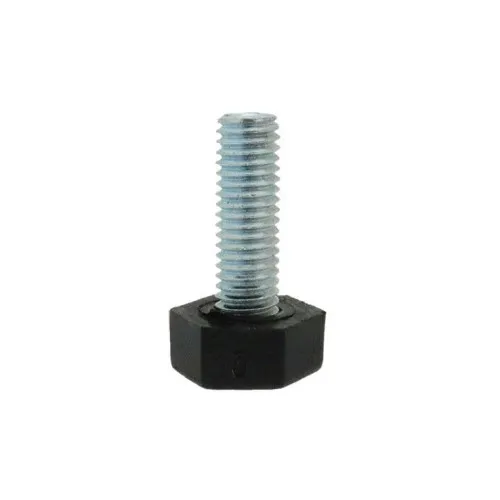
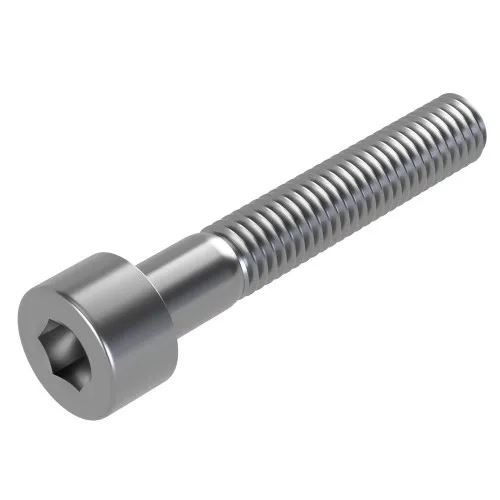
Stainless Steel Bolts
Used throughout machinery, construction, equipment and industrial assemblies where a strong threaded connection is required.
View Stainless Steel Bolts
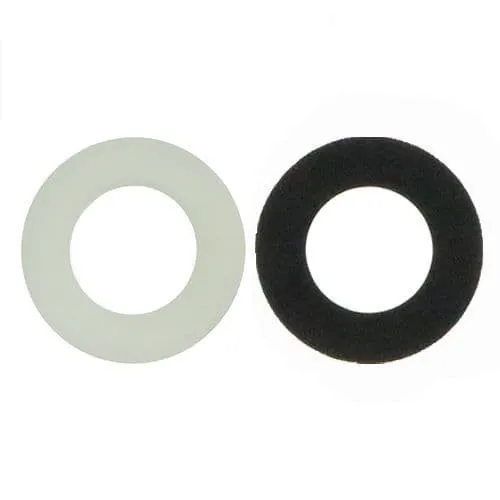
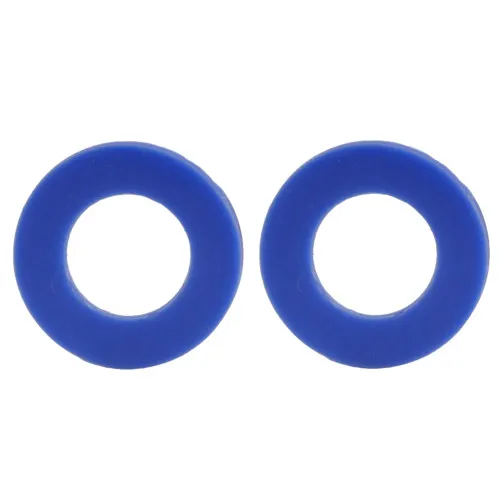
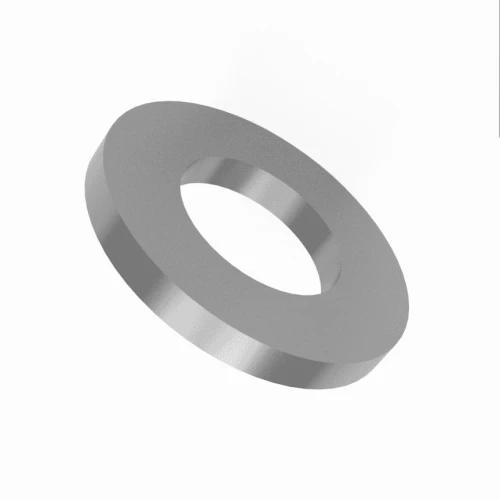
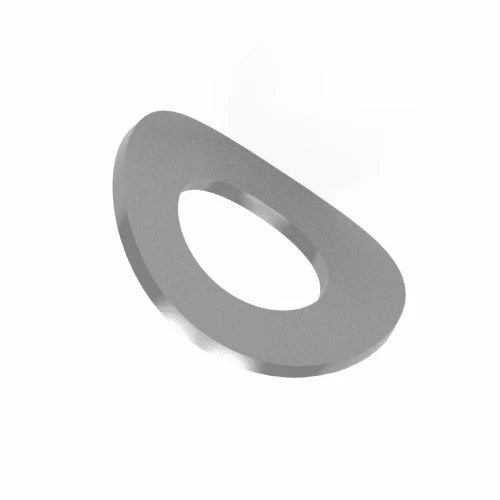
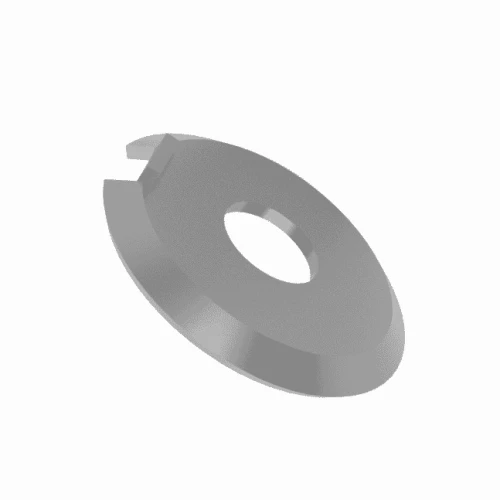
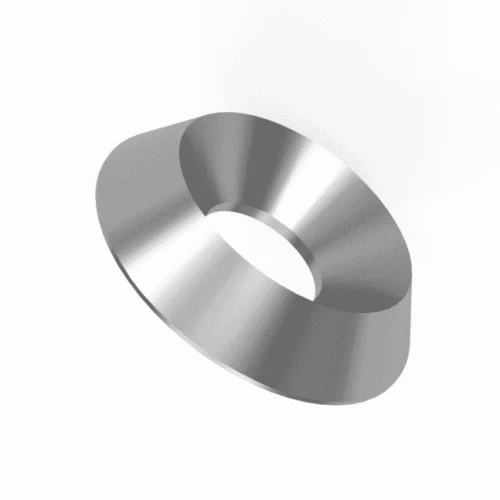
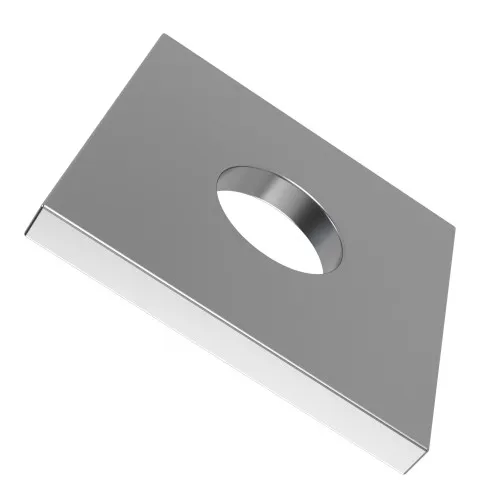
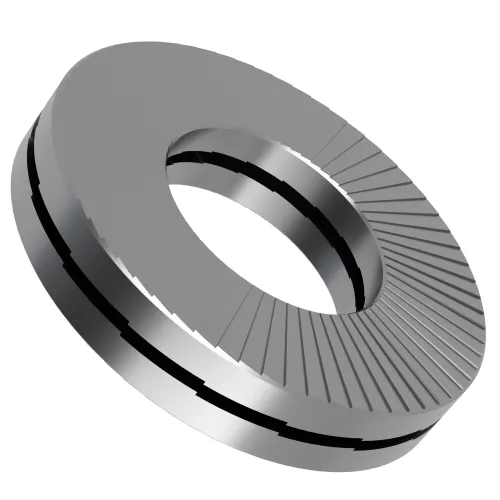
Stainless Steel Washers
Used with nuts, bolts and screws to distribute load, protect surfaces and create stable fastening assemblies.
View Stainless Steel Washers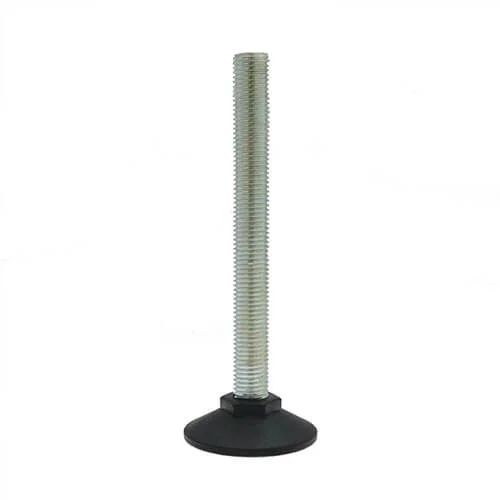
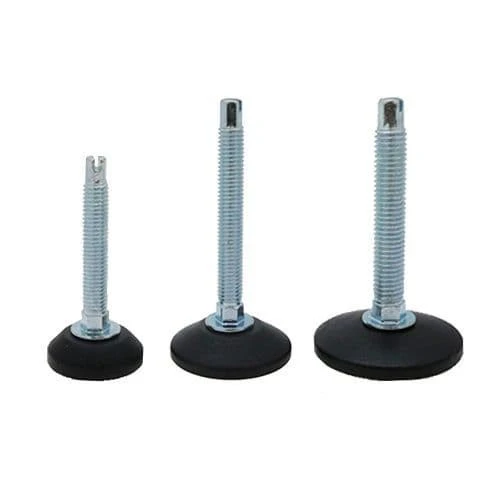
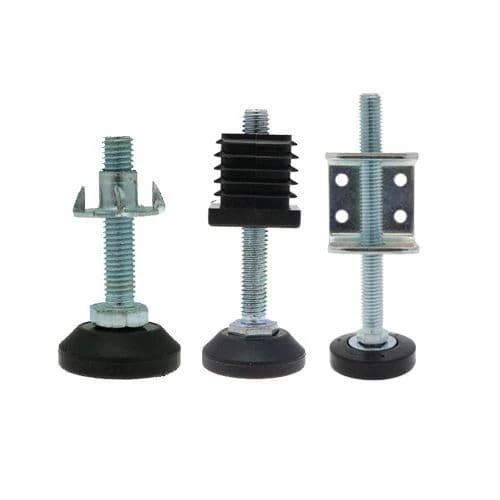
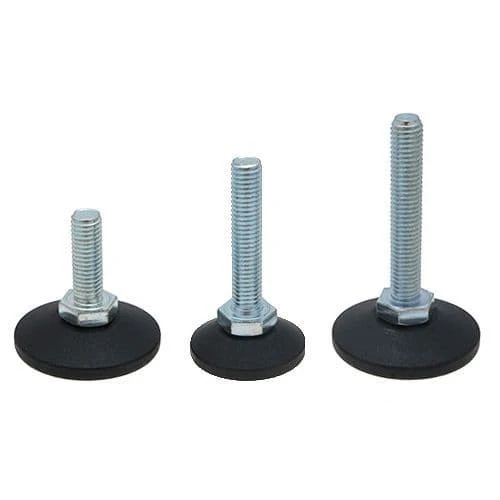
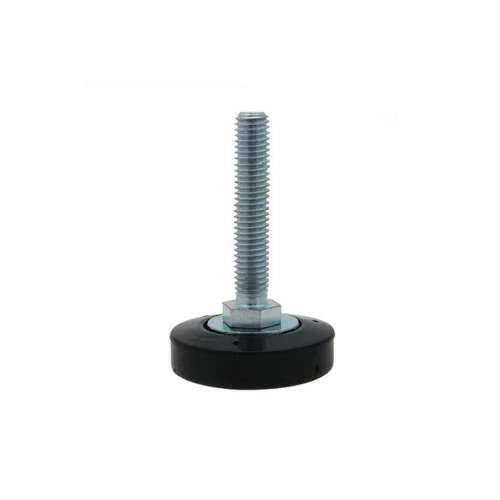
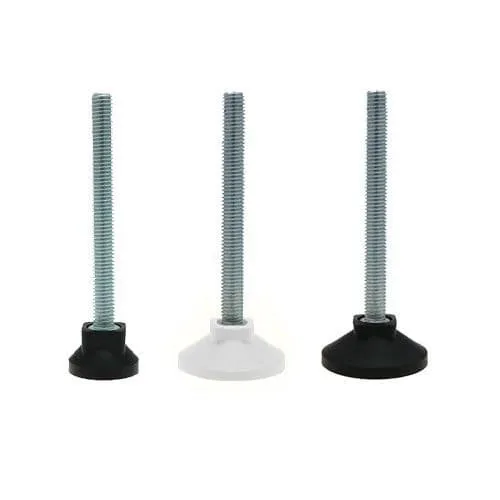
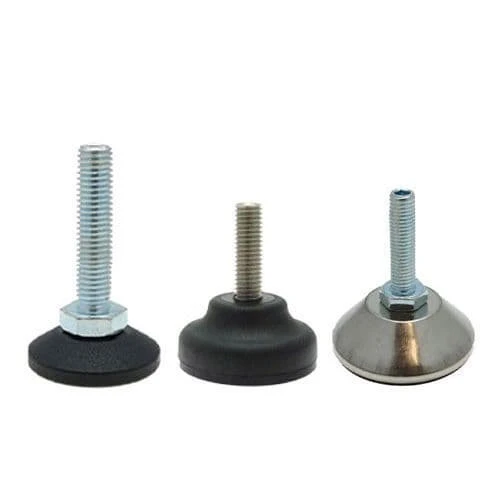
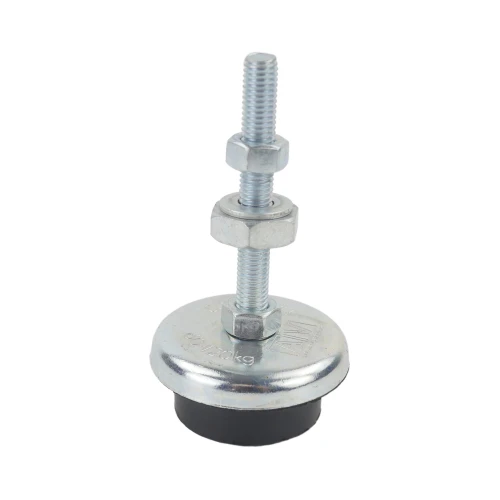
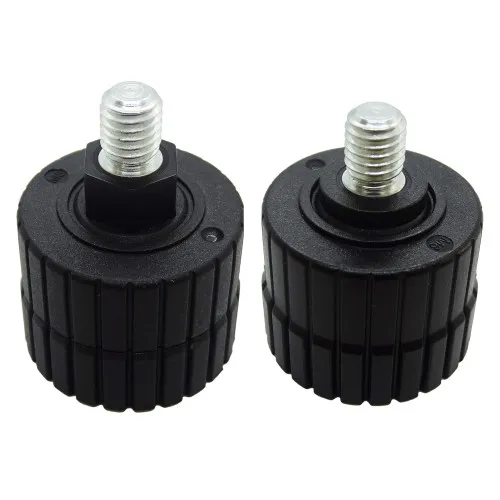
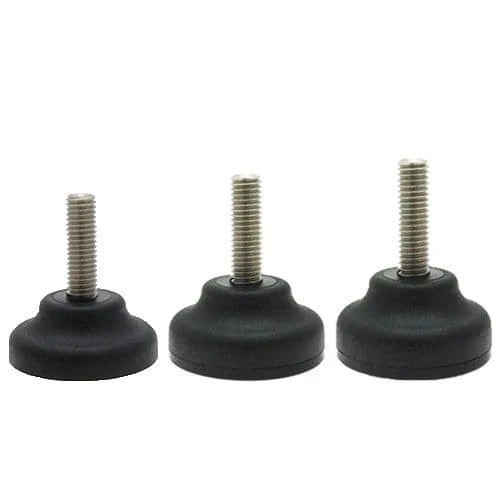
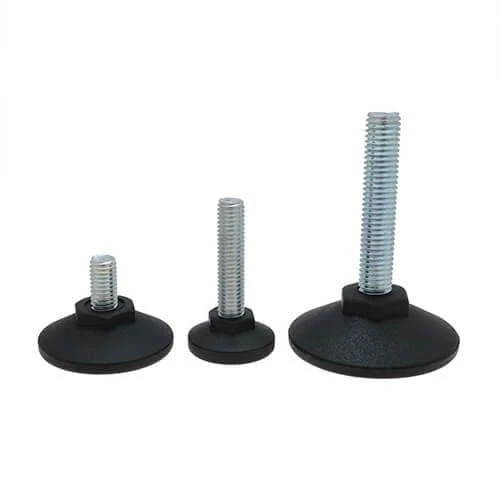
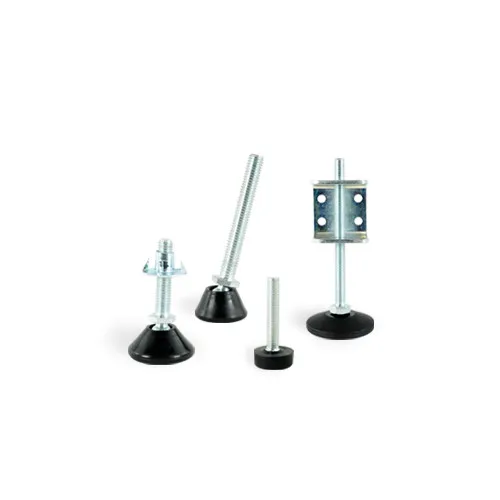
Stainless Steel Adjustable Feet
Commonly used for machinery, conveyors and hygienic equipment where durability and corrosion resistance are required.
View Stainless Steel Feet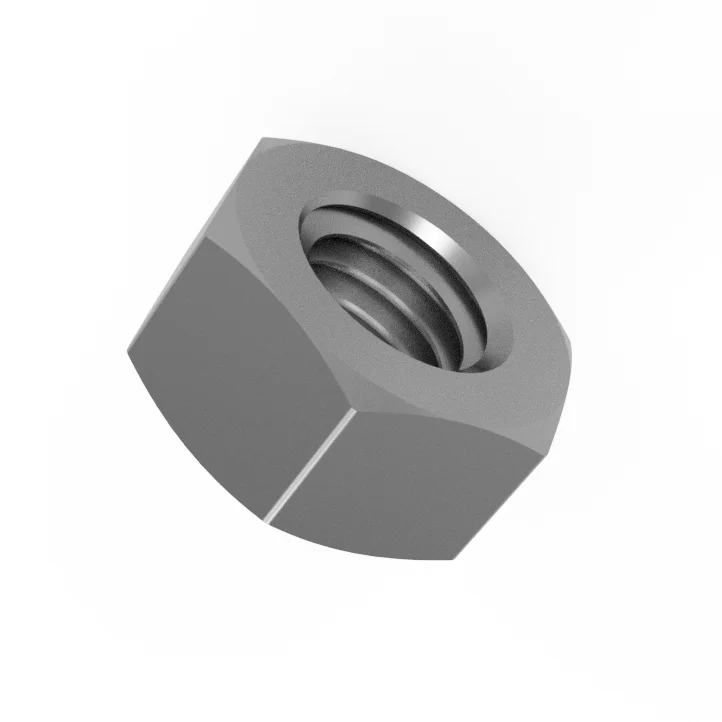
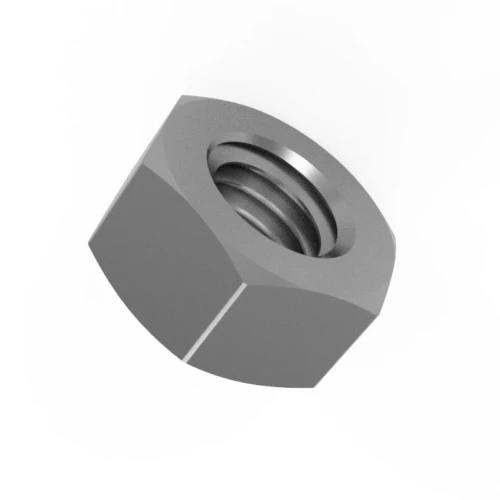
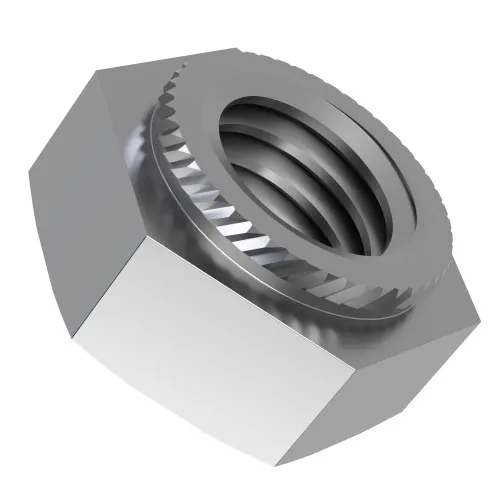
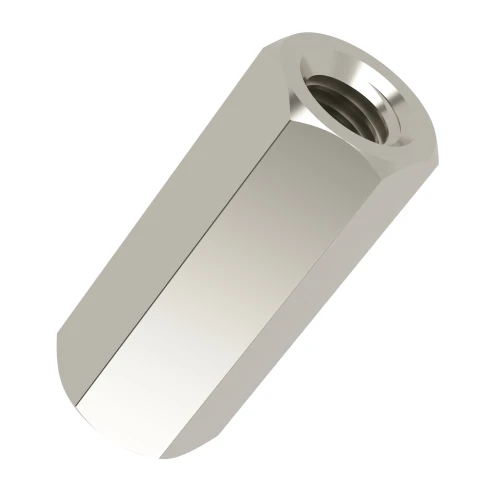
Stainless Steel Nuts
Internally threaded fasteners used with compatible bolts, screws and threaded rod to create secure mechanical joints.
View Nuts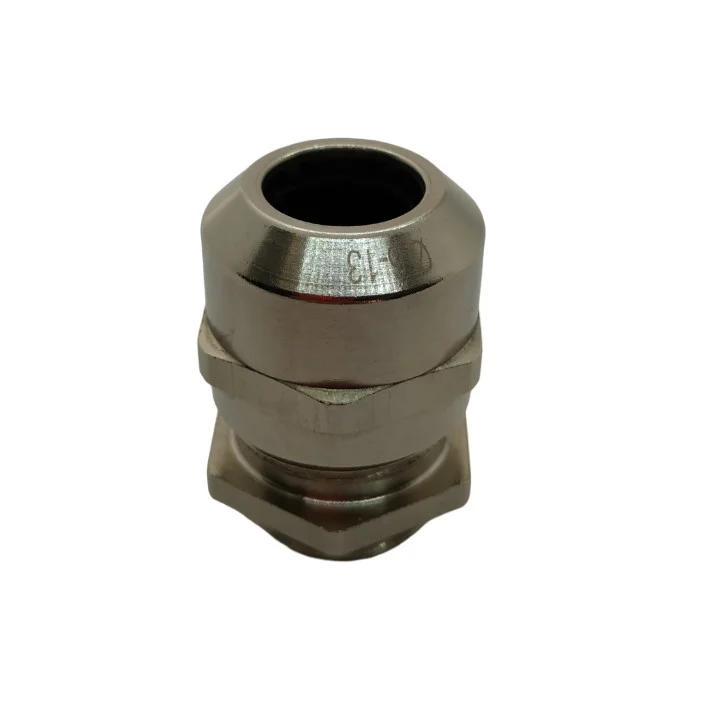
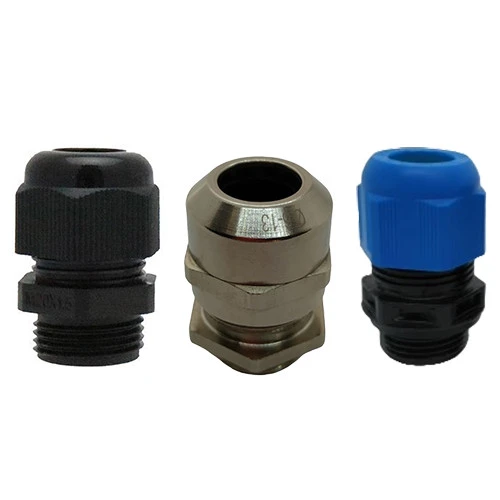
Stainless Steel Cable Glands
Used to secure and seal cable entries in electrical enclosures where strength, sealing and corrosion resistance are important.
View Cable GlandsBrowse Stainless Steel Products
Search the wider Vital Parts range for stainless steel fasteners, fixings and industrial components.
Browse Stainless Steel ProductsOther Common Grades of Stainless Steel
A2 and A4 are particularly common for fasteners but many other stainless steel grades exist for applications with different forming, temperature, corrosion or magnetic requirements.
430 Stainless Steel
A ferritic stainless steel commonly used for appliances, automotive components and decorative applications. Unlike 304 and 316, grade 430 is magnetic.
409 Stainless Steel
Frequently used in automotive exhaust systems and applications where temperature performance, formability and cost are important.
201 Stainless Steel
Often used in consumer products, utensils and equipment where strength and general corrosion resistance are required.
321 Stainless Steel
A stabilised austenitic stainless steel often selected for applications involving elevated temperatures.
Need to compare alternative grades? View our Stainless Steel Equivalent Grades guide or read our Stainless Steel Fastener Grades guide .
Is Stainless Steel Better Than Aluminium?
Neither material is automatically better for every application. Stainless steel and aluminium offer different advantages and the correct choice depends on strength, weight, corrosion requirements, electrical properties and the environment.
Stainless Steel
Typically selected where high strength, durability, temperature resistance and long-term corrosion performance are priorities.
Aluminium
Often chosen where lower weight, good corrosion resistance and easier machining or handling are more important.
Choose Material by Application
Does Stainless Steel Rust?
Stainless steel is highly resistant to corrosion but it is not completely immune. Corrosion can occur if the passive surface layer is damaged or if the grade is exposed to an environment more aggressive than it was designed to withstand.
Salt, chlorides, chemical exposure, surface contamination, poor cleaning and crevices can all influence corrosion performance.
Selecting the correct grade for the environment is therefore important. In chloride-rich, coastal or marine conditions an A4/316 grade will generally provide greater protection than A2/304.
Stainless Steel FAQs
Written by Oscar
This blog was originally written by Oscar during his work experience in the Technical Team. Oscar spent a week with us learning about the industry, gaining an understanding of our brand and product range and creating content for the Vital Parts website.
Need Help Choosing a Stainless Steel Grade?
Our team can help you compare materials, grades and components for your engineering, manufacturing or construction application.
Related posts
-
 Stainless Steel Equivalent GradesCompare stainless steel grades and find the perfect match for your next project.Read more
-
 Stainless Steel Fasteners: Tightening and Breaking TorquesUnderstanding the Limits: How to Properly Tighten Stainless Steel Fasteners Without Compromising Strength or...Read more
-

Leave a comment