

Search all blogs
Latest posts
-
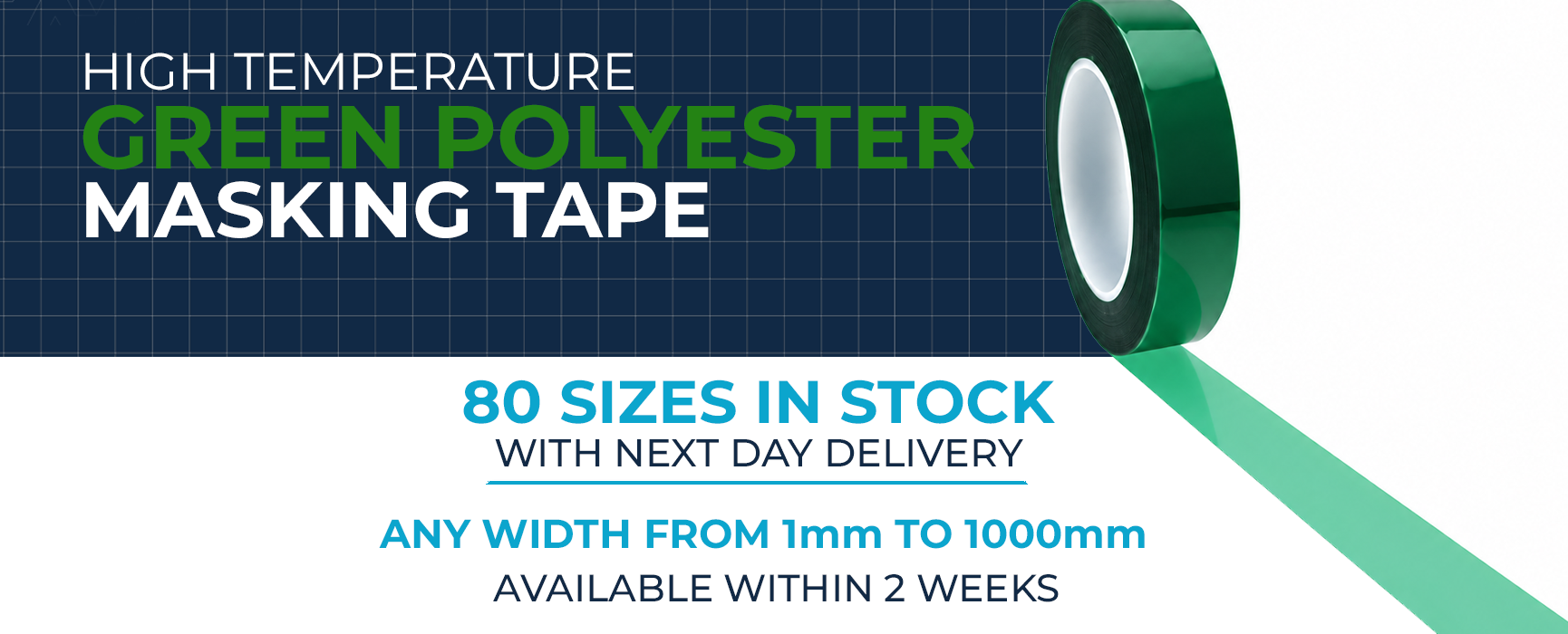 Guide to Green Polyester Tape10/09/2026Read more
Explore our Green Polyester Tape range for high temperature masking with 80 stocked sizes, 40 widths and 25 or 80...
-
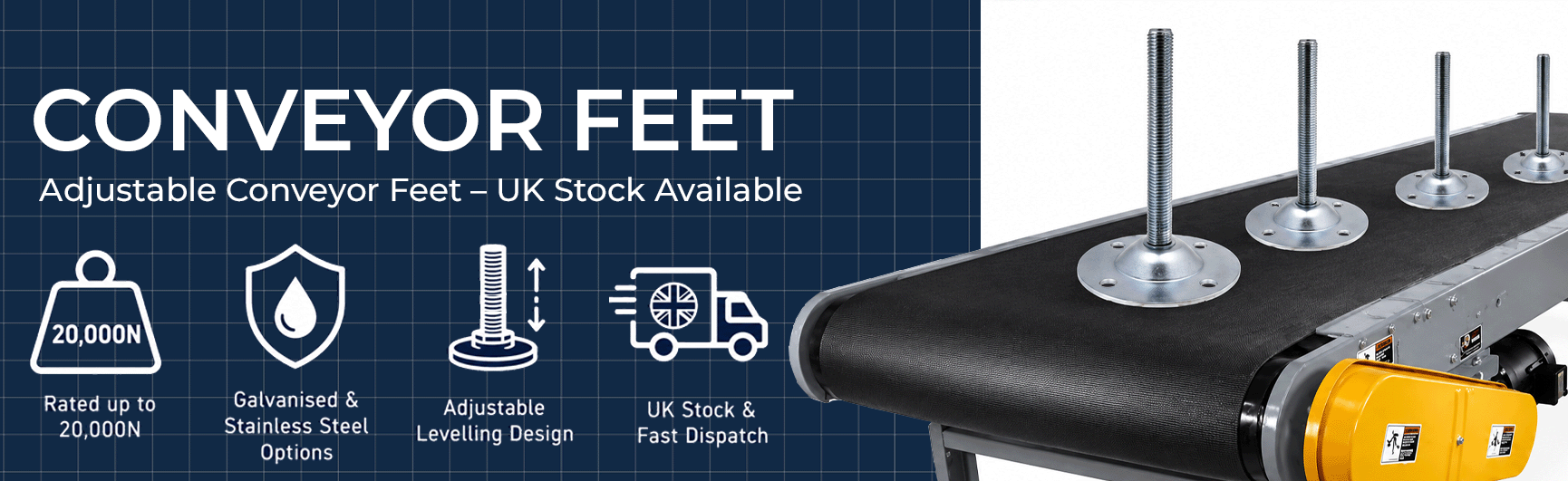 Conveyor Feet Guide: Types, Materials & Installation03/07/2026Read more
Everything you need to know about conveyor feet, types, load ratings, materials, installation steps and how...
Custom Manufacturing capabilities and techniques
What does the process look like?


ENQUIRY/CONSULTATION
At this stage of the process our dedicated account managers and technical team will work with you to bring your concept to life
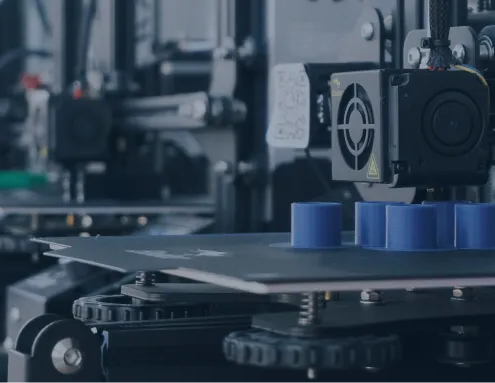
PROCESS/MANUFACTURING
Here we will look to optimise the manufacturing process of choice, maxmising operational efficiency and keep cost low as well as reducing lead times on your product
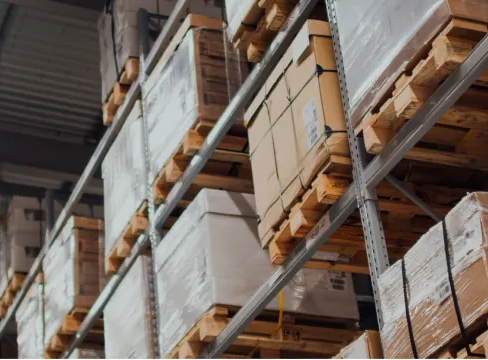
DISPATCH
Our team are dedicated to meeting project deadlines with a 24 hour dispatch service running Monday to Sunday

SUPPORT
Our technical engineering and vast expertise guarantees a great customer experience every time
Which styles of Custom Product Manufacturing do we offer?
The different custom moulding techniques and services we offer are summarised below, where you can learn more about individual manufacturing options.
- Rubber Compression Moulding - This form of moulding uses heat and pressure to form the product's final shape. This method uses a heated cavity and vertical press mechanism to effectively construct and maintain the required tooling. It is known for wasting less material than injection moulding due to the specialist tooling used. This technique produces an aesthetically and functionally superior surface finish. It is the go-to technique for large, flat and curved components. This form of moulding is used to manufacture electronics, medical components (such as respirator masks), cookware, phone cases and much more.
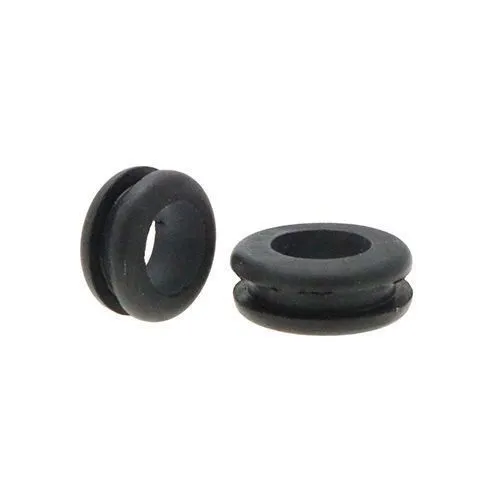
- Polyurethane Foam Moulding - Polyurethane moulding is a technique used in wide-scale manuacturing. Polyurethane is dispensed into heated moulds, heat cured and then trimmed or machined into required shape. This process suits both high and low volume production, while also allowing metal parts to be incorparated into the product and is flame resistant in some materials used. For example, higher tempreture grades can be used for -30 degree to +80 degrees tempretures which gives it an advantage against other forms of moulding. Some applications include scrapers, castors, gaskets, seals and isolators.
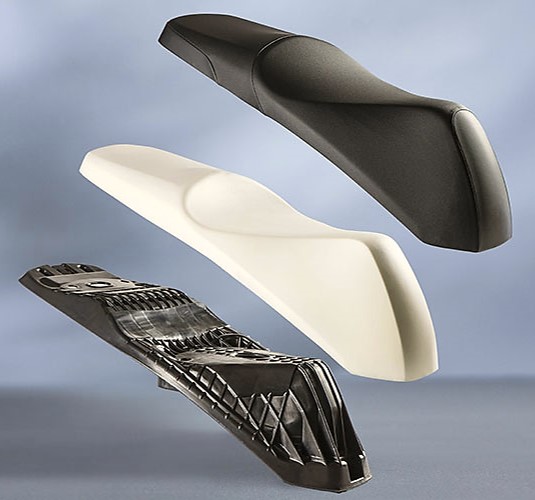
- Rotational Moulding - This technique involves a heated mold which is filled with a charge or shot weight of material. It is a thermoplastic moulding process effectively used for production volumes of less than 3,000 annually. It is mostly used for parts that require high-quality finishes, uniform wall thicknesses, and high stability. Advantages of this technique include low-cost tooling, consistent wall thicknesses of the product, high strength, stability and fine details/appearance. There are disadvantages, such as high labour costs, high cost of material and options, as well as low repeatability. It is used in products such as containers, tanks, kayaks and coolers.
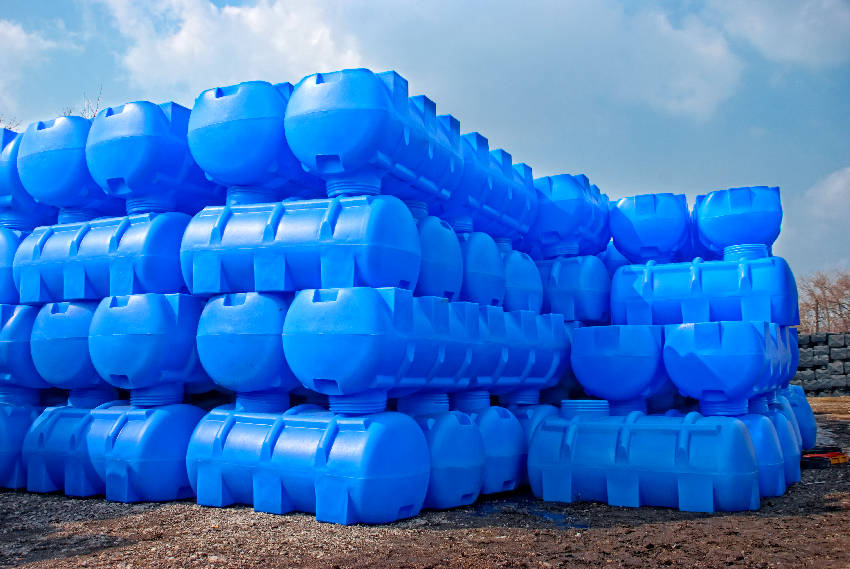
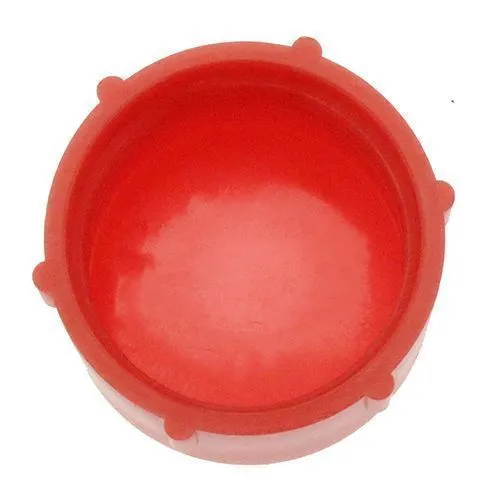
- Dip Moulding - This moulding technique is similar to candle making in its process. Heated metal moulds are dipped in a tank of liquid material. The moulds are extracted and then put through a baking process to cure the material before the product is stripped from the material. It is dipped multiple times to build up layers of material. The process is very cost-effective and time-efficient. It is ideal for mass-production and is cextremly precise while also able to be developed in different materials and colours. Some applications include grips for tools, caps, and sleeves.
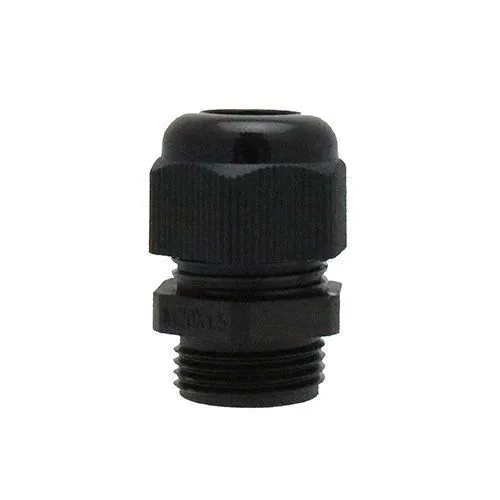
- Injection Moulding - The process of injection moulding works by injecting molten materials into a mould. It is most commonly used with thermoplastics and thermosetting polymers. The injection process requires careful design, including the shape and features of the part, the materials for the part and the mould. This requires meticulous consideration when using this technique. Entry cost for injection moulding is high, plus can be expensive to create individual parts. However, in high consistencies can be very low-cost once tooling is operational. Part reliability and consistency in quality management is a big advantage for this technique. Injection moulding can suffer when trying to create large continuous pieces of a material. Applications for this technique include chairs, toys, storage containers, mechanical parts and automotive components.
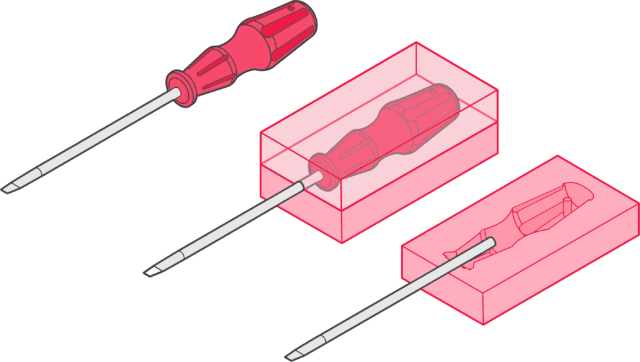
- Over Moulding - Overmoulding is the process of adding an additional layer of material over an already existing piece or part. For example, the shaft of a screwdriver is overlayed with plastic over the metal drive to form the handle. Hot molten plastic fills the area around the inserted part or material, assembling the final product. Some advantages of this technique eliminates the neeed for secondary assembling operations, while also allowing for a part to be waterproofed and shock resistantant. Parts produced using this technique are tough, lightweight and chemical resistant. The process is used in many industries and can be used for electronic PCBs, tools, cable assemblies, connectors, and fasteners. Materials include ABS, LCP, PBT, Nylon, Polycarbonate, PPS, Acrylic, Polyproplene, PPA and many more.
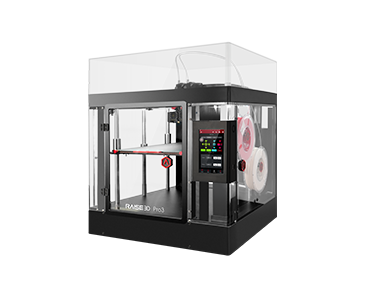
To help with customer peace of mind, here in the Technical Department of Vital Parts we can design and develop your prototypes using many different applications and trial phases.
Why use Vital Parts printing service?
- Large range of materials available and colour options
- Rapid quote turnaround
- Component design support for your product
- Same day prototype prints
- Quick delivery times
- Free no obligation quote for tooling and moulded parts after prototype validation
Materials:
PLA,ABS,HIPS,PC,TPU,TPE,PTG,ASA,PP,Nylon,Glass fibre Grades, Carbon Fibre Infused Grades, Metal Filled Grades,Woodfill and more..
Colours:
Black and white/Natural/Enquire for more colours
Max. Part Size: 250mm x 250mm x 250mm
We also offer a service for colour variations of anything stainless steel. Black oxide conversion is a service and solution we can provide to ensure colour-coding of screws, nuts and bolts. Or, just about anything stainless steel.
So How Does It Work?
Black oxide is a conversion coating process between the oxidizing salts used and the material. The end result is an incredibly thin layer of magnetite added to the ferrous material (metal). The chemicals used include Sodium Hydroxide (lye) and Sodium Nitrate (Chile Saltpeter). Three tanks are used and parts are move into a hot bath (between 194 to 286°F) containing an alkaline detergent (lye), then water, and lastly a bath of sodium nitrate. Oil is applied while the parts are still hot which acts to seal the finish. This process is generally referred to Hot or Mild Temperature bath depending on the temperature used.
What metals can be used with black oxide?
- Steel and Alloy Steel
- Stainless Steel
- Copper (often called Ebonol C)
- Zinc (often called Ebonol Z)
Explore our range of products
_3.webp)
_3.webp)
.jpg)
Did you know that we also offer alternative capabilities for metal and plastics?
Computer Numerical Control - Metal Machined Parts
We are able to provide milling, turning and wire-bending services
CNC machining is a process that uses Computer Numeral Control technology to shape an object by removing excess material until the required shape has been achieved. It works by converting a digital model of part into a numerical sequence that the computer can understand.
This process can be used to shape metals, metal alloys, wood, and stone.
We can use CAD to develop your design and produce a 3D example which can be shipped out for sampling before wide-scale production.
Milling:
This type of CNC process uses rotating cutting tools to remove excess material and can work on 3 rotational milling actions, making it extremely efficient.
Turning:
CNC lathes are primary shaping tools used for machining metal or wood. In a lathe machine, the workpiece is rotated around a central axis, and the machining head moves linearly along the surface. CNC lathes can perform various functions, such as cutting, drilling, sanding, knurling, facing, and more. CNC lathes perform much better than manual lathes.
Wire-bending:
As simple as it sounds, this process uses a CNC machne that runs a piece of material between rollers in a straight line and uses rotational presses to bend the material into the desired length/direction. Commonly used to manufacture paperclips.
Extrusion
This manufacturing process consists of raw plastic (or other materials) being heated and melted then formed into a continuous profile.
Extrusion produces many products like piping/tubing, window frames, deck-railing, thermoplastic coatings and insolation plus so much more.
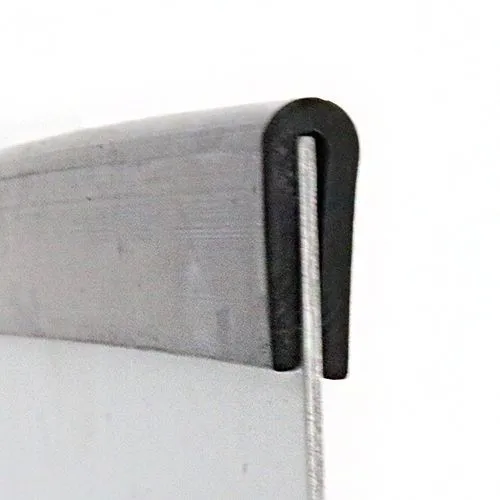
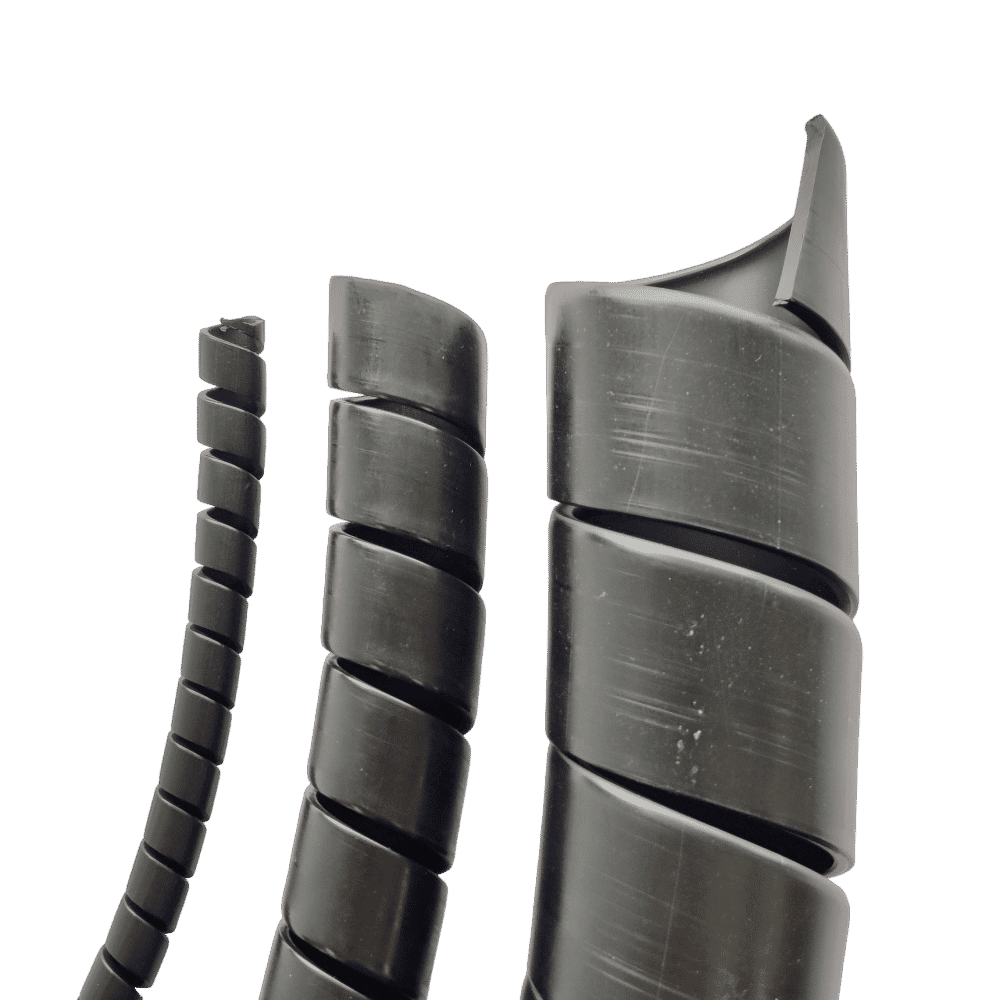
In the instance of our website, we sell many types of rubber or plastic edging which has uses for many things such as protection for sharp materials like metal or plastic.
Please get in touch with one of our technical specialists at technical@vital-parts.co.uk for any projects or ideas that need professional advice or management.
.jpeg)
This diagram depicts the process of extrusion using an extrusion tool
Examples of Extruded Products from our website
Plastics and Rubbers

Nylon
Available in natural and black, extremely durable and strong material, damage resistent to oil and chemicals.
ABS
Used in a vareity of products from medical applications to kids toys, good surface aspect and very strong.
LDPE
Good flexibility and impact resistance, toughness and corrosion resistent. Used for manufacturing various containers, tubing, plastic parts of computer components.
HDPE
High Density Polyethylene is one of the most versatile materials, good low tempreture resistance and weatherproof. Used in piping and plastic bottles.
Natural Rubber
Rubber is extremly durable and has enhanced resistance to abrasion. It is known for it's impressive tensile strength an resilient material.
Silicone
Available in many colours and resistant to high tempretures. Suitable for food and catering applications.
EPDM
Good low tempreture properties (-40 degrees) and fireproof. Effective UV radation resistance. Can be used for automotive seals and general sealants.
Neoprene
A synthetic rubber that has good resistance to chemicals, water and heat resistance. It is more resitant to these properties then natural rubber. Good against sunlight and ages well.
Metals
Stainless Steel
This type of steel is corrosion resistent, strong, durable and easy to form and fabricate. It is used in many applications from screws, nuts and bolts to fridges and counter-tops.
Carbon/Mild Steel
Mild steel contains 0.05-0.30% carbon meaning t is malleable and ductile. This type of steel has low tensile strength but is cheap and easy to form. Used in cars, gears, buildings and bridges.
Aluminium
Aluminium is non-toxic and has high thermal conductivity as well as excellent corrosion resistance. It is used in many industries such as aviation, automotive and catering.
Brass
This material is used in resonance and acoustic products and has a low melting point while being a good conductor. It also has excellent corrosion resistance. It is suitable to be used in soil, sea, and chemical processing.
Titanium
Titanium is one of the strongest metals of them all and has great strength-to-weight ratios. Some other characteristics like high-heat resistance and high melting point make it suitable for the aviation industry/ high heat applications.
Copper
This metal has many unique characteristics, including high conductivity, fire resistance, durability, ductility and can be recycled infinitely without any loss of quality. It is consistently used in wiring and electronic applications.
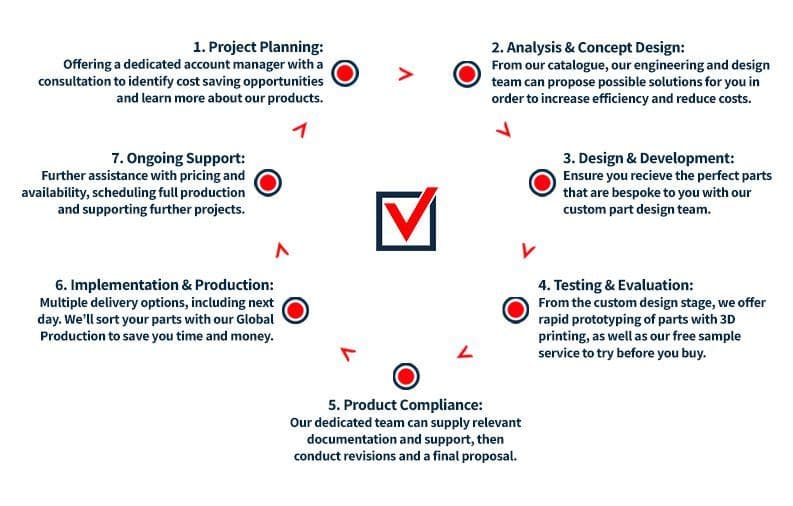
Our Value Added Services
Their are many ways we can help
-
Custom product Manufacturing
-
Product lifecycle management
-
Second line finishing
-
Engineering and technical support
Need help?
Please get in touch if you would like to speak with a member of our Sales/Technical team team regarding standard or custom parts.
CONTACT usRelated posts
-
 What Is Plastic Injection Moulding?Explore the Process Steps, Materials & Applications in Precise DetailRead more
 -
 Different Plastic Manufacturing Processes available at Vital PartsAn overview of Plastic Manufacturing TechniquesRead more
 -
Leave a comment