

Search all blogs
Latest posts
-
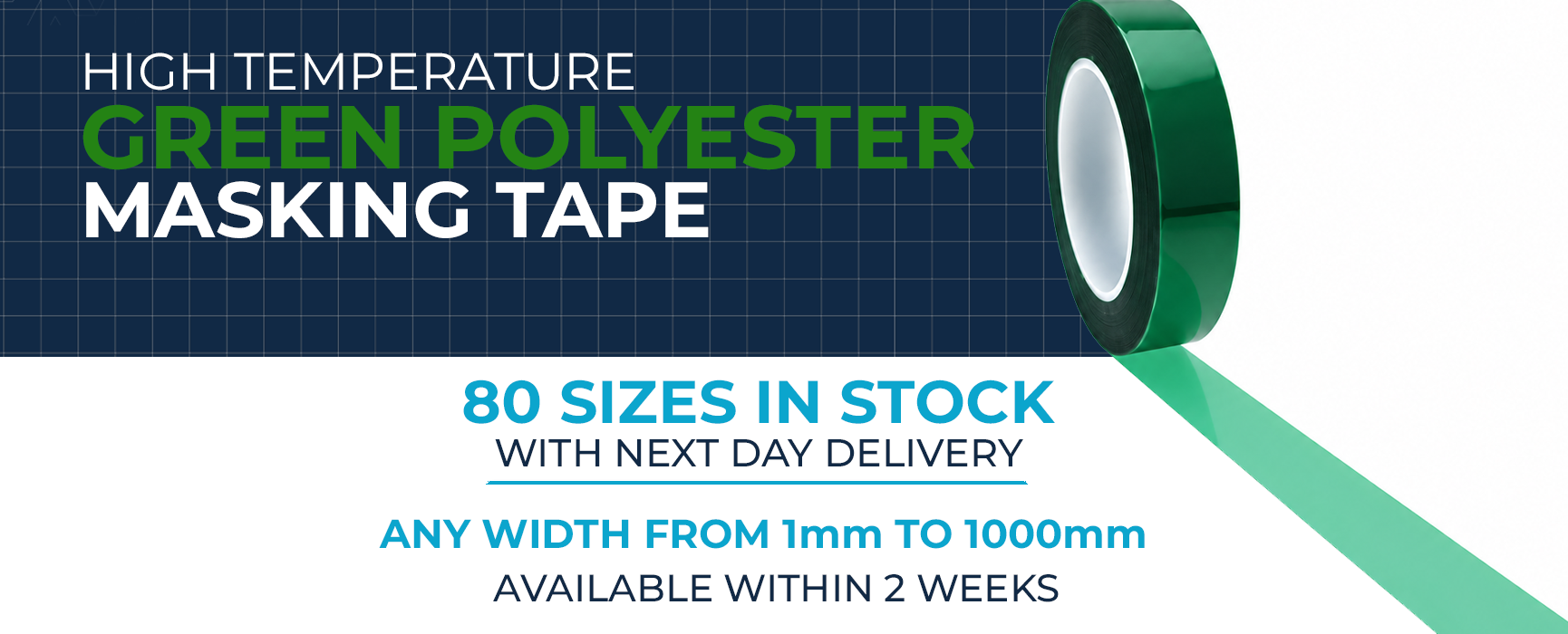 Guide to Green Polyester Tape10/09/2026Read more
Explore our Green Polyester Tape range for high temperature masking with 80 stocked sizes, 40 widths and 25 or 80...
-
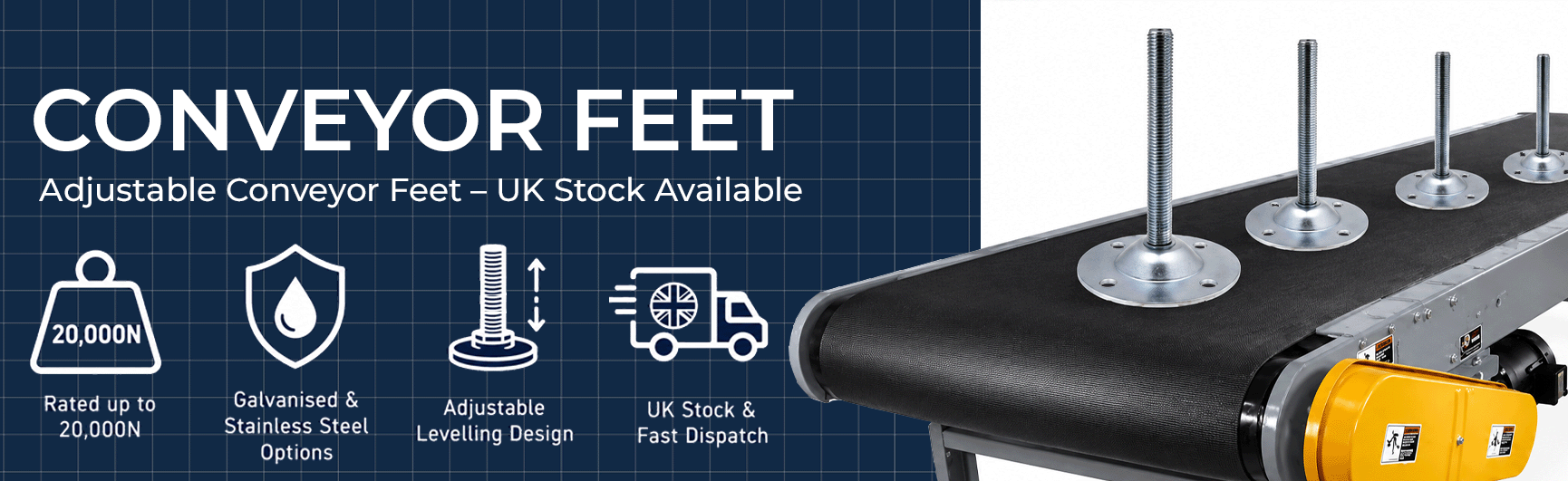 Conveyor Feet Guide: Types, Materials & Installation03/07/2026Read more
Everything you need to know about conveyor feet, types, load ratings, materials, installation steps and how...
Different Plastic Manufacturing Processes available at Vital Parts
The Different Plastic Manufacturing Processes available at Vital Parts
Plastics have revolutionised the manufacturing world with their versatility, durability, and cost-effectiveness. From everyday household items to sophisticated industrial components, plastics are all around us. The secret behind their widespread application lies in the variety of manufacturing techniques that can be adapted to suit different needs and specifications. In this blog, we are going to delve into the most popular methods of plastic manufacturing available from Vital Parts, exploring how each process works, its typical applications and examples of products we sell where you can see this.
-
Injection Moulding
- Description: Injection moulding is the most common process used for the majority of components sold and produced from Vital Parts. It involves melting plastic pellets and injecting the molten plastic into a mould under high pressure. Once cooled, the mould is opened, and ejector pins release the finished product (with or without sprue attached)
-
Applications: This method is widely used for mass-producing products with intricate shapes, like toys, automotive components, and consumer electronics.
-
Parts: Good examples of injection moulded parts are Chair Feet, Tapered Caps, Blanking Plugs and Nut Caps.
-
Pricing: Very Low-Low cost of parts, Mid-Range Tooling
-
Further Notes: Fairly automated once running, cycle times vary depending on thickness and size of material, range of different size tools depending on cavities and weight of product.
-
Extrusion
-
Description: In extrusion, plastic pellets are melted and pushed through a die to create long continuous shapes (think playdough). The shapes are then cut to the desired length.
-
Applications: Used to produce pipes, tubes, edging strip, window frames, and plastic sheets.
-
Parts: Popular ranges for extrusions are Edging Strips, Reinforced Edging Trim, Spiral Hose Wrap
-
Pricing: Low-Mid Range Cost of Parts, Low-Cost Tooling
-
Further Notes: Very Automated once running, set up times can be quite long depending on complexity of the extrusion.
-
-
Dip Moulding
-
Description: Dip Moulding involves creating a tool which is preheated in an oven, and then dipped into PVC material. The PVC takes the form of the mould and starts to cure to the mould. It is then put into another over which will cure the product, which is then removed either by hand or by air.
-
Applications: Primarily used for making caps or grips of simple dimensional ability with a usually a gloss finish.
-
Parts:PVC Caps, Grips
-
Price: Low-cost of parts, Low-cost tooling.
-
Further Notes: Limited on capability and materials due to nature of process, short set up time but easy to manufacture and cheap.
-
-
Rotational Moulding
-
Description: This involves a heated mould that is filled with a charge or shot weight of material. It is then slowly rotated, causing the softened material to disperse and stick to the walls of the mould.
-
Applications: Suitable for creating large, hollow products like water tanks, kayaks, and playground equipment.
-
Parts: Large Pipe Caps, Flange Protectors
-
Pricing: Mid-High Cost Parts, High-Cost tools
-
Further Notes: Very Manual, slow process which requires normally a lot of finishing and processing after moulding to give finished product. Not well suited to high volume parts but very large dimensional moulding available.
-
-
Thermoforming
-
Description: Thermoforming involves heating a plastic sheet until it's pliable, then forming it over a mould. The sheet is held against the mould by applying vacuum pressure.
-
Applications: Commonly used for packaging materials, including blister packs and clamshell packaging.
-
Parts: We don’t do a huge amount of vacuum forming at Vital Parts
-
Price: High-Cost Parts, High-Cost Tools (maybe specialists would argue this)
-
Further Notes: Not much experience within this market to give further insight.
-
-
Compression Moulding
-
Description: This process involves placing a plastic material in a heated mould cavity and applying pressure to shape the material into the desired form.
-
Applications: Ideal for large, simple parts like automotive parts and electrical components.
-
Parts: Rubber Adjustable Feet, Anti Vibration Mounts
-
Price: Low-Mid cost of parts, Low-Mid Cost Tooling
-
Further Notes: Sometimes can need further processing after moulding, semi-automated process but depends on what the part shape and material is.
-
-
3D Printing (Additive Manufacturing)
-
Description: 3D printing builds parts layer by layer from CAD data. The process involves the extrusion of melted plastic or the use of lasers to harden a plastic resin.
- Applications: Used for prototyping, custom parts, and increasingly, in production manufacturing.
-
Parts: A lot of our custom moulded products are first prototyped for free on our 3d printing machines for customers to prove the concept.
-
Price: Low-cost parts for very small volume, high cost for large volume. NO TOOLING
-
Further Notes: Amazing way to create a part prototype or prove a design concept in an extremely quick turnaround time.
-
-
Blow Moulding
-
Description: Like injection moulding, blow moulding starts with melting plastic. The molten plastic is formed into a parison, a tube-like piece with a hole at one end. It's then clamped into a mould, and air is blown into it, inflating the plastic into the shape of the mould.
-
Applications: Primarily used for making hollow objects such as bottles, containers, and other liquid holding products.
-
Parts: Not something we manufacture at Vital Parts due to the considerably high volume usually required to be competitive within this industry.
-
Price: Not enough experience to comment.
-
Further Notes: Not enough experience to comment.
-
Conclusion: The plastic manufacturing industry continues to evolve, with new technologies and processes emerging regularly. Each method offers unique advantages and is suited for different types of products and designs. Understanding these techniques is crucial for manufacturers, designers, and engineers to understand the limitations of and when to utilise different moulding processes.
Vital Parts has a vast knowledge and experience within the company with 100’s of years work within the plastic and rubber industry to help guide and advise the best route forward, help with design considerations with each process and the most cost-effective way to meet your budgetary and product demand requirements. Visit our Custom Moulding Page to organise a phone call with a specialist Plastic Moulding Technical Executive.
Related posts
-
 What Is Plastic Injection Moulding?Explore the Process Steps, Materials & Applications in Precise DetailRead more
 -
-
Leave a comment