



































































Search all blogs
Latest posts
-
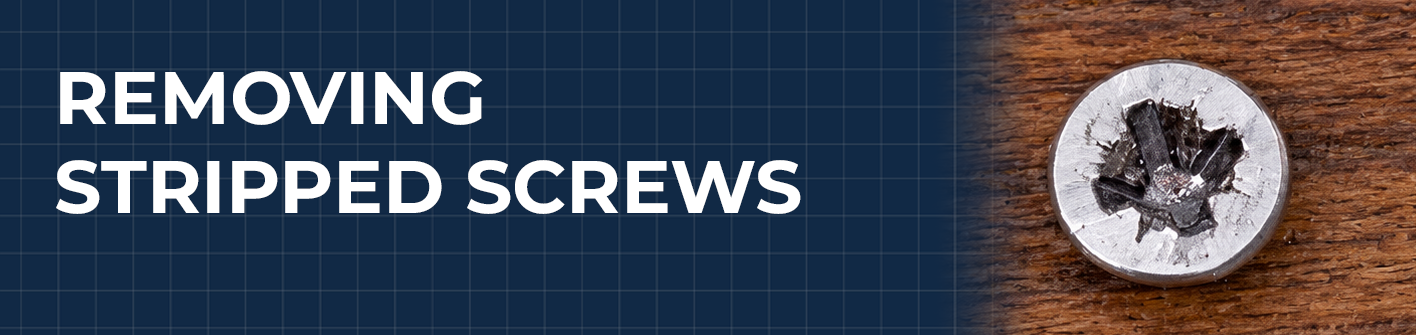 How to Remove a Stripped Screw15/10/2026Read more
A practical guide to removing stripped, rounded and broken screws using common tools, specialist methods and...
-
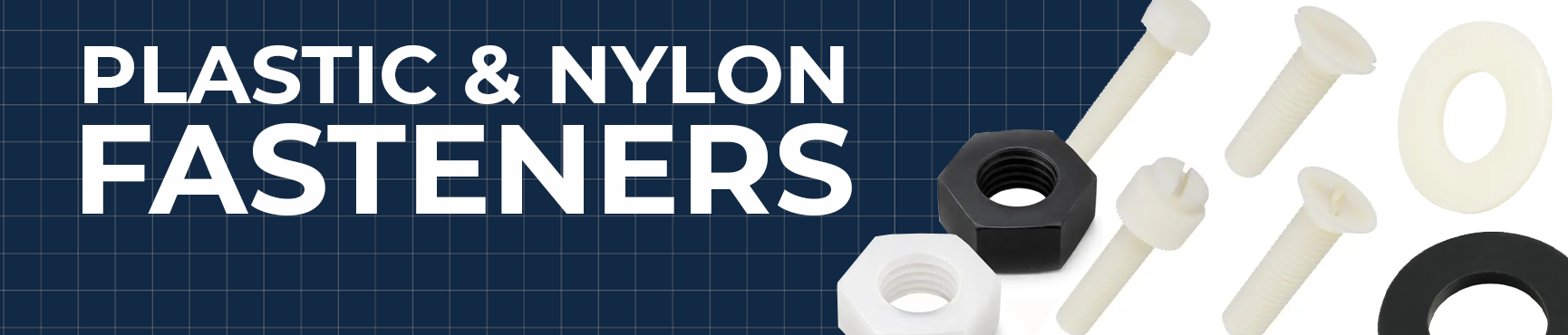 Find the Right Plastic & Nylon Fastener13/10/2026Read more
A practical guide to choosing plastic and nylon fasteners, covering screws, nuts, washers, thumb screws,...

The Complete Guide To IP Ratings
IP ratings, which stands for Ingress Protection ratings, are a standardised system of classification that signify the degree of protection a device has against ingress from solids and liquids. These IP ratings are standardised by the International Electrotechnical Commission (IEC) under the IEC 60529 standard, providing clear guidance on waterproof and dustproof capabilities for electrical equipment worldwide. The definition and structure of IP ratings, including the significance of the two digits and adherence to IEC 60529, are well established in scholarly literature.
Understanding IP ratings explained is essential for selecting the right equipment for your environment, whether you need dust protection, water resistance, or both. This comprehensive IP rating guide will help you navigate the various protection levels and choose products with appropriate IP waterproof ratings for your specific applications.
Understanding IP Rating Structure and Standards
An IP rating is composed of two numbers following the letters "IP". The first number, ranging from 0 to 6, represents resistance to solid objects like dust or dirt. The second number, from 0 to 9, shows resilience against moisture and determines the IP waterproof rating level.
These ratings provide manufacturers and users with a standardised method of evaluating protection levels, eliminating confusion from vague marketing terms like "waterproof" or "weather-resistant". The methodology and testing criteria for IP protection, including procedures for simulating dust ingress, temporary and continuous immersion, and varying levels of water exposure, are thoroughly documented in peer-reviewed research on IEC 60529 testing standards.
Complete IP Rating Chart: Solids and Liquids Protection
Here is a comprehensive IP rating chart showing how IP ratings are defined for both solids and liquids protection:
| IP Rating | Solids Protection | IP Rating | Liquids Protection |
|---|---|---|---|
| IP1X | Protected against solid objects greater than 50mm, such as hands | IPX1 | Protected against vertically falling water drops with limited ingress |
| IP2X | Protected against solid objects greater than 12.5mm such as fingers | IPX2 | Protected against falling water drops with enclosure tilted up to 15° |
| IP3X | Protected against solid objects greater than 2.5mm such as screwdrivers | IPX3 | Protected against water sprays up to 60° from vertical for 3 minutes |
| IP4X | Protected against solid objects greater than 1mm such as wires | IPX4 | Protected against water splashed from all directions with limited ingress |
| IP5X | Limited dust ingress - will not affect equipment operation for 2-8 hours | IPX5 | Protected against low-pressure water jets from any direction |
| IP6X | Dust tight - complete protection with no dust ingress for 2-8 hours | IPX6 | Protected against powerful water jets and heavy seas |
| - | - | IPX7 | Protected against temporary immersion in water (15cm to 1m depth for 30 minutes) |
| - | - | IPX8 | Protected against continuous immersion in water under pressure beyond 1 metre |
| - | - | IPX9K | Protected against high-pressure, high-temperature water jets (80°C at 8-10 MPa) |
Popular IP Rating Comparisons: IP65, IP67, and IP68
IP68 vs IP67 Rating: Understanding the Differences
Both IP67 rating and IP68 are amongst the most common IP waterproof ratings for consumer electronics and industrial equipment. An IP68 rating indicates total dust protection (6) and resistance to continuous immersion in water beyond 1 metre (8). It is considered the highest standard for waterproof protection in most applications. Technical reviews have assessed the practical impact of these protection levels in both regular and extreme use cases, providing clear distinctions between common ratings such as IP67 vs IP68.
IP67 rating also offers complete dust protection (6), but provides temporary water immersion protection (7) only. The '7' signifies immersion up to 1 metre for short periods (typically 30 minutes), making it less waterproof than IP68 for extended submersion applications.
IP65 Rating: Ideal for Outdoor Applications
An IP65 rating provides complete dust protection (6) and protection against low-pressure water jets from any direction (5). This makes IP65 rating devices ideal for outdoor installations where exposure to rain and dust is expected, but full water immersion is not anticipated.
What is IPX5? Understanding Single-Aspect Ratings
When you see an IPX5 rating, the "X" indicates that no specific solid particle protection rating has been assigned or tested. The "5" confirms protection against low-pressure water jets projected from any direction. IPX5 rated devices can withstand water from garden hoses, shower heads, or heavy rain, making them suitable for outdoor electronics like speakers or temporary installations where dust protection is less critical than water resistance.
According to testing standards, IPX5 protection involves 12.5 litres of water per minute projected through a 6.3mm nozzle from a distance of 2.5-3 metres for at least 3 minutes, ensuring reliable protection against most common water exposure scenarios. Comprehensive research on dust and water resistance testing methodology for mobile, wearable, and rugged electronics has validated these test procedures for various IP ratings including IPX5, IPX6, IPX7, and IPX8.
What Does Waterproof and Dustproof Mean in IP Ratings?
In IP ratings explained, 'waterproof' refers to a high second digit, particularly 7, 8, or 9, indicating water resistance capabilities. However, 'waterproof' does not always mean suitable for full submersion - the specific conditions depend on the exact rating. For instance, IP65 rating offers excellent water jet protection but not submersion protection. Academic research has clarified the meaning of "dustproof" (IP6X) and "waterproof" (IPX7/IPX8) designations, helping to distinguish between these protection levels in practical applications.
A device is considered 'dustproof' when its first digit is 6, showing complete protection from dust particles. Lower ratings like IP20 rating provide basic finger protection (2) but no water protection (0), while IP54 rating offers limited dust protection (5) and splash water protection (4), suitable for indoor environments with occasional moisture exposure.
Common Products with IP Ratings and Applications
IP ratings are found across numerous industries and applications. Mobile phones, tablets, and laptops commonly feature ratings from IP54 to IP68. Many outdoor and industrial products like electric showers, CCTV systems, lighting fixtures, and power tools require specific IP waterproof ratings to ensure reliable operation in challenging environments.
Household devices such as electric kettles and kitchen scales also carry IP ratings, helping consumers assess durability and usage suitability. Industrial applications often require higher ratings, with equipment needing IP65 rating or above for outdoor installations.
Which IP Rating is Most Waterproof?
IP68 is widely recognised as providing the highest level of waterproof protection for general applications. It ensures complete dust protection and resistance to continuous immersion in water, making it ideal for devices exposed to wet conditions regularly.
However, for specialised applications requiring protection against high-pressure wash-downs, IPX9K offers the ultimate IP waterproof rating. This rating protects against high-temperature (80°C), high-pressure water jets and is commonly specified for food processing equipment and agricultural machinery requiring intensive cleaning.
Can IP65 Be Used in the Rain?
Yes, absolutely. IP65 rating devices are specifically designed to withstand low-pressure water jets from any direction, making them highly suitable for outdoor use in rain conditions. The '5' in the IP65 rating provides protection equivalent to water projected from a nozzle, which exceeds typical rainfall intensity.
Outdoor lighting systems frequently specify IP65 rating or higher, ensuring reliable operation through seasons of rain, snow, and varying weather conditions without compromising safety or functionality.
IP Rated Products at Vital Parts
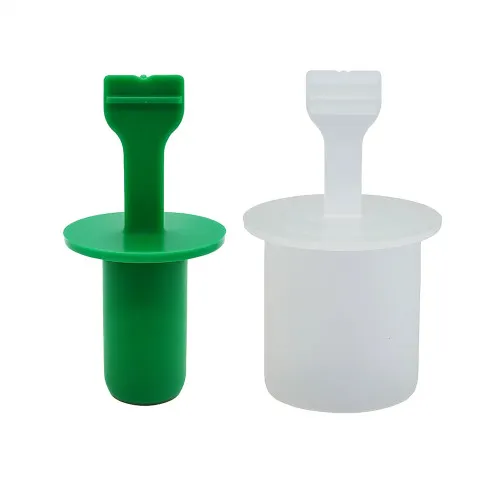
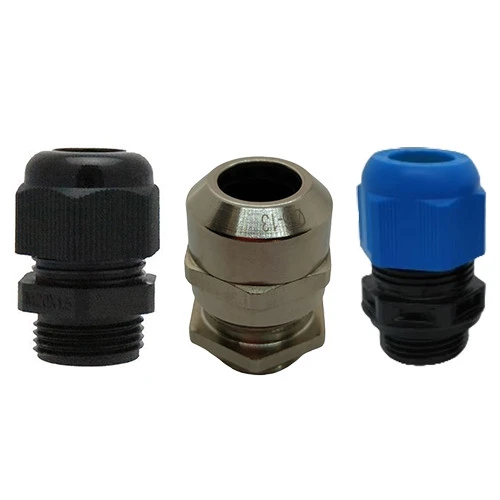
At Vital Parts, we offer an extensive range of IP Rated Cable Glands that provide secure, weatherproof seals for cable entry points. Our products meet various IP waterproof ratings to suit different environmental requirements and applications.
Our comprehensive range of IP rated sealing solutions includes:
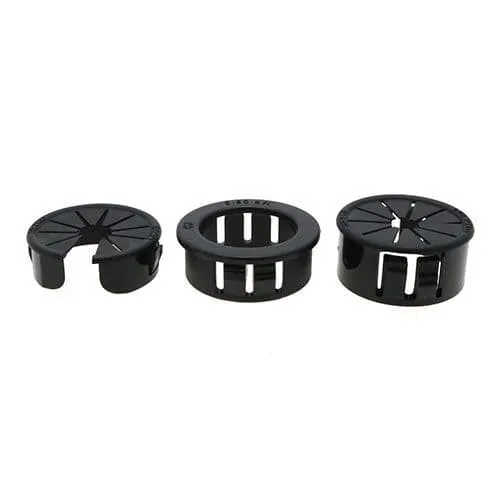
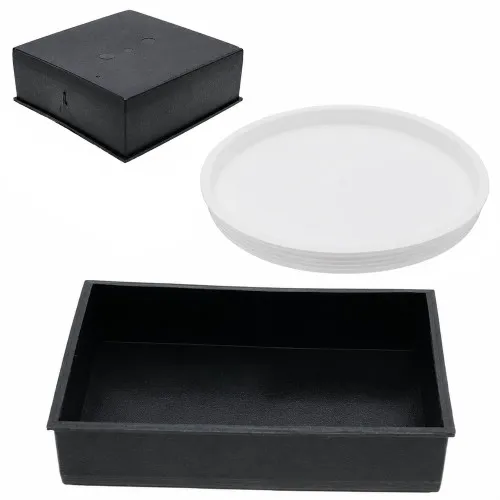
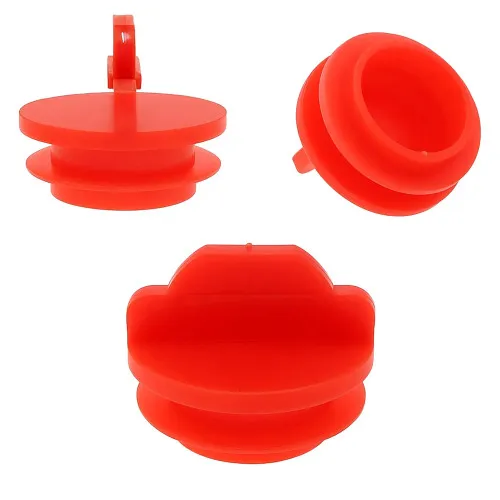
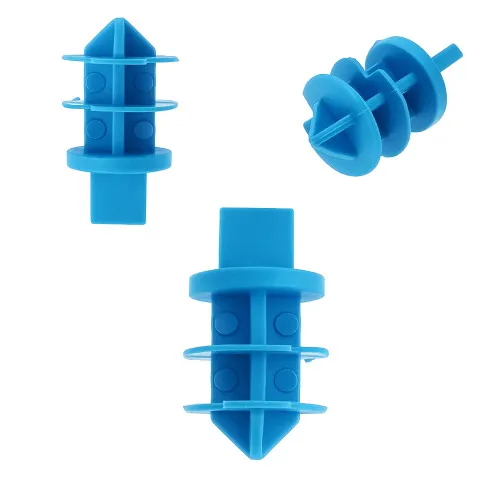
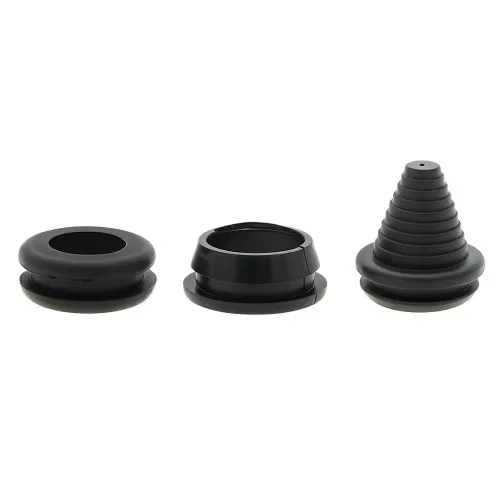
- Liquid Tight Break Through Plugs – create reliable sealed cable entry points with high IP ratings
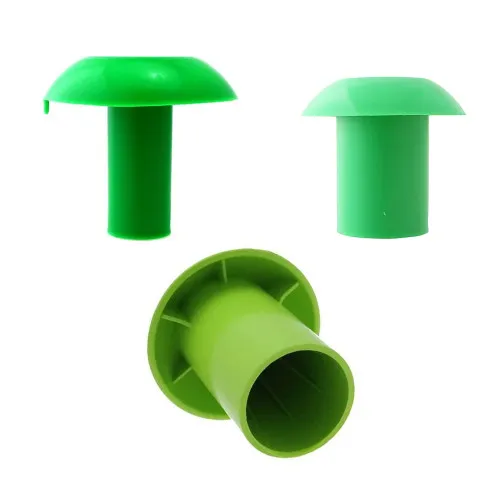
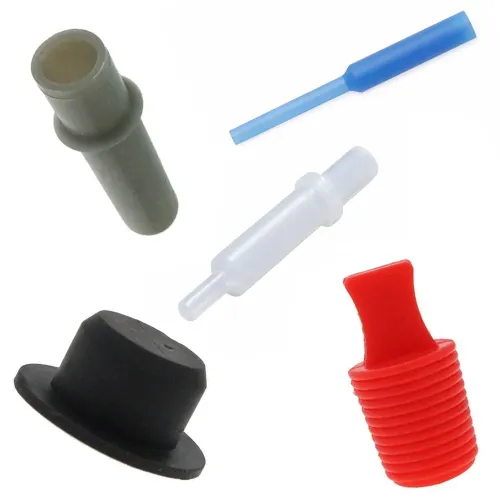
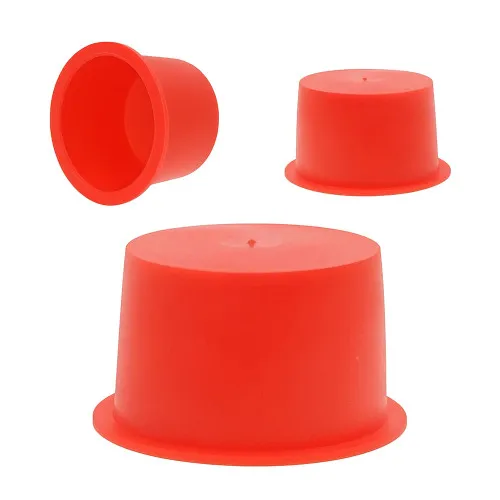
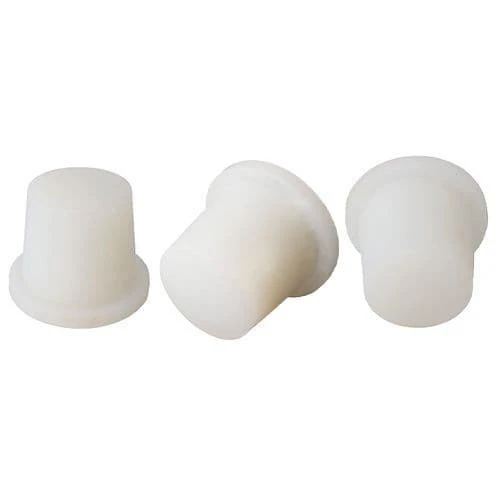
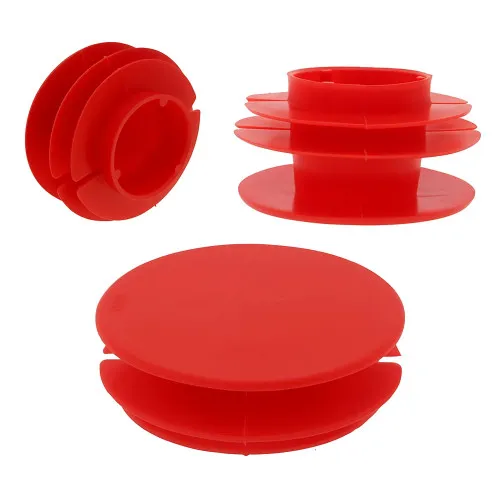
- Liquid Tight Blanking Plugs – seal unused panel holes to maintain enclosure IP waterproof ratings
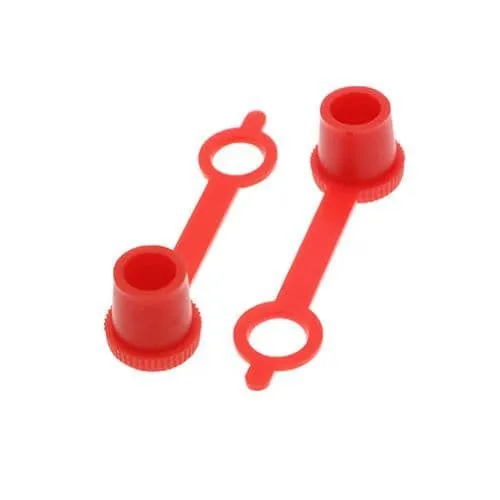
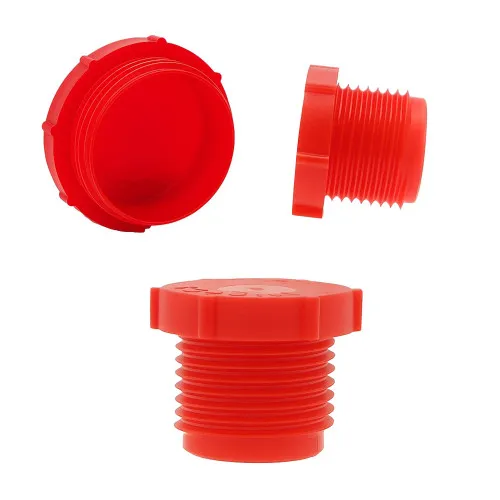
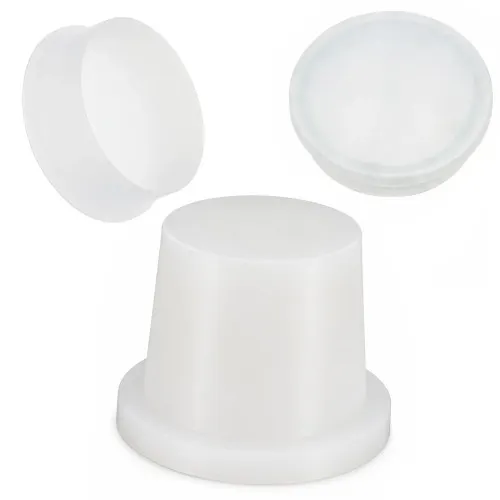
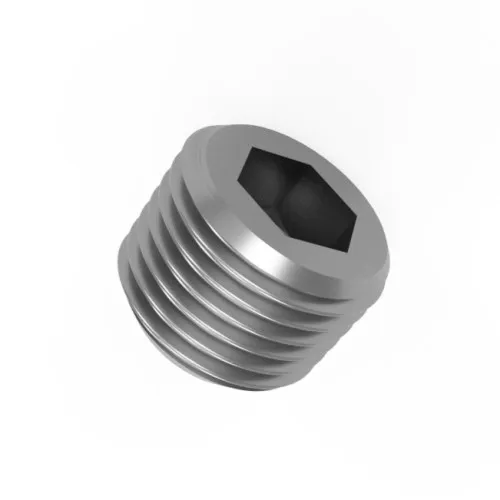
- Threaded Sealing Caps – provide watertight seals for threaded holes or pipes
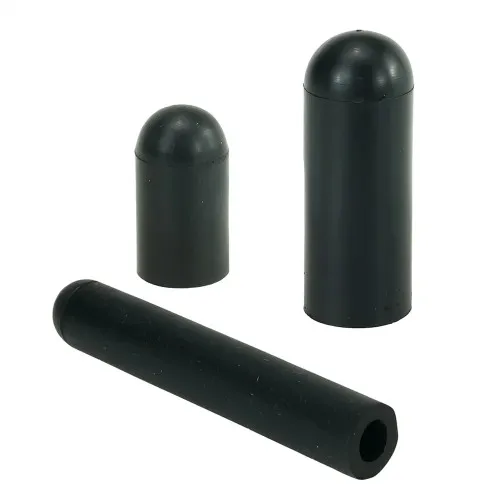
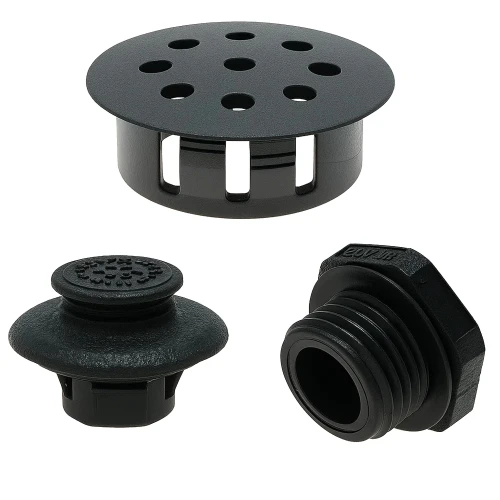
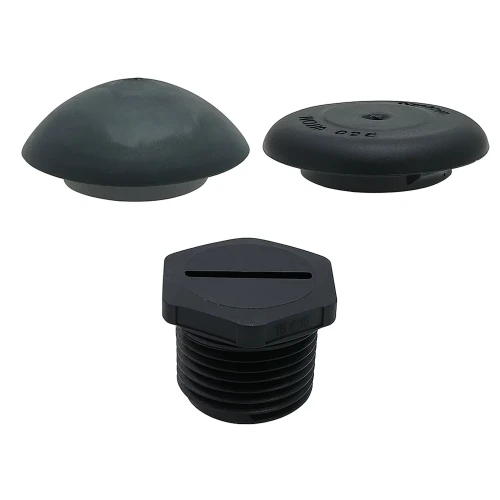
- Liquid Tight Snap In Vent Plugs and Threaded Vent Plugs – allow essential ventilation whilst maintaining liquid tight seals
Frequently Asked Questions About IP Ratings
What do the numbers in IP ratings actually mean?
The first number (0-6) indicates protection against solid objects and accidental contact. The second number (0-9) shows protection against water ingress. Higher numbers provide greater protection. For example, IP67 rating means complete dust protection (6) and temporary water immersion protection (7).
What is the difference between IP65 and IP66 ratings?
Both IP65 rating and IP66 provide complete dust protection (6). The difference lies in water protection: IP65 rating protects against low-pressure water jets (12.5 L/min at 30 kPa), while IP66 protects against powerful water jets (100 L/min at 100 kPa). Choose IP66 for applications with high-pressure water exposure.
Can IP54 products be used outdoors?
IP54 rating provides limited dust protection (5) and splash water protection (4). While suitable for covered outdoor areas with minimal direct water exposure, IP54 rating products are better suited for indoor applications. For reliable outdoor use, consider IP65 rating or higher.
What does IP20 rating mean for indoor equipment?
IP20 rating offers basic finger protection (2) against accidental contact with hazardous parts, but no water protection (0). This rating is common for indoor electrical equipment, control panels, and switches where water exposure is not expected but user safety from electrical contact is important.
Are IP ratings cumulative for water protection?
Water IP ratings are not cumulative beyond level 6. A device with IPX7 (immersion protection) may not necessarily pass IPX5 or IPX6 (water jet) tests. Products tested for multiple water protection levels are marked with both ratings separated by a slash, such as IPX5/IPX7.
How are IP ratings tested and certified?
IP ratings are tested according to IEC 60529 standards by accredited testing laboratories. The testing involves specific procedures for each protection level, including controlled dust chambers for solid ingress testing and precise water spray or immersion tests for liquid protection verification.
What IP rating is needed for bathroom installations?
Bathroom environments require different IP ratings depending on the zone. Areas near baths and showers typically require minimum IP65 rating, whilst areas further from direct water contact may only need IP44 rating. Always consult local electrical regulations for specific requirements.
Can IP ratings change over time?
Yes, IP ratings can degrade over time due to wear, aging seals, thermal cycling, and mechanical stress. Regular maintenance and inspection of sealing components is essential to maintain the specified protection levels, particularly in demanding industrial environments.
Understanding IP Standards and Testing
The IP rating system is governed by the International Electrotechnical Commission (IEC) under standard IEC 60529, first published in 1976 to create unified requirements for protection testing. This standard is recognised globally and ensures consistency in how protection levels are measured and reported. Recent evaluations have examined limitations and provided recommendations for improving IEC 60529's relevance in contemporary electronics environments.
Testing facilities use standardised equipment and procedures to verify IP ratings. These tests include controlled dust chambers for solid ingress protection and precise water delivery systems for liquid protection verification, ensuring reliable and repeatable results across different manufacturers and products. Quality assurance procedures for determining Ingress Protection Codes have been extensively researched to ensure test result accuracy and reliability.
Understanding IP ratings explained through proper standards helps ensure you select equipment with verified protection levels rather than relying on marketing claims. This standardised approach protects both manufacturers and end users by providing clear, measurable protection criteria.
Understanding IP ratings like IP65, IP67 rating, and IP68 enables you to choose products that suit your environment perfectly, whether you need dust protection, IP waterproof rating capabilities, or both. Use this comprehensive IP rating guide and IP rating chart to make informed decisions about equipment protection requirements.
References
1 S. Kummerl, "Dust and Water Resistance Testing Methodology for Mobile, Wearable, and Rugged Electronics per IEC 60529 (IPX5, IPX6, IPX7, IPX8, etc.)," International Symposium on Microelectronics, vol. 2019, no. 1, 2019. Available: https://meridian.allenpress.com/ism/article/2019/1/000423/433121/
2 D. Gabor et al., "Quality assurance of test results for the determination of Ingress Protection Code for Ex equipment enclosures," MATEC Web of Conferences, vol. 342, 2021. Available: https://www.matec-conferences.org/articles/matecconf/pdf/2021/11/matecconf_simpro21_01010.pdf
3 "IP67 vs IP68: What do IP ratings mean?" Academia.edu, 2019. Available: https://www.academia.edu/40322351/IP67_vs_IP68_What_do_IP_ratings_mean
4 "Evaluation of IEC 60529 as a standard for liquid protection assessment of portable electronics," e-Prime - Advances in Electrical Engineering, Electronics and Energy, 2025. Available: https://www.sciencedirect.com/science/article/pii/S2772671125000592
Got a question? Need some help?
Our friendly Product Support Team are here to help, so please just give us a call if we can assist you with sourcing standard and custom parts.
CALL USRelated posts
-
 Stainless Steel Equivalent GradesCompare stainless steel grades and find the perfect match for your next project.Read more
 -
 Stainless Steel Fasteners: Tightening and Breaking TorquesUnderstanding the Limits: How to Properly Tighten Stainless Steel Fasteners Without Compromising Strength or...Read more
 -

Leave a comment
Comments
The Complete IP Rating Guide: Understanding IP65, IP67, IP68
By: Robert On 20/10/2026Hi! I could have sworn I've been to your blog before but after browsing
through many of the articles I realized it's new to me.
Anyhow, I'm definitely happy I found it and I'll be book-marking it and checking back frequently!
My web page - Seo Wordpress