






































































Search all blogs
Latest posts
-
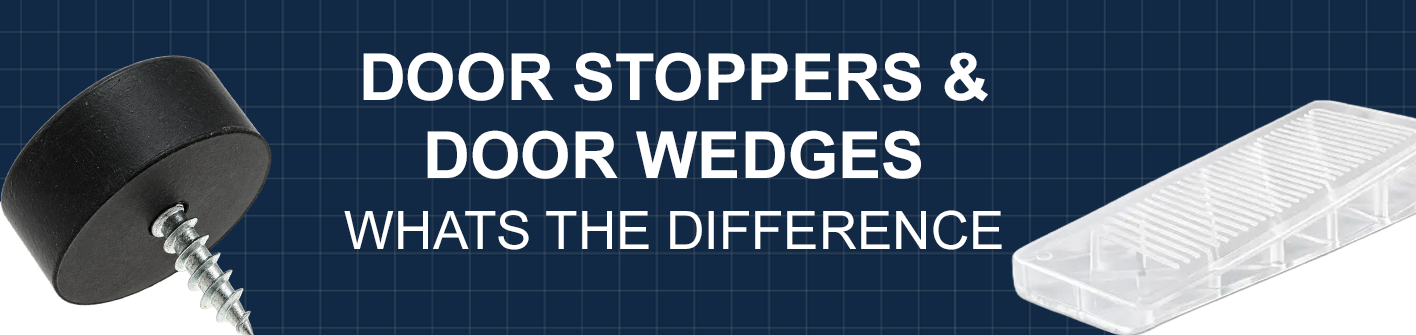 Door Stoppers & Door Wedges19/09/2026Read more
Learn the difference between door stoppers and door wedges, how each type works and where they are commonly...
-
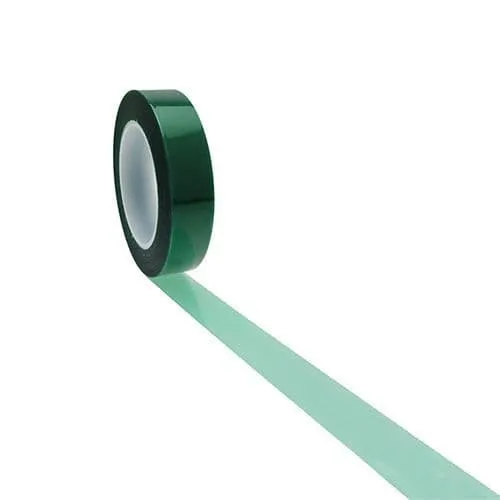
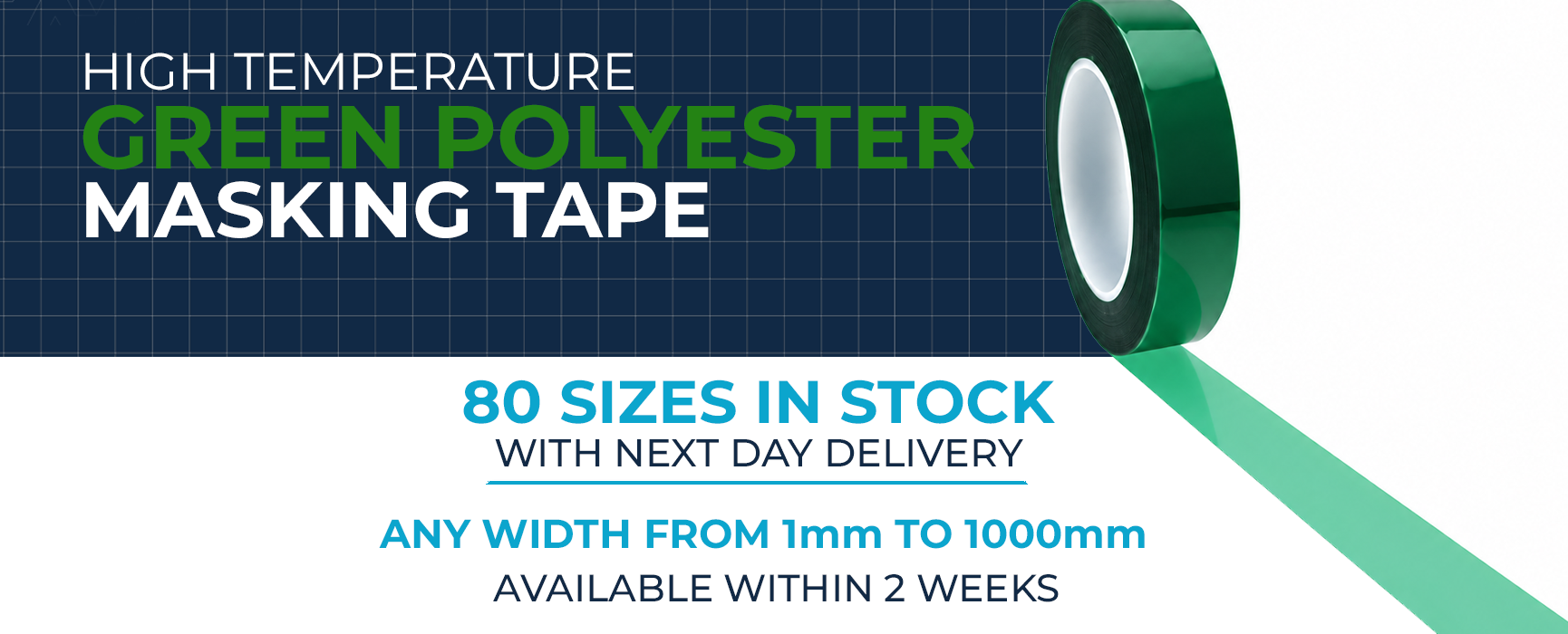 Guide to Green Polyester Tape10/09/2026Read more
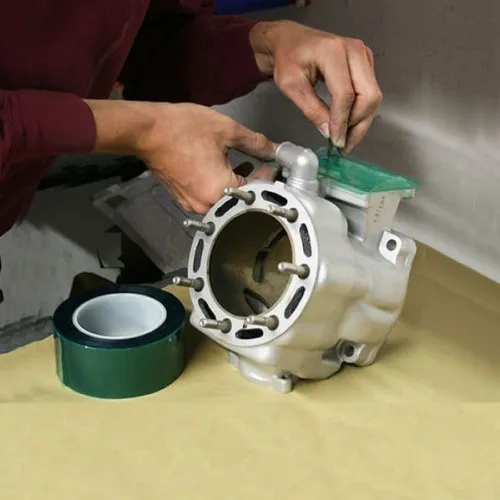
Explore our Green Polyester Tape range for high temperature masking with 80 stocked sizes, 40 widths and 25 or 80...
Does Stainless Steel rust?
What is Stainless Steel?
Stainless Steel is an alloy of Iron and Carbon; containing at least 10.5% Chromium and less than 1.2% Carbon, alongside other elements. It boasts many superior benefits which are suitable for a wide range of applications in comparison to other metals.
Stainless Steel is manufactured in a range of grades which have varying characteristics such as material composition, resistance, strength, mechanical properties, aesthetics, sustainability and hygiene.
Does Stainless Steel Rust?
Unfortunately, the answer to 'Does Stainless Steel Rust?' is not as straightforward as saying yes or no; there are many external factors which must be considered in order to provide an accurate answer.
Stainless Steel is the generic name used to describe a wide range of alloys which are categorised by grade; with each grade boasting it's own unique characteristics.
In real-world use, questions like can stainless rust and would stainless steel rust usually depend on the environment: salt air, harsh chemicals, trapped moisture and surface contamination can all lead to staining or corrosion. This is why some people conclude that stainless steel will rust, even though it is designed to be rust resistant compared to standard steels.
Stainless Steel Features
Corrosion Resistance
The amount of corrosion resistance that Stainless Steel has is dependent on a variety of features and the environment that surrounds it.
Sustainability
All Stainless Steel materials can be fully recycled into new products; making them an environmentally friendly material.
Aesthetics
Stainless Steel can be manufactured with finishes such as matte,brushed and engraved.
Mechanical Resistance
Each grade of Stainless Steel has it's own strengths; from density to tensile strength.
Hygiene
Some Stainless Steel grades have a better resistance to cleaning chemicals than others. As well as this, each grade has a different surface roughness; the rougher the surface, the easier it is for bacteria to hide.
Chemical Resistance
Each Stainless Steel grade has a resistance to different types of chemicals such as acid, saline water and alcohol.
Temperature Resistance
Each Stainless Steel grade has a varying range of temperature resistance.
Cost
Stainless Steel grades have varying costs attached to them; predominantly due to their material composition.
Steel Rust and Why It Happens
Rust forms when iron reacts with oxygen and moisture, which is why phrases like steel rust and steel and rust go hand-in-hand in practical maintenance and manufacturing discussions.
Does mild steel rust? Yes. Mild steel will typically corrode quickly unless it is protected with paint, plating or a suitable coating, especially in damp or outdoor conditions.
Can Stainless Steel Rust?
Can stainless rust is a fair question. Stainless relies on a thin protective surface layer, but some environments can damage or overwhelm it. In those cases, you may see surface staining or corrosion, which is why some people say stainless steel will rust in coastal or chemical-heavy locations.
- Chlorides: salt air, coastal spray and some cleaning products can cause pitting (A4/316 is commonly chosen for these conditions).
- Contamination: carbon steel dust from cutting or grinding can embed in the surface and rust.
- Trapped moisture: crevices, joints and enclosed areas increase corrosion risk.
Choosing Rust Resistant Screws
If you are selecting rust resistant screws, match the material to the environment and the service life you expect:
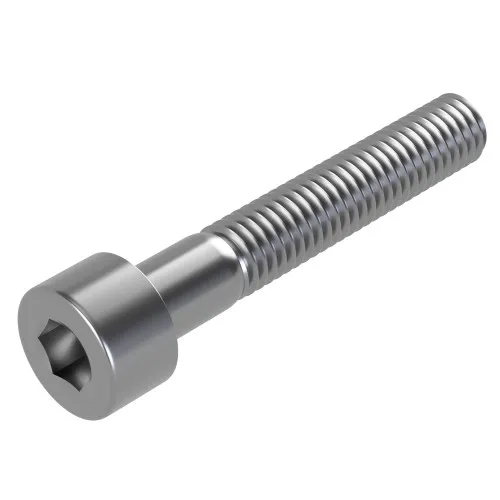
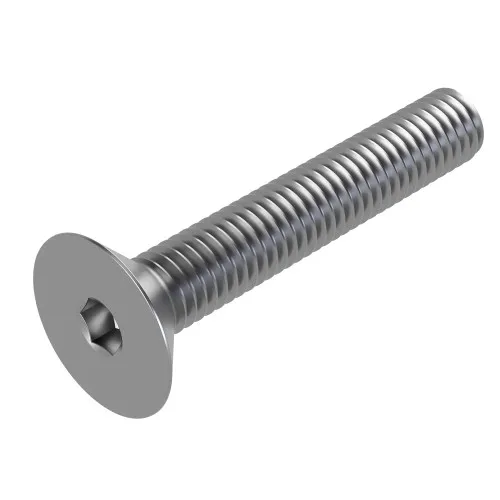
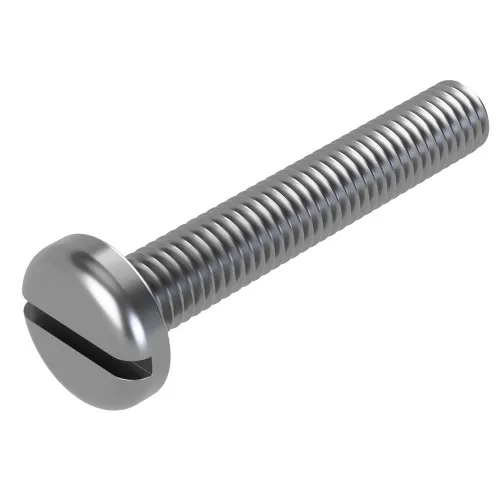
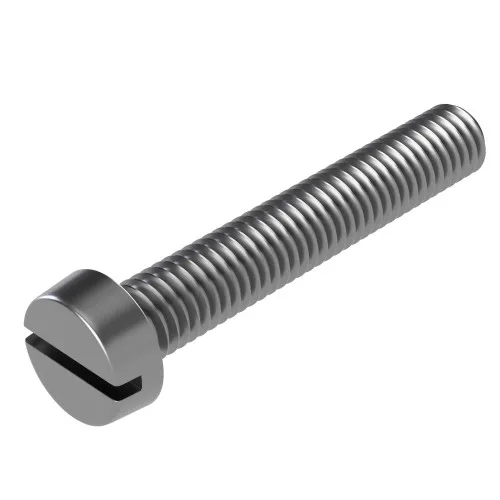
- A2 / 304 (common stainless): a popular option for general assembly, indoor projects and many outdoor uses.
- A4 / 316 (marine grade stainless): better for marine, coastal, humid or chemical-exposed environments where stainless steel will rust is more likely to be searched due to real-world failures of lower grades.
- Zinc plated steel / zinc coated steel: suitable for many indoor applications, but coatings can wear, so these are not the same as stainless for long-term moisture exposure.
Material Selection Table |
|||
| Grade | Features | Products | Applicable environments and applications |
| A1 / 303 |
|
|
|
| A2 / 304 |
|
|
|
| A4 / 316 |
|
|
|
For further technical information, take a look at our Stainless Steel chemical resistance and Stainless Steel quivalent grade blogs.
How to Reduce Rust on Stainless Steel
- Choose the right grade: A4/316 is typically preferred for marine or coastal conditions and chemical exposure.
- Avoid contamination: keep stainless separate from carbon steel grinding dust and swarf.
- Clean correctly: rinse after salt exposure and avoid harsh cleaners that can leave chloride residues.
- Design matters: reduce crevices where water and debris can sit.
How to Remove Rusted Screws With No Head
If you are dealing with a corroded fixing where the head is missing or unusable, these steps can help:
- Soak and wait: apply a penetrant and allow time for it to work into the threads.
- Create a new “drive”: cut a slot with a rotary tool, or hammer in a suitable bit to bite.
- Use a left-hand drill bit: drilling in reverse can sometimes back the screw out as you drill.
- Use an extractor: drill a pilot hole, seat the extractor, then turn counterclockwise with controlled torque.
- Escalate carefully: if it still will not move, apply heat (where safe) or drill out fully and re-tap the hole.
FAQ
Can't find the Stainless Steel product you're looking for?
Please get in touch if you would like to speak with a member of our team regarding standard or custom parts.
give us a callRelated posts
-
 Stainless Steel Equivalent GradesCompare stainless steel grades and find the perfect match for your next project.Read more
 -
 Stainless Steel Fasteners: Tightening and Breaking TorquesUnderstanding the Limits: How to Properly Tighten Stainless Steel Fasteners Without Compromising Strength or...Read more
 -

Leave a comment