

































































Search all blogs
Latest posts
-
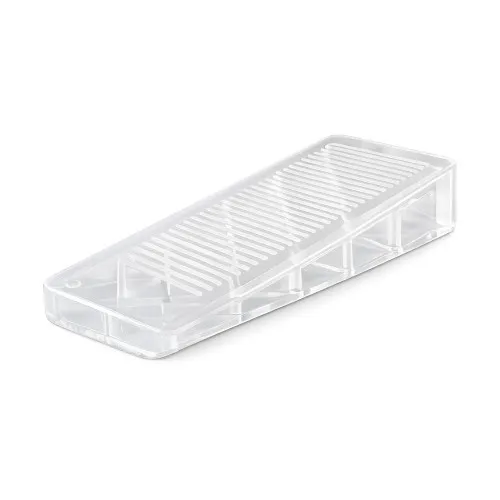
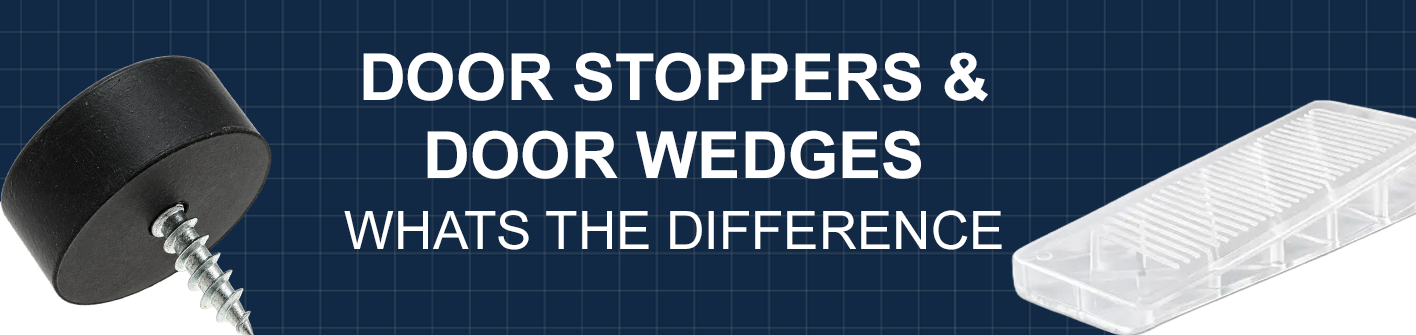 Door Stoppers & Door Wedges19/09/2026Read more
Learn the difference between door stoppers and door wedges, how each type works and where they are commonly...
-
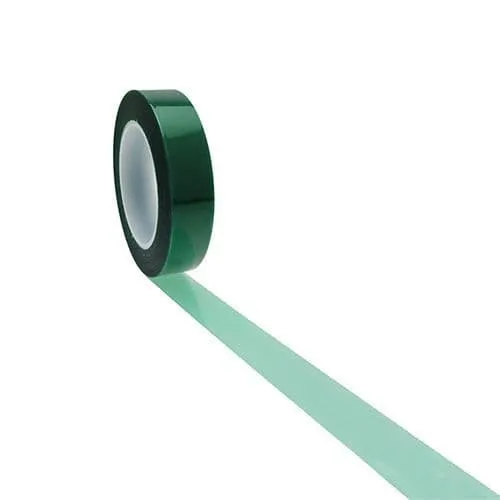
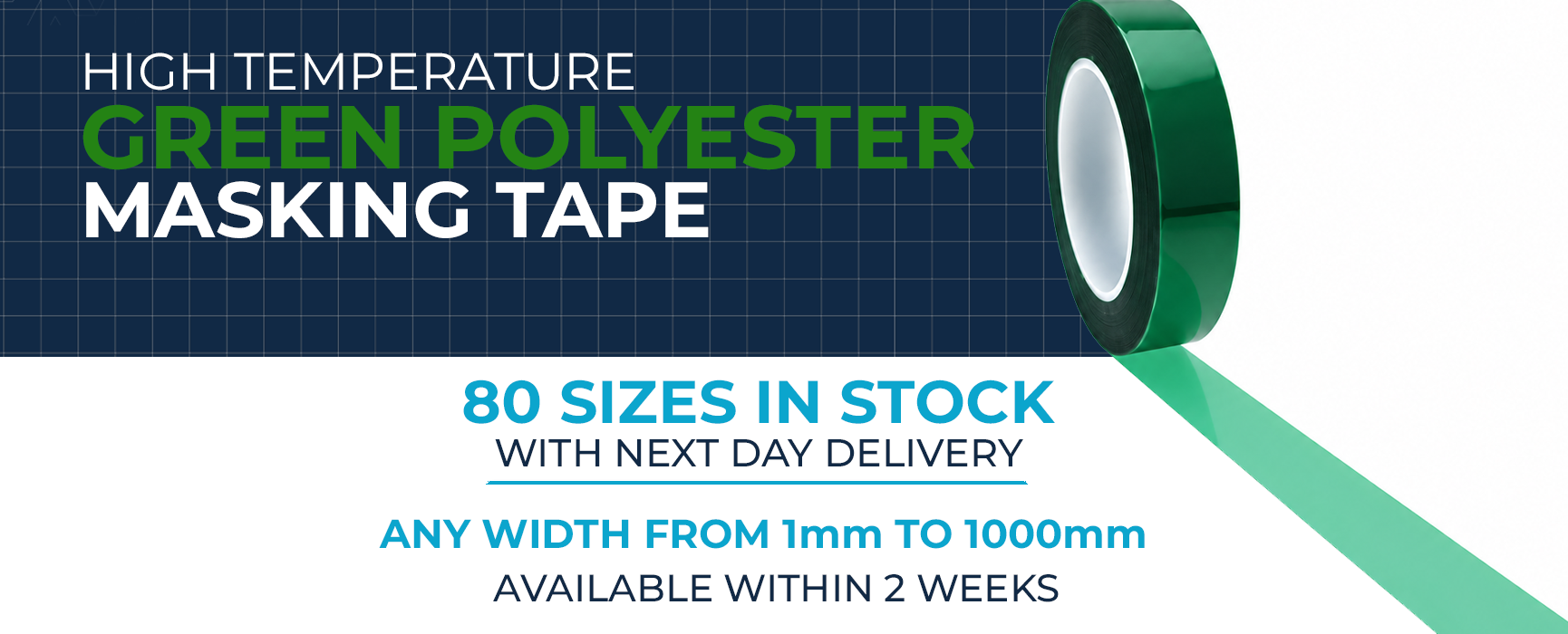 Guide to Green Polyester Tape10/09/2026Read more
Explore our Green Polyester Tape range for high temperature masking with 80 stocked sizes, 40 widths and 25 or 80...
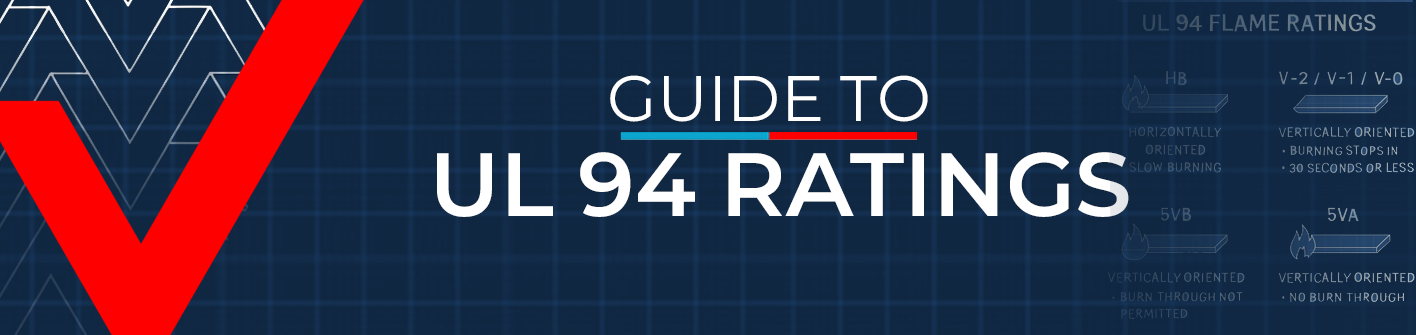
The Complete Guide To UL 94 Ratings
UL 94 Ratings Explained: HB vs V-0 V-1 V-2
UL 94 is a flammability standard used to assess how plastic materials respond to a small open flame under controlled laboratory conditions. It is widely referenced for plastics used in devices, appliances and component parts where fire safety performance is important.
In this guide you will learn what UL 94 ratings mean, how HB and V ratings differ, why these ratings matter and which Vital Parts products are manufactured from UL rated materials.
Quick tip
UL 94 ratings relate to how a material behaves when exposed to flame in a specific test setup. Always check the rating, thickness and application requirements for your product or industry standards.
What is UL 94
UL 94 is a standard developed by Underwriters Laboratories (UL) to evaluate the flammability of plastic materials used in devices and appliances. The UL 94 Standard for Tests for Flammability of Plastic Materials for Parts in Devices and Appliances includes small-scale tests that evaluate polymeric (plastic) materials in response to a small open flame or radiant heat source under controlled laboratory conditions.
Test overview
- Small-scale sample testing under controlled conditions
- Common ratings include HB and V (V-0 V-1 V-2)
- Often referenced for plastics in appliances and components
- Results are generally not applicable above 13.0mm thickness or above 1m² surface area
What are the UL 94 ratings
UL 94 ratings are established using small-scale tests where samples are exposed to a burner flame ignition source under specific test conditions. Two UL 94 ratings that are typical to come across are HB (horizontal burn) and V (V-0, V-1, or V-2).
UL 94 rating table
| Class | Test Sample Orientation | Definition | Time Of Burn Allowed | Particle Drop Flaming | Particle Drop Non-Flaming | Plaque Holes |
|---|---|---|---|---|---|---|
| UL 94 HB | Horizontal | Slow Burning | Burning rate of less than 76mm/min for a specimen less than 3mm thick and burning stops before 100mm | |||
| UL 94 V-2 | Vertical | Burning Stops | 30 seconds | Yes | Yes | |
| UL 94 V-1 | Vertical | Burning Stops | 30 seconds | No | Yes | |
| UL 94 V-0 | Vertical | Burning Stops | 10 seconds | No | Yes | |
| UL 94 5VB | Vertical | Burning Stops | 60 seconds | No | No | Yes |
| UL 94 5VA | Vertical | Burning Stops | 60 seconds | No | No | No |
Tip: Use the table above as a quick comparison reference when reviewing material specs and datasheets.
Why are UL 94 ratings important
UL 94 ratings provide a method for rating the ignition characteristics of plastic materials. Model building, life safety and fire codes are examples of fields where products and materials often require specified minimum flammability ratings. These areas can include hourly fire resistance ratings, surface burning characteristics of interior finish materials, roof covering flammability ratings and flammability of contents such as mattresses, furniture, fabrics or floor coverings.
The difference between V-2 and V-0 is that V-2 is less stringent than V-0. To achieve a V-2 rating, test samples must extinguish within 30 seconds after the test flame is removed. To achieve a V-0 rating, test samples must extinguish within 10 seconds after the test flame is removed, while not burning to the top clamp or dripping molten material which ignites a cotton indicator.
The highest UL 94 rating is V-0. To achieve a V-0 rating, the test samples must extinguish within 10 seconds after the test flame is removed, while not burning up to the top clamp or dripping molten material which ignites a cotton indicator.
UL 94 HB rating indicates that the material was tested in a horizontal position (horizontal burn) and found to burn at a slower rate than a specified maximum.
The model building, life safety and fire codes include requirements that products and materials have specified minimum flammability ratings. Two UL 94 ratings that code officials commonly run across are HB and V (V-0, V-1, or V-2).
To achieve a HB rating, test samples placed horizontally burn slowly across the sample when the flame is applied to the end of the sample. For thicknesses of 3-13mm, the burning rate must be less than or equal to 40mm per minute. For thicknesses of less than 3mm, it must be less than 75mm per minute. If the flame is extinguished before the first mark, it is also awarded a HB rating.
To achieve a V rating (V-2, V-1, or V-0) test samples placed vertically with the test flame impinging on the bottom of the sample must extinguish within specified times, not burn to the top clamp and not drip molten material which ignites a cotton indicator.
What is low smoke material
When discussing UL ratings, “low smoke material” relates to the quantity of smoke produced by a cable when it is burned. “Low-smoke, halogen free” refers to two characteristics: smoke quantity during combustion and whether halogen elements are present in cable components. For a cable to be classified as low-smoke halogen free (LSHF) it must meet criteria for both characteristics.
What products do we sell with UL flammability ratings
Below are examples of Vital Parts products produced from UL rated materials.
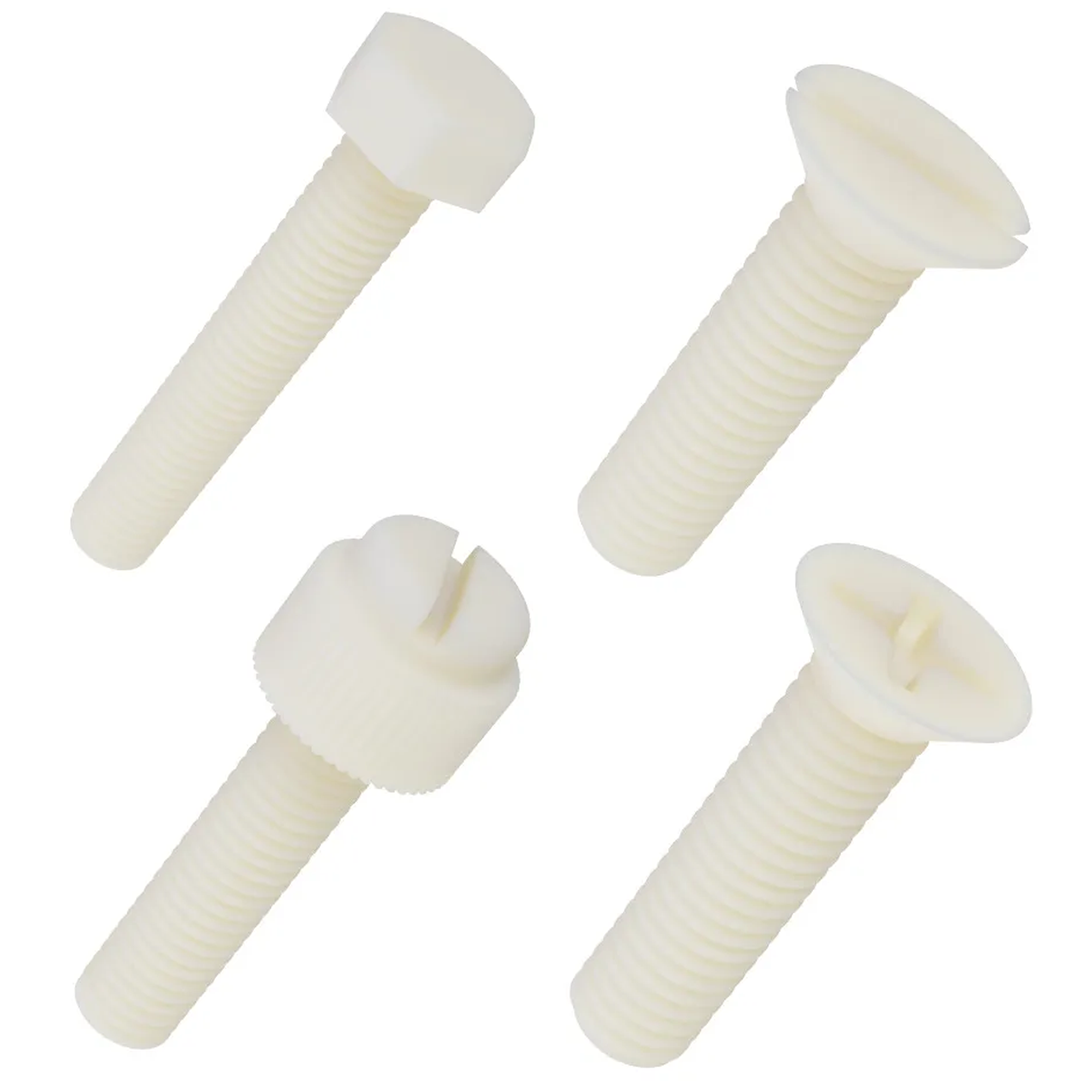
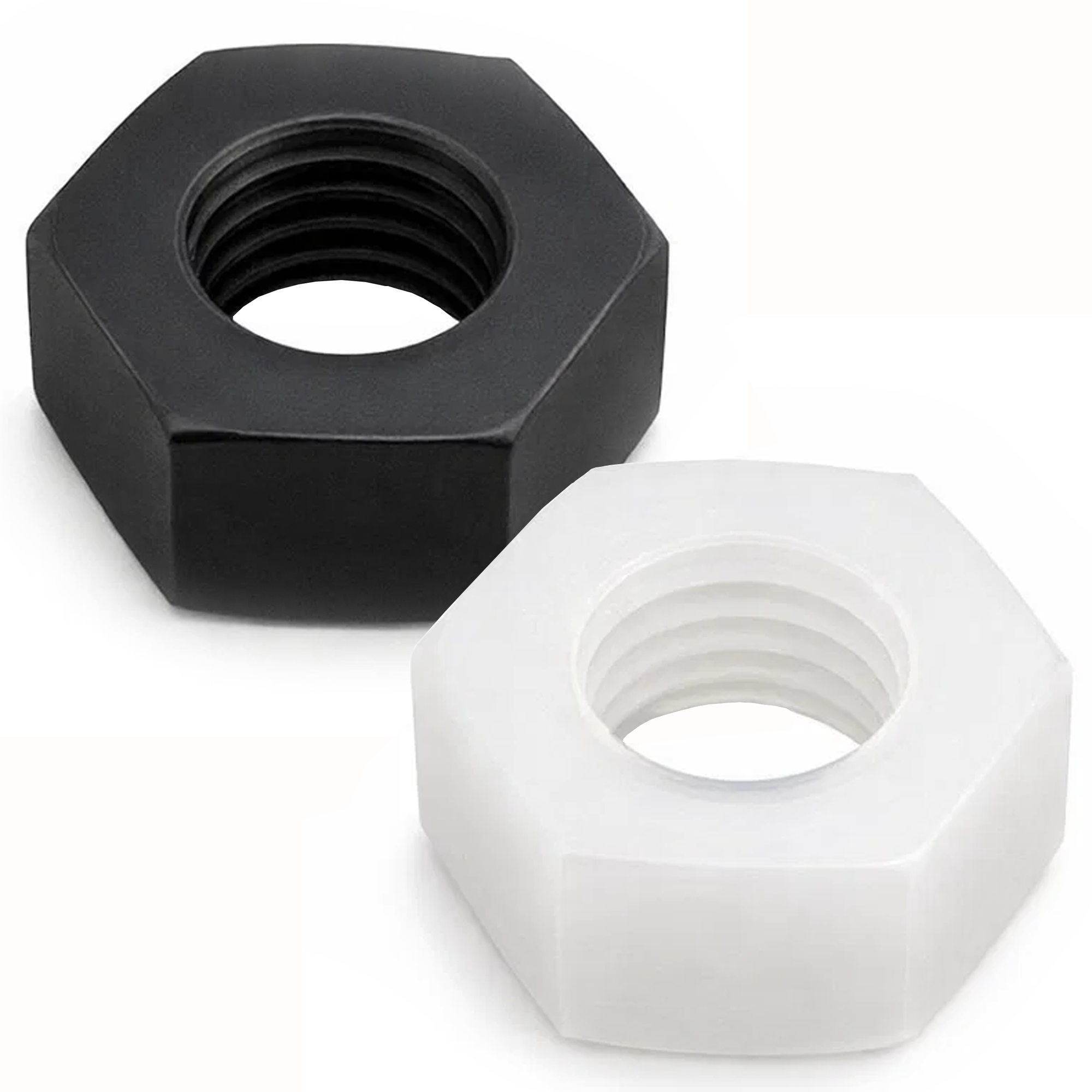
UL 94-V2 rated nylon fasteners
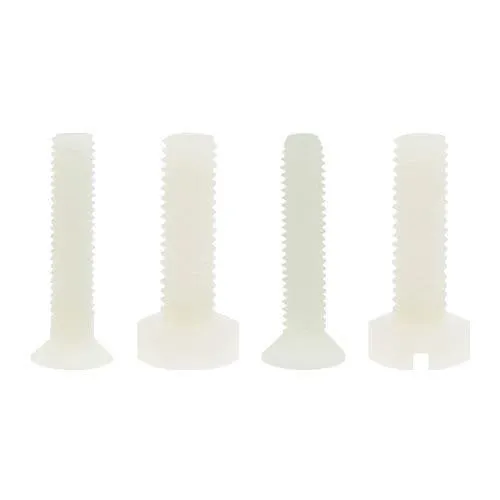
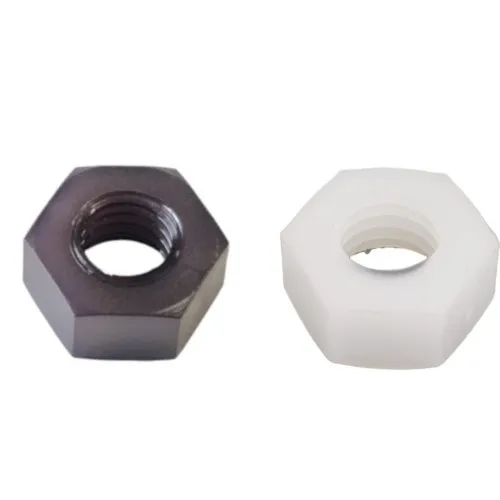
Our ranges of nylon screws & bolts and nylon hex nuts are both produced from UL 94-V2 rated nylon 66.
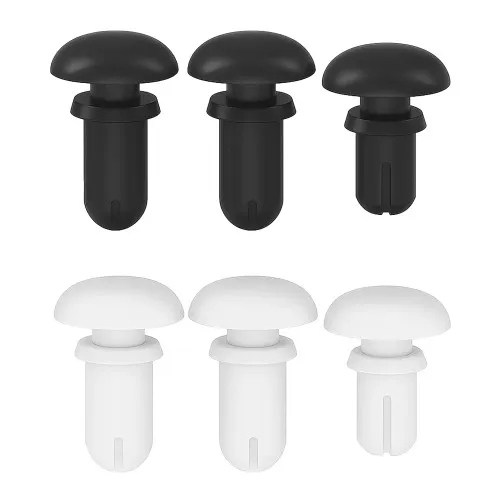
Plastic snap rivets
We supply plastic snap rivets made from UL 94-V2 rated nylon 66 as standard and available in UL 94-V0 upon request.
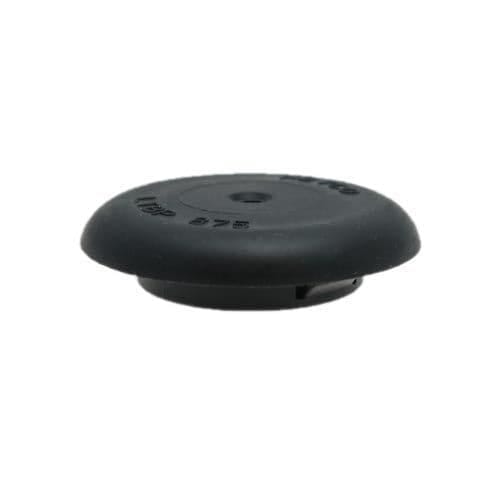
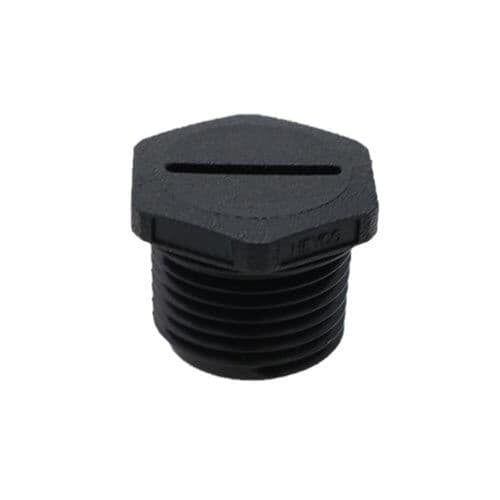
Liquid tight plugs
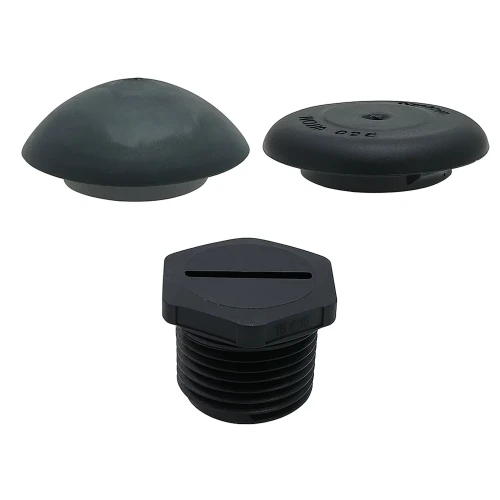
We also offer liquid tight break through plugs and liquid tight threaded plugs, manufactured from UL 94-HB rated TPE and UL 94-V2 rated nylon 66 respectively.
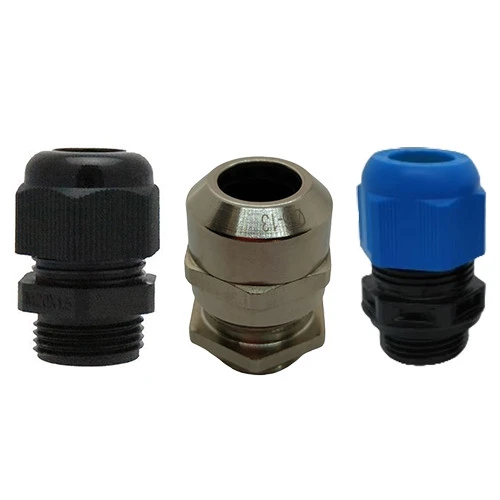
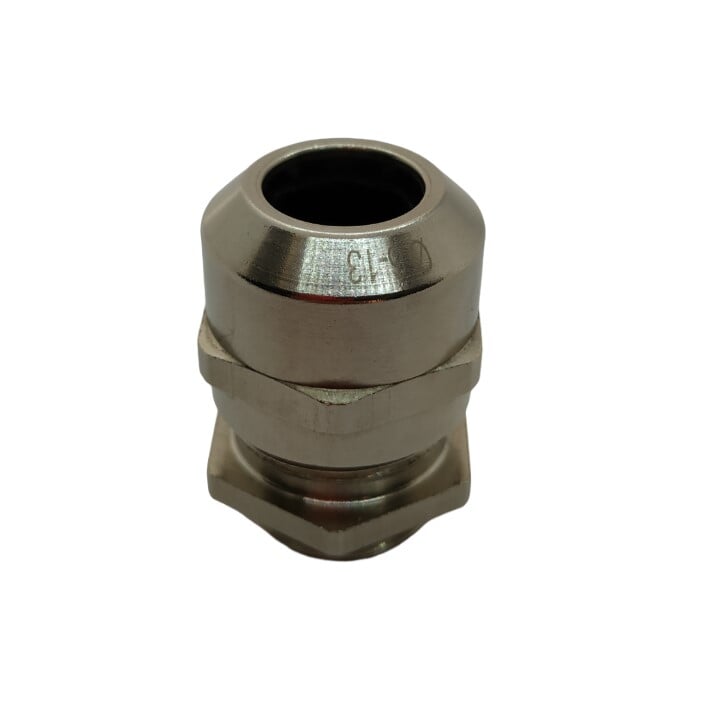
Metal cable glands
Our metal cable glands are UL 94-V0 rated and made of stainless steel (A2 and A4) or brass.
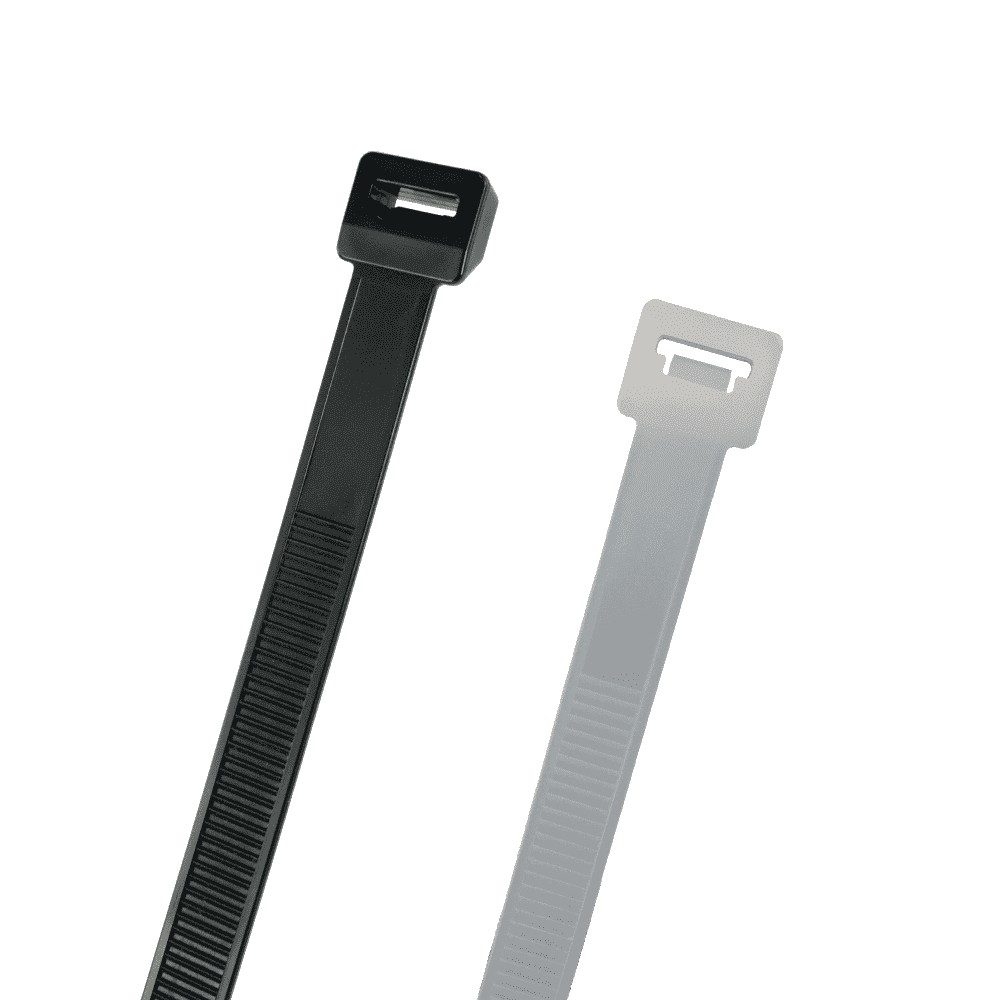
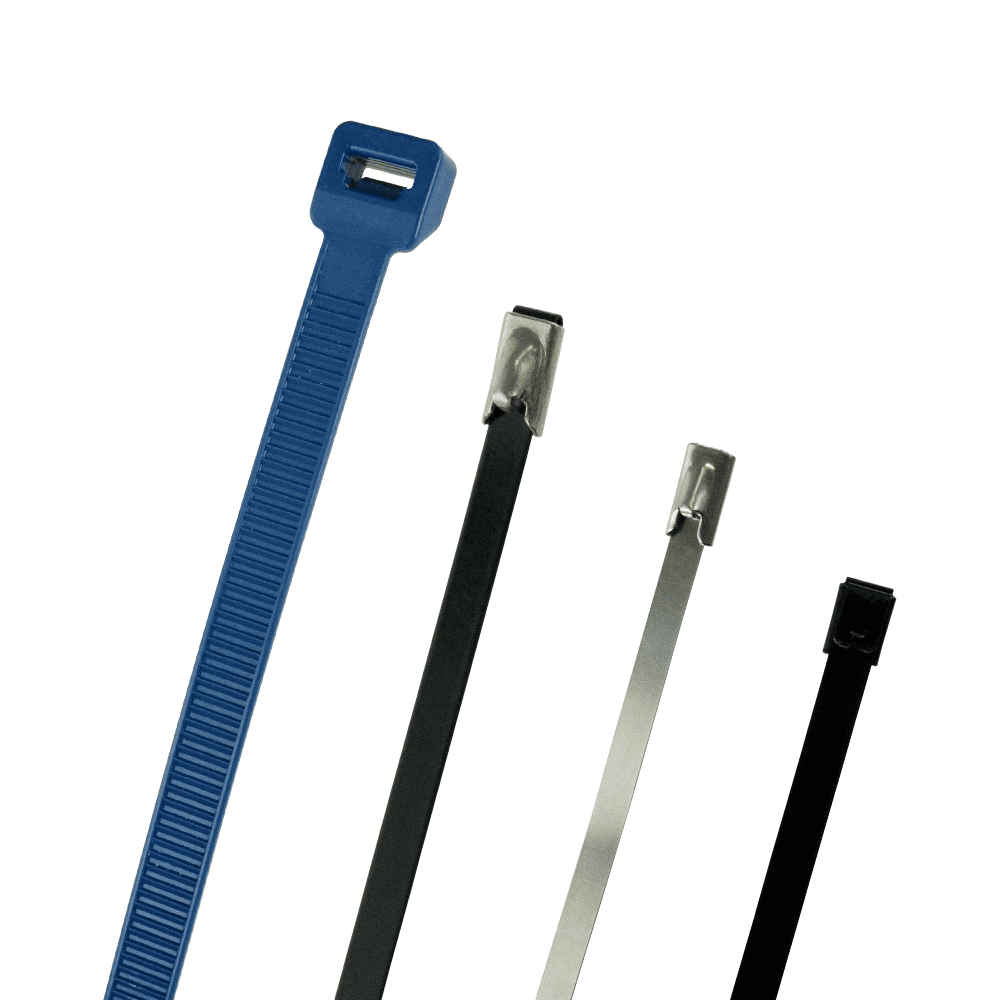
Cable ties
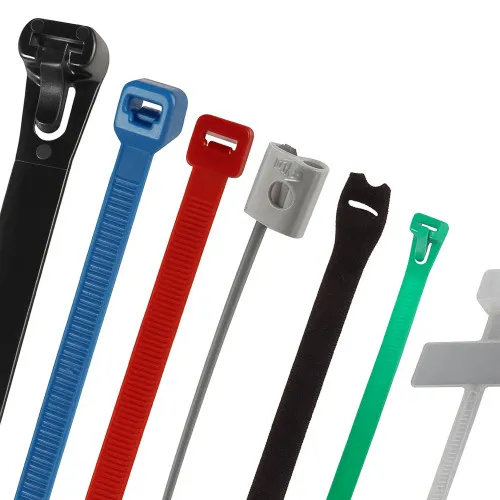
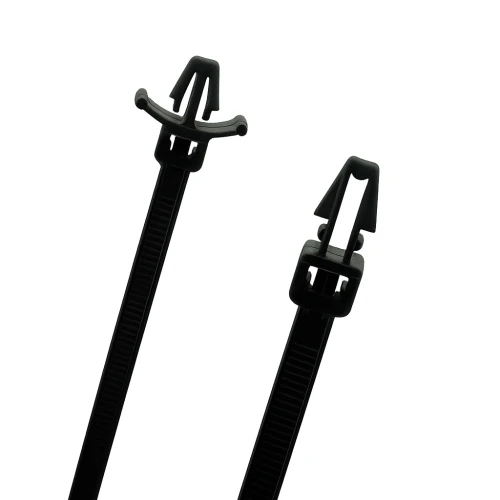
We manufacture both plastic cable ties and metal cable ties, made from UL 94-V2 rated nylon 66 and UL 94-V0 rated metal with epoxy or polyester coating respectively.
UL 94 ratings: a quick wrap up
UL 94 provides a recognised way to describe how plastics behave when exposed to flame in defined test conditions. If your project involves safety requirements, compliance checks or regulated environments, checking material ratings early can help you select suitable components with confidence.
Related posts
-
 Stainless Steel Equivalent GradesCompare stainless steel grades and find the perfect match for your next project.Read more
 -
 Stainless Steel Fasteners: Tightening and Breaking TorquesUnderstanding the Limits: How to Properly Tighten Stainless Steel Fasteners Without Compromising Strength or...Read more
 -
Leave a comment