


































































Search all blogs
Latest posts
-
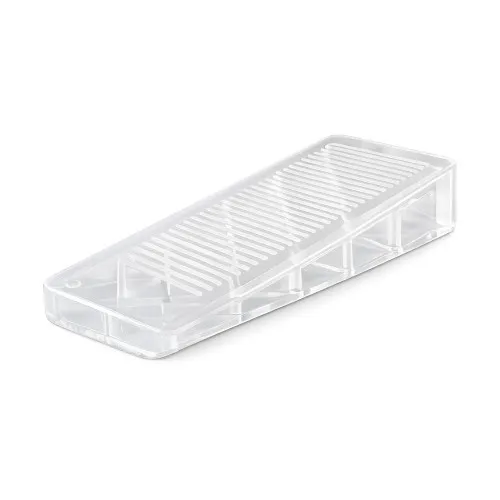
 Door Stoppers & Door Wedges19/09/2026Read more
Learn the difference between door stoppers and door wedges, how each type works and where they are commonly...
-
 Guide to Green Polyester Tape10/09/2026Read more
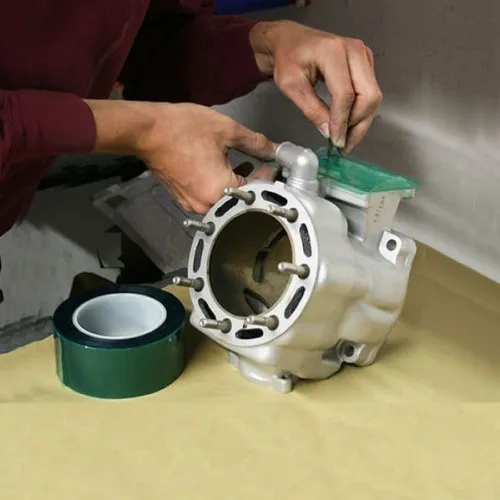
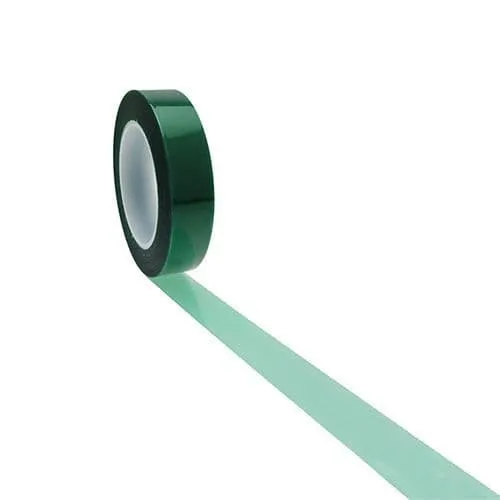
Explore our Green Polyester Tape range for high temperature masking with 80 stocked sizes, 40 widths and 25 or 80...
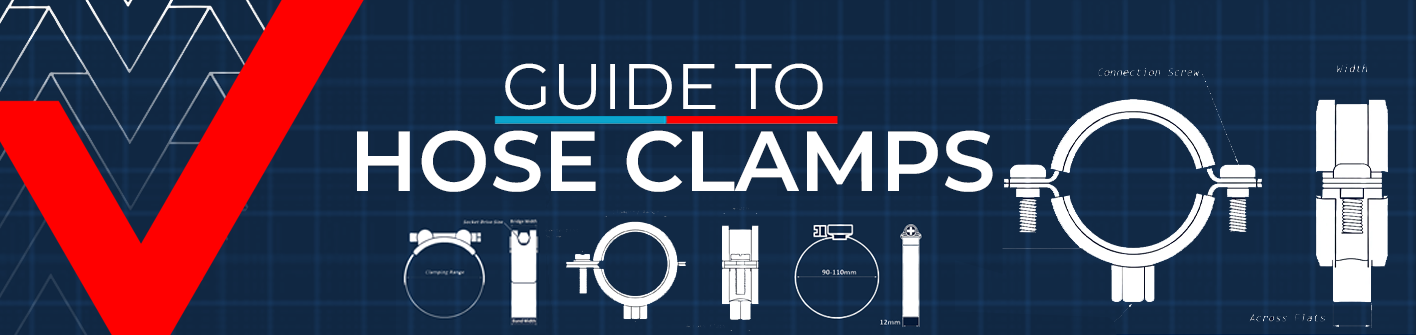
Guide to Hose Clamps: Types, Grades and Common Applications
Hose clamps are essential devices used to attach and seal hoses onto fittings, such as barbs or nipples, preventing fluid leakage at connections. These adjustable hose clamps also stabilise hose connections and protect against damage. Understanding the different types of hose clamps, from high pressure applications to proper hose clamps for silicone hoses, is crucial for selecting the right solution. This comprehensive guide explores various hose clamp types, materials including the critical differences between W2 vs W4 stainless steel, and their specific applications across industries.
Understanding Hose Clamp Material Grades: W1 to W5 Explained
Before diving into specific types of hose clamps, it's essential to understand the material grade classifications. These W-grades indicate the quality and corrosion resistance of different hose clamp materials:
- W1: Basic galvanised steel construction - the most economical option but with limited corrosion resistance, suitable for dry environments
- W2: Features A2 (430) stainless steel band and housing with zinc-plated screw - offers improved corrosion resistance over W1
- W3: A poor grade of stainless steel construction throughout - represents the lowest quality stainless steel option with basic corrosion resistance
- W4: Premium A2 (304) stainless steel construction - excellent corrosion resistance and strength for demanding applications
- W5: Superior A4 (316) marine-grade stainless steel - the highest corrosion resistance for aggressive environments including marine and chemical applications
At Vital Parts, we can source all the hose clamps we sell in W5 material upon request, ensuring you have access to the highest quality marine-grade stainless steel for the most demanding applications.
Worm Drive Hose Clamps: The Most Versatile Adjustable Hose Clamps
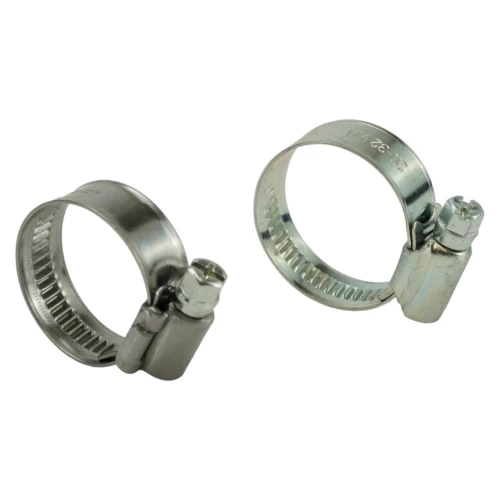
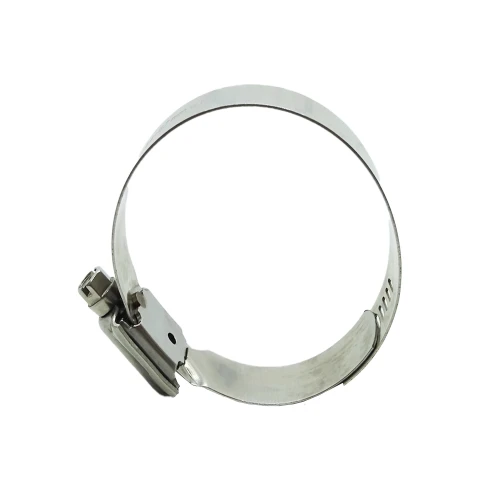
Worm drive hose clamps are the most widely used types of hose clamps due to their versatility and ease of adjustment. These adjustable hose clamps consist of a metal band with a screw thread pattern and a worm gear mechanism that tightens or loosens the band by turning a screw. Their design makes them ideal for applications requiring frequent adjustments or removals.
These hose clamp types are suitable for low to moderate pressure applications, including water, air, fuel, and oil hoses. However, they are not recommended for hose clamp high pressure applications or high vibration environments, as they may loosen over time. When selecting proper hose clamps for silicone hoses, care must be taken to avoid over-tightening worm drive clamps to prevent damage to the soft silicone material.
Understanding the difference between W2 vs W4 stainless steel is crucial when selecting worm drive clamps. W2 combines A2 (430) stainless steel band and housing with a zinc-plated screw, offering good corrosion resistance at a moderate cost. W4 utilises premium A2 (304) stainless steel throughout, providing superior corrosion resistance and strength for more demanding applications.
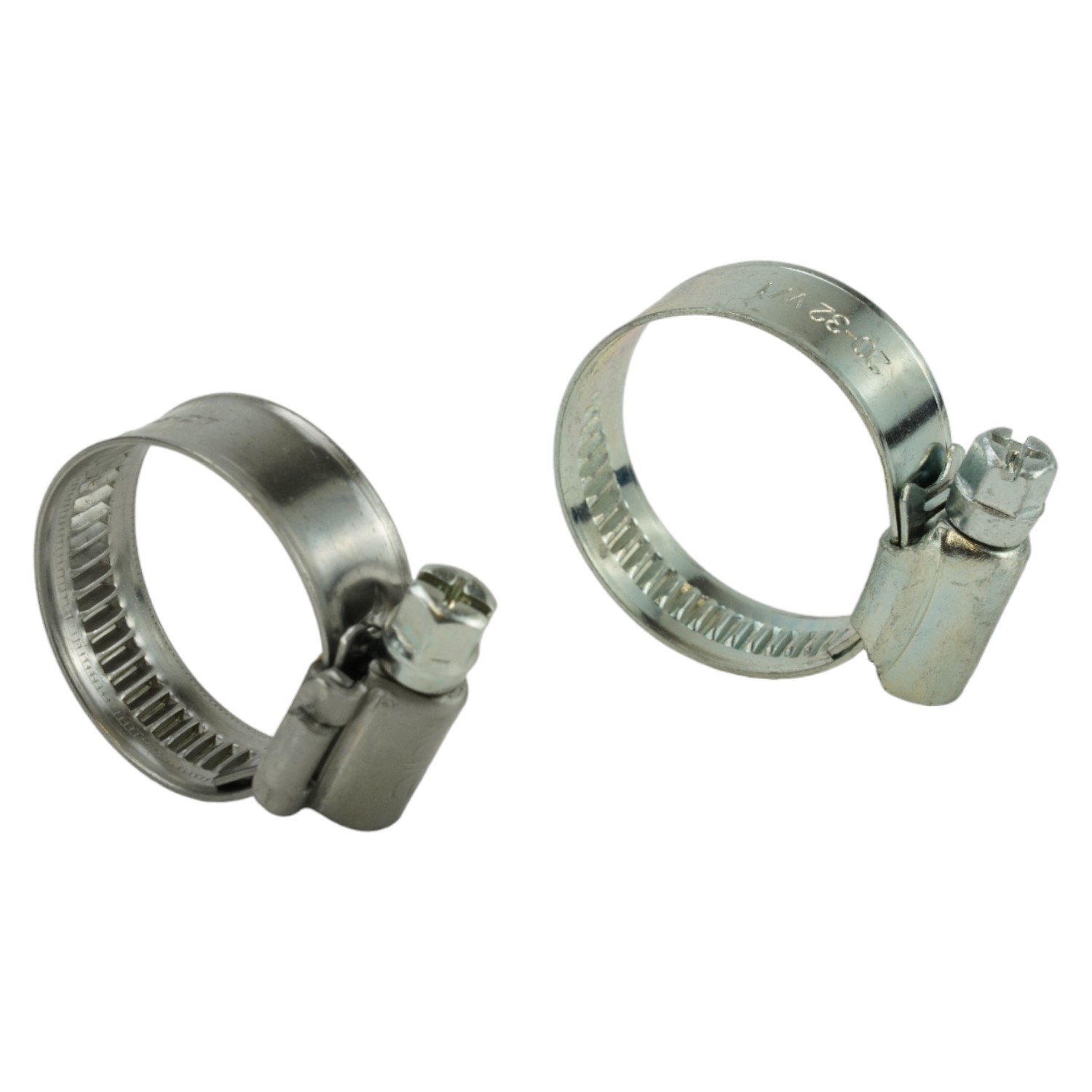

Material Breakdown: Worm Drive Hose Clamps
| Material Grade | Screw | Housing | Band |
|---|---|---|---|
| W1 | Zinc-Plated Mild Steel | Zinc-Plated Mild Steel | Zinc-Plated Mild Steel |
| W2 | Zinc-Plated Mild Steel | A2 (430) Stainless Steel | A2 (430) Stainless Steel |
| W3 | A2 (430) Stainless Steel | A2 (430) Stainless Steel | A2 (430) Stainless Steel |
| W4 | A2 (304) Stainless Steel | A2 (304) Stainless Steel | A2 (304) Stainless Steel |
| W5 | A4 (316) Stainless Steel | A4 (316) Stainless Steel | A4 (316) Stainless Steel |
To learn more about grades of stainless steel, check out our Guide to Stainless Steel Grades.
For detailed corrosion resistance information, visit our Stainless Steel Corrosion Resistance Chart.
Heavy Duty T Bolt Clamps: Ultimate High Pressure Hose Clamps
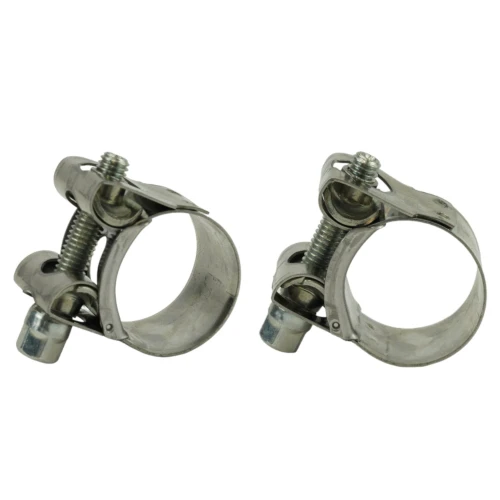
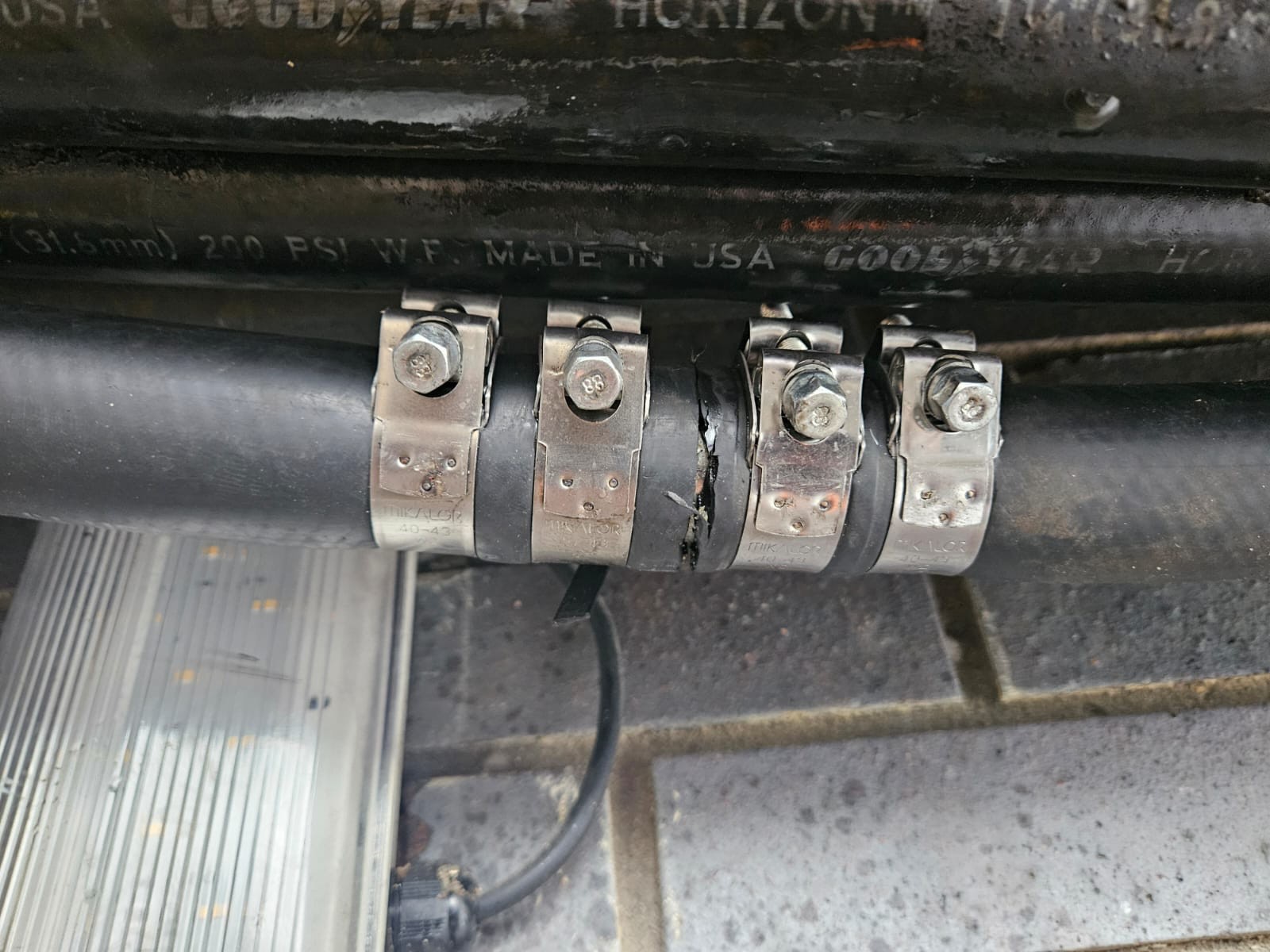
Heavy duty T bolt clamps represent the pinnacle of hose clamp high pressure applications. These robust clamps are specifically engineered for high pressure and high vibration environments, including hydraulic systems, industrial machinery, and exhaust applications. Unlike standard adjustable hose clamps, T bolt clamps use a bolt and nut mechanism that provides superior clamping force and even pressure distribution.
These types of hose clamps excel in applications where standard worm drive clamps would fail, offering exceptional resistance to shock, fatigue, and extreme temperatures. When selecting proper hose clamps for silicone hoses in high-pressure applications, T bolt clamps provide the necessary strength without over-compressing the hose material. Heavy duty T bolt clamps are typically manufactured in W4 or W5 grades, utilising premium A2 (304) or A4 (316) stainless steel for maximum corrosion resistance and longevity.
Material Specifications: Heavy Duty T Bolt Clamps
| Material Grade | Bolt | Band | Bridge |
|---|---|---|---|
| W1 | Zinc-Plated 8.8 Grade Steel | Zinc-Plated Mild Steel | Zinc-Plated Mild Steel |
| W2 | Zinc-Plated 8.8 Grade Steel | A2 (430) Stainless Steel | A2 (430) Stainless Steel |
| W4 | A2 (302) Stainless Steel | A2 (304) Stainless Steel | A2 (304) Stainless Steel |
| W5 | A4 (316) Stainless Steel | A4 (316) Stainless Steel | A4 (316) Stainless Steel |
Hose Clamp Types:
Constant Tension Hose Clamps: Self-Adjusting Solutions
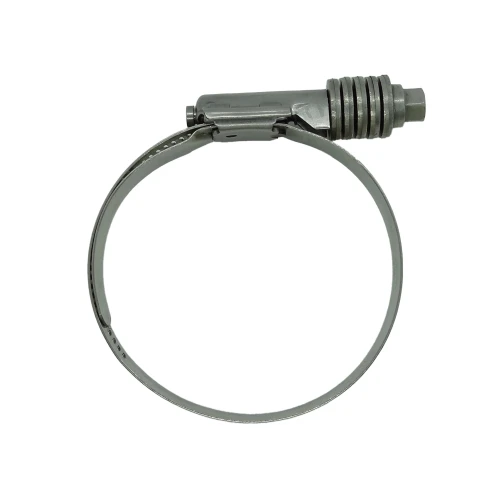
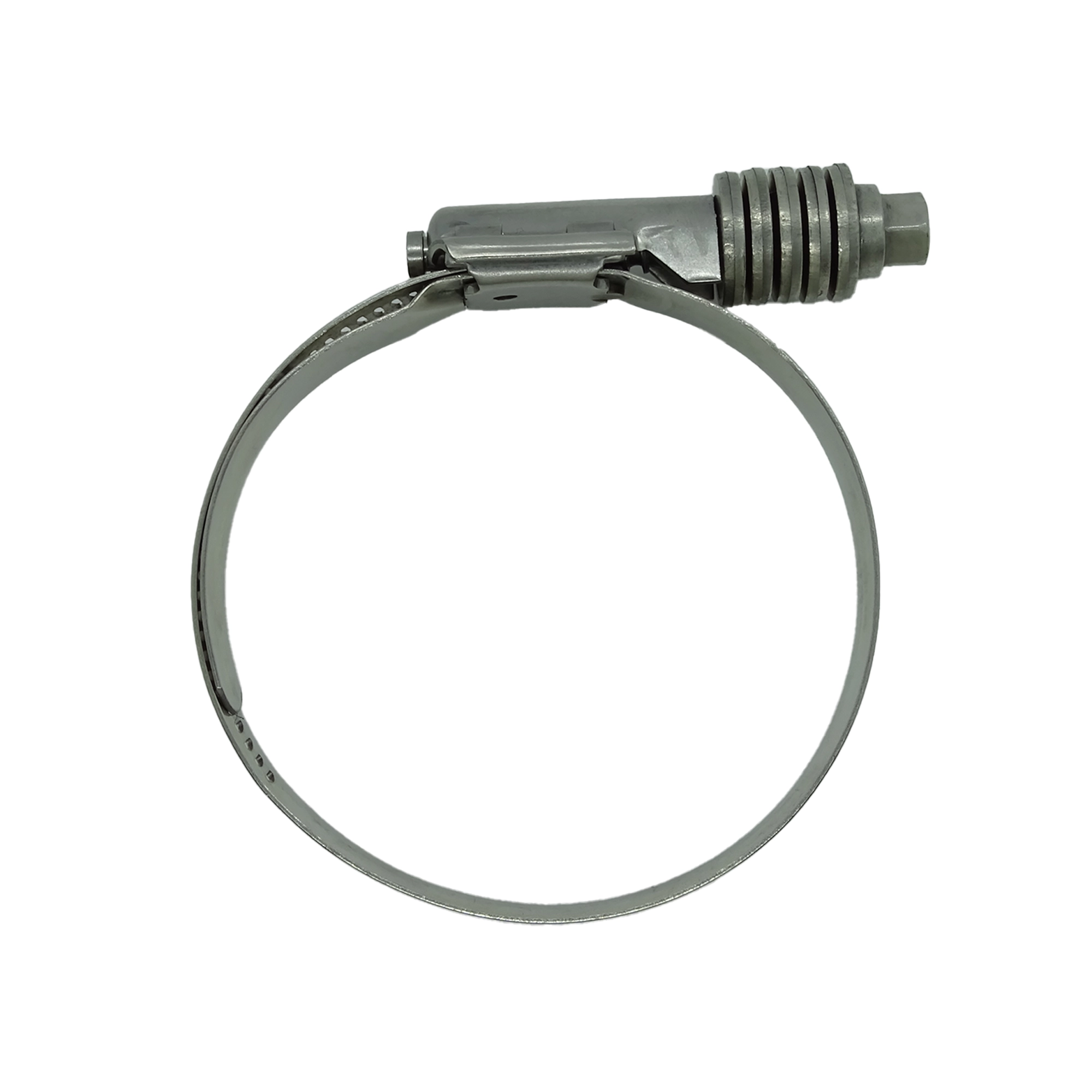
Constant tension hose clamps represent advanced hose clamp technology designed to automatically adjust clamping force as hoses expand and contract due to temperature variations. These innovative adjustable hose clamps feature a spring-loaded mechanism that maintains consistent pressure, making them ideal for applications with thermal cycling.
Unlike traditional types of hose clamps, constant tension clamps eliminate the need for periodic re-tightening, reducing maintenance requirements. They are particularly effective as proper hose clamps for silicone hoses, which tend to expand and contract more than rubber alternatives. The spring mechanism ensures optimal sealing without over-compression, extending hose life and preventing leaks in demanding applications.

High Torque Hose Clamps: Maximum Clamping Force
High torque hose clamps are specifically engineered to provide maximum clamping force for the most demanding applications. These specialised types of hose clamps feature reinforced construction and advanced threading systems that allow for significantly higher tightening torque than standard adjustable hose clamps.
Essential for hose clamp high pressure applications, high torque clamps are commonly used in hydraulic systems, compressed air applications, and industrial machinery where extreme pressures require exceptional holding power. When used as proper hose clamps for silicone hoses, they must be carefully torqued to prevent damage while ensuring secure connection.
O Clips: Compact and Secure
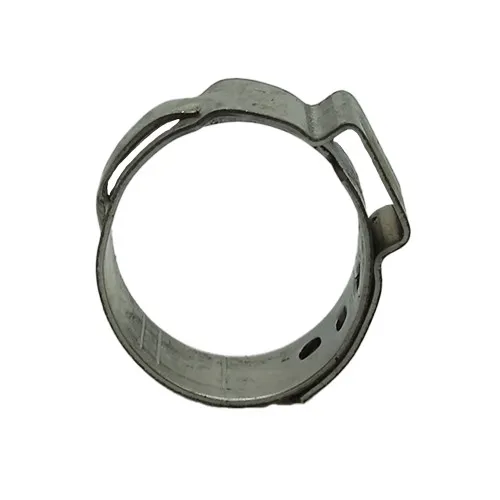
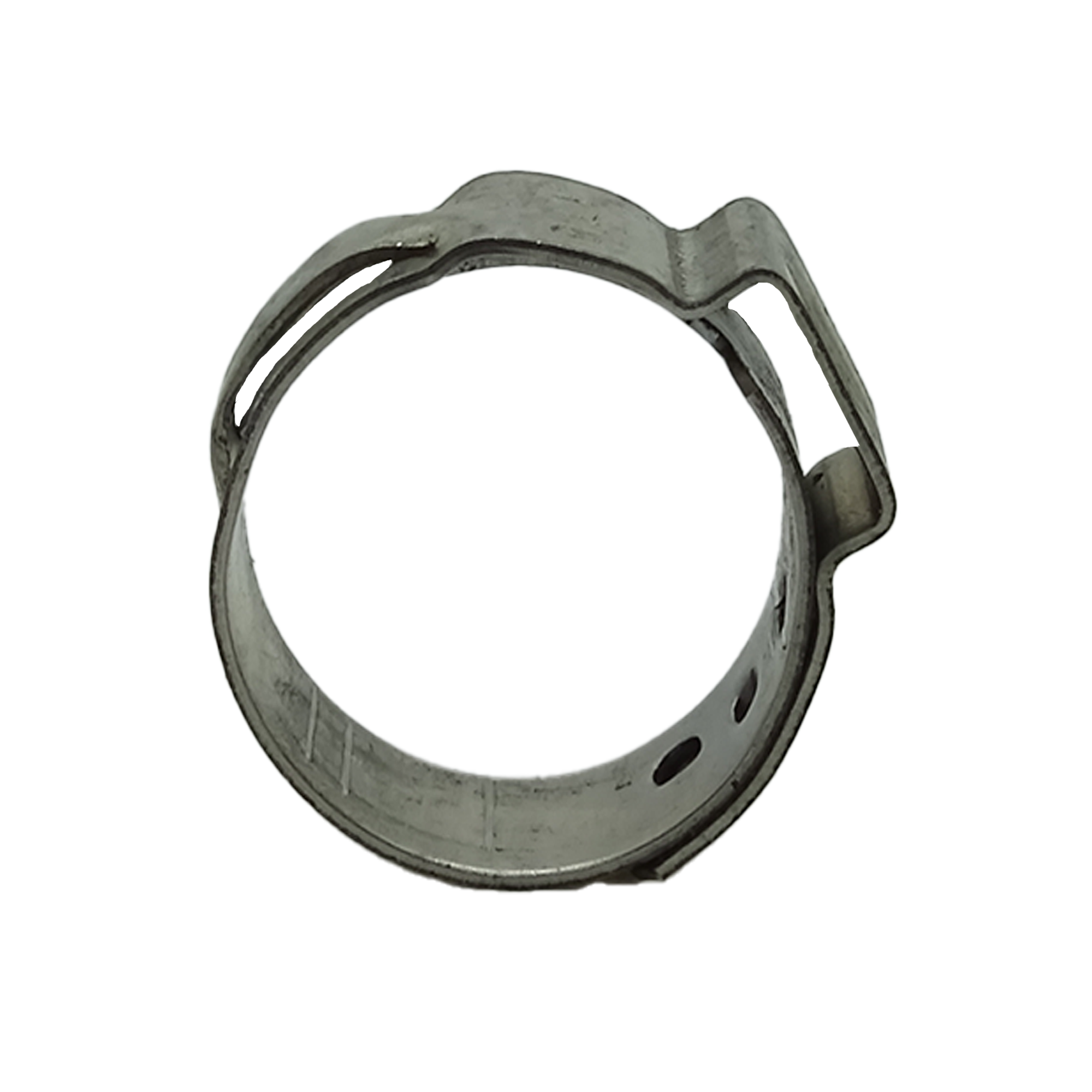
O clips are precision-engineered hose clips clamps that provide secure fastening in compact spaces. These specialised types of hose clamps feature a circular design that eliminates sharp edges, making them ideal for applications where hose protection is paramount.
O clips are particularly effective as proper hose clamps for silicone hoses due to their smooth, rounded profile that prevents cutting or scoring of soft hose materials. Available in various materials including W2 vs W4 stainless steel options, O clips offer excellent corrosion resistance and long-term reliability in demanding environments.
Quick Release Pipe Clamps: Instant Access Solutions
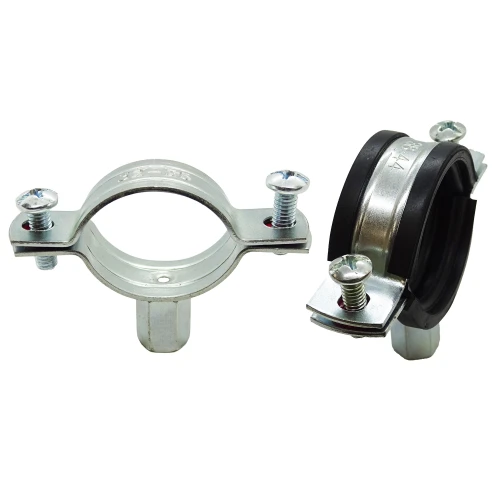
Quick release pipe clamps are innovative types of hose clamps designed for applications requiring frequent access or maintenance. These adjustable hose clamps feature rapid-release mechanisms that allow for tool-free installation and removal, significantly reducing service time.
These hose clips clamps are invaluable in maintenance-intensive environments where quick access to connections is essential. While not typically suited for the highest hose clamp high pressure applications, they excel in moderate pressure systems where convenience and accessibility are priorities. When selecting proper hose clamps for silicone hoses in quick-access applications, these clamps provide the perfect balance of security and convenience.
Petrol Hose Clips: Precision for Small Diameter Applications
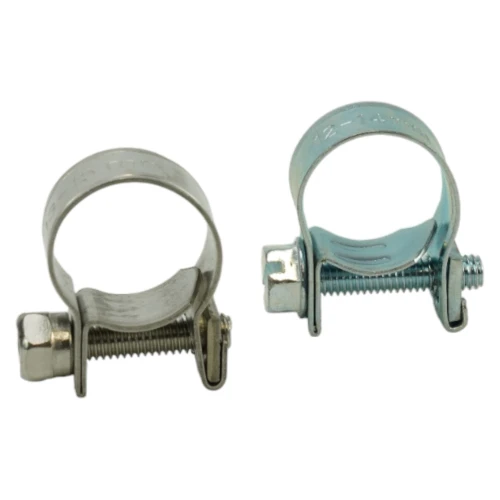
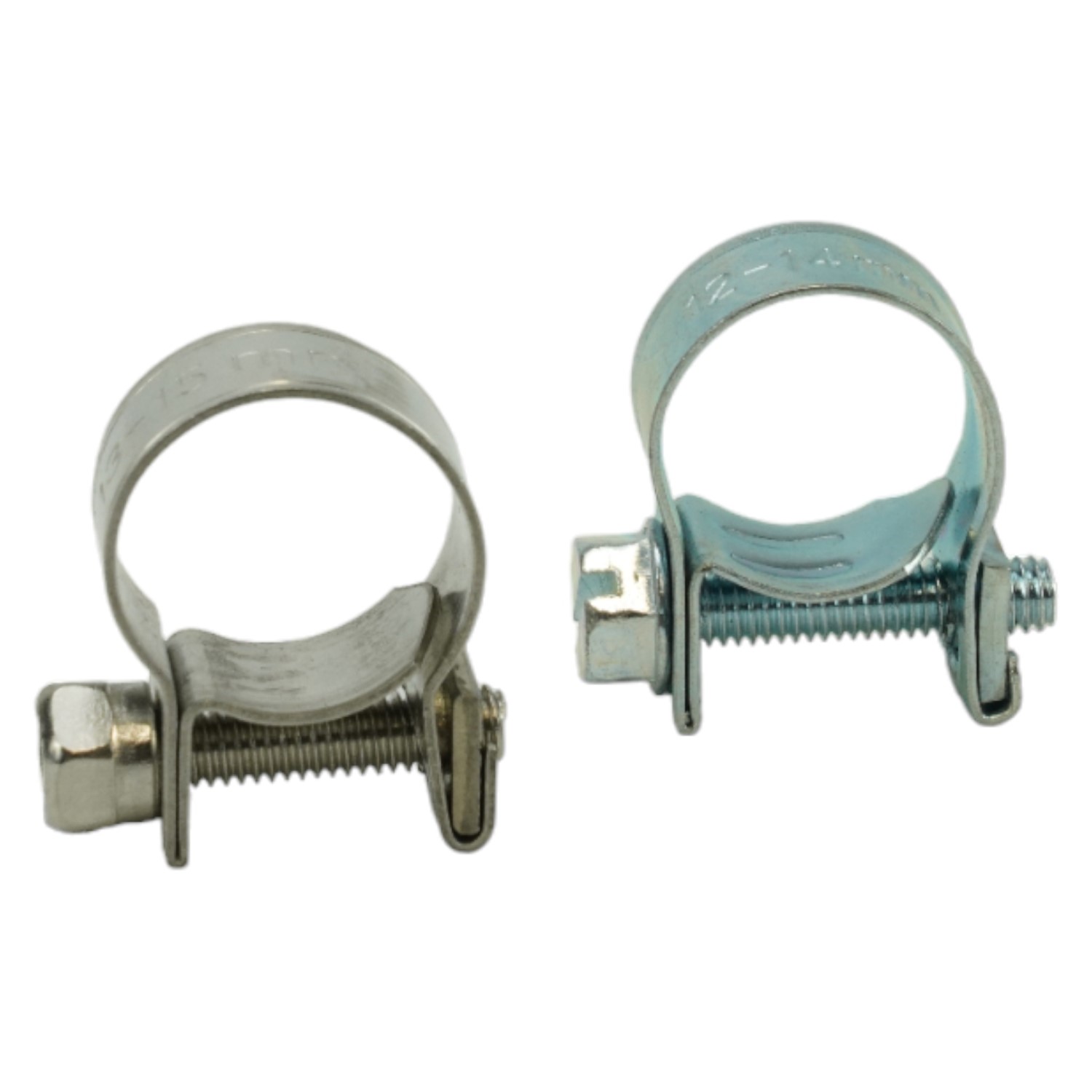
Petrol hose clips, also known as petrol pipe hose clips or fuel line clips, are specialised devices for securing small diameter hoses and pipes. These precise hose clips clamps form a complete circle with smooth edges to prevent damage to delicate hose materials.
As the name suggests, these types of hose clamps are commonly used on fuel lines and are available in bright zinc-plated steel and stainless steel options. When comparing W2 vs W4 stainless steel variants, W4 petrol clips offer superior corrosion resistance, making them ideal for aggressive fuel environments. These adjustable hose clamps are perfect for applications requiring high performance and durability, including saltwater, oil and gas, food processing, chemical, and automotive industries.
Rubber Lined P Clips: Vibration-Resistant Mounting
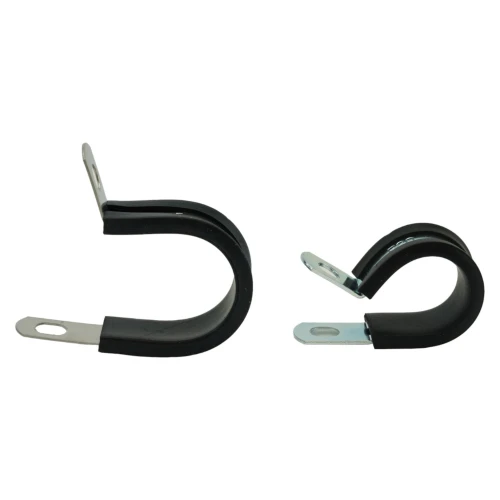
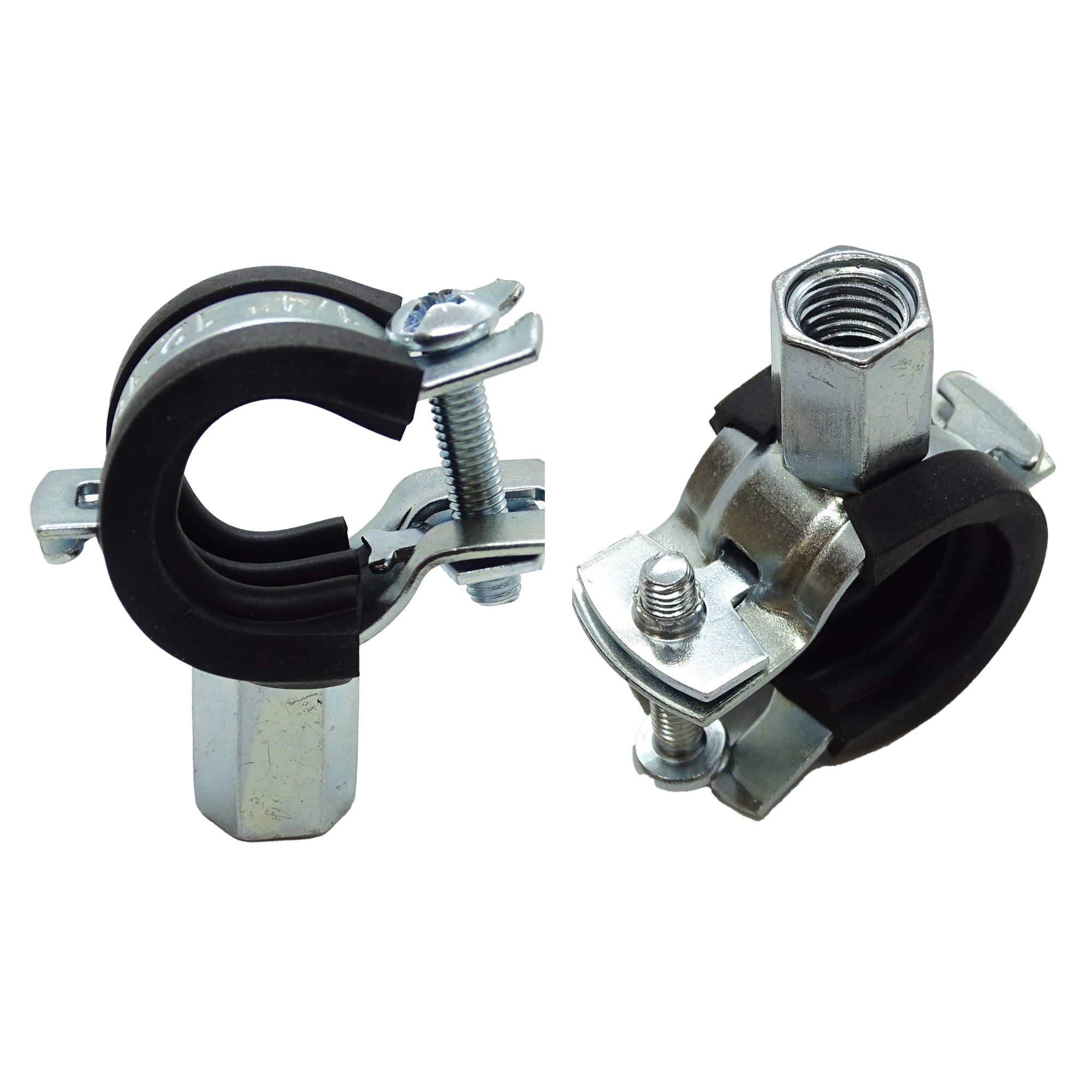
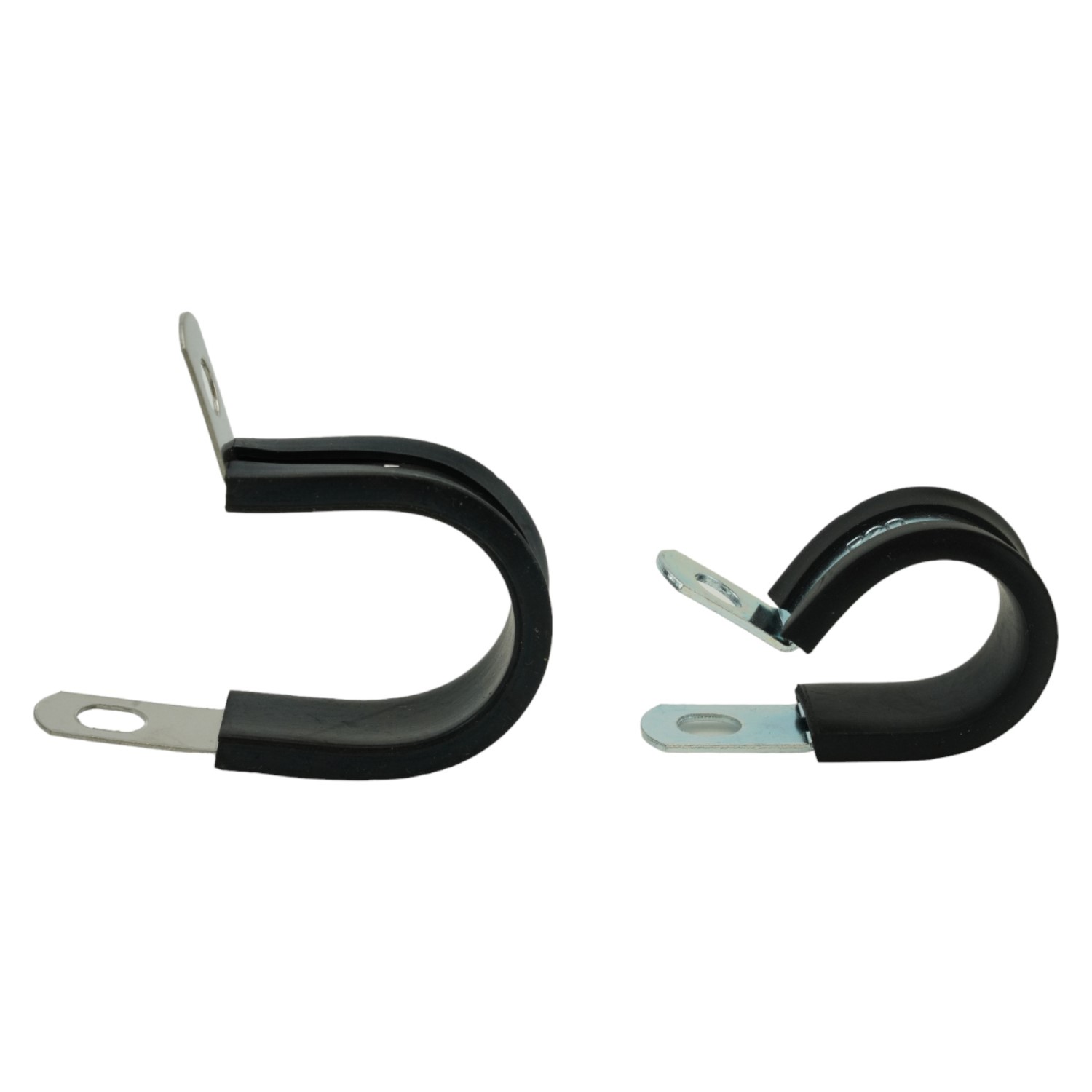
Rubber lined P clips are specialised mounting types of hose clamps designed to secure hoses to surfaces while providing vibration dampening and protection against abrasion. The rubber lining cushions and protects hoses from damage caused by movement or flexing.
These hose clips clamps are ideal for routing and positioning applications where aesthetics matter, as they create neat, professional installations. Available in various materials including W2 vs W4 stainless steel options, they suit both indoor and harsh environmental applications. The rubber lining makes them excellent proper hose clamps for silicone hoses, preventing cutting and extending hose life. Plastic P clips offer a lightweight, chemical-resistant alternative for less demanding applications.
Plastic Snap Clips: Tool-Free Installation
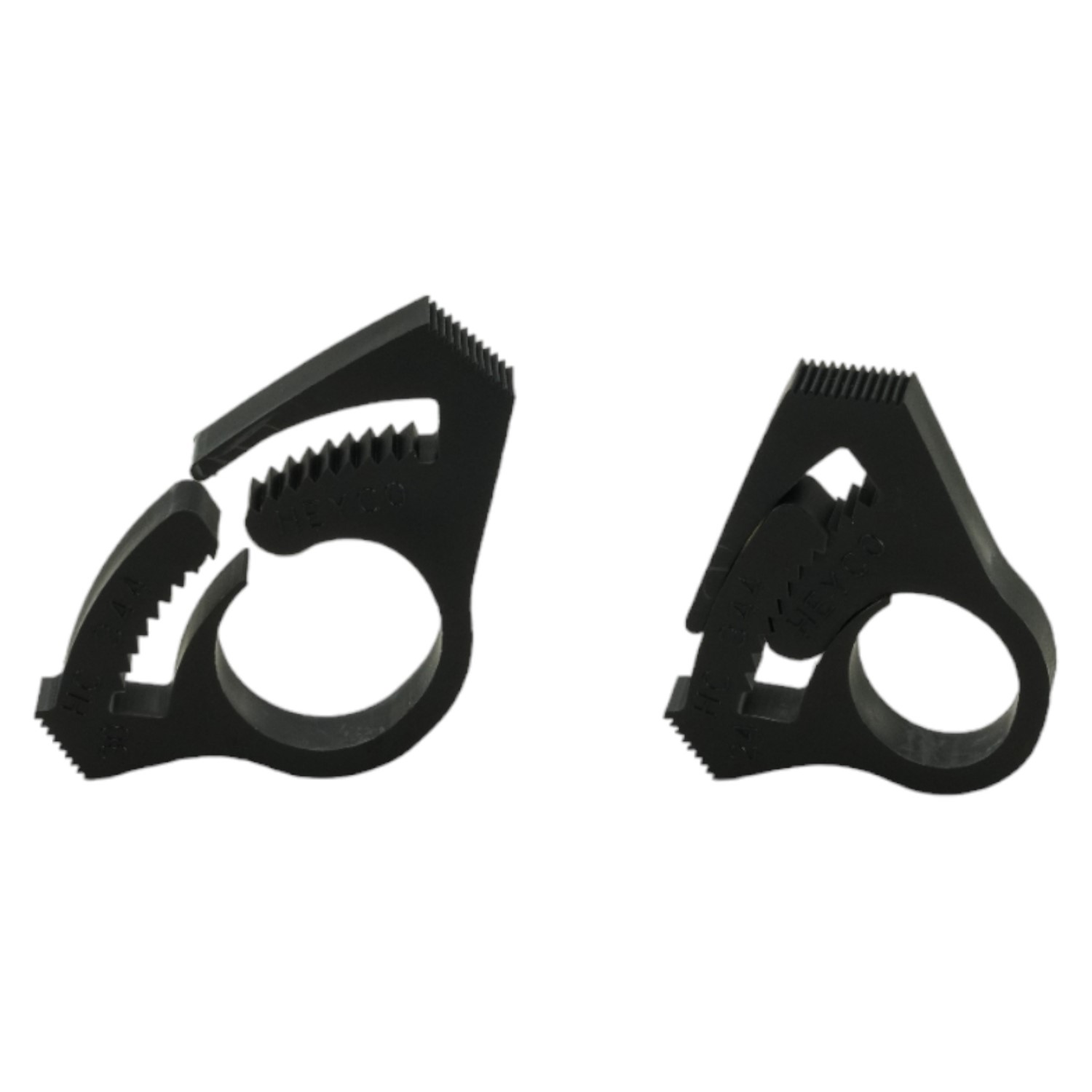
Plastic snap clips are convenient types of hose clamps designed for low pressure and low vibration applications, such as garden hoses, air hoses, and vacuum systems. These innovative hose clips clamps feature a ratcheting mechanism that snaps closed, providing secure fastening without requiring tools for basic installation.
While these adjustable hose clamps can be installed by hand, pliers are recommended for optimal performance and tightening. They offer excellent resistance to saltwater, weak acids, grease, and common solvents, making them versatile solutions for various applications. As lightweight and flexible alternatives to metal clamps, they serve as effective proper hose clamps for silicone hoses in non-critical applications.
Comprehensive Comparison: Benefits of Each Hose Clamp Type
| Clamp Type | Size Range | Material Options | Key Benefits |
|---|---|---|---|
| Worm Drive Clamps | 8mm to 310mm | W1 to W5 | Easy to use, large clamping range, adjustable |
| Heavy Duty T Bolt Clamps | 17mm to 252mm | W1, W2, W4 & W5 | High torque, high pressure applications, superior strength |
| Constant Tension Clamps | 15mm to 140mm | W2, W4 & W5 | Self-adjusting, thermal compensation, reduced maintenance |
| High Torque Clamps | 20mm to 200mm | W4 & W5 | Maximum clamping force, extreme pressure applications |
| Petrol Pipe Clips | 7mm to 20mm | BZP or A2 (304) Stainless Steel | Small diameter precision, smooth edges, fuel compatibility |
| O Clips | 8mm to 50mm | W2, W4 & W5 | Compact design, no sharp edges, hose protection |
| Quick Release Pipe Clamps | 25mm to 150mm | W2, W4 & W5 | Tool-free access, rapid maintenance, convenience |
| P Clips | 3mm to 100mm | Nylon 6/6, BZP or A4 (316) Stainless Steel | Route and position cables/hoses, improved aesthetics |
| Plastic Snap Grip Clamps | 8.7mm to 54mm | Nylon 6/6 or Glass Filled Nylon 6/6 | Tool-free installation, chemical resistance, lightweight |
Industries where hose clamps are essential
Hose clips clamps are used across many industries to secure hoses to fittings reduce leaks and keep systems reliable under vibration pressure and thermal cycling. The correct hose clamp type and material choice depends on corrosion risk access space operating temperature and the consequences of failure.
Automotive and transport
Used on cooling circuits fuel delivery and hydraulic lines where vibration and temperature changes can loosen connections. Constant tension clamps can help maintain load during thermal cycling and stainless options support corrosion resistance around road salt and moisture.
Marine and offshore
Saltwater exposure demands high corrosion resistance. A4 stainless is commonly specified for seawater systems and engine bays where reliability matters and access for maintenance is limited.
Food and beverage processing
Hygiene and washdown requirements make stainless clamps the standard choice. Smooth profiles and reliable sealing support cleaning routines and help reduce contamination risk on flexible pipework.
Chemical and petrochemical
Chemical compatibility and corrosion resistance are critical. Heavy duty clamp styles are often used where pressure is high and where failure would cause leaks safety risks or downtime.
Construction and heavy machinery
Hydraulic systems and cooling lines on plant equipment require robust clamping that holds under shock vibration and harsh outdoor conditions. Quick maintenance access can be important for reducing downtime on site.
Water treatment and municipal systems
Used for dosing lines pumping systems and infrastructure maintenance. Corrosion resistance matters in chlorinated environments and standardised clamp types can simplify servicing across installations.
HVAC and building services
Common on condensate drainage flexible connections and plant room pipework. Constant tension options can help reduce maintenance where temperature swings cause expansion and contraction.
Aerospace defence and specialist engineering
Applications often demand high reliability low weight and strong vibration resistance. Clamp selection focuses on consistent load correct materials and secure installation to meet demanding service conditions.
Selection reminder: Match the clamp to the hose type and the operating environment. Over tightening can damage softer hoses and under tightening can cause seepage and movement.
W2 vs W4 stainless steel: making the right choice
Choosing between W2 and W4 affects corrosion resistance service life and performance in harsh environments. The best option depends on moisture exposure chemicals temperature change and whether the clamp will be installed indoors or outdoors.
W2 clamps typically combine stainless components with a coated screw. They suit indoor and general purpose environments where corrosion exposure is limited and where a cost effective solution is suitable.
W4 clamps are stainless throughout and are commonly chosen for outdoor installations washdown environments and applications where corrosion resistance and durability are priorities.
- Choose W2 for indoor and low corrosion areas where value is the priority
- Choose W4 for outdoor use chemical exposure washdown and marine environments
- For high pressure systems select a clamp style designed for higher clamping force then match the material grade to the environment
Quick tip
If the clamp will be exposed to weather salt spray cleaning chemicals or frequent washdown choose the higher corrosion resistant option to reduce replacement and downtime.
Frequently asked questions
Hose clips clamps secure hoses to fittings to help prevent leaks disconnection and movement from vibration. They are used on plumbing pipework automotive systems industrial equipment and any application where a flexible hose must seal onto a rigid connection.
Use W2 for general indoor environments where corrosion risk is low. Use W4 for outdoor installations marine use washdown areas and chemical exposure where higher corrosion resistance improves service life.
For higher pressure systems choose clamp styles designed for higher clamping force and more even load distribution. Always verify the clamp and hose specification matches the operating pressure and temperature of the system.
Silicone is softer than many rubber hoses so avoid over tightening. Clamp styles that maintain a more consistent load can help as the hose expands and contracts with temperature. Choose a clamp that spreads pressure evenly and inspect after installation to confirm sealing without cutting into the hose.
Quick checklist
- Match clamp size to hose OD
- Choose W2 or W4 for the environment
- Use correct clamp style for pressure
- Tighten evenly and do not over tighten
- Recheck after first run and thermal cycle
Got a question? Need some help?
Our friendly Product Support Team are here to help, so please just give us a call if we can assist you with sourcing standard and custom parts.
CALL USRelated posts
-
 The Complete Guide to Wing nutsEverything you need to know about wing nuts: uses, types, and expert tips for every project.Read more
 -
 A Guide to Stainless Steel Levelling Feet: Heavy Duty Adjustable Solutions for UK IndustryEverything you need to know about selecting, measuring & installing levelling feet for equipment stabilityRead more
 -

Leave a comment