





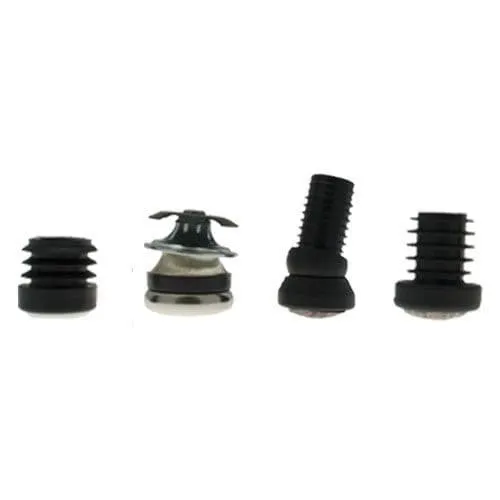
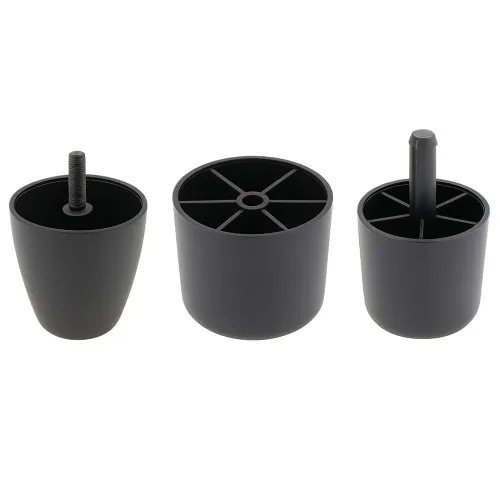
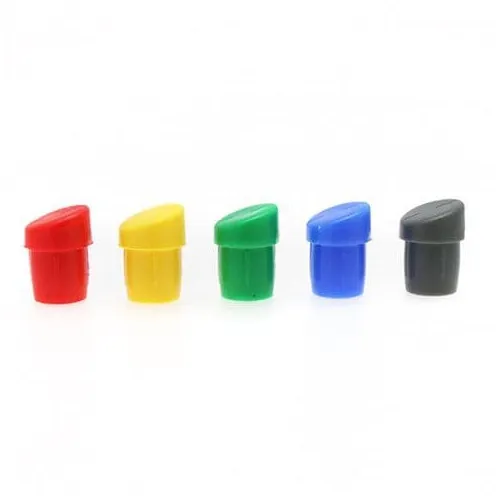
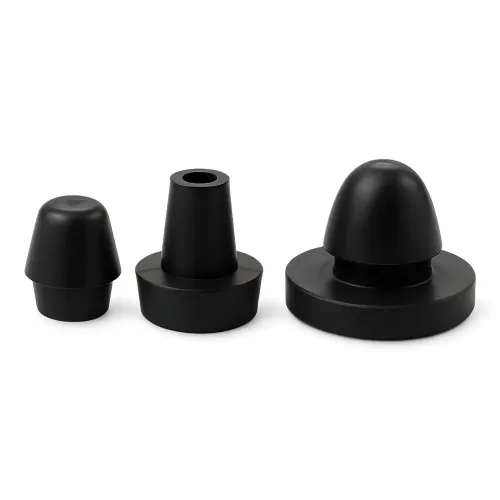

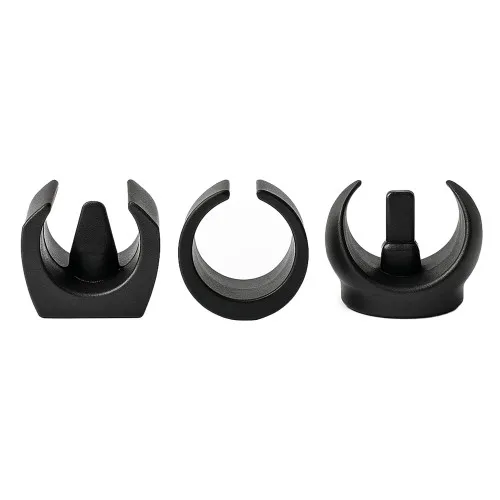
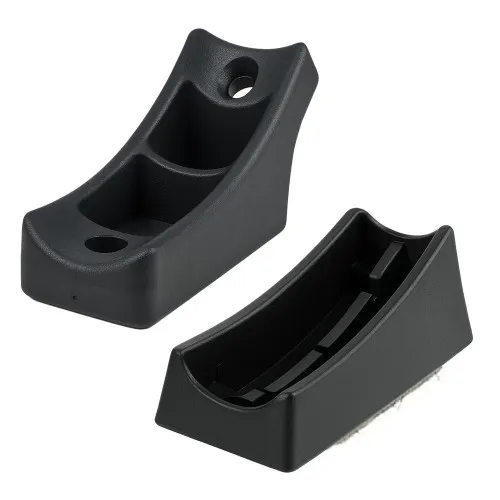

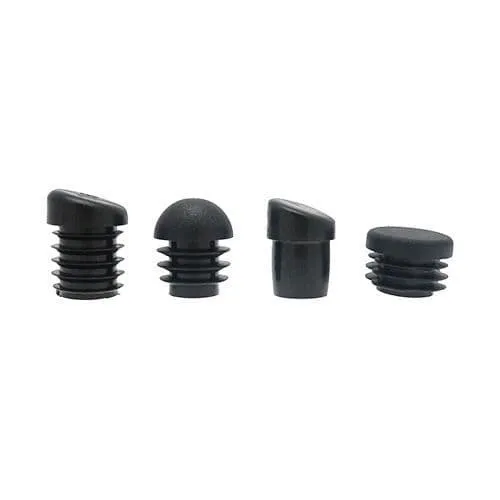
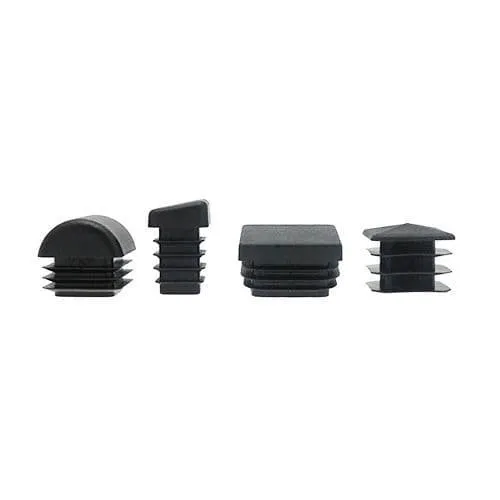
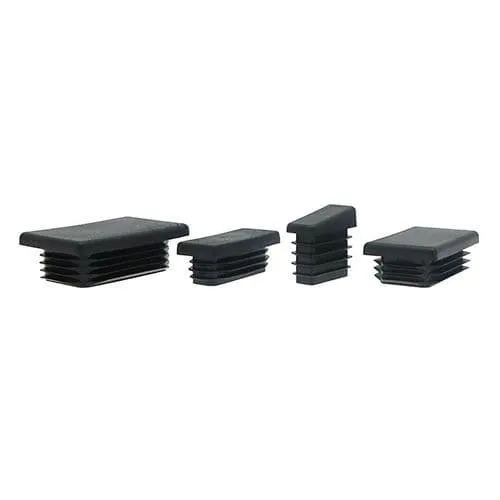
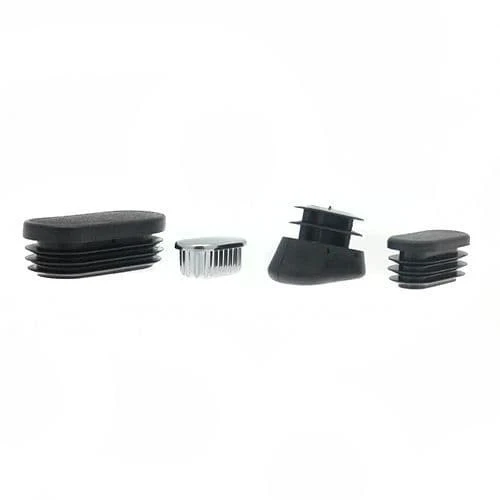
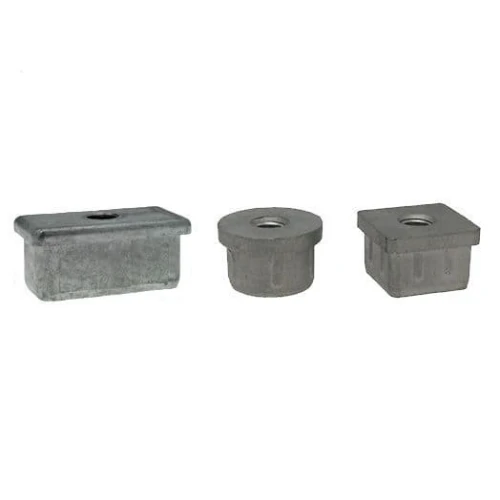

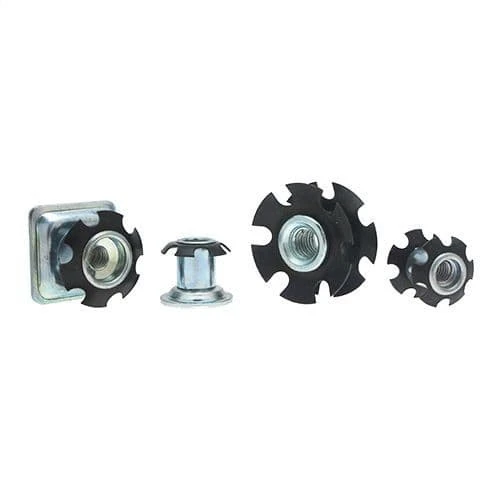
























































The Complete Guide to End Caps
Whether you're protecting threaded components, masking parts during powder coating, sealing open tube ends or finishing furniture, choosing the correct end cap is essential.
This guide explains the different types of plastic, rubber and silicone end caps, how to measure them correctly, and which style is best suited to your application.
Which End Cap Do I Need?
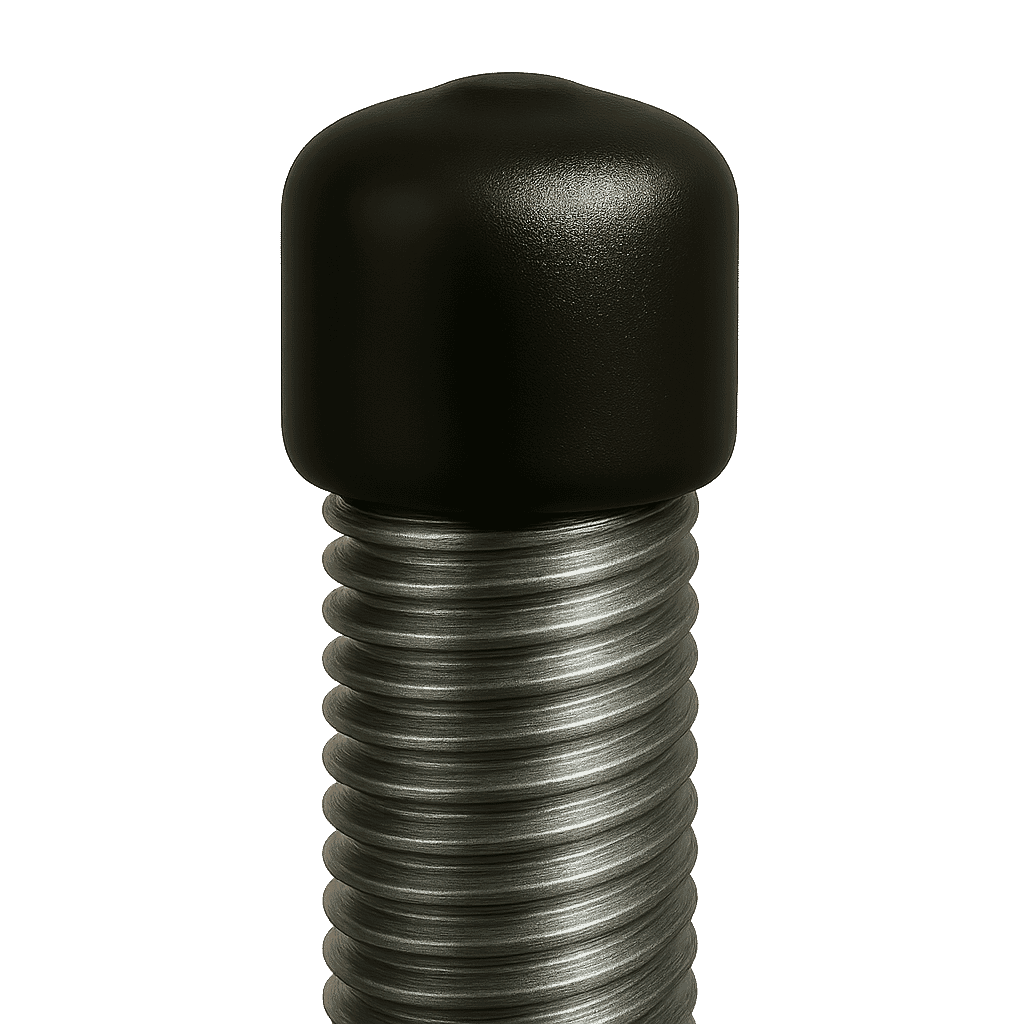
Protect Threads
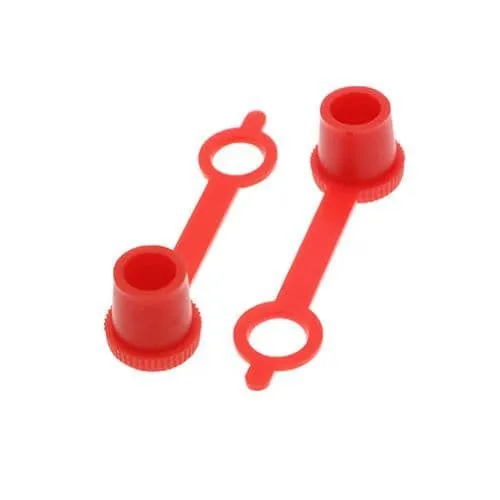
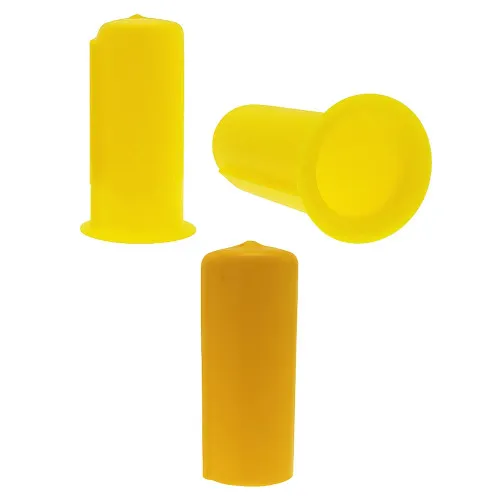
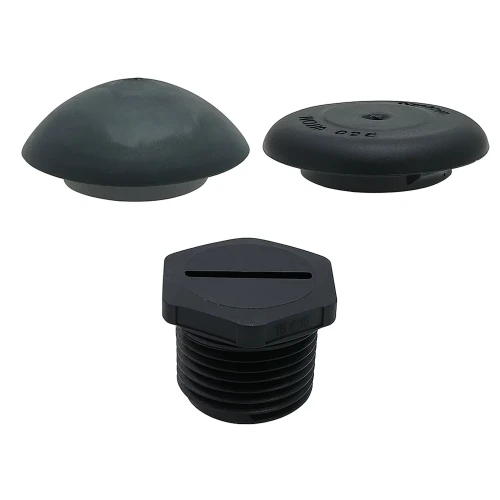
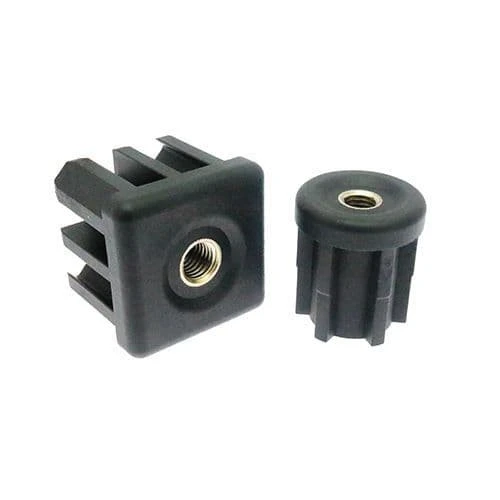
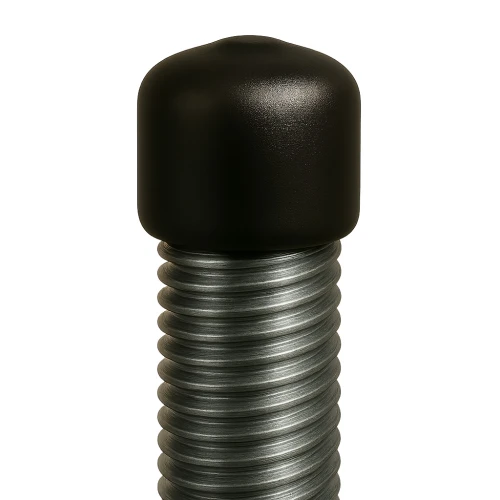
PVC stud caps cover exposed threaded studs to help prevent impact damage, dirt ingress and contamination.
Shop PVC Stud Caps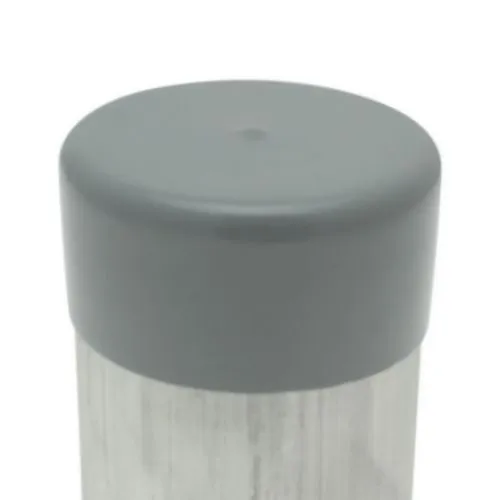
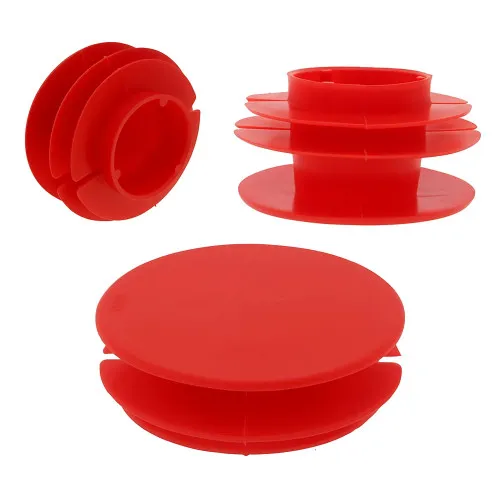
Cap Pipe Ends
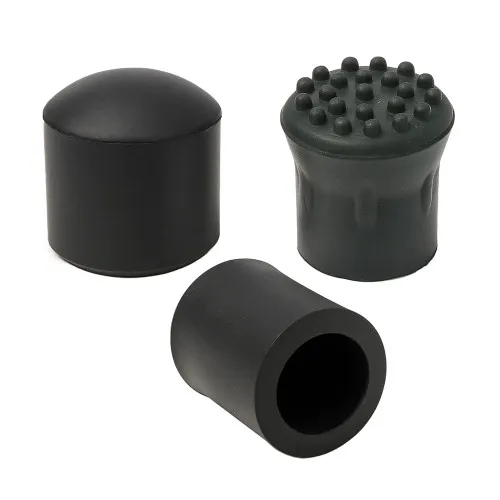
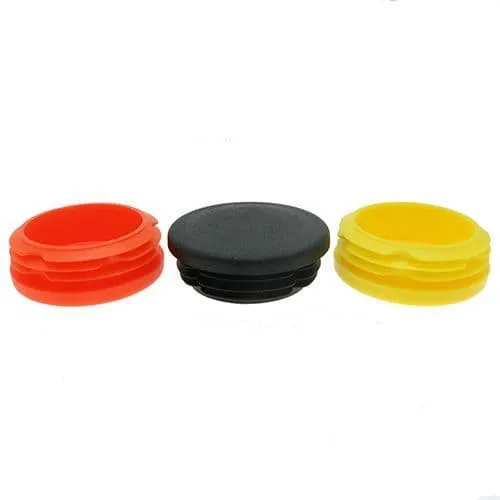
Pipe end caps fit over round pipe and tube ends to provide a neat finish while keeping out dirt and moisture.
Shop Pipe End Caps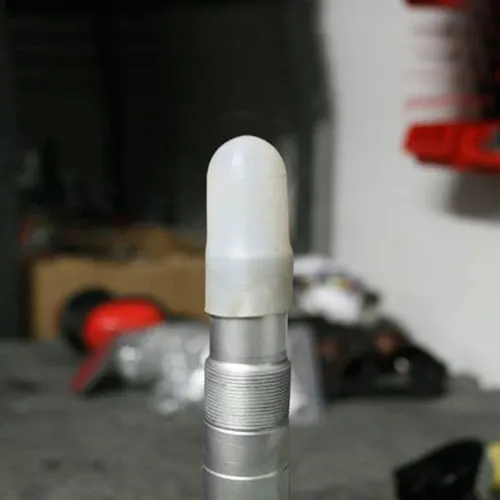
Powder Coating
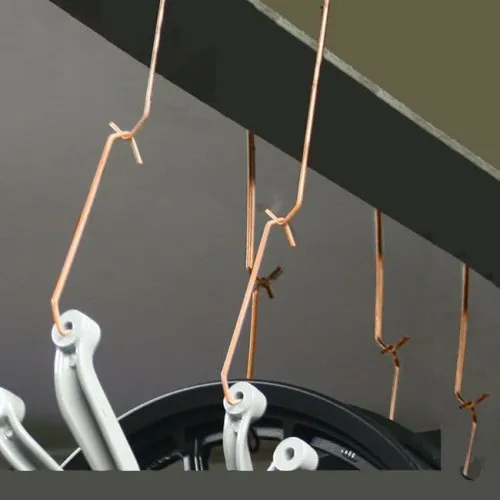
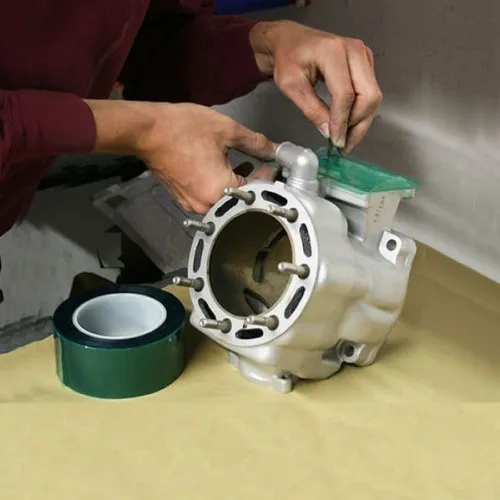
High temperature masking caps protect threads, studs, holes and surfaces during powder coating and finishing processes.
Shop Masking Products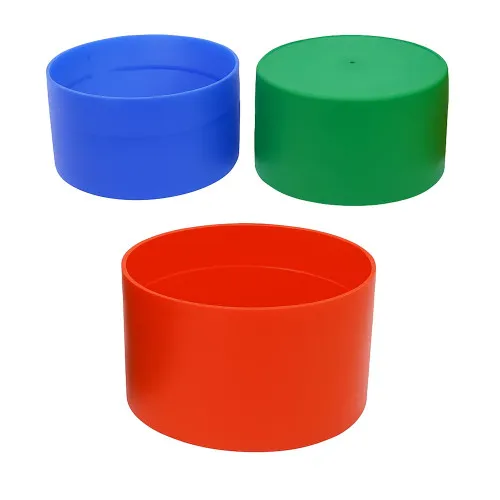
Construction
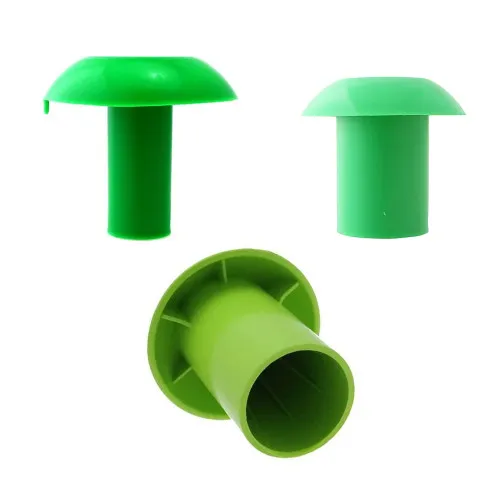
Scaffold end caps cover exposed scaffold tube ends to improve visibility, safety and protection on construction sites.
Shop Scaffold End Caps
Electrical
Heat shrink caps seal and protect cable ends, wire terminations and electrical connections against moisture and contamination.
Shop Heat Shrink Caps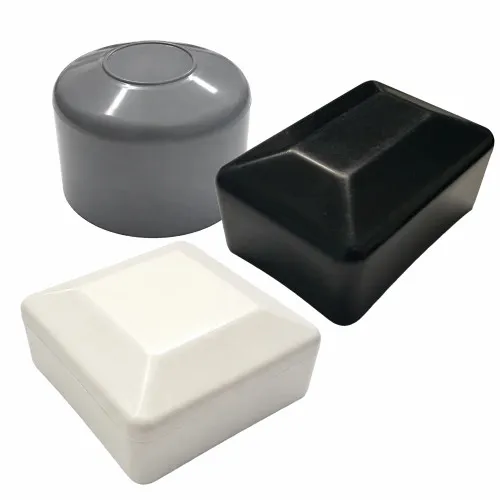
Fence Post Caps
Fence post caps cover exposed post tops to improve appearance and help reduce water ingress, weathering and impact damage.
Shop Fence Post CapsHow to Measure an End Cap
Accurate measurements ensure the correct fit and function. Use digital calipers for best results and measure in millimetres (mm).
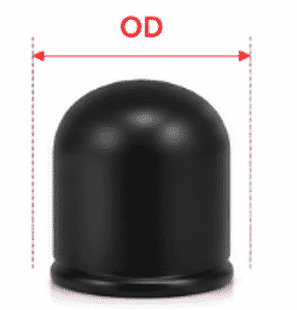
1. OD (Outer Diameter)
Measure the outside diameter of the cap.
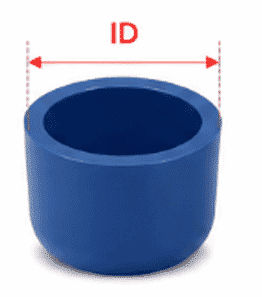
2. ID (Inner Diameter)
Measure the internal diameter of the cap opening.
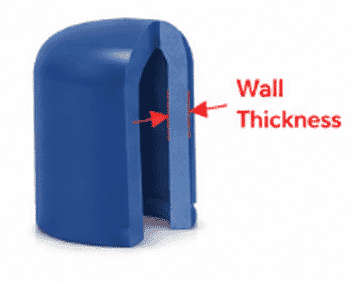
3. Wall Thickness
Measure the thickness of the cap wall.
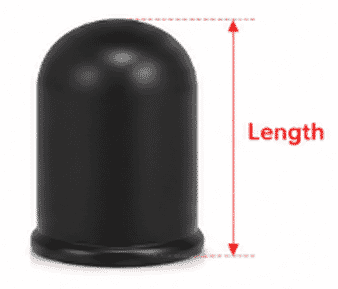
4. Length (Overall Height)
Measure the overall height from the base to the top.
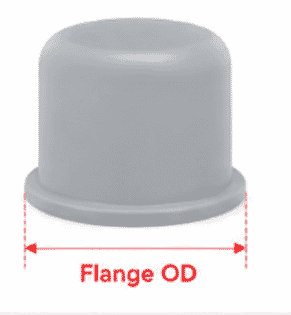
5. Flange
Measure the flange diameter at the base of the cap.
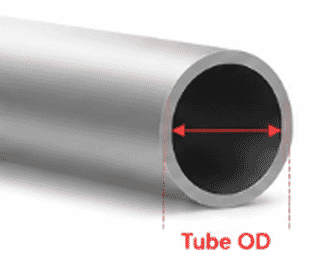
6. Tube OD (Fits Over)
Measure the outside diameter of the tube the cap fits over.
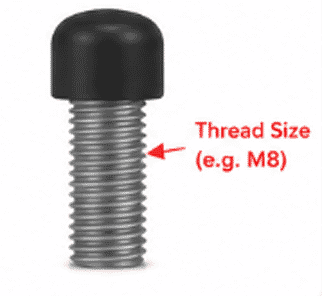
7. Thread Size
Identify the thread size the cap is designed to fit.
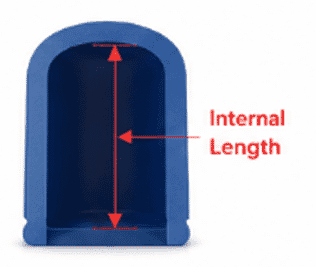
8. Internal Length (Depth)
Measure the internal depth from the opening to the closed end.
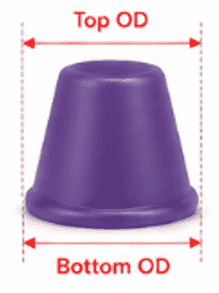
9. Tapered Caps
Measure both the top and bottom diameters.
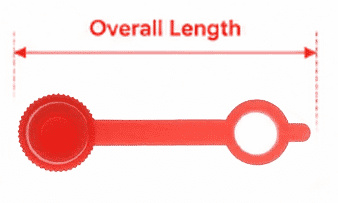
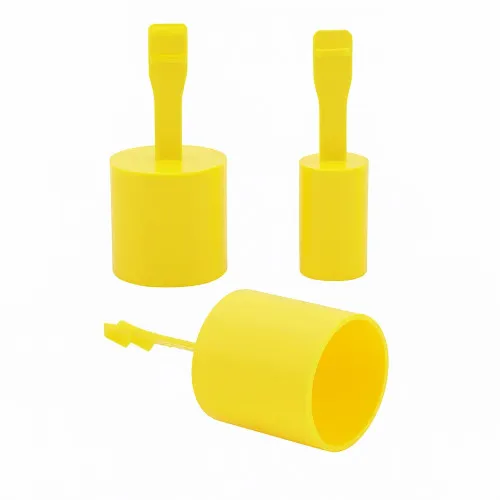
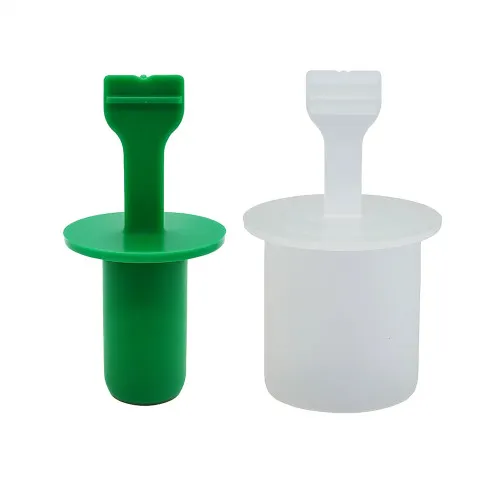
10. Pull Tab Caps
Measure overall length including the pull tab.
Types of End Caps
Protect, finish and seal your components with our range of caps.
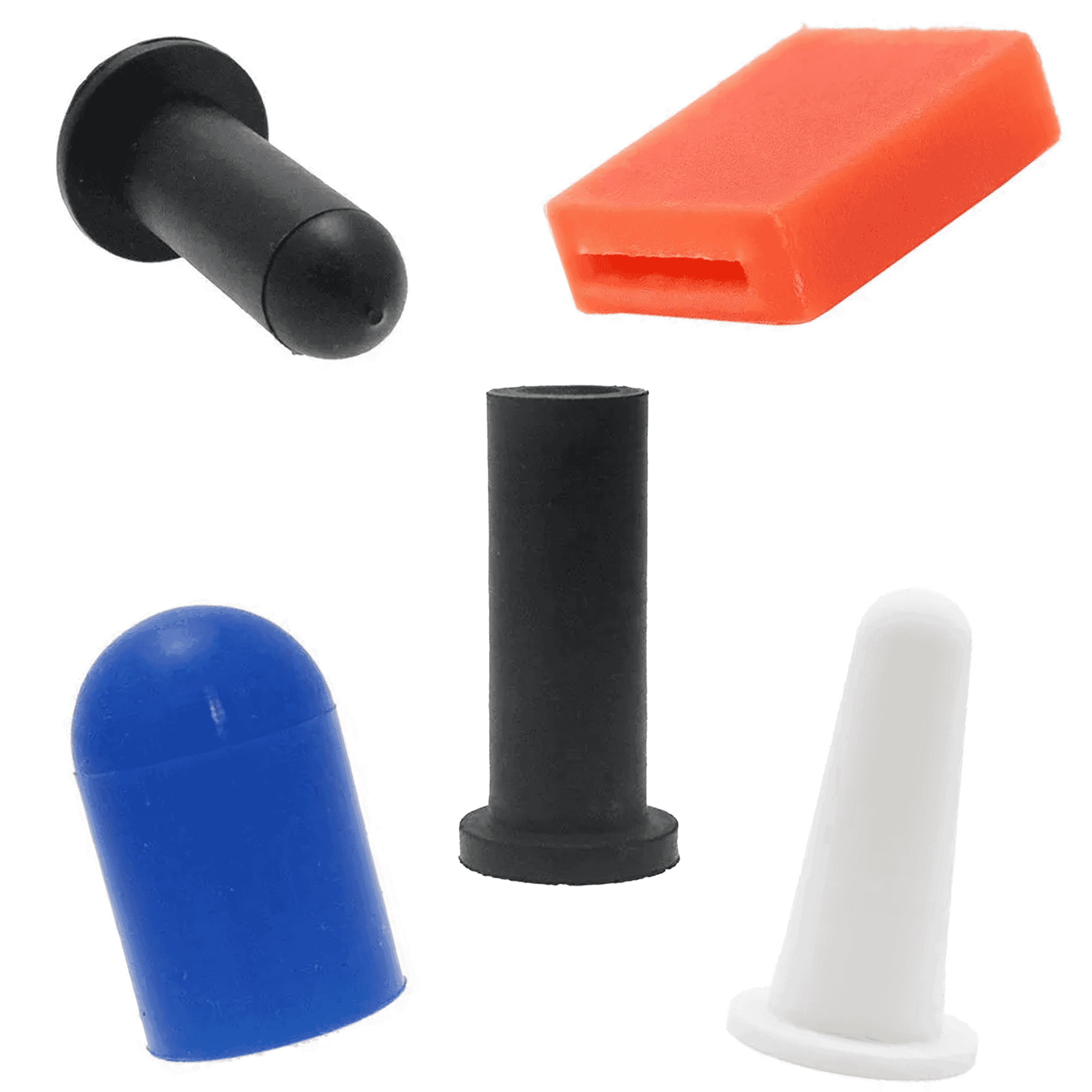
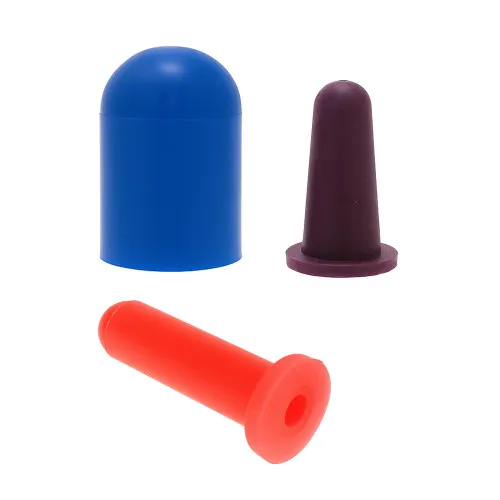
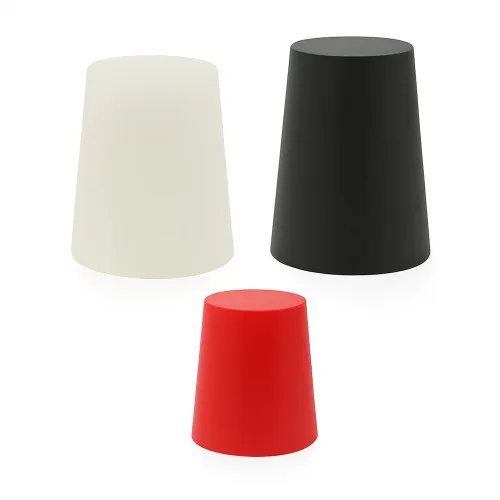
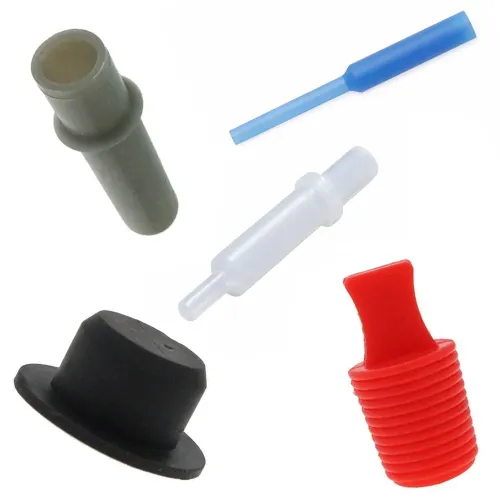
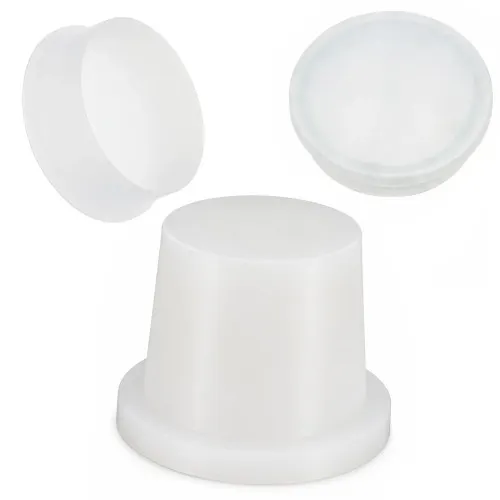
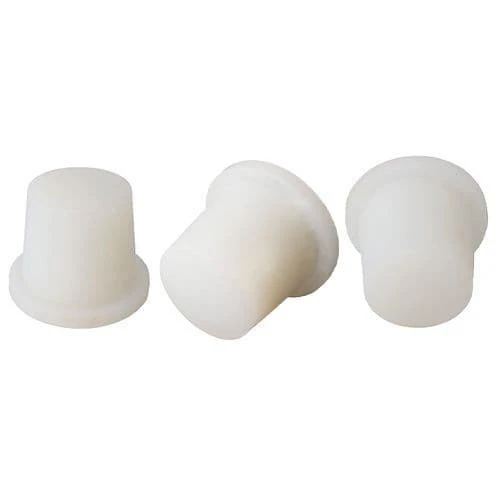
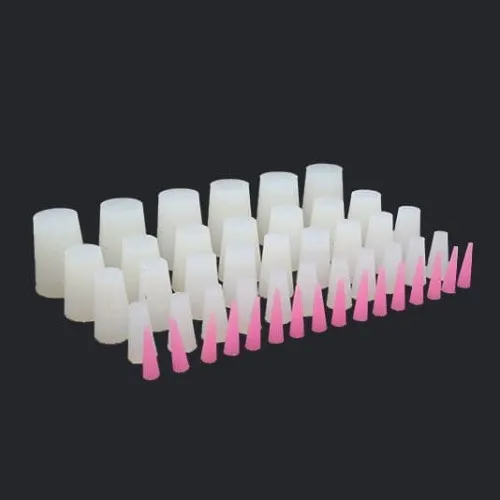
Silicone Cap
High temperature resistance up to 200°C. Flexible, durable and ideal for demanding applications.
Shop Silicone Caps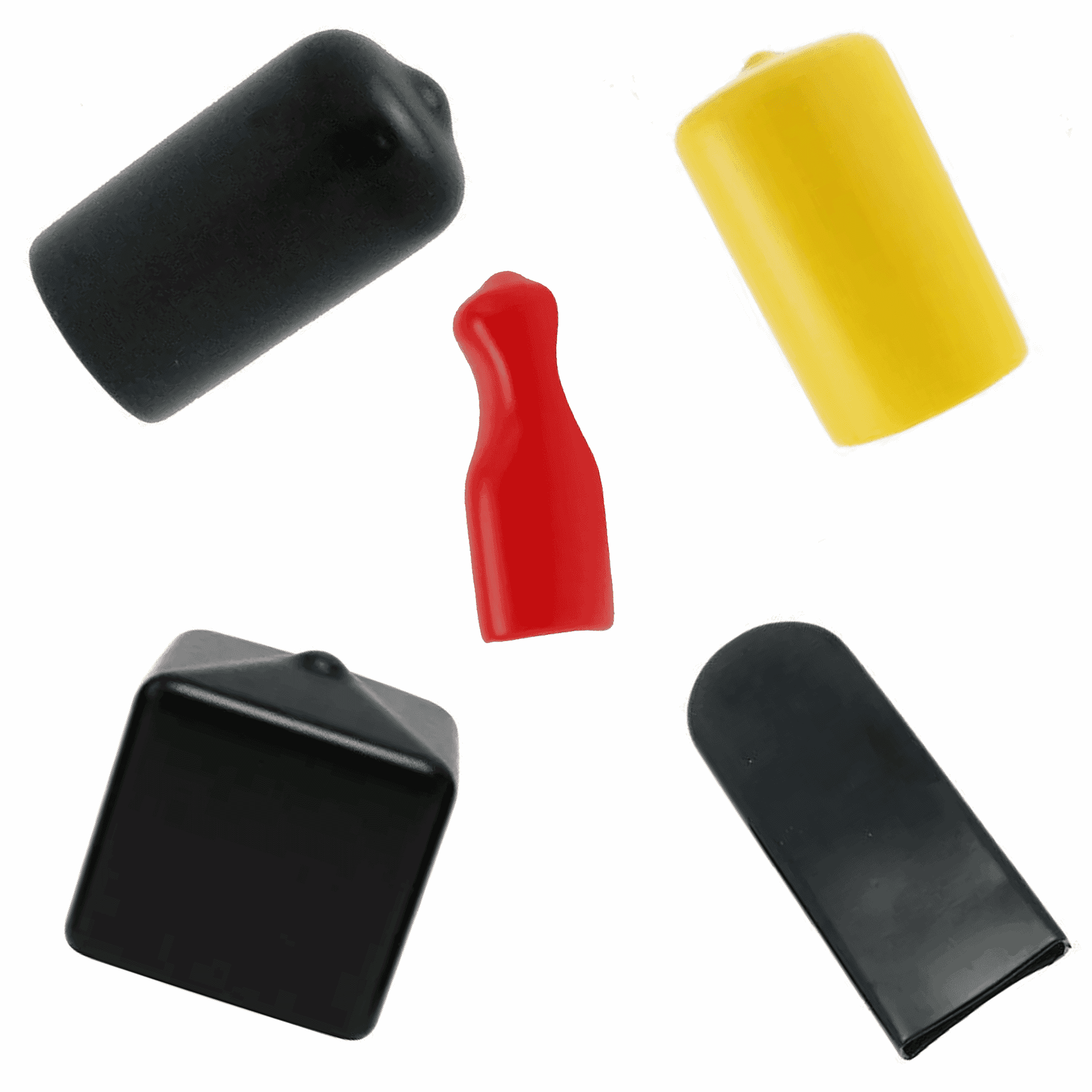
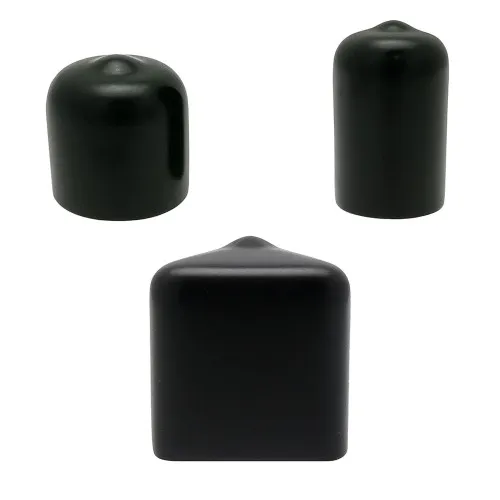
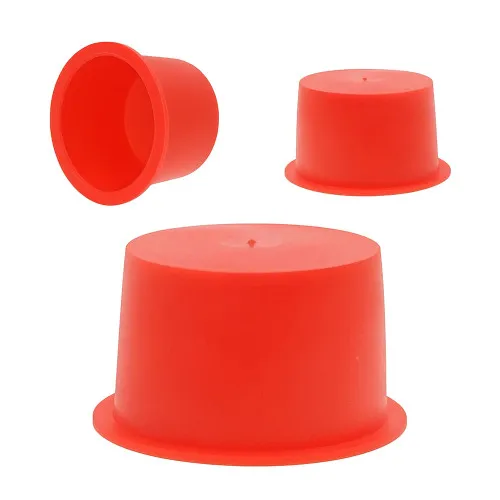
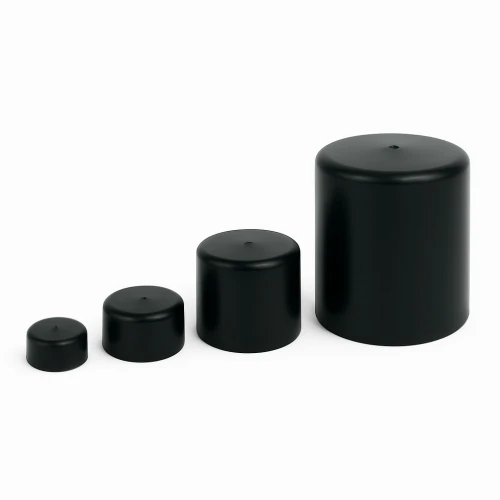
PVC End Cap
General purpose protection for tubes, pipes and fittings. Cost-effective and easy to use.
Shop PVC Caps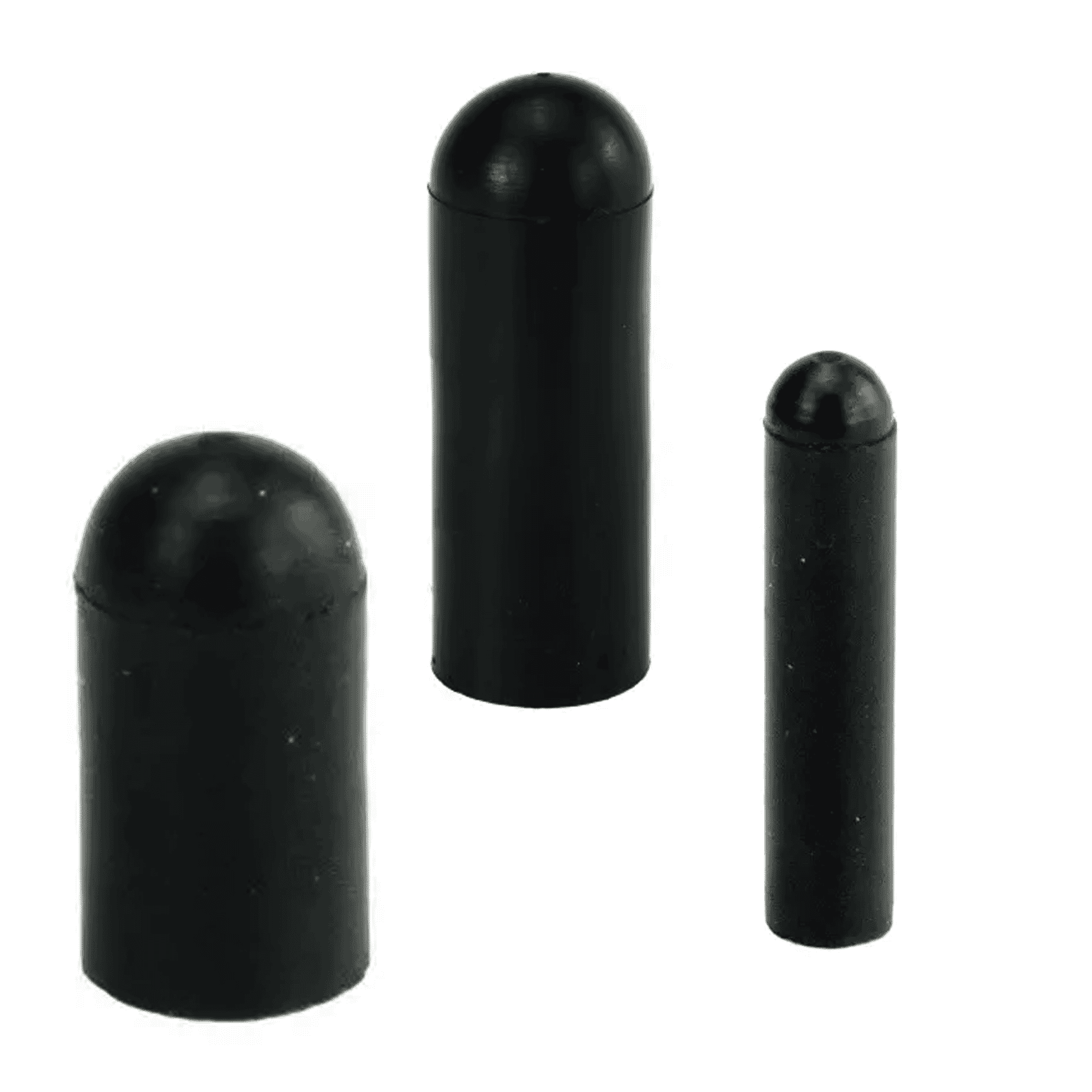
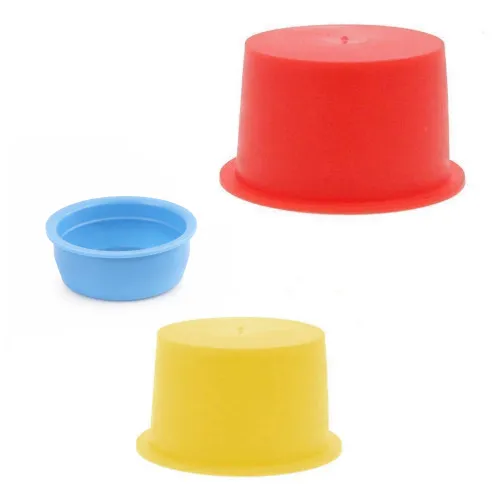
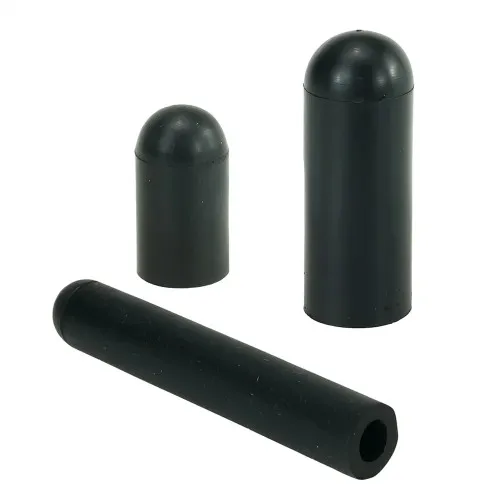
EPDM End Cap
Weather, ozone and chemical resistant. Ideal for outdoor and industrial use.
Shop EPDM Caps
Pipe End Cap
Designed to fit over the end of pipes to protect against dirt, damage and moisture.
Shop Pipe End Caps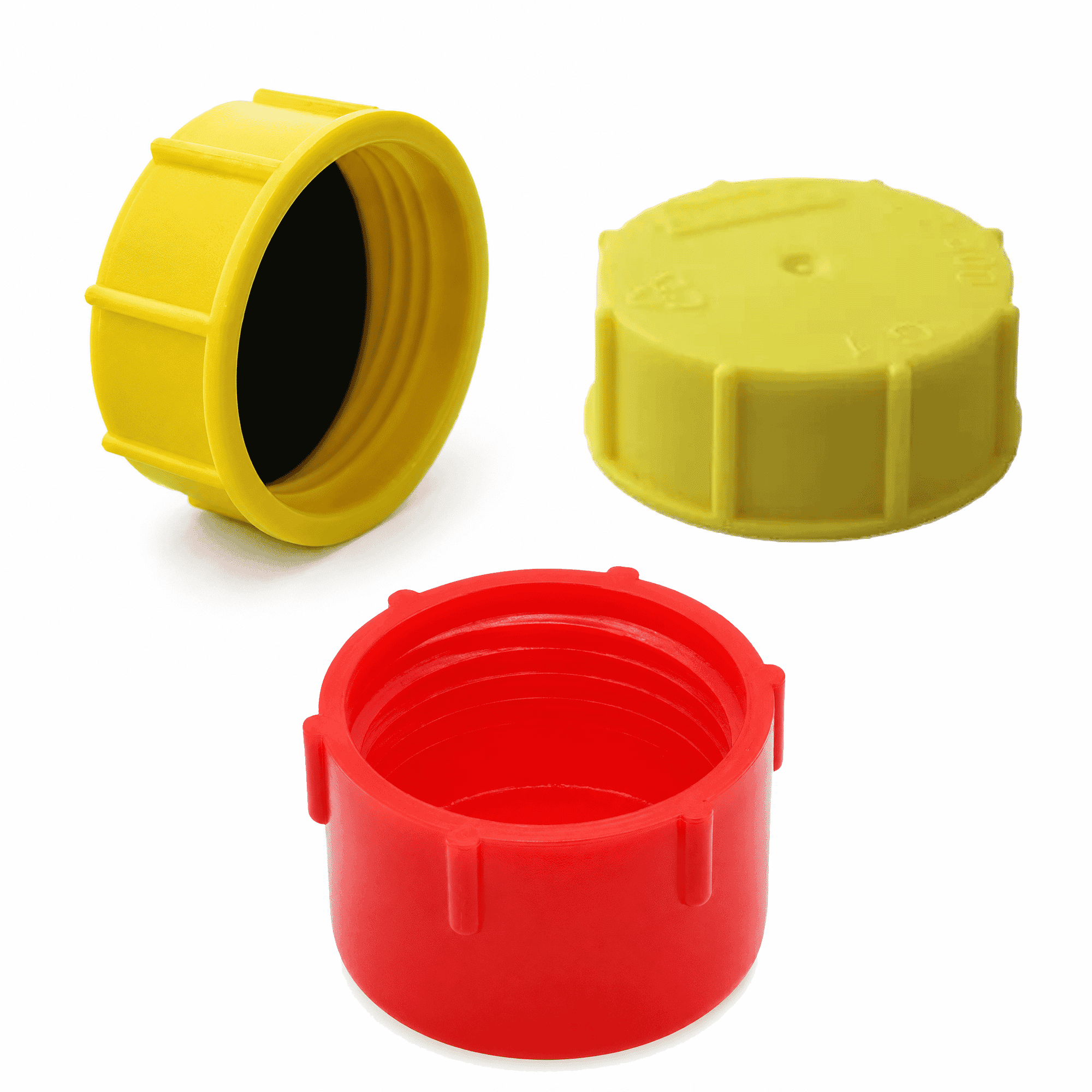
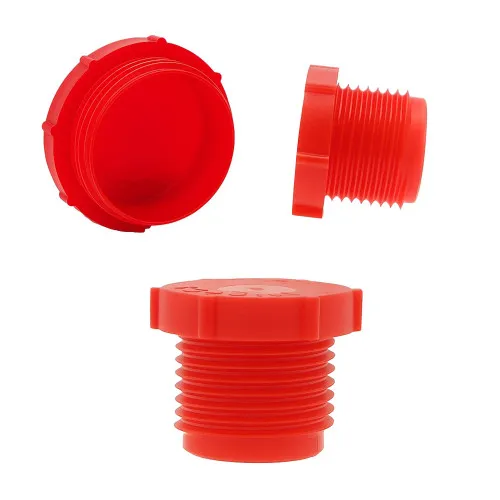
Threaded Cap
Protects threaded fittings, ports and connectors from damage and contamination.
Shop Threaded Caps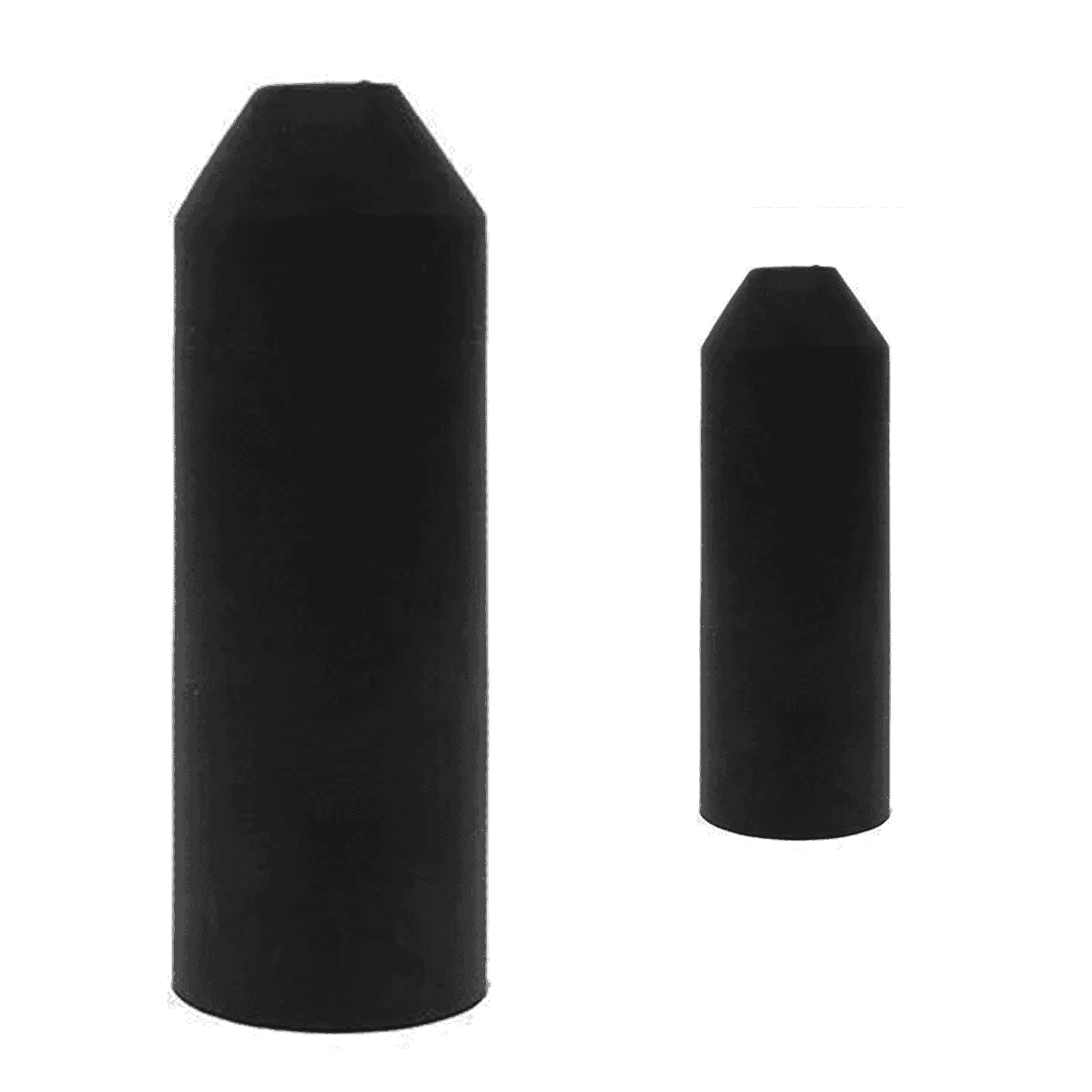
Heat Shrink Cap
Heat activated adhesive lining provides a waterproof seal and strain relief.
Shop Heat Shrink CapsWhy Use End Caps?
Protect against damage, dirt and corrosion
Seal out moisture, chemicals and contaminants
Improve safety and enhance product finish
Cost-effective solution for a wide range of applications
End Cap Types Explained
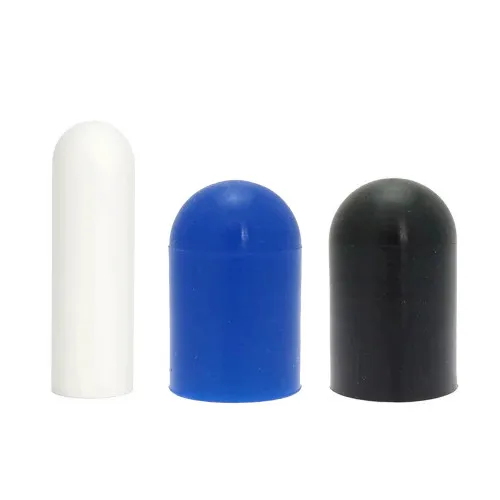
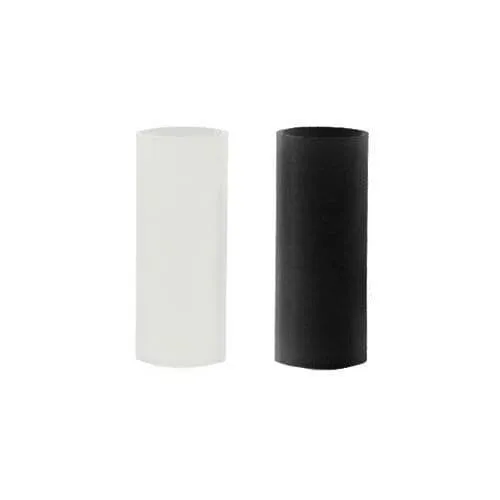
Silicone End Caps
High temperature resistant, ideal for coating and finishing.
Visit Silicone End Caps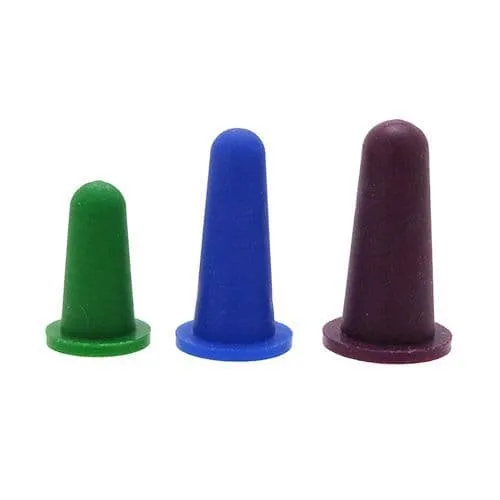
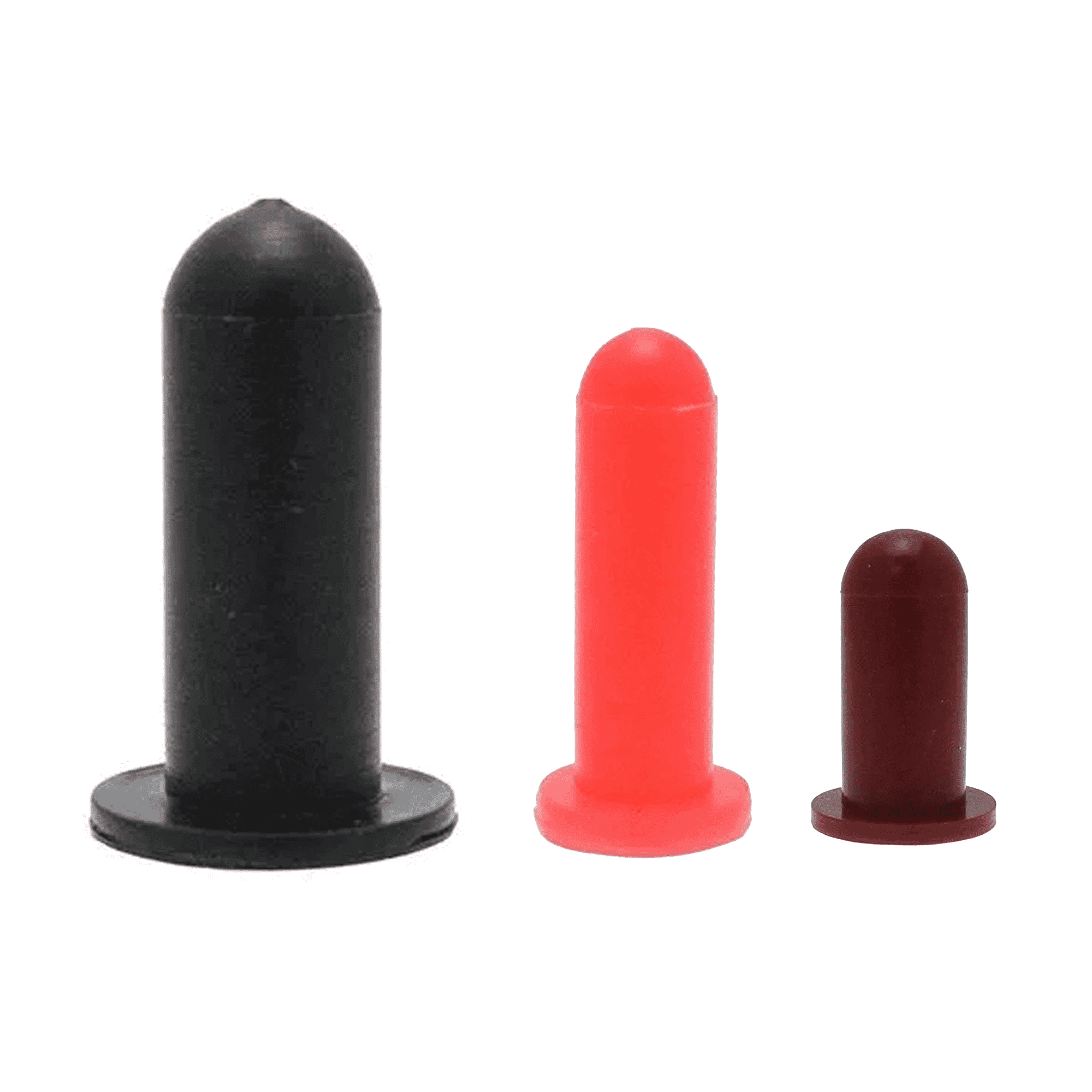
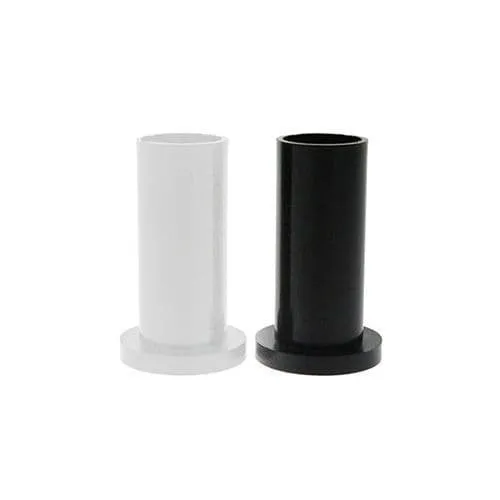
Silicone Washer Caps
Cap and washer combined for dual protection.
View Silicone Washer Caps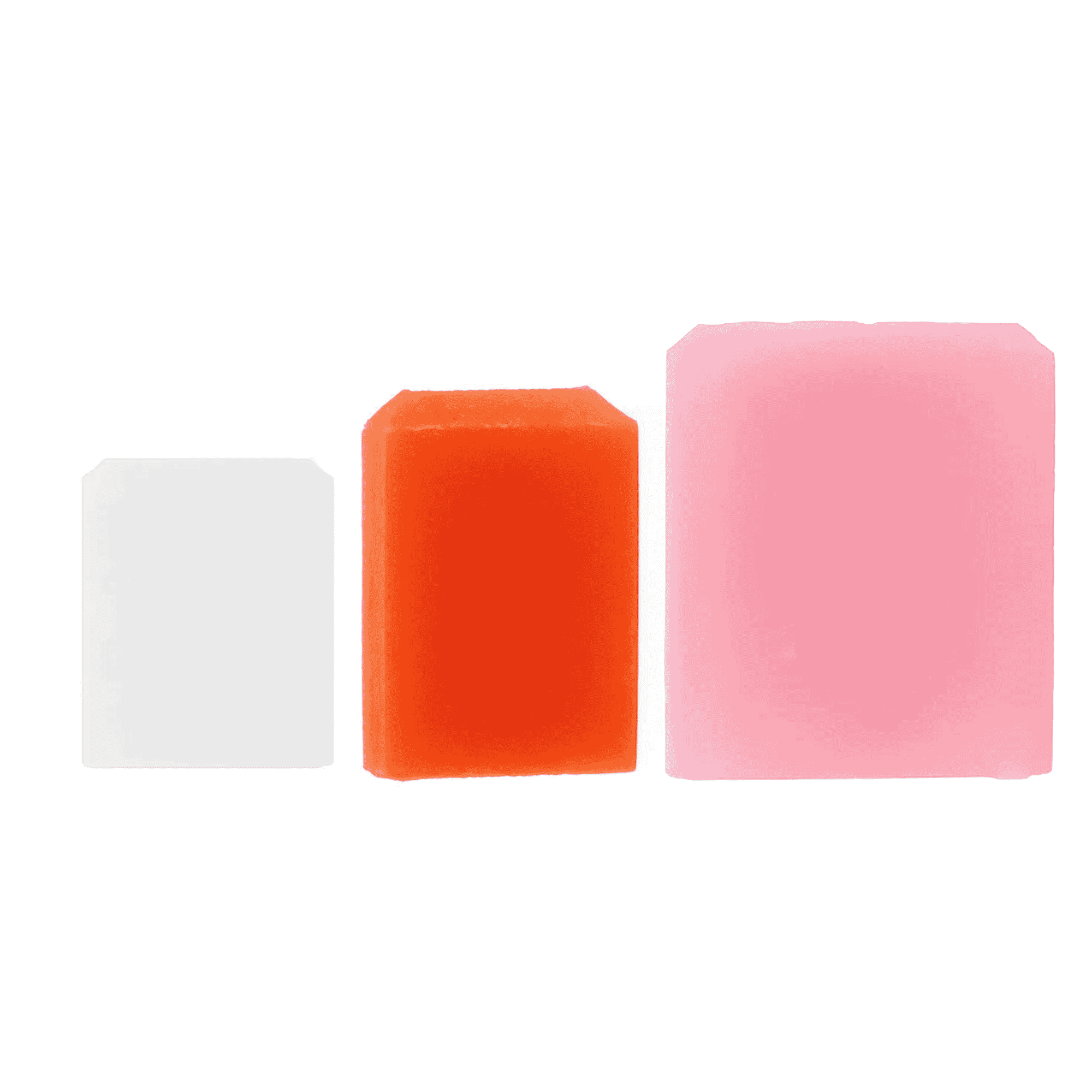
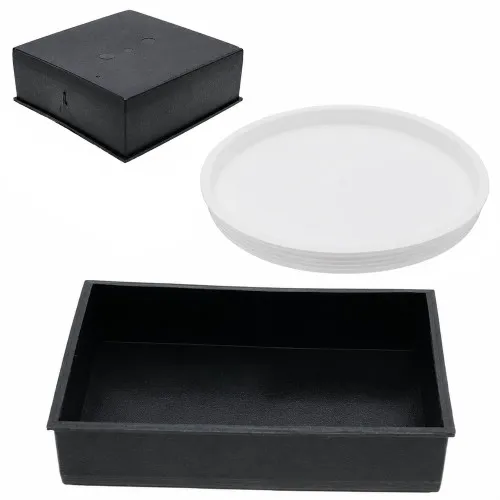
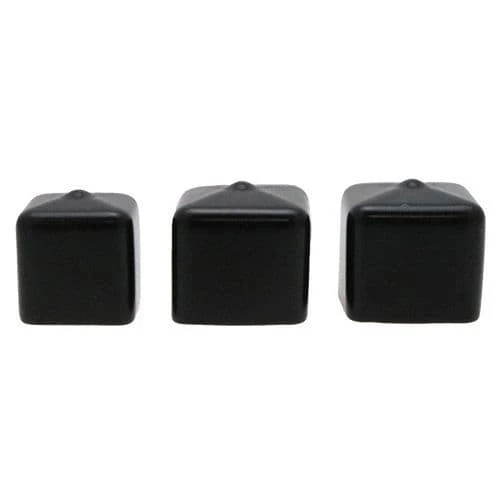
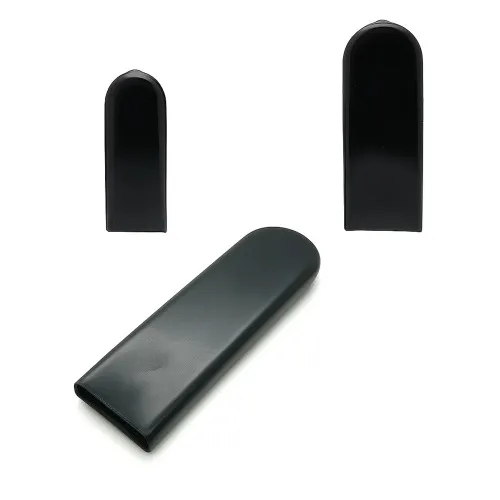
Silicone Rectangle Covers
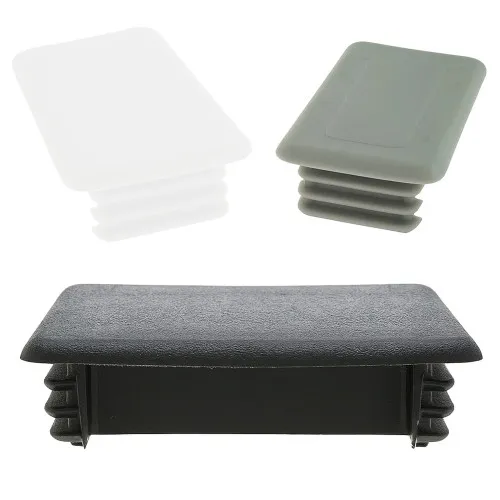
Covers rectangular tube during high heat finishing.
Discover Silicone Rec Covers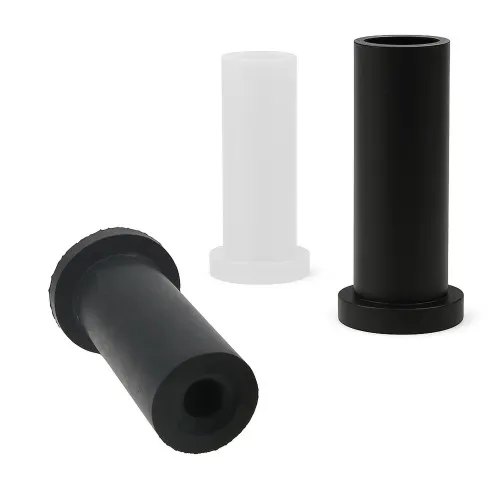
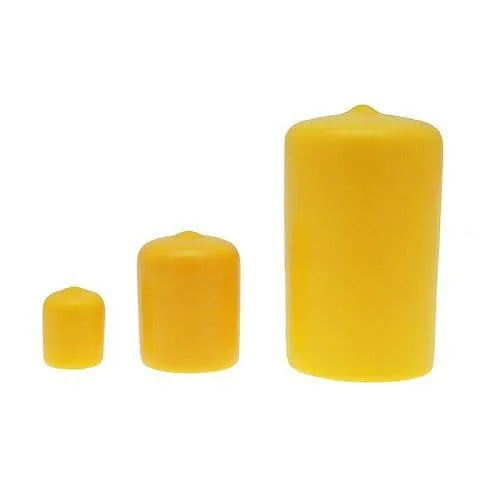
High Temp PVC Caps
Cost effective option for higher temperature coating.
Browse High Temp PVC Caps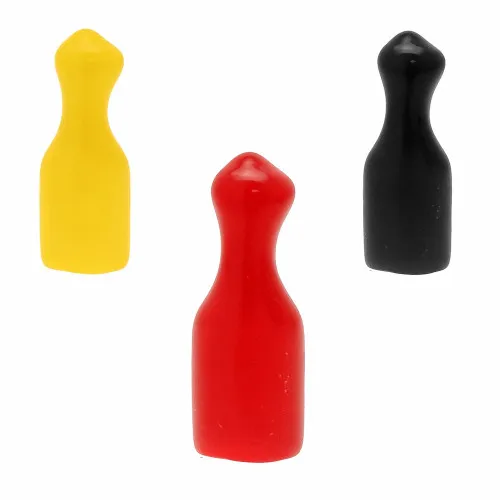
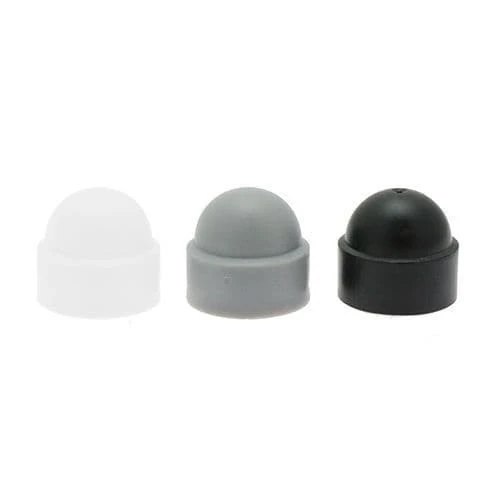
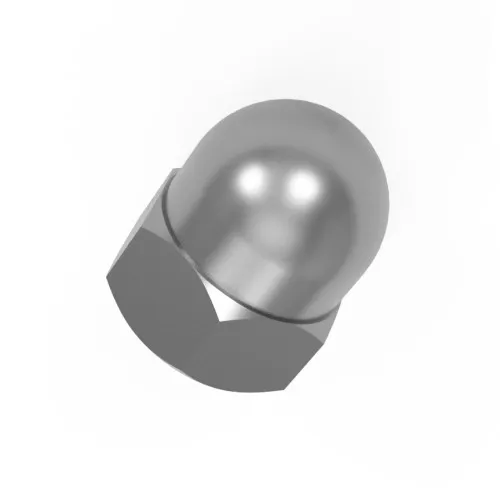
Domed Nut & Bolt Caps
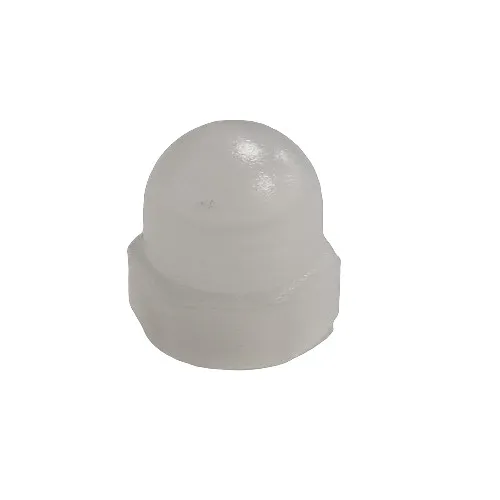
Covers exposed fasteners for a clean finish.
View Domed Nut & Bolt Caps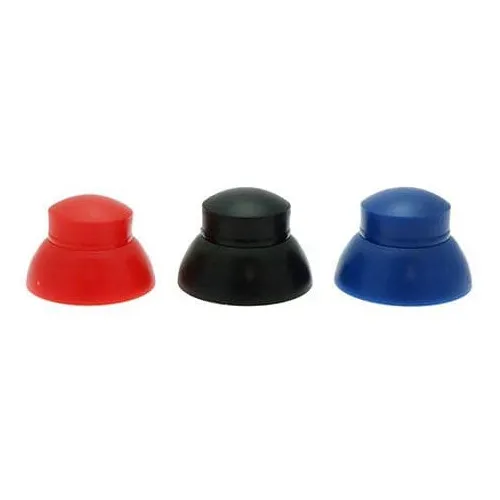
Secure Nut & Bolt Caps
Locking cover prevents unauthorised removal.
Explore Secure Nut & Bolt Range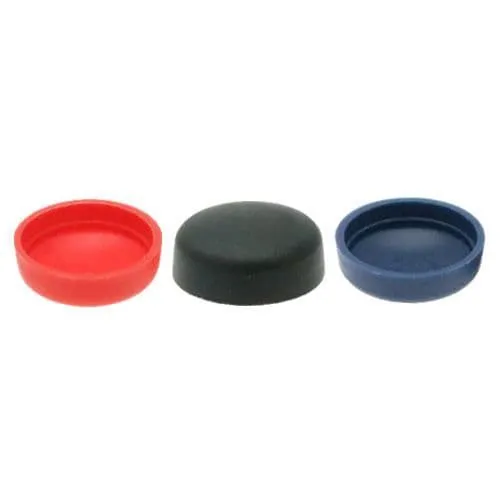
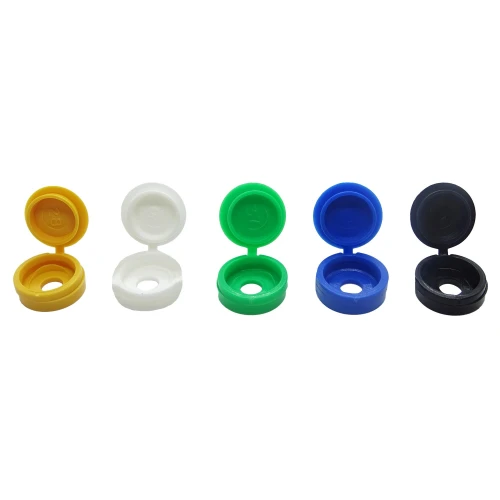
Number Plate Screw Caps
Covers number plate fixing screws neatly.
Browse Number Plate Screw Caps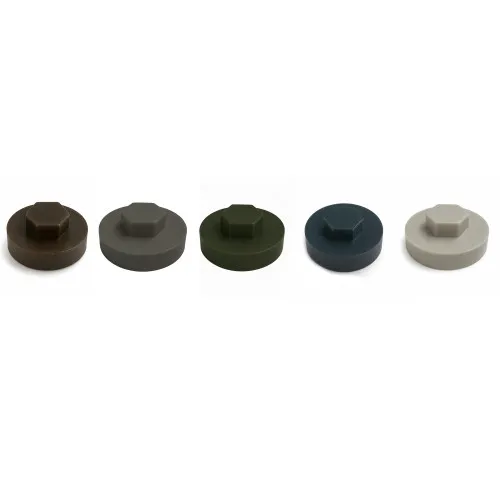
Roofing Screw Caps
Protects roofing fixings from rain and UV.
Explore Roofing Screw Caps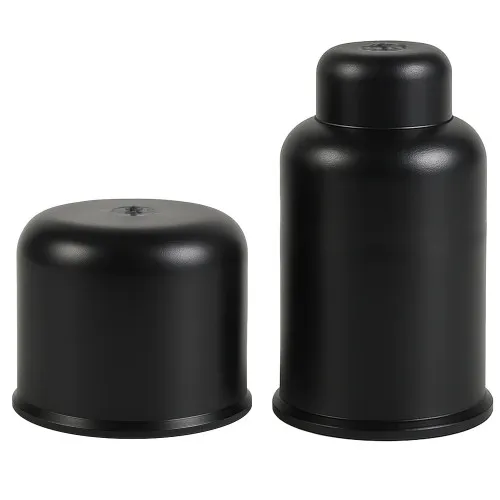
Thread Protection Nut Caps
Shields exposed nuts from impact and corrosion.
Explore Thread Protection Nut Caps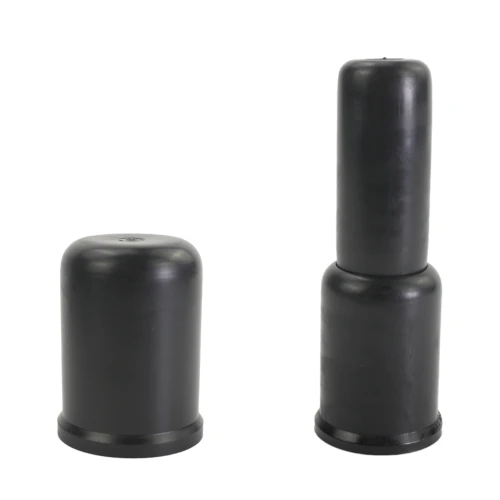
Thread Protection Nut & Washer Caps
Protects nut and washer together.
Browse Nut & Washer Caps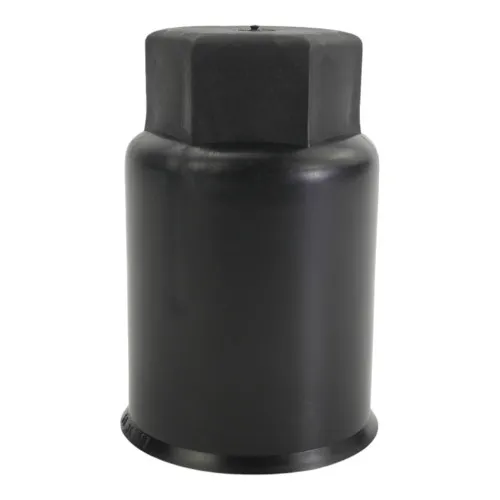
Self Threading Nut Caps
Screws onto fasteners for a secure fit.
View Self Threading Nut Caps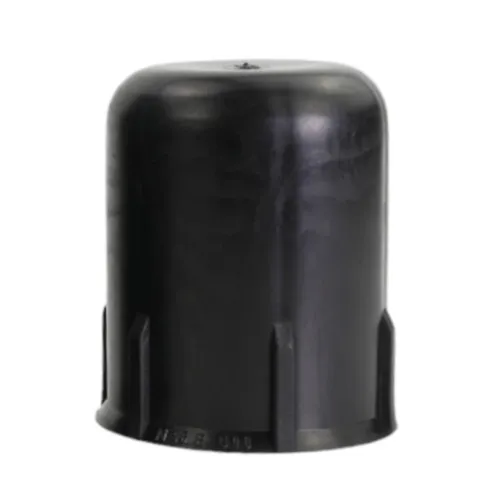
Self Threading Stud Caps
Grips exposed studs securely and reliably.
View Self Threading Stud CapsCompare End Cap Materials
Choose the right material for your application and environment.
| Material | Temp | Outdoor | Flexible | Powder Coating | Chemical Resistant |
|---|---|---|---|---|---|
| Silicone | |||||
| EPDM | |||||
| PVC | |||||
| LDPE |

Related Guides
Further reading to help you choose and use the right end cap.
Guide to EPDM Caps
Everything you need to know about EPDM rubber caps, including common applications, material properties and selection guidance.
Read Guide
What Is Silicone Rubber?
Learn about silicone rubber properties, temperature resistance and why it is widely used for masking, sealing and protection.
Read Guide
Masking and Protection
Explore precision masking solutions for protecting threads, holes and surfaces during powder coating and industrial finishing.
Read Guide