


Stainless Steel Flat Washers
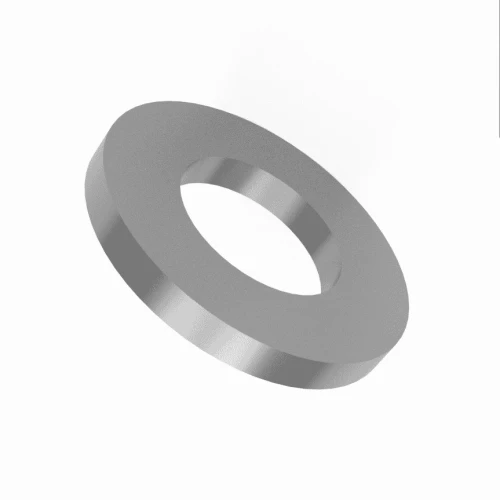
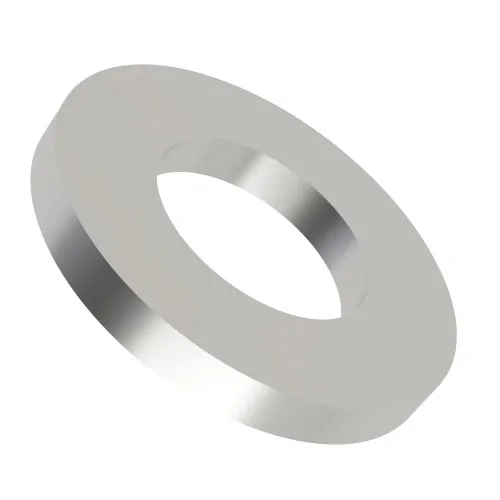
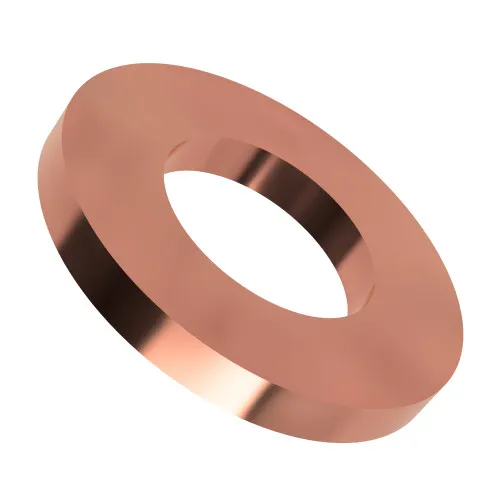
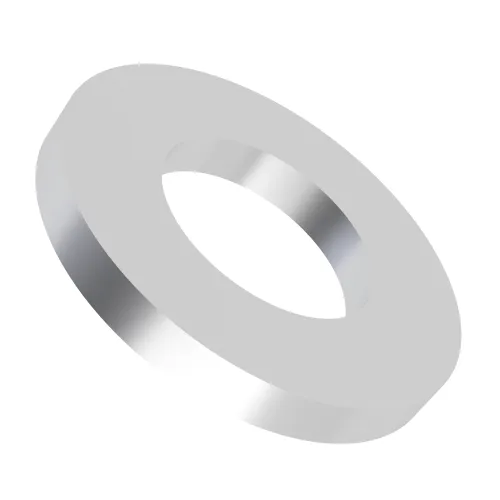
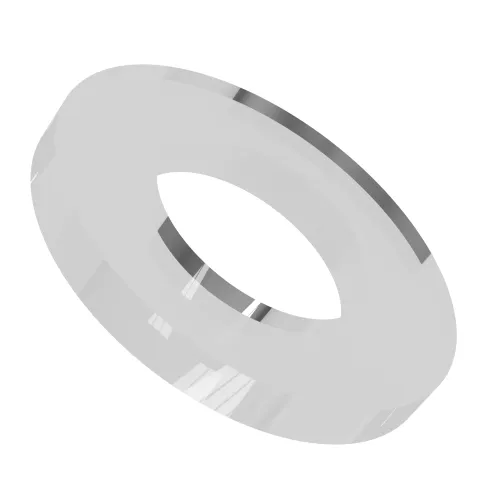
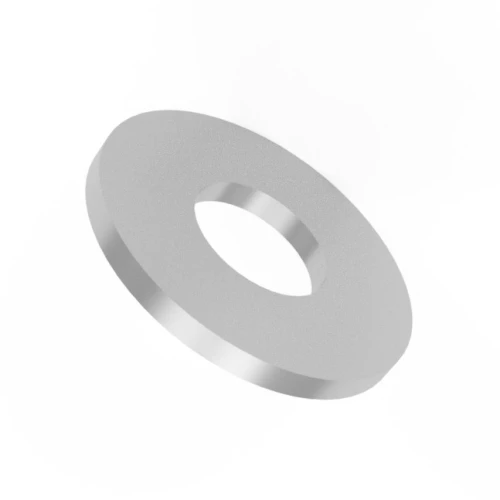
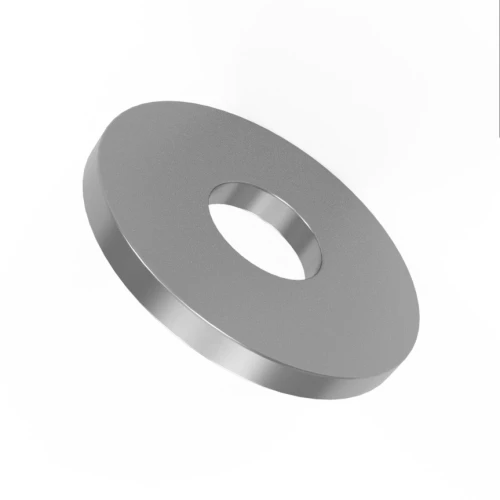
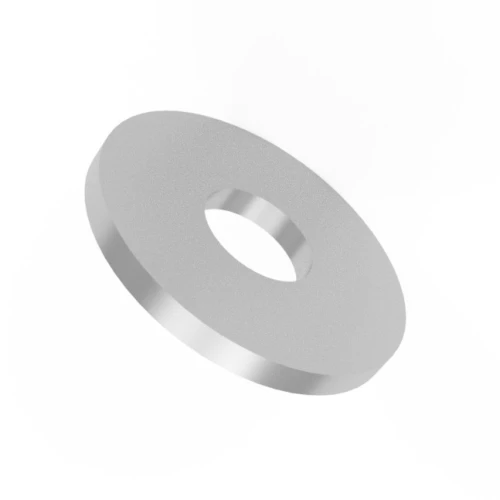
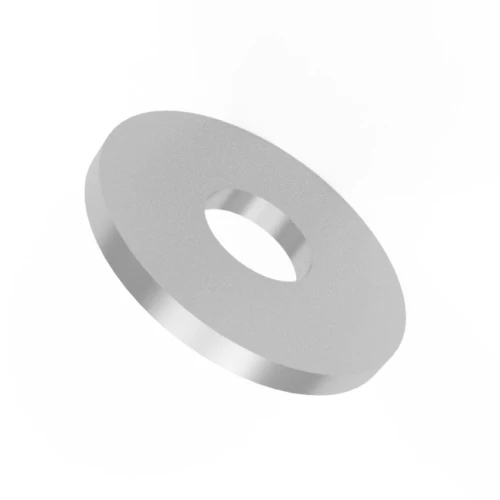
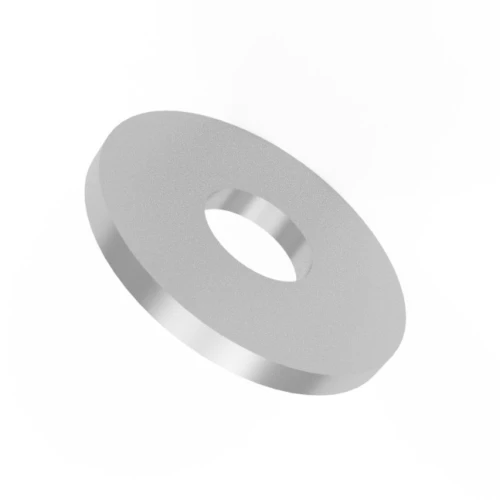
Stainless steel flat washers are indispensable components in almost any bolted joint. The steel washer is designed to distribute the load of a threaded fastener (like a bolt or screw) evenly across a wider surface area, they prevent damage to the material being fastened and help ensure a secure, long-lasting connection. Without a flat washer, the concentrated force of a bolt head or nut could deform softer materials or even pull through the hole, compromising the integrity of your assembly.
You'll find flat washers in nearly every industry and application, from heavy construction and automotive manufacturing to delicate electronics and home DIY projects. They're crucial wherever you need to:
- Distribute Load: Spread the clamping force over a larger area, protecting the surface of the fastened material.
- Prevent Damage: Shield surfaces from the friction and wear caused by tightening nuts and bolts.
- Create Spacing: Act as a spacer between components.
- Improve Stability: Provide a smooth, consistent bearing surface for the fastener.
- Prevent Loosening: Though not a locking mechanism themselves, they improve the conditions for other locking methods (like lock washers) to work effectively.
Specific Applications of Stainless Steel Flat Washer Standards
Different flat washer standards exist to meet specific engineering requirements for dimensions, tolerances, and intended use.
DIN 125A Flat Washers
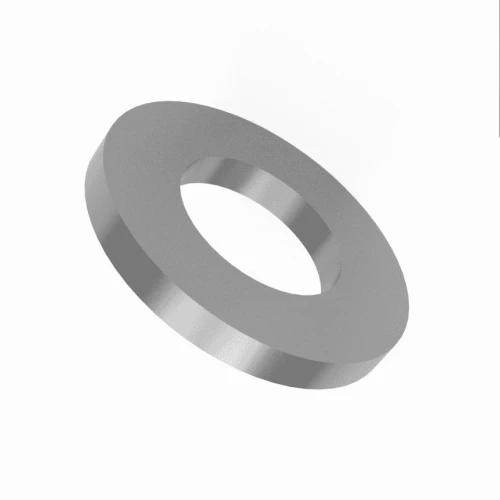
These stainless steel washers are perhaps the most common and widely used general-purpose flat washers. These stainless washers have a standard outer diameter and thickness relative to the bolt size, making them suitable for most everyday applications where a basic load distribution is needed.
- General Use: Machine building, automotive, furniture assembly, construction, and DIY projects.
- Wherever a standard-sized washer is sufficient to protect the surface and provide a bearing for the fastener.
DIN 433 Flat Washers (Small Series)
Unlike the DIN 125A, DIN 433 flat washers have a smaller outer diameter. This makes them ideal for applications where space is limited, or a more compact aesthetic is desired, without sacrificing too much load distribution.
- Electronics and Electrical Applications: Mounting circuit boards, securing smaller components where space is at a premium.
- Fine Mechanics: Precision instruments, delicate machinery where larger washers would interfere.
- Automotive Interior/Trim: Wherever a neat, less obtrusive fastening is required.
DIN 1052 Flat Washers (For Timber Constructions)
While not as universally used as 125A, DIN 1052 washers are specifically designed for timber constructions. They have a larger outer diameter and often a greater thickness than standard washers to provide a significantly larger bearing surface. This is crucial for wooden structures to prevent the bolt head or nut from compressing into or pulling through the softer wood material.
- Timber Framing: Securing beams, posts, and trusses in wooden buildings.
- Decking and Fencing: Providing robust connections in outdoor timber structures.
- Heavy Timber Connections: Ensuring the longevity and stability of large wooden assemblies.
DIN 9021 Flat Washers (Large Series / Fender Washers)
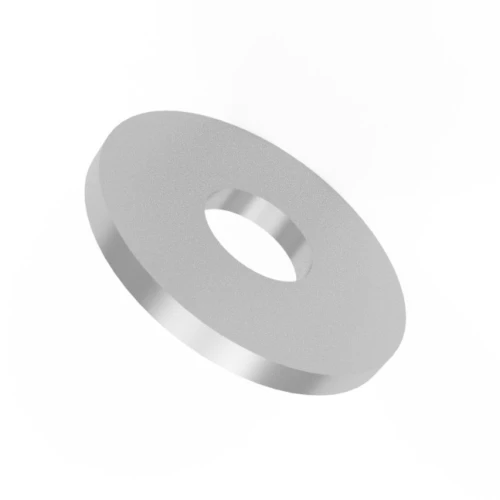
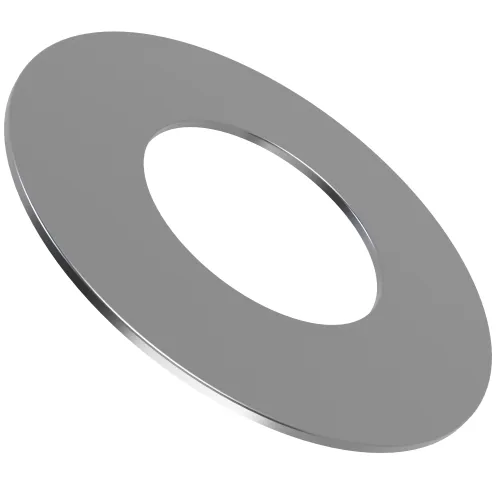
DIN 9021 flat washers are characterized by their very large outer diameter relative to the inner diameter. Often referred to as "fender washers," they offer maximum load distribution. This makes them essential when fastening soft or thin materials, or when covering oversized or damaged holes.
- Sheet Metal Work: Preventing fasteners from tearing through thin sheet metal panels.
- Plumbing and HVAC: Sealing connections or mounting components to soft insulation.
- Automotive Fenders and Body Panels: Hence the "fender washer" name.
- Repair Work: Covering existing large or elongated holes to allow for a secure fastening.
BS 4320 Flat Washers
The British Standard BS 4320 specifies dimensions for various types of metal washers for general engineering purposes. It includes different "types" (e.g., Type A for normal diameter, Type B for large diameter, Type C for small diameter) with specific thickness grades. While often similar to DIN standards, they provide alternatives for compatibility with British-engineered designs.
- General Engineering: Broad range of uses in British-designed machinery, vehicles, and structures.
- Maintenance and Repair: When replacing components in systems originally built to BS standards.
- Specific Industry Requirements: Certain sectors may still specify BS standards for consistency.
What is a Penny Washer?
A Penny Washer is an informal, colloquial term, primarily used in the UK, for a flat washer with a very large outer diameter relative to its inner diameter. It gets its name from the fact that its size is roughly comparable to an old penny coin.
Where is it used? Penny washers are used for the same reasons as DIN 9021 washers (which are the standardized version of this type of large washer). They are ideal for:
- Distributing extreme loads over soft materials like wood or plastic.
- Securing thin sheet materials without tearing.
- Covering oversized or irregular holes from previous fastenings or damage.
When to Use A2 and A4 Stainless Steel Washers
The choice between A2 and A4 stainless steel for your washers is crucial, as it dictates their resistance to corrosion and their suitability for different environments.
A2 Stainless Steel (Type 304):
- Common Use: This is the most widely used grade of stainless steel, offering excellent corrosion resistance in normal atmospheric conditions, freshwater, and general industrial environments.
- Applications: Fastening in kitchens, food processing equipment (dry areas), general machinery, outdoor furniture, and construction where exposure to salt or harsh chemicals is minimal.
- Cost-Effective: Generally more affordable than A4.
A4 Stainless Steel (Type 316 / "Marine Grade"):
- Superior Corrosion Resistance: This grade contains Molybdenum, which provides significantly enhanced resistance to pitting corrosion and corrosion from chlorides (salts) and various acids.
- Applications: Absolutely essential for marine environments (boats, docks, coastal structures), chemical processing plants, swimming pools, high-salinity areas, medical equipment, and food processing equipment where frequent harsh cleaning chemicals are used.
- Demanding Environments: Use A4 whenever there's exposure to saltwater, acids, or other highly corrosive substances.
Need help selecting the right stainless steel flat washer for your applicatrion? Give us a call on 01233 713518


































































Frequently Asked Questions
Stainless steel washers offer a reliable and cost-effective solution when used in combination with a fastener and applied to an application. Stainless steel washers are high quality products that unlock many advantages when compared to flat washers constructed from other materials. Stainless steel washers provide a high level of resistance to corrosion and excellent strength and durability. This also extends to a great temperature resistance, with stainless steel washers able to perform well in both low and high temperatures without losing their mechanical properties. Stainless steel washers have a decent strength-to-weight ratio, meaning they are able to handle heavy loads while being relatively lightweight. As a non-porous metal, stainless steel washers will not harbour bacteria or contaminants, which is an important considering for industries with strict hygiene requirements. Finally, stainless steel washers are fully recyclable and at the end of their application it will generally be possible to reuse or recycle them.
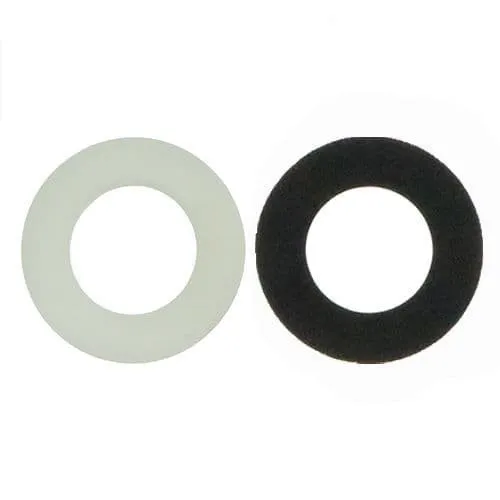
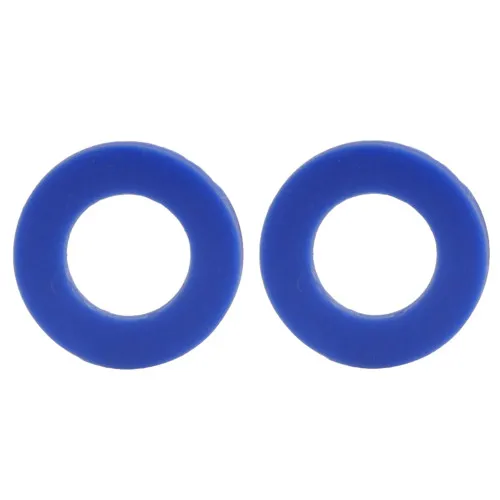
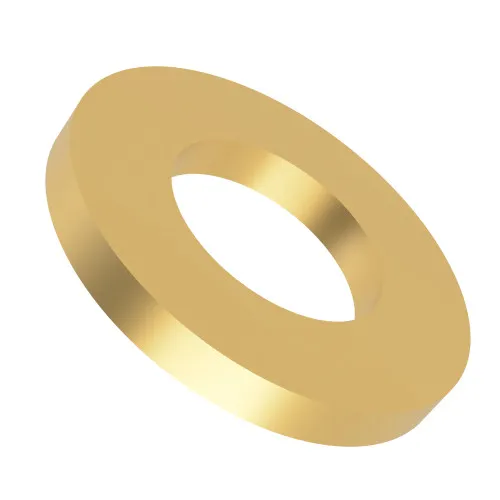
We supply many different styles of flat washers, each designed for slightly different applications. This adds to the versatility of stainless steel washers and means that there is a suitable solution available for every project. The most common types of stainless steel flat washers are known as penny washers and Form A washers. There are also Form B washers, Form C washers and Form D washers. These could also be described using their DIN or BS standards. An Form A washer is also known as a din125a, and Form B and Form C washers use the bs4320 standard. Finally, din9021 are another common variation of stainless steel washers.
We are proud to stock stainless steel washers in a huge range of sizes from M1 all the way up to M56. M10 washers and m12 washers are our two most popular sizes of flat washers. Customers also find the m4 washers and m5 washers useful for a wide range of applications. Looking at the penny washer style specifically, our most commonly purchased products are m6 penny washers and m8 penny washers. In the unlikely event that you need a size of washer that you can't see listed, please do let us know via our contact us page and we'll do our best to source it for you.
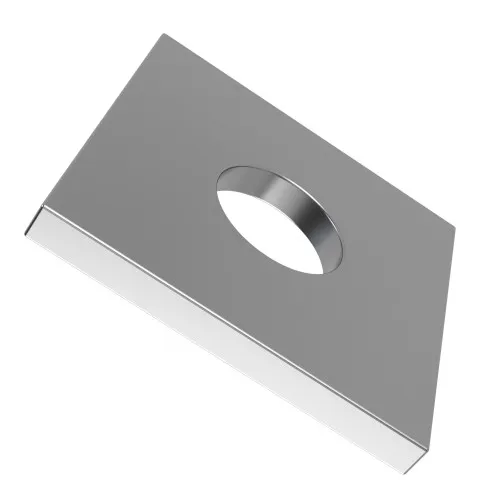
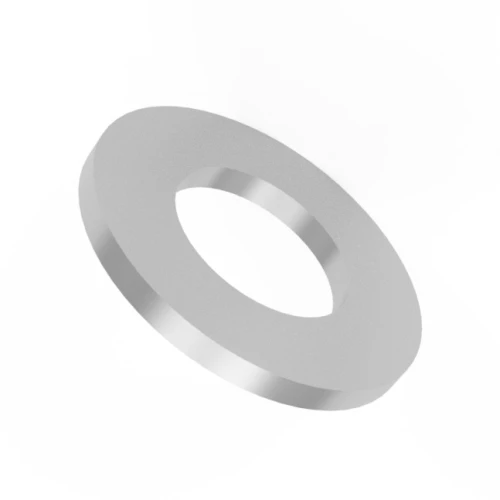
The term Form A washers is used to refer to a specific type of stainless steel washer that conforms to a particular standard. This generally will mean that these flat washers have a certain material composition, dimension or tolerance. It helps to ensure consistency and quality across the many different washer products available by loosely placing them into groups of attributes. For example, Form A washers are considered to have a normal thickness and size that makes them suitable for most standard applications. Our Form A washers come in the iso7089 standard which describes a specific set of dimensions that falls within the Form A grouping. There are also Form B, Form C and Form D washers. Form B washers have a thinner thickness when compared to the general purpose Form A. This makes them suitable for applications where space is more limited. Form C washers have a larger outer diameter, in comparison to Form A. This means they provide a larger load-bearing surface area and allows them to offer increased stability and support. Finally, Form D washers offer both a larger outer diameter and an increased thickness when compared to Form A. This makes them a high strength washer that is suitable for heavy duty applications. Together the Form A grouping along with ISO standards are used to explain the specific use cases and specifications of different stainless steel washers, and ensure consistency in their design and manufacturing.
Penny washers are typically a type of stainless steel washer that has a round shape and a large outer diameter in proportion to its inner hole diameter. The name penny washer is said to have originated from the fact that historically, these washers could be purchased for a price of one penny. Penny washers are very commonly used in construction and DIY applications in the UK. Their design is well suited to distributing the load of a threaded fastener, such as a bolt or a screw over a larger surface area. The large outer diameter of the penny washer provides good stability and can help to prevent damage occurring to softer materials like wood or plastic when they are fastened. Penny washers are typically constructed from stainless steel which adds excellent corrosion resistance and high strength to their offering. In summary, penny washers are a useful go-to washer that will perform well in most applications.
Need your parts tomorrow? Our rapid same day dispatch has got you covered! Simply place your order before 4pm Mon-Thurs or 2pm Friday and select our Next Day Delivery service in the shopping cart. We also offer Guaranteed AM delivery when required, in addition to a Saturday delivery option.
If you don't mind waiting, we have a Free delivery method for orders over £30, and an economic £4.85 2nd Class delivery for orders between £20-£30.
Free Samples can be requested through our product pages, displayed in the sizing table beside the product you require. Please note you can always give us a call on 01233 713 581 or contact us on Live Chat to discuss samples.
You do not need to sign up to place an order, but it is recommended if you'd like to gain loyalty points, giving discount off future orders. To learn more about loyalty points, please view our rewards scheme page.
If you're unsure which part you need then please do not hesitate to give one of our friendly Sales Team a call on 01233 713 581 and they can assist you. Alternatively, we're active on Live Chat during office hours. You can open this using the button in the bottom right corner of the website. Alternatively, you can write to us using our contact form.
We offer a return period on all of our products to give you peace of mind, to view our policies and learn more about this process should it be required, please see our returns policy page.
In most cases we have the facilities to offer you different colours of a product, specific to your requirements. Minimum order quantities may apply depending on the manufacturing technique in question, but please get in touch with any queries you may have.
Please note that there is a minimum order value of £20 through our website (inclusive of VAT).
If you're new to our website you may want to check out our frequently asked questions section for answers to common customer queries.
While browsing the website you may come across abbreviations used for material names that you are unfamiliar with. You can find an explanation for these in our material abbreviations guide.