

Search all blogs
Latest posts
-
 Guide to Green Polyester Tape10/09/2026Read more
Explore our Green Polyester Tape range for high temperature masking with 80 stocked sizes, 40 widths and 25 or 80...
-
 Conveyor Feet Guide: Types, Materials & Installation03/07/2026Read more
Everything you need to know about conveyor feet, types, load ratings, materials, installation steps and how...
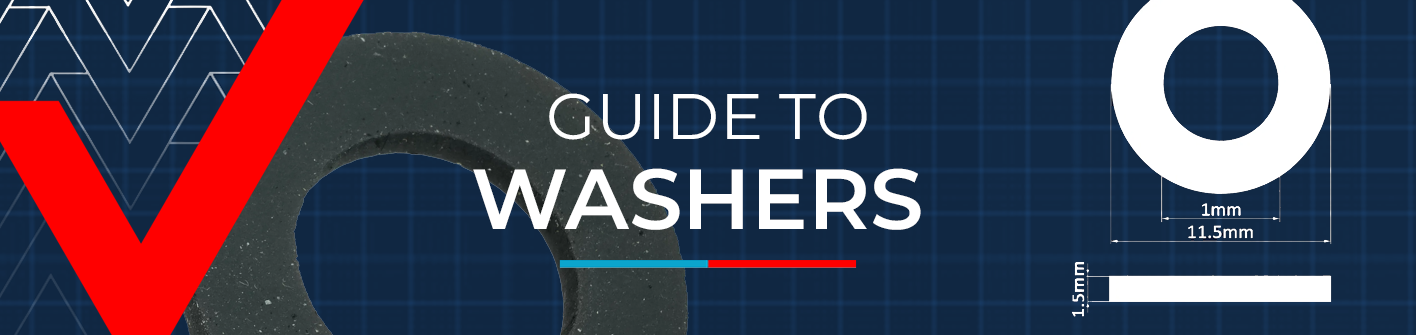
Complete Guide to Washers
The Complete Guide to Washers
Washers are flat components fitted alongside bolts, screws and nuts to distribute load, protect surfaces and improve the performance of a fastened joint.
Available in stainless steel, nylon, silicone, PTFE, PEEK, fibre, EPDM and neoprene, the correct washer material can support sealing, insulation, vibration control and corrosion resistance.
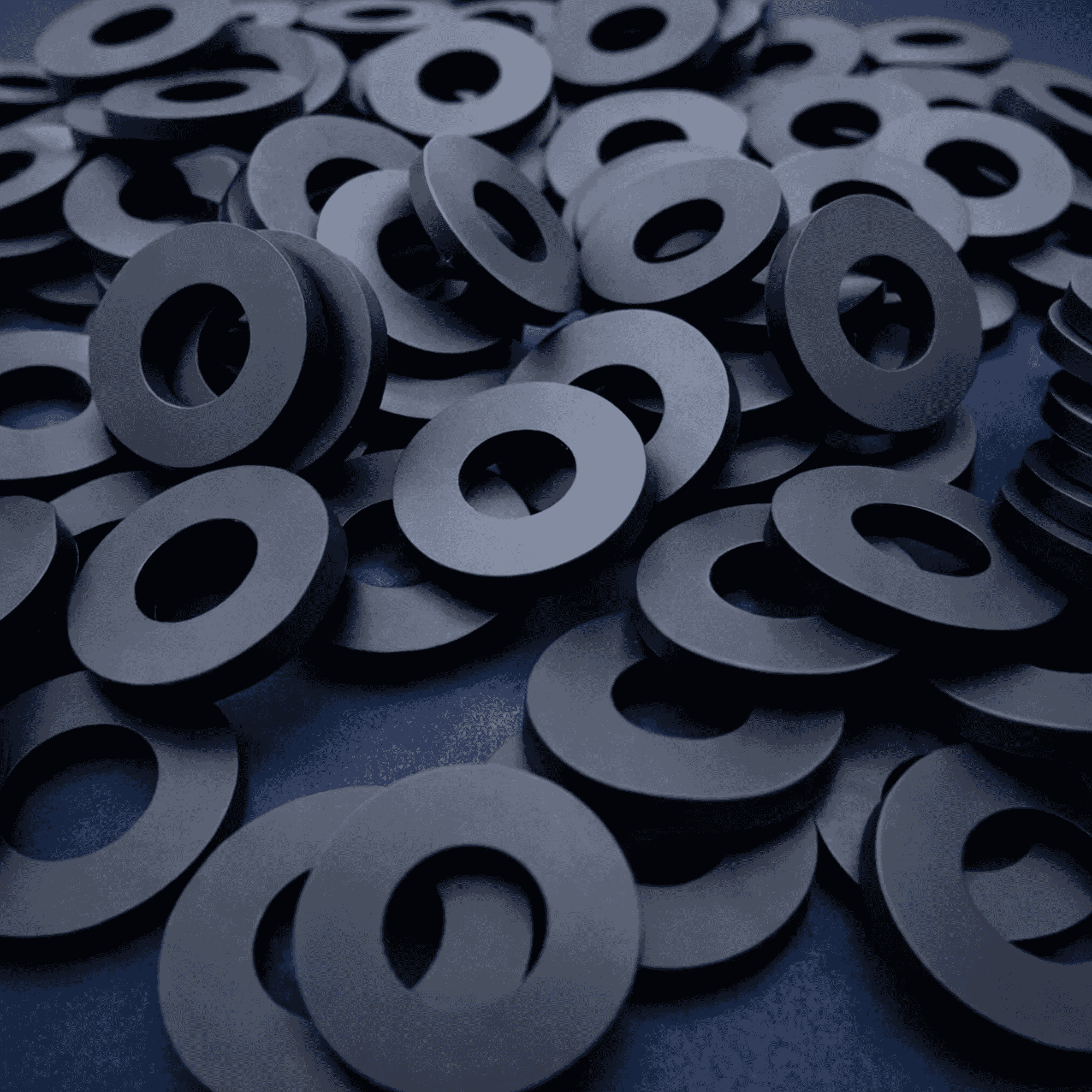
Washers at a Glance
A quick overview of what washers do within a fastened assembly.
| Function | How It Helps | Typical Washer Materials |
|---|---|---|
| Load Distribution | Spreads fastening force over a larger surface area. | Steel, stainless steel, nylon and PEEK. |
| Surface Protection | Reduces marking, pull-through and local surface damage. | Nylon, fibre, rubber and stainless steel. |
| Sealing | Compresses around the fixing to help reduce fluid ingress. | EPDM, neoprene, silicone and fibre. |
| Insulation and Spacing | Separates components and can reduce electrical conductivity. | Nylon, PTFE, PEEK and silicone. |
What Are Washers?
Washers are flat, disc-shaped components used with threaded fasteners such as bolts, screws and nuts. Their main purpose is to spread the load from the fastener head or nut across a wider area.
This can reduce stress on the material, protect softer surfaces and improve joint stability. Depending on the material and design, washers can also provide sealing, spacing, insulation and vibration damping.
Washers Can Help To
- Spread fastening loads
- Protect soft surfaces
- Improve sealing
- Create spacing
- Reduce vibration transfer
When Should Washers Be Used?
A washer is useful when the assembly needs improved load distribution, sealing, insulation or surface protection.
Soft Materials
Use a washer to spread the load and reduce damage to timber, plastics and other softer surfaces.
Large or Worn Holes
A wider washer can increase contact area and reduce the risk of the fastener pulling through.
Waterproofing
Rubber washers can compress around a fixing hole to help form a water-resistant seal.
Electrical Insulation
Use nylon, PTFE, PEEK or another non-conductive material where electrical isolation is required.
Why Does Washer Material Matter?
Each material offers different levels of strength, corrosion resistance, temperature stability, flexibility, chemical resistance and electrical insulation.
Stainless steel washers suit strong, durable and corrosion-resistant joints. Rubber and silicone washers are more appropriate where sealing or vibration damping is required while nylon, PTFE and PEEK washers are useful where low weight or electrical insulation is important.
Washer Material Comparison
Compare common materials by their key properties and applications.
| Material | Key Properties | Typical Applications | Best Used For |
|---|---|---|---|
| Stainless Steel | Strong, durable and corrosion-resistant | Marine, food production, electronics and chemical environments | Load distribution and long-term external use. |
| Silicone | Flexible, temperature stable and sealing capable | Food, clean-room and pharmaceutical environments | Temperature resistance and flexible sealing. |
| Nylon | Lightweight, non-conductive and non-marking | Automotive, electrical and plumbing applications | Insulation, spacing and surface protection. |
| PTFE | Chemically resistant, low friction and non-toxic | Medical, food and chemical processing environments | Chemical resistance and smooth assembly. |
| PEEK | High strength, stable and temperature resistant | Aerospace and high-specification engineering | Demanding high-temperature assemblies. |
| Fibre | Compressible and practical for sealing | Plumbing and general-purpose installations | Joint support and leak reduction. |
| EPDM | Weather-resistant, flexible and sealing capable | Construction, automotive and drinking-water applications | Outdoor sealing and weather exposure. |
| Neoprene | Flexible, water-resistant and vibration dampening | Plumbing and general waterproof sealing | Water resistance and vibration reduction. |
Explore Washer Materials and Uses
Browse the most common washer materials and their typical applications.

Stainless Steel Washers
Strong and corrosion-resistant for marine, food, chemical and external applications.
View Stainless Washers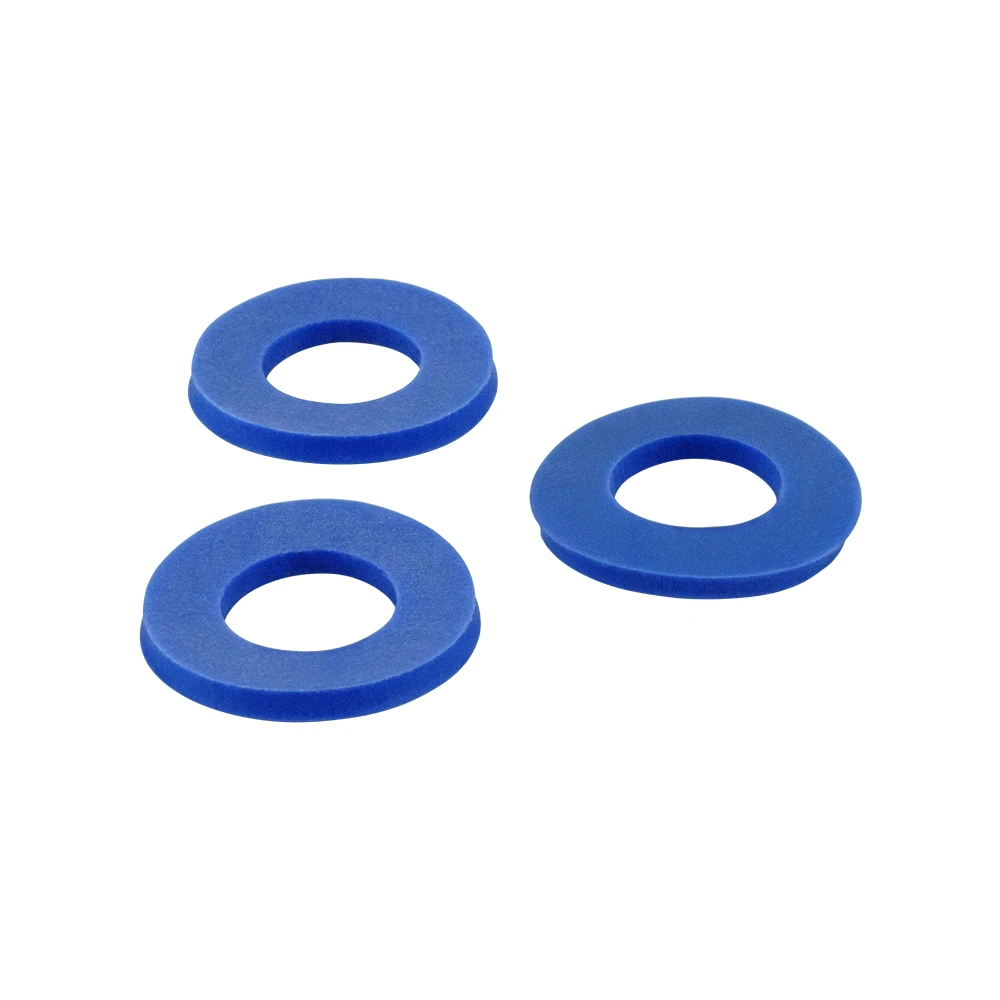
Silicone Washers
Flexible washers offering temperature stability and dependable sealing.
Explore Washers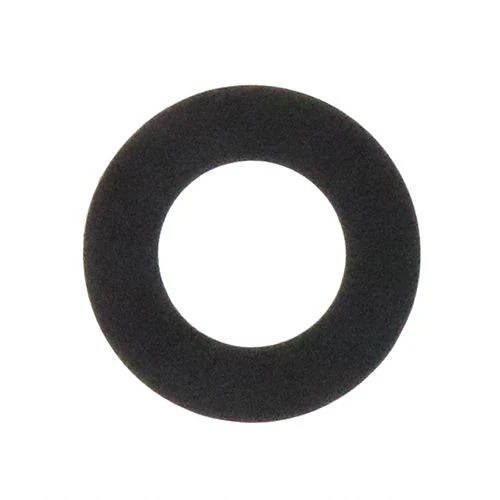
Nylon Washers
Lightweight and non-conductive for spacing, insulation and surface protection.
Explore Washers
PTFE Washers
Chemically resistant washers with low-friction properties for specialist applications.
Explore Washers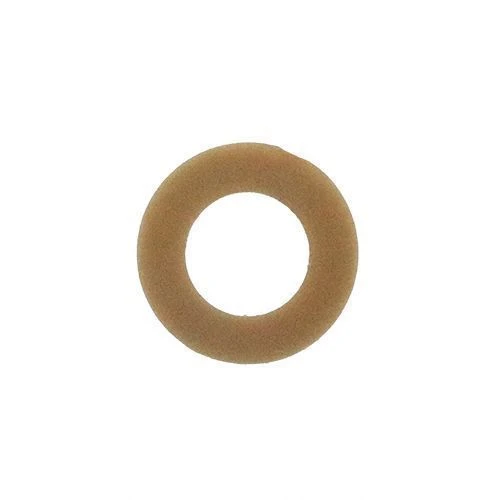
PEEK Washers
High-strength washers with good dimensional stability at elevated temperatures.
Explore Washers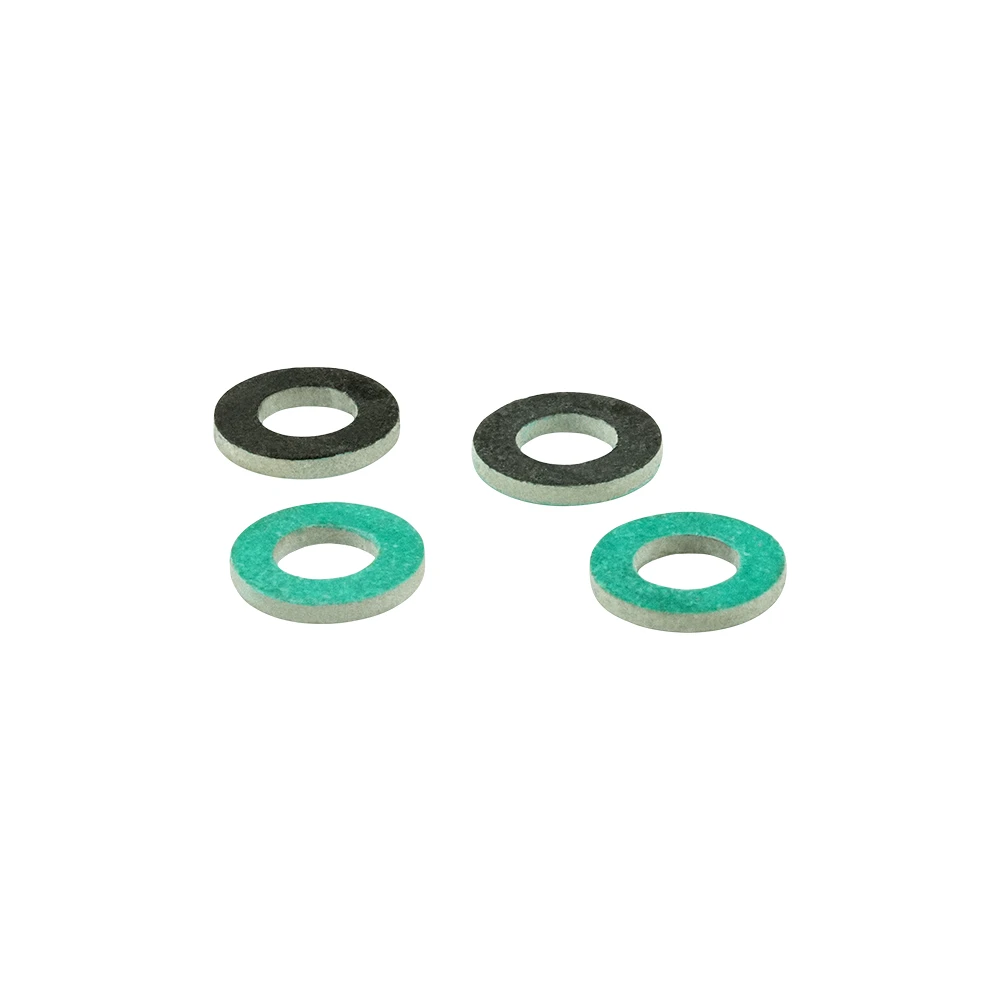
Fibre Washers
Compressible washers for plumbing, joint support and general sealing applications.
Explore Washers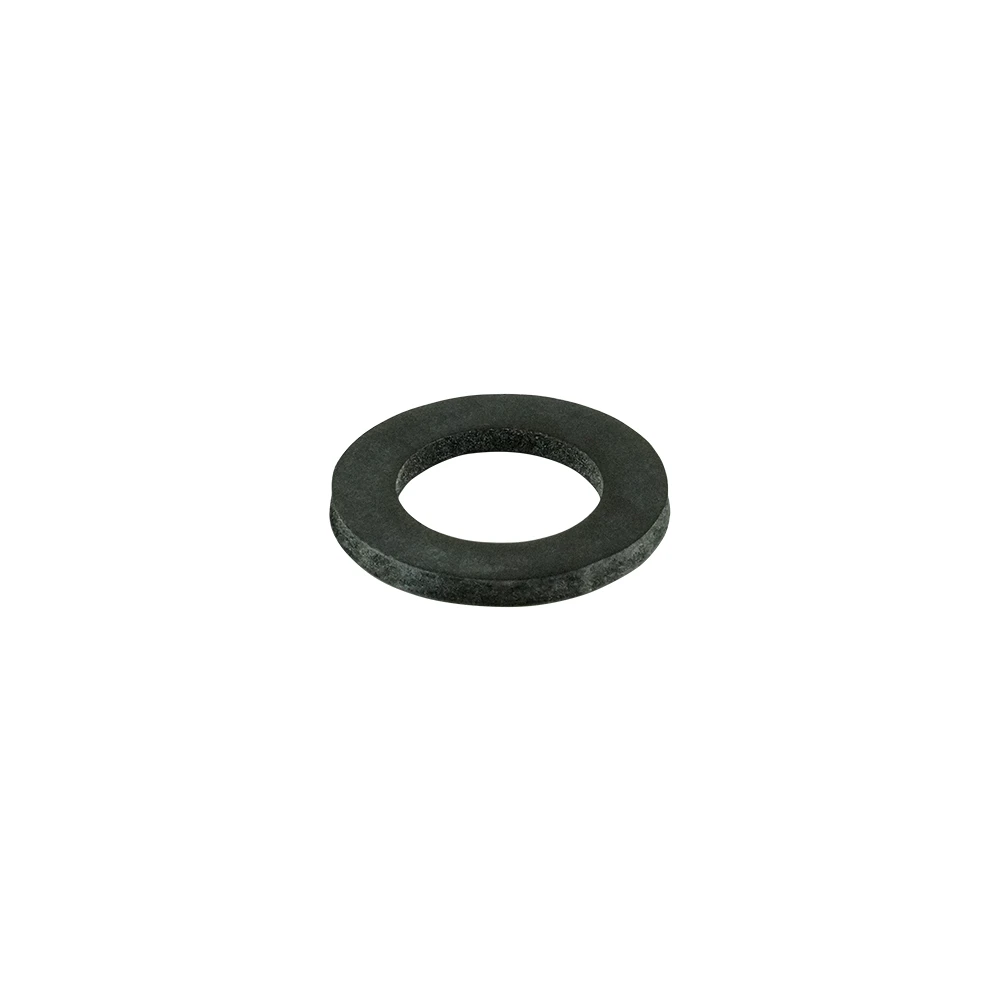
EPDM Washers
Weather-resistant sealing washers for outdoor, construction and water applications.
Explore Washers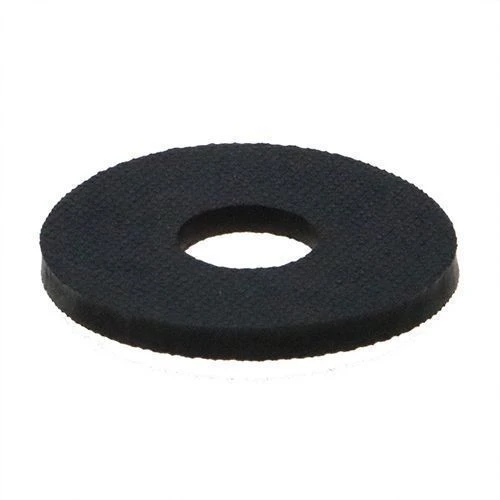
Neoprene Washers
Flexible rubber washers for waterproof sealing, vibration reduction and surface protection.
View Rubber WashersHow to Choose the Correct Washer
Check these five points before selecting a washer for your assembly.
Fastener Size
Match the internal diameter to the bolt or screw.
Load Area
Choose an outside diameter that spreads the load sufficiently.
Environment
Consider moisture, chemicals, temperature and UV exposure.
Joint Function
Decide whether the washer is for load, sealing, spacing or insulation.
Required Standard
Check whether a specific DIN or ISO washer standard is required.
Frequently Asked Questions About Washers
Common questions about sizing, materials, sealing and installation.
Need Help Choosing Washers?
Contact our team for help selecting the correct washer size, material or standard for your domestic, commercial or industrial application.
Related posts
-
 The Complete Guide to Wing nutsEverything you need to know about wing nuts: uses, types, and expert tips for every project.Read more
 -
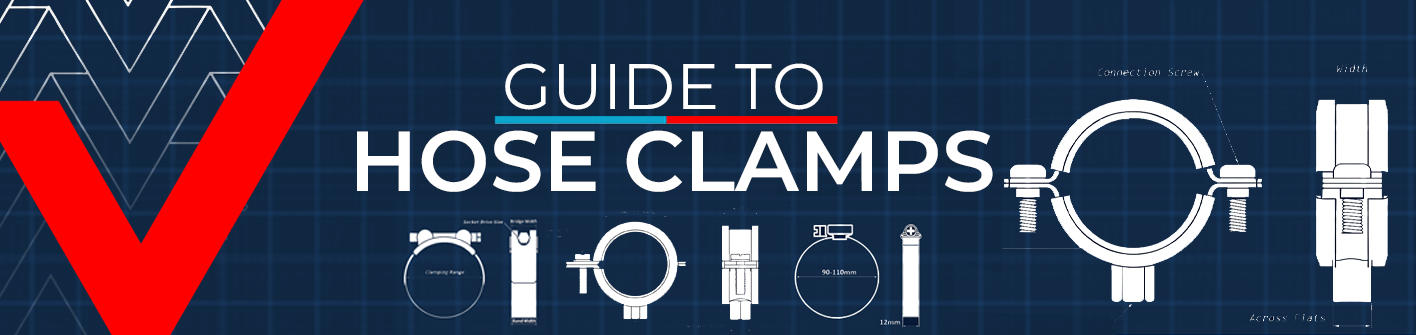 Guide to Hose Clamps: Types, Grades and Common ApplicationsDiscover materials, clamp types (W2–W5) and ideal uses from worm‑drive to T‑boltRead more
 -
 A Guide to Stainless Steel Levelling Feet: Heavy Duty Adjustable Solutions for UK IndustryEverything you need to know about selecting, measuring & installing levelling feet for equipment stabilityRead more
Leave a comment