


Push In Rivets
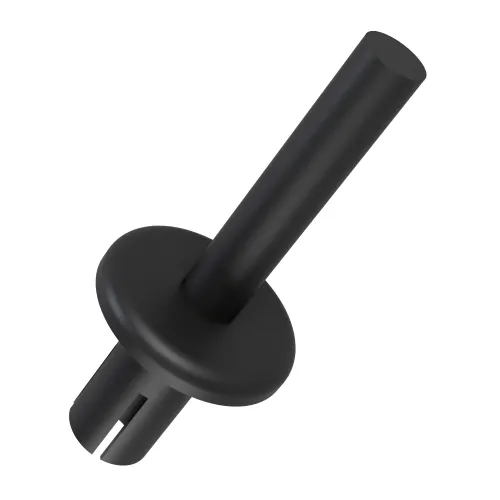
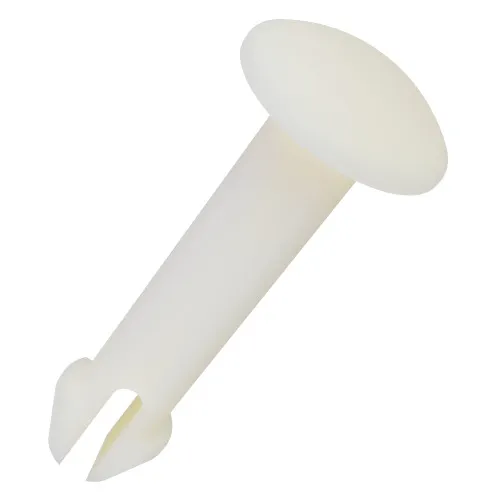
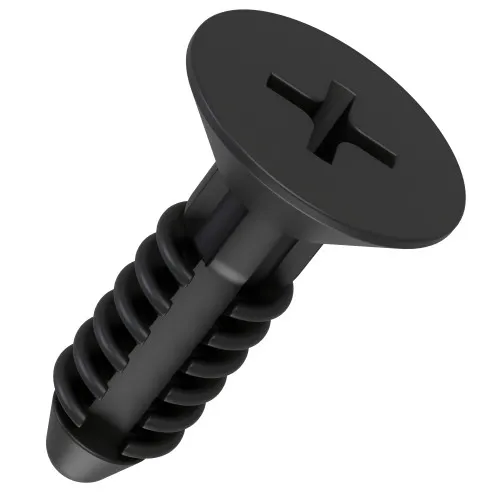
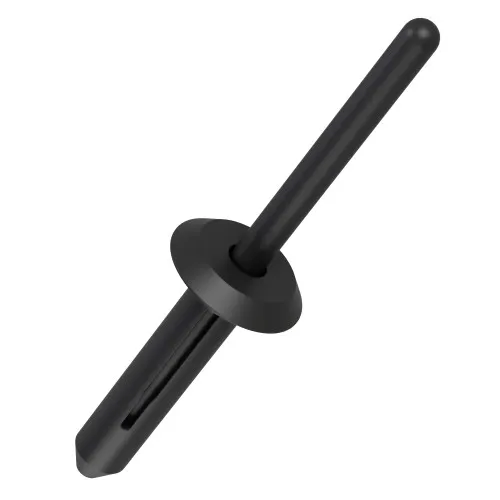
Our Plastic Push-In Rivets are lightweight, corrosion-resistant panel fasteners manufactured from Nylon 6 and Nylon 66. Designed for securely joining two panels or sheets without specialist installation tools, these plastic rivets provide a practical alternative to traditional metal fasteners. Once inserted into a correctly sized mounting hole, the central mandrel is pushed inward until it sits flush with the rivet head, expanding the shank to create a secure fixing with a neat finished appearance.
What Materials Can Plastic Push-In Rivets Be Used With?
Plastic Push-In Rivets can be used to join a variety of materials including plastic panels, sheet metal, aluminium, fibreboard and composite materials. They are particularly useful for fastening thinner panels and lightweight assemblies where a secure fixing is required without the additional weight of metal hardware.
When selecting a plastic push rivet, it is important to consider the mounting hole diameter, combined panel thickness and material strength. Correct sizing helps ensure that the expanding shank grips the panels securely without placing excessive pressure on the surrounding material.
How to Install Plastic Push-In Rivets
Plastic Push-In Rivets are designed for straightforward installation without specialist riveting equipment. The rivet body is inserted through the aligned mounting holes of the panels being joined. The central mandrel is then pushed into the rivet until it sits flush with the head, expanding the shank behind the panel to secure the assembly.
This installation method makes nylon push rivets suitable for repetitive assembly operations, electrical enclosure manufacturing and applications where a neat fastening finish is required.
How to Remove Plastic Push-In Rivets
Once installed, the mandrel sits flush with the rivet head, preventing the fixing from being easily released from the front of the panel. For suitable designs, removal requires access to the reverse side, where a flat tool can be used to push the mandrel back through the rivet body. This allows the expanded shank to compress so the fixing can be withdrawn.
Removal methods can vary depending on the rivet design and installation conditions. Always check whether the selected fixing is suitable for removal and reuse, as some rivets may become damaged during disassembly.
How Do Plastic Push-In Rivets Perform Under Vibration?
Plastic Push-In Rivets can provide secure retention in applications exposed to low or moderate levels of vibration. Once installed, the expanded shank grips the panel and helps resist movement during normal operation.
For machinery or equipment exposed to heavy or continuous vibration, the required retention strength should be assessed before selecting a plastic rivet. Alternative fastening options such as our Locking Canoe Clips or suitable metal fasteners may be more appropriate for demanding installations.
Key Features & Benefits
- Tool-Free Installation – Push-in design allows secure fastening without specialist riveting equipment
- Lightweight Construction – Nylon materials reduce overall assembly weight compared with metal alternatives
- Corrosion Resistance – Plastic construction does not rust and is suitable for applications where metal corrosion is a concern
- Electrical Insulation – Non-conductive nylon materials are useful for electrical and electronic equipment
- Secure Panel Retention – Expanding shank provides a firm fixing between correctly sized panels
- Flush Finished Appearance – Central mandrel sits flush with the rivet head after installation
Common Applications for Plastic Push-In Rivets
Plastic push rivets are used across a wide range of industries where lightweight, non-conductive and corrosion-resistant fastening solutions are required. Their simple installation makes them particularly useful for securing panels, protective covers and equipment housings.
- Medical Equipment – Securing suitable equipment housings and device enclosures where non-conductive fasteners are required
- Agricultural Machinery – Fastening protective covers and lightweight panels on agricultural equipment
- Renewable Energy – Securing suitable non-structural panels and equipment covers in solar and wind energy installations
- Signage & Displays – Attaching display panels and lightweight framework in advertising and retail structures
- Furniture Manufacturing – Joining internal components, cabinet backs and lightweight panels in commercial furniture
- HVAC Systems – Securing ventilation panels, ductwork covers and equipment housings
- Electrical Enclosures – Fastening protective covers and lightweight panels in electrical and electronic equipment
- Automotive Applications – Securing interior trim, protective panels and suitable non-structural vehicle components
Available Materials & Sizes
Our Plastic Push-In Rivets are available in Nylon 6 and Nylon 66, with black and white colour options to suit different assembly requirements.
- Black Nylon 6 – UL94-V2 flame rating with an operating temperature range of -20°C to +85°C
- White Nylon 6 – UL94-V2 flame rating with an operating temperature range of -20°C to +85°C
- Black Nylon 66 – UL94-V2 flame rating with an operating temperature range of -20°C to +85°C
- White Nylon 66 – UL94-V2 flame rating with an operating temperature range of -20°C to +85°C
- Mounting hole sizes ranging from 4.1mm to 4.8mm
- Suitable panel thickness options ranging from 1mm to 9.5mm
Always check the individual product specifications to confirm the correct mounting hole diameter, panel thickness range and material properties for your application.
Plastic Push-In Rivets vs Snap Rivets
Plastic Push-In Rivets and Snap Rivets are both practical fastening solutions for joining lightweight panels and components without traditional threaded hardware. However, their fastening mechanisms and installation requirements differ.
Push-in rivets use a central mandrel that is pressed into the rivet body to expand the shank and secure the panels. Snap rivets typically use a two-piece snap-lock mechanism to create a secure fixing between assembled materials.
For applications requiring alternative head styles, shank lengths or fastening arrangements, we also supply a dedicated range of Plastic Snap Rivets. These nylon panel fasteners are suitable for automotive components, electrical enclosures, furniture assembly and general industrial manufacturing.
The most suitable fixing will depend on the mounting hole diameter, combined panel thickness, installation method and required retention strength.
Need Plastic Push-In Rivets for Your Application?
Whether you are securing electrical enclosures, assembling furniture panels or fastening protective covers on industrial equipment, our team can help you select the correct Plastic Push-In Rivets for your application. With Nylon 6 and Nylon 66 options, different mounting hole diameters and panel thickness ranges available, we can provide guidance on suitable rivets based on your material requirements, installation method and operating conditions.
Call 01233 713 581 for technical guidance, product sample enquiries, specialist fastening requirements or volume quotations. Electrical equipment manufacturers, automotive suppliers, furniture manufacturers and trade customers can also apply for a Vital Parts Business Account for trade pricing, credit account options and dedicated account support.














































































Frequently Asked Questions
Black rivets are commonly used for automotive trim, plastic panels, equipment housings and applications requiring a discreet finish. Black plastic rivets are particularly popular for securing dark-coloured panels and interior components.
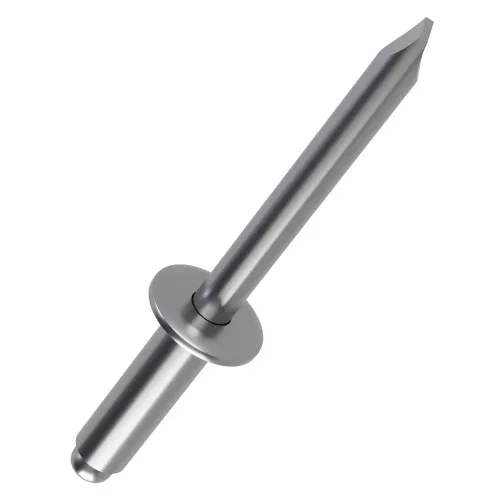
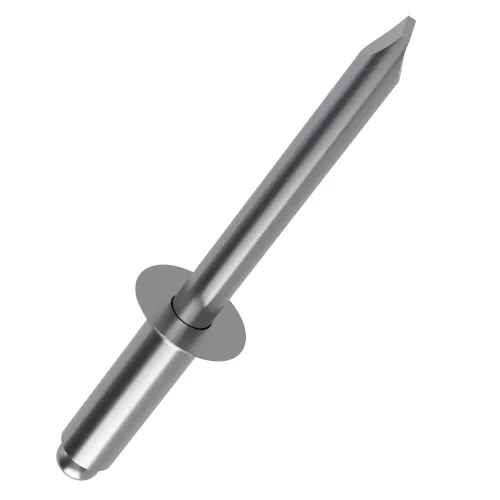
Solid rivets require the rivet shank to be deformed during installation and generally need access to both sides of the assembly. Pop rivets, also known as blind rivets, can be installed from one side using a suitable riveting tool.
Rivet screws is a term sometimes used for threaded rivets or rivet nuts, which provide a threaded fixing point in sheet materials. Unlike conventional rivets, these fasteners allow compatible screws or bolts to be installed into the assembly.
Need your parts tomorrow? Our rapid same day dispatch has got you covered! Simply place your order before 4pm Mon-Thurs or 2pm Friday and select our Next Day Delivery service in the shopping cart. We also offer Guaranteed AM delivery when required, in addition to a Saturday delivery option.
If you don't mind waiting, we have a Free delivery method for orders over £30, and an economic £4.85 2nd Class delivery for orders between £20-£30.
Free Samples can be requested through our product pages, displayed in the sizing table beside the product you require. Please note you can always give us a call on 01233 713 581 or contact us on Live Chat to discuss samples.
You do not need to sign up to place an order, but it is recommended if you'd like to gain loyalty points, giving discount off future orders. To learn more about loyalty points, please view our rewards scheme page.
If you're unsure which part you need then please do not hesitate to give one of our friendly Sales Team a call on 01233 713 581 and they can assist you. Alternatively, we're active on Live Chat during office hours. You can open this using the button in the bottom right corner of the website. Alternatively, you can write to us using our contact form.
We offer a return period on all of our products to give you peace of mind, to view our policies and learn more about this process should it be required, please see our returns policy page.
In most cases we have the facilities to offer you different colours of a product, specific to your requirements. Minimum order quantities may apply depending on the manufacturing technique in question, but please get in touch with any queries you may have.
Please note that there is a minimum order value of £20 through our website (inclusive of VAT).
If you're new to our website you may want to check out our frequently asked questions section for answers to common customer queries.
While browsing the website you may come across abbreviations used for material names that you are unfamiliar with. You can find an explanation for these in our material abbreviations guide.