




































































Search all blogs
Latest posts
-
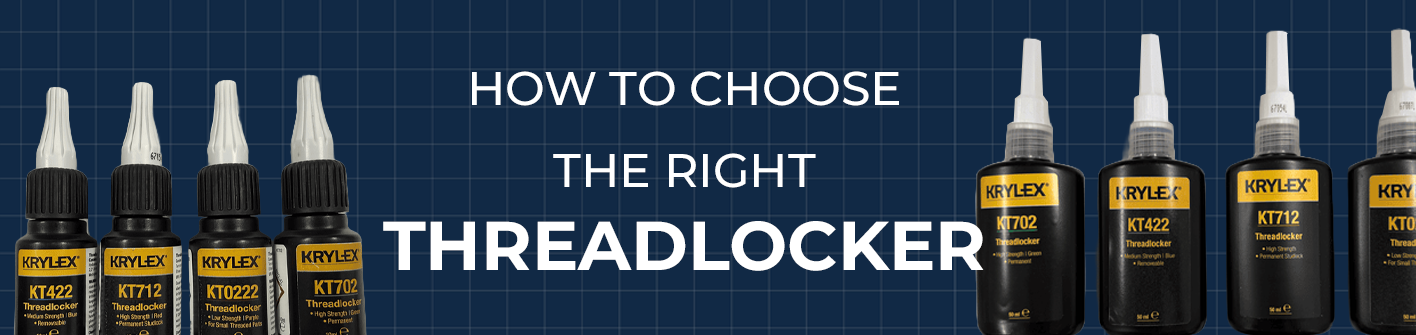 How to Choose the Right Threadlocker05/11/2026Read more
Find the right threadlocker for your application with our simple selection guide covering fastener size,...
-
 How to Apply Threadlocker | Step-by-Step Guide02/11/2026Read more
Learn how to apply threadlocker correctly with this simple step-by-step guide covering surface preparation,...

How to Apply Threadlocker | Step-by-Step Guide
How to Apply Threadlocker Correctly
Correct application can be just as important as selecting the right threadlocker. Proper preparation, application and curing help create a reliable threaded connection.
Vital Parts Threadlockers are supplied in compact bottles with precise dispensing nozzles so the compound can be applied directly to the required section of thread before assembly.
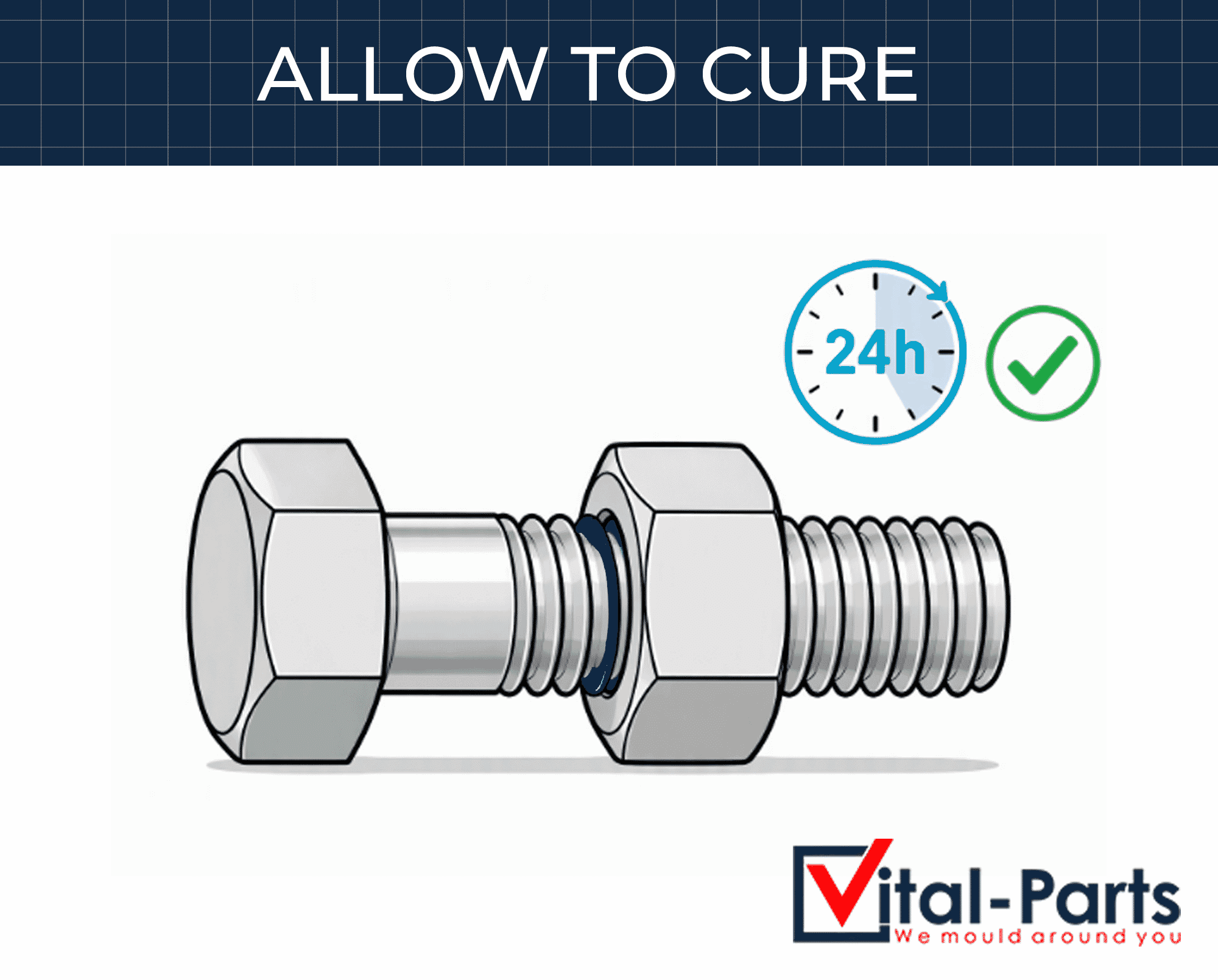
Threadlocker cure time: Initial fixture or handling strength does not mean the threadlocker has fully cured. Cure times vary by product, thread material, temperature and application conditions, with many anaerobic threadlockers requiring up to 24 hours to reach full cure. Always check the technical datasheet for the specific product being used.
Choosing Your Threadlocker First?
Different grades are designed for different thread sizes, strengths and removal requirements. Read our guide to choosing the right threadlocker.
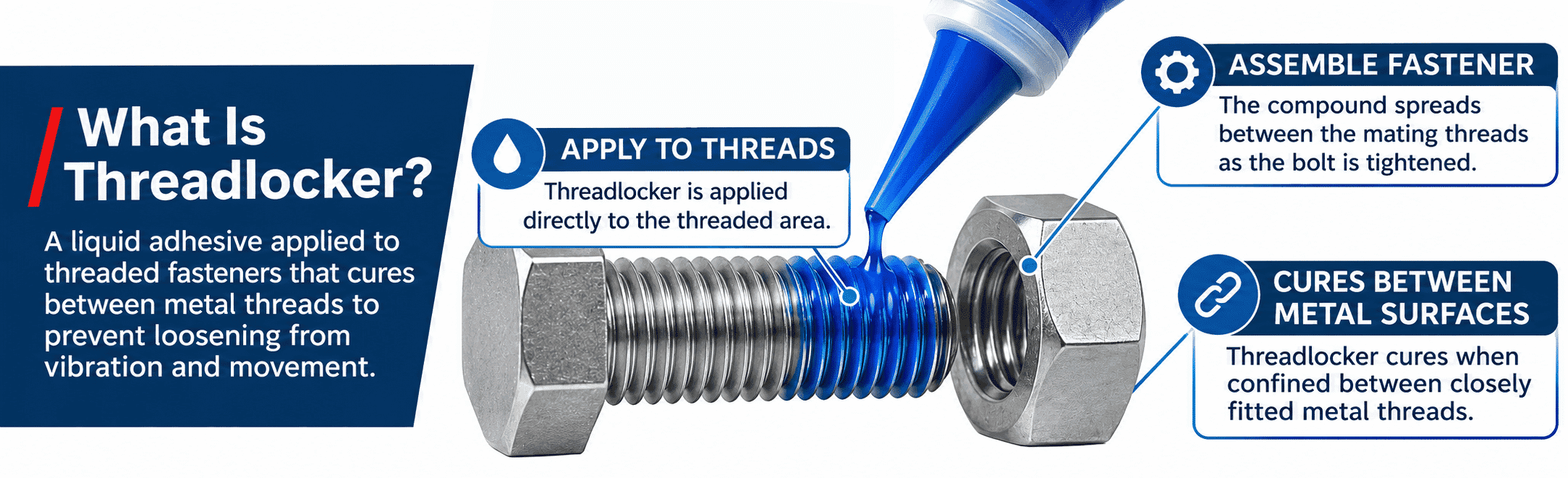
What Is Threadlocker?
Threadlocker is an anaerobic adhesive applied to threaded fasteners such as bolts, screws, studs and nuts. It cures between closely fitted metal threads to help prevent loosening caused by vibration, shock and repeated movement.
Threadlocking compounds are available in different strengths and formulations depending on the fastener size, material, operating conditions and whether the assembly needs to be removed later.
What Does Threadlocker Do?
Threadlocker is a liquid adhesive designed for threaded metal fasteners such as screws, bolts and nuts. Once applied between mating threads, the compound fills the small gaps between the surfaces and cures to help prevent unwanted movement.
Threadlocking compounds are commonly used where vibration, repeated movement or regular operating conditions could otherwise allow a threaded fixing to work loose.
Why Does Threadlocker Stay Liquid in the Bottle?
Most threadlockers are anaerobic adhesives. This means the curing process takes place when the compound is confined between suitable metal surfaces and oxygen is excluded. It therefore remains liquid while exposed to air inside the correctly stored bottle.
Understanding Threadlocker Colours & Strengths
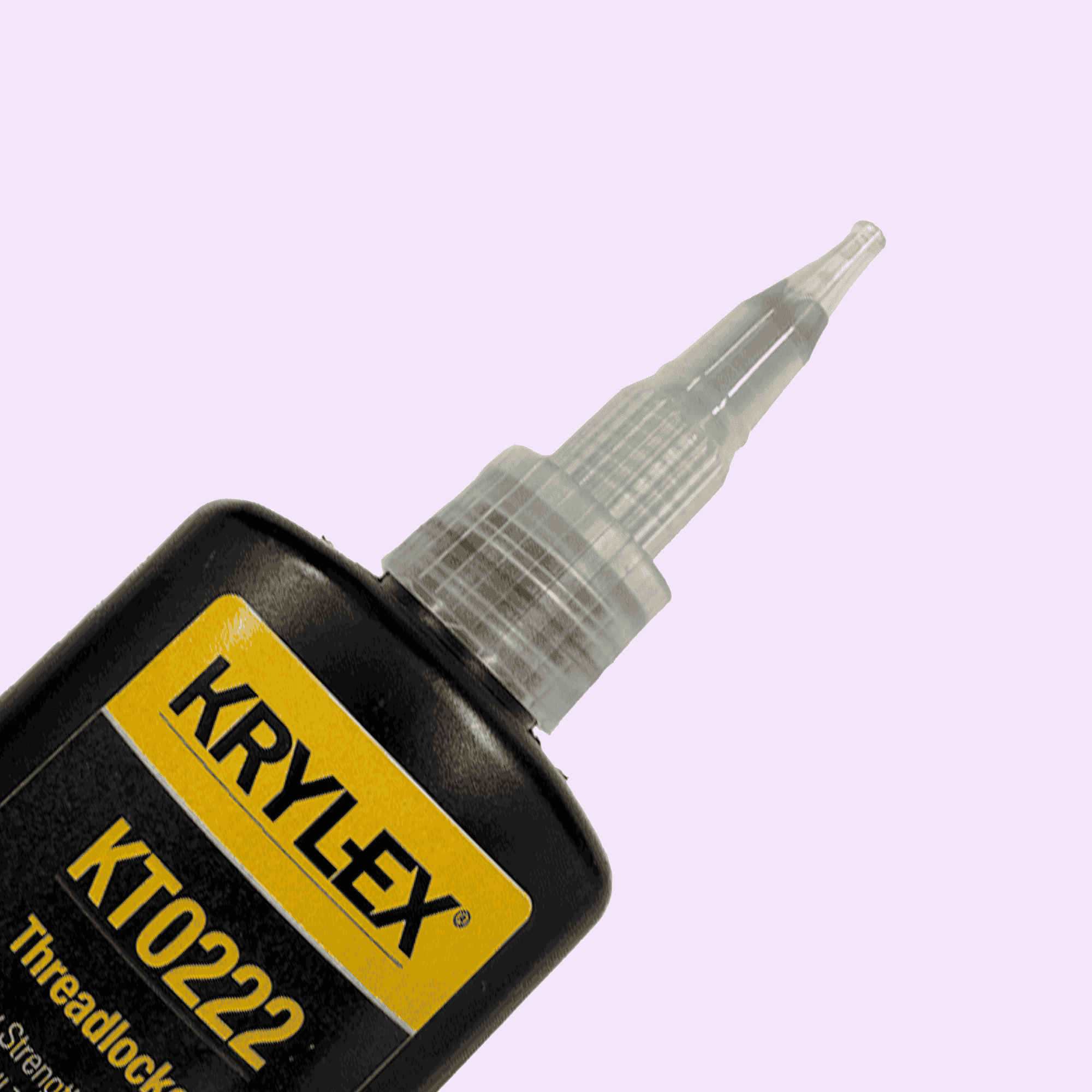
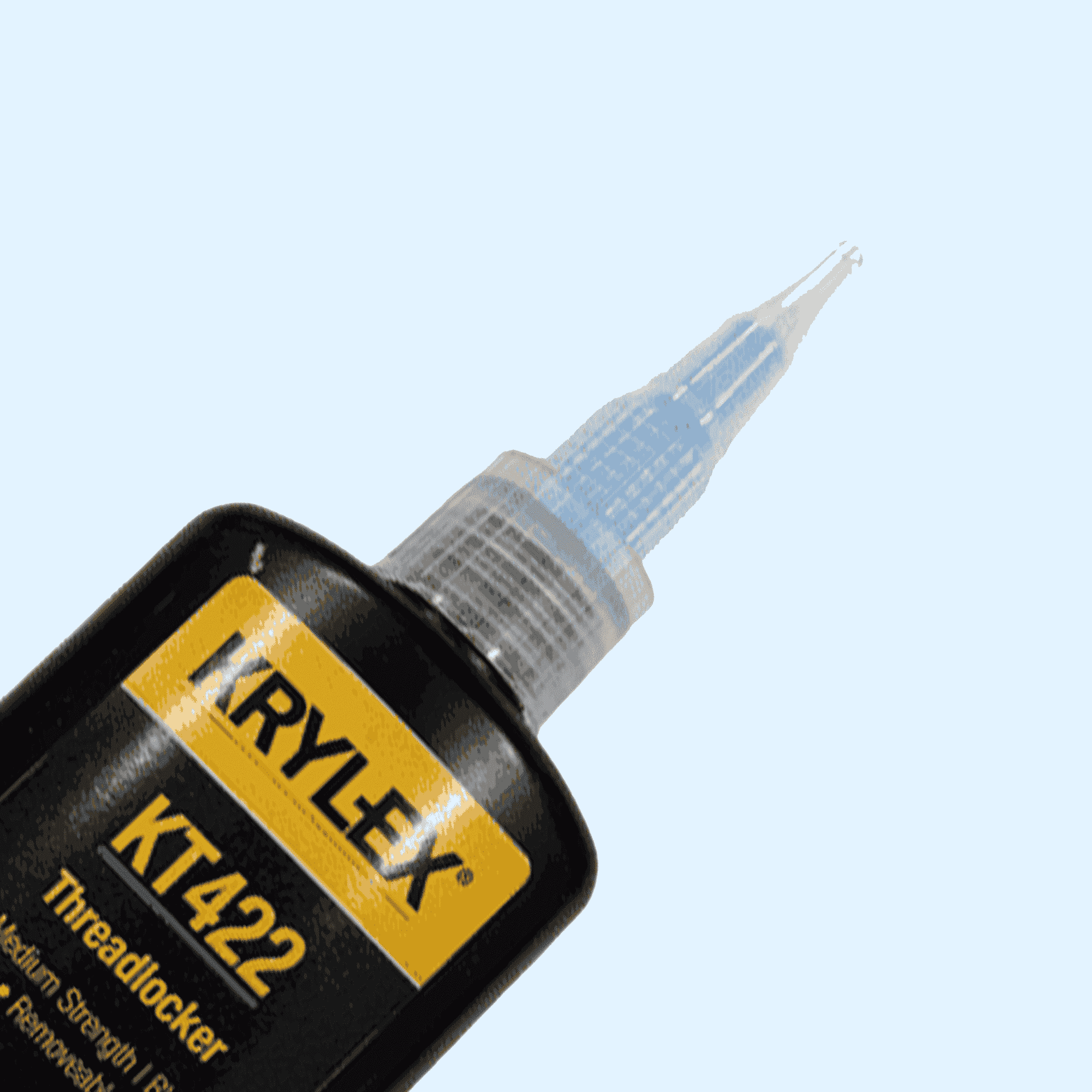
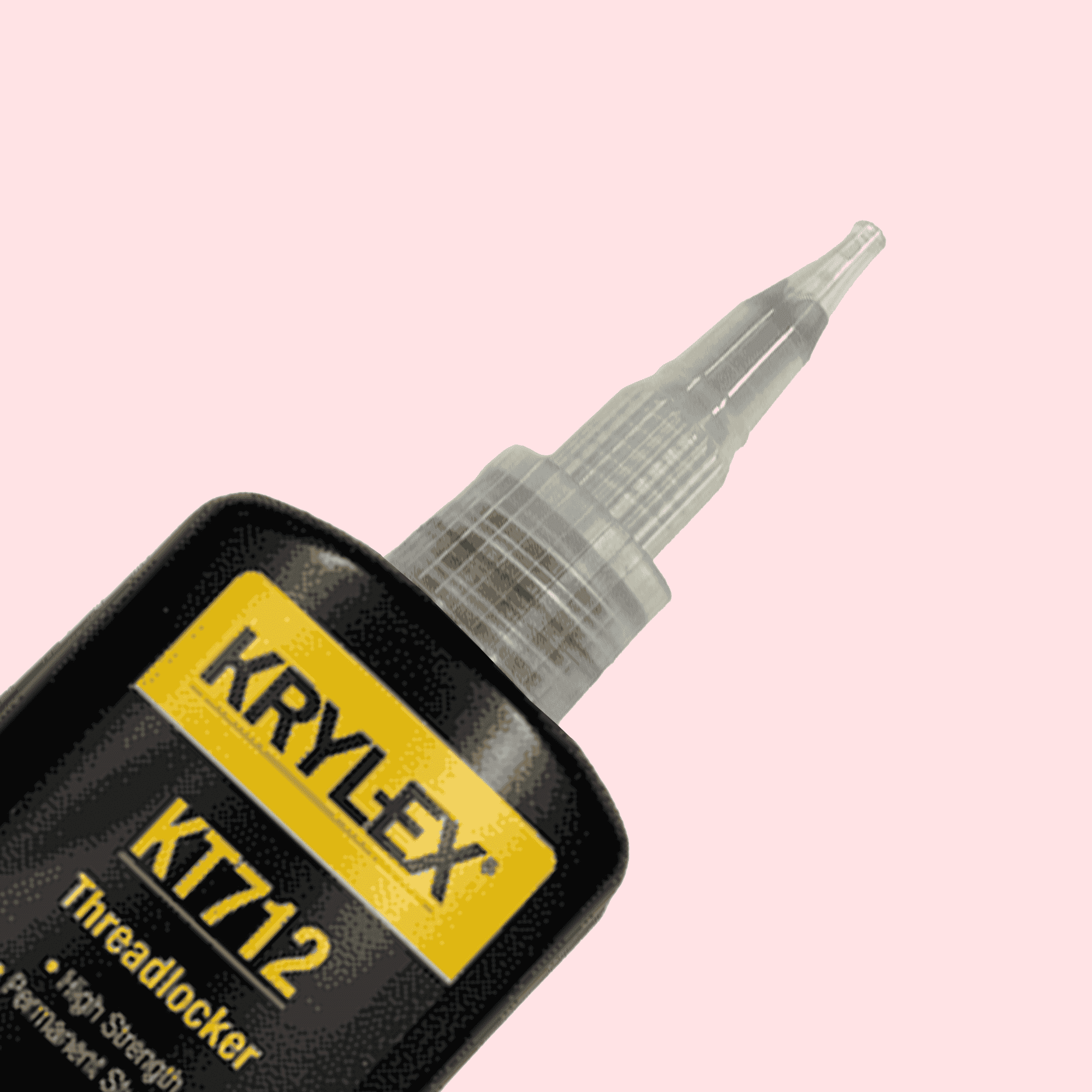
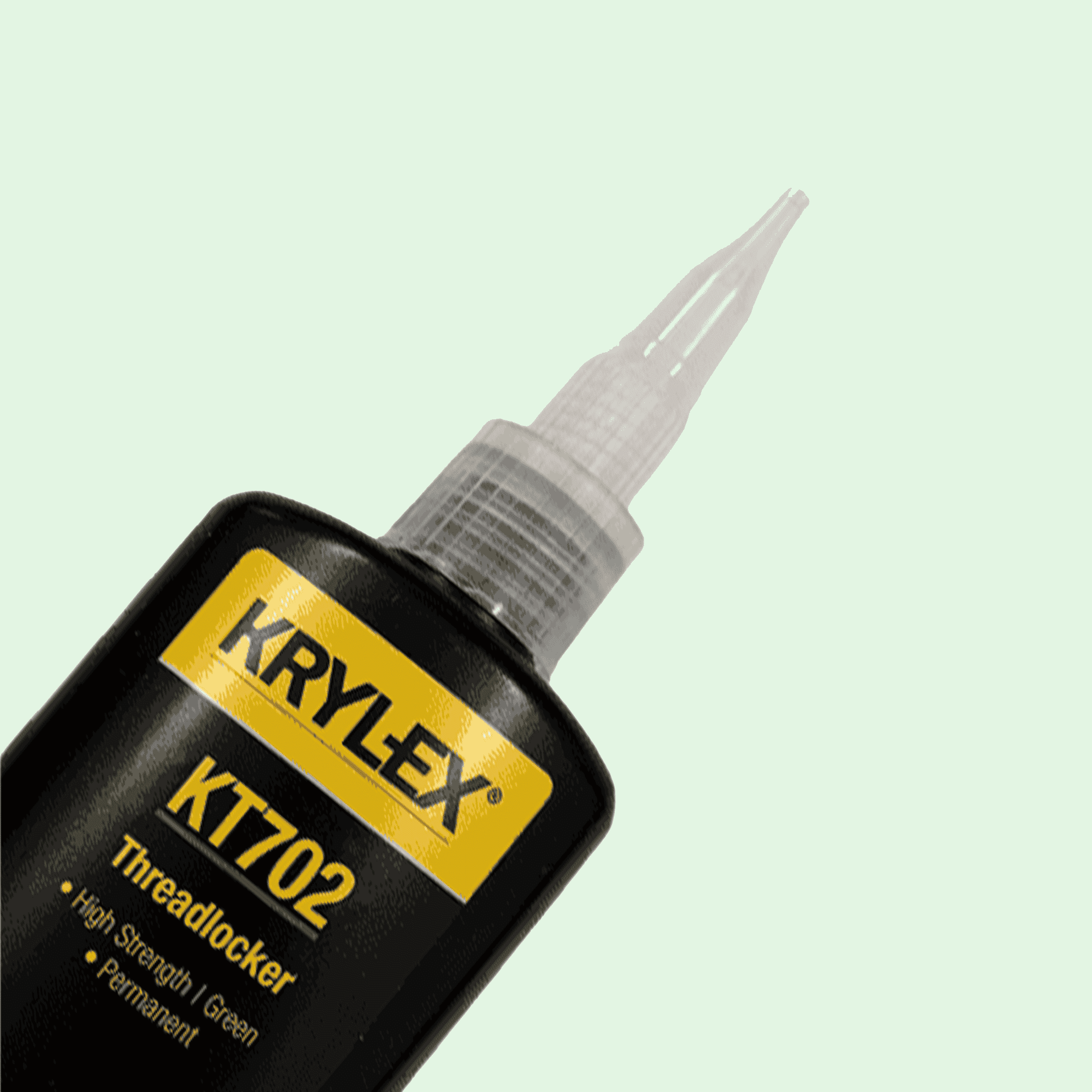
Threadlocker ranges are commonly differentiated using the colour of the liquid compound. This provides a quick visual way of distinguishing different grades and their intended applications.
The bottle itself does not necessarily match the colour of the liquid inside, so always check the product grade, strength and technical specification before use.
When Comparing Threadlockers, Look At:
Recommended screw or thread diameter, fixture time, full cure time, breaking torque, prevailing torque, operating temperature range and ease of disassembly.
How to Apply Threadlocker
Follow these five steps when applying threadlocker to a threaded fastener. Always check the individual product datasheet before use as fixture times, cure times and performance can vary between grades.
Prepare the Surface
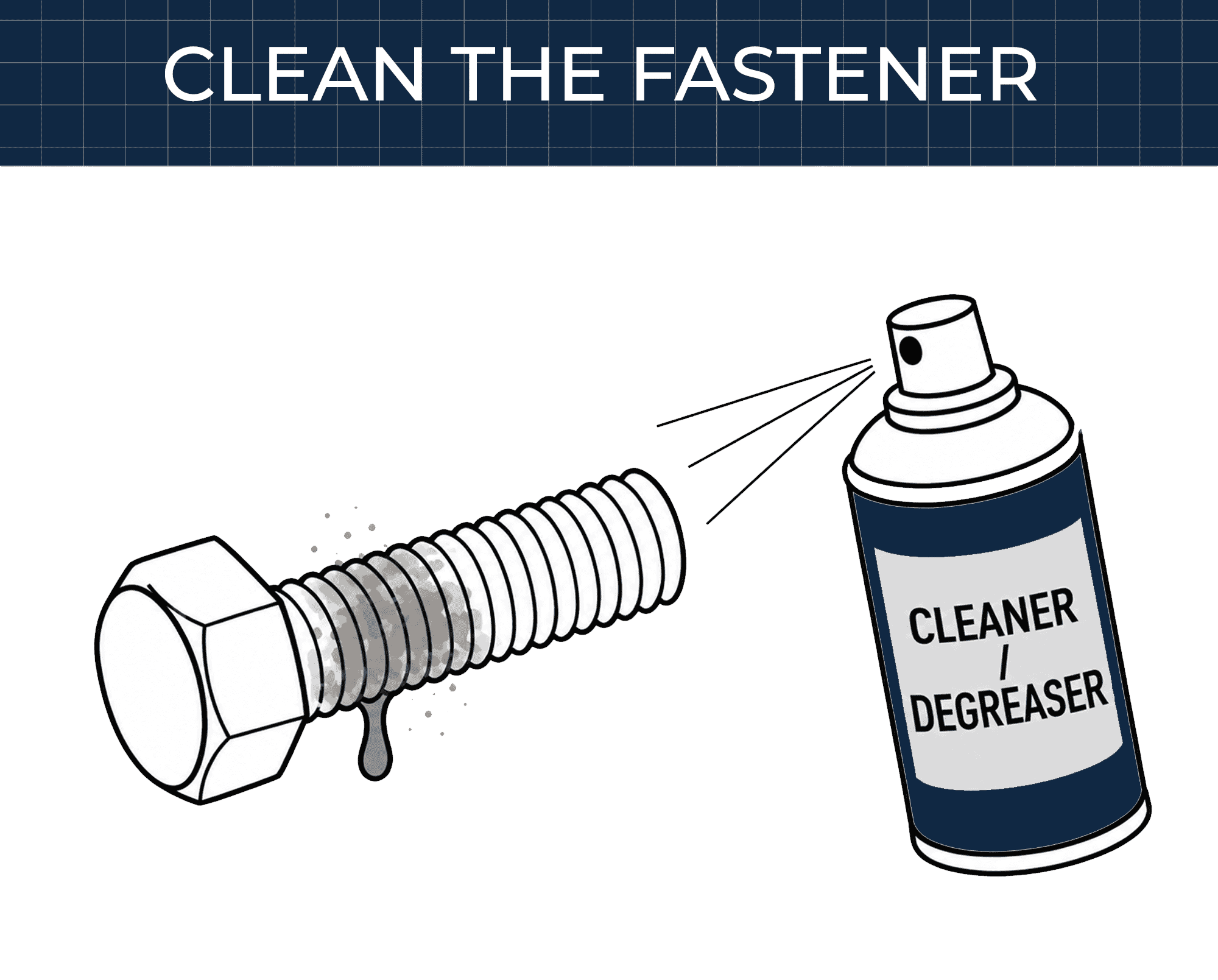
Good surface preparation is important for both performance and longevity. New fasteners can have oils, waxes or other residues on their surfaces that are used to help protect against corrosion during manufacture, storage or transport.
Clean the threaded surfaces using a suitable cleaner or degreaser before applying the threadlocker.
Make sure the threads are free from dust, dirt, oil and grease as contamination can interfere with the curing process.
Allow the Threads to Dry
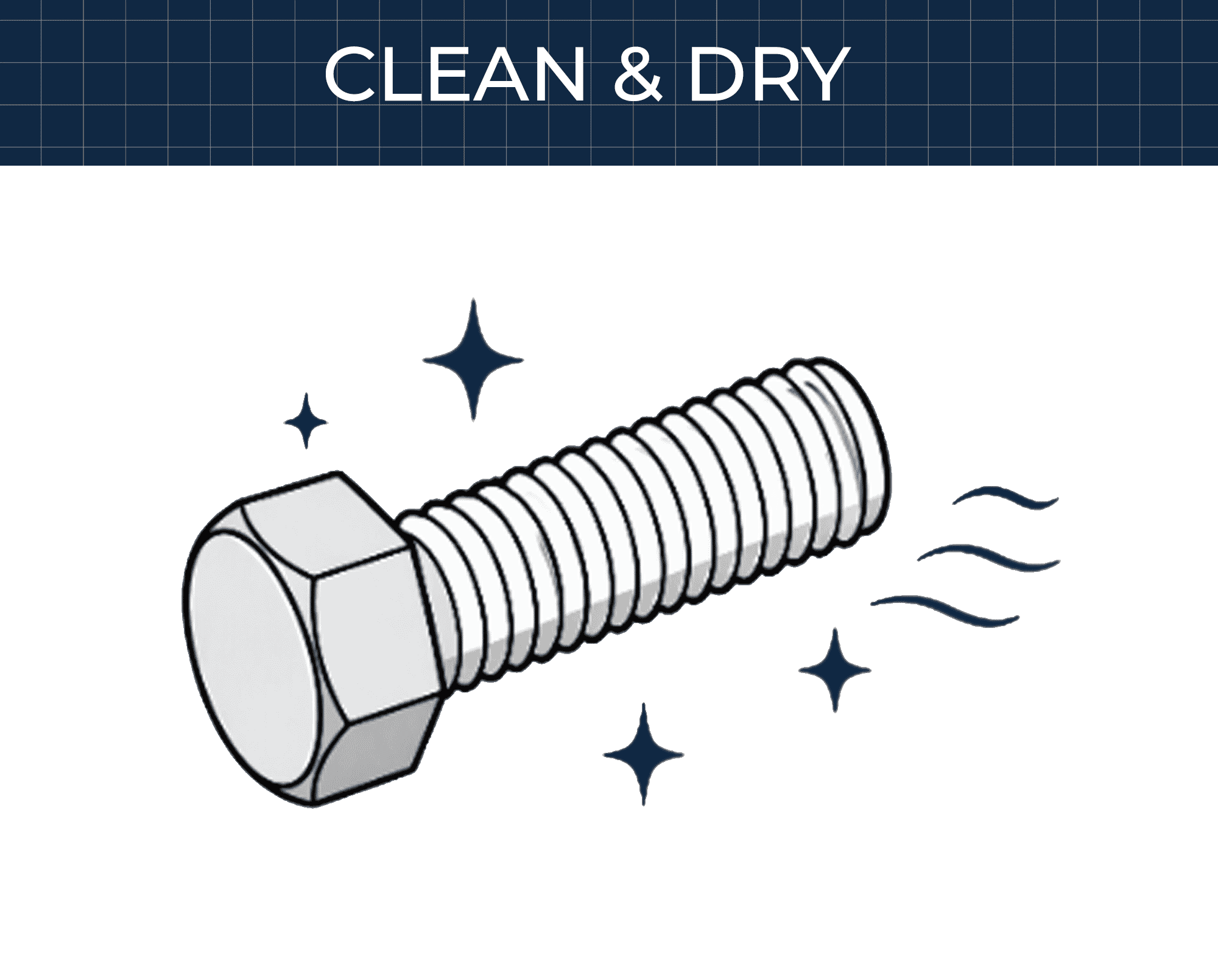
Allow the fastener to dry completely after cleaning. No cleaning compound should remain on the surfaces that are going to be bonded.
Once the threads are clean and completely dry, the threadlocker can be applied.
Apply the Threadlocker
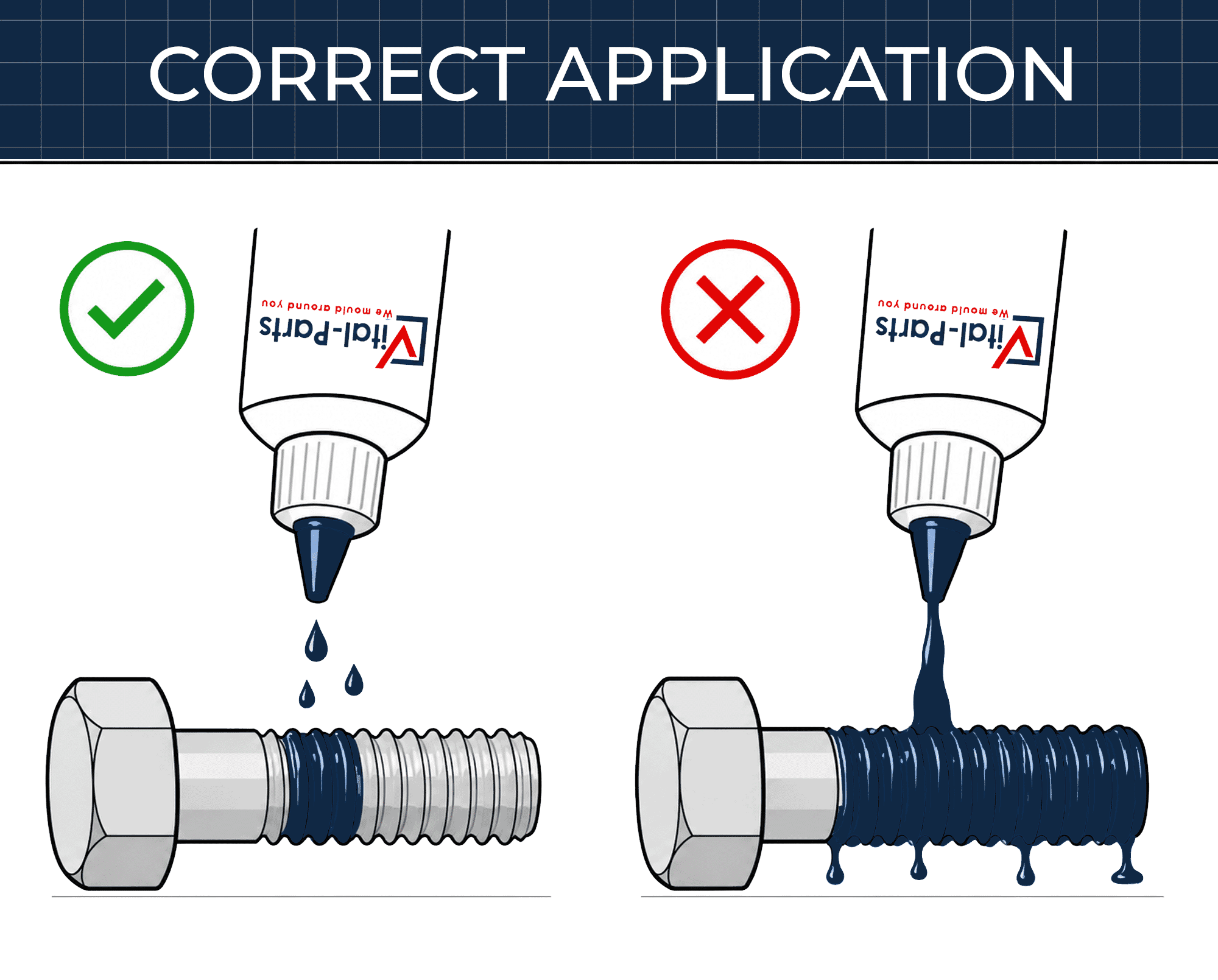
A small amount of threadlocker can go a long way. As the compound cures where the mating threads meet, concentrate the product on the section of thread that will be covered once the fastener is assembled.
How Much Threadlocker Should I Use?
As a general guide, apply a couple of drops over approximately 2 to 4 threads. The compound does not need to cover the entire circumference because rotating the fastener during assembly helps spread it across the mating surfaces.
Where Should Threadlocker Be Applied?
Apply threadlocker directly to the clean, dry threads that will be engaged when the fastener is assembled. A small amount around the circumference of the male thread is normally sufficient, allowing the compound to spread across the engaged threads as the fastener is tightened.
Avoid unnecessarily coating the entire fastener. The correct quantity depends on the thread size, engagement length and threadlocker product being used, so always follow the manufacturer's application guidance.
Avoid flooding the threads or applying enough compound for it to overflow excessively from the joint. More threadlocker does not necessarily mean a stronger connection.
Wipe away unnecessary excess where required.
Keep the dispensing nozzle slightly away from the metal surface rather than pressing it directly against the fastener.
Assemble & Tighten the Fastener
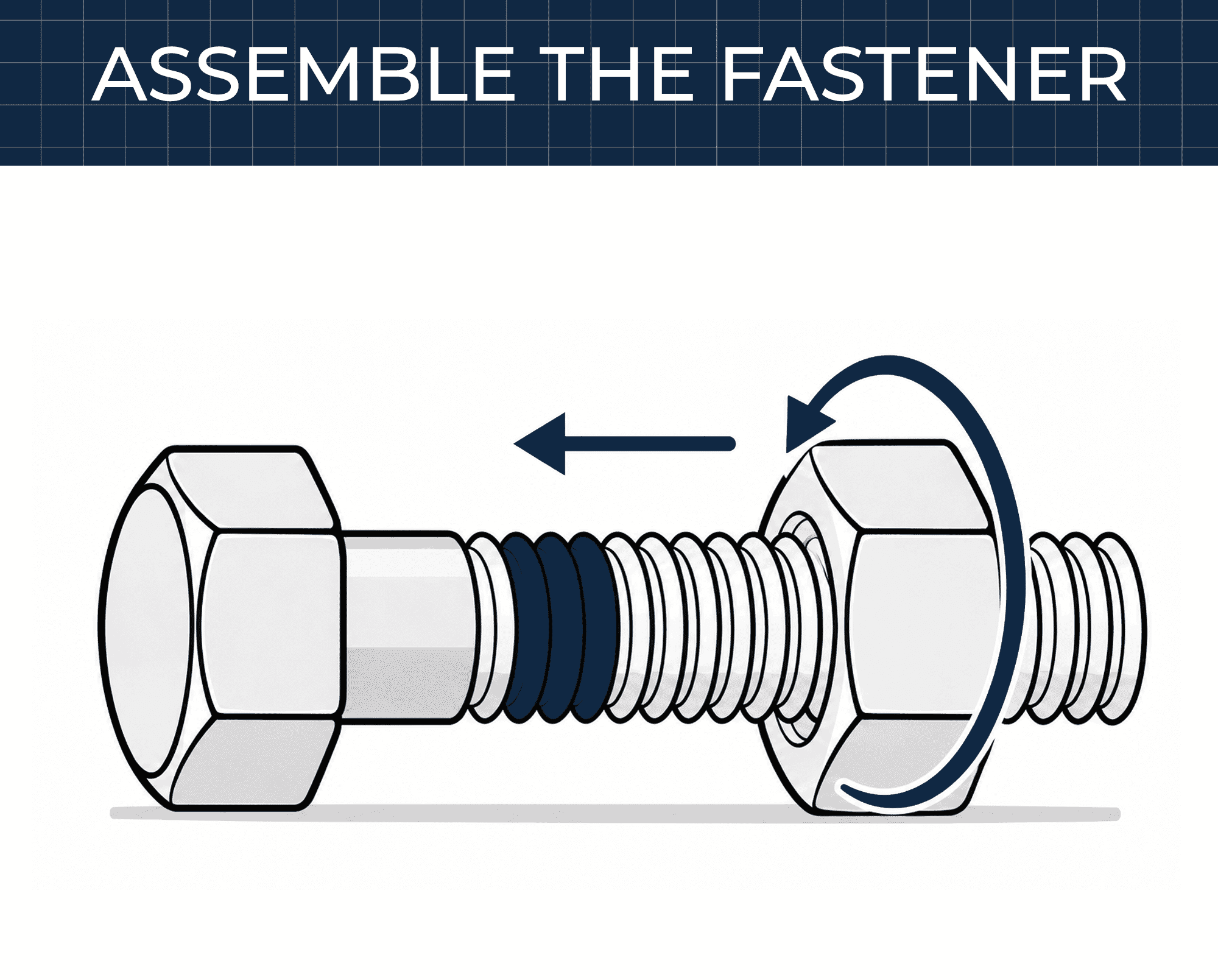
Once the threadlocker has been applied, slowly assemble the fastener. Turning the threaded components together helps spread the compound between the mating surfaces.
When the fastener is correctly seated, tighten it to the required torque for the application.
Allow the Threadlocker to Cure
After assembly, allow the threadlocker sufficient time to cure. Exact curing performance varies between different grades, materials and operating conditions, so always refer to the individual technical datasheet.
As a general guide:
Initial handling or finger-tight strength
Approximately 50% strength
Typical full cure
For best results, avoid disturbing or loading the assembly until the recommended curing period has passed.
Common Threadlocker Mistakes to Avoid
Although threadlocker is straightforward to use, incorrect preparation or application can affect its performance.
Using the Wrong Grade
Check the required strength, thread size and removal requirements before selecting the product.
Using Too Much
Only apply enough compound to cover the required section of engaged thread.
Poor Surface Preparation
Oil, grease, dust and cleaning residue may affect curing and bond performance.
Not Allowing Enough Cure Time
Avoid placing the joint into service before the recommended curing period has passed.
Using the Wrong Removal Method
Removal requirements differ between threadlocker strengths. Follow the relevant product guidance before attempting disassembly.
Applying to Wet or Contaminated Threads
Oil, moisture, grease or cleaning residue can affect adhesion and prevent the threadlocker from curing or performing as intended.
Threadlocker Technical Glossary
Threadlocker product pages and technical datasheets contain several terms that help describe how a compound behaves and performs.
Anaerobic
An adhesive that cures when oxygen is excluded and the compound is confined between suitable surfaces.
Thixotropic
A property that helps a compound resist running when stationary while allowing it to flow more easily when movement or force is applied.
Viscosity
A measurement of how easily a liquid flows. Lower-viscosity products flow more freely while higher-viscosity compounds are thicker.
Fixture Time
The time required for the adhesive to develop enough strength for the assembly to resist light movement.
Full Cure
The point at which the threadlocker has developed its intended final cured properties.
Breakaway Torque
The torque value required to turn the fixing through 180 degrees after the threadlocker has cured.
Prevailing Torque
The torque required to completely remove the fastener after the initial bond has been broken.
Check the Technical Datasheet
Threadlocker grades can differ significantly in strength, cure time, operating temperature and suitable thread sizes. For technical applications, always use the individual product datasheet alongside the general guidance above.
Depending on the product, the technical information may include fixture time, full cure time, viscosity, breaking torque, prevailing torque, temperature range and recommended fastener size.
Threadlocker Storage
Store threadlocker in a cool, dry place away from direct sunlight.
For the products covered by this guide, an optimal storage temperature of approximately 5°C to 20°C should be maintained where specified. Always check the individual product label, safety information and technical datasheet for exact storage requirements.
Made in the UK
Vital Parts Threadlockers are manufactured in Corby, England, providing a UK-made solution for securing threaded fasteners across engineering, manufacturing, maintenance and assembly applications.
Threadlocker FAQs
Need Help Choosing a Threadlocker?
Not sure which strength, grade or specification is right for your fastener? Our team can help you compare the available options.
Related posts
-
 Stainless Steel Equivalent GradesCompare stainless steel grades and find the perfect match for your next project.Read more
-
 Stainless Steel Fasteners: Tightening and Breaking TorquesUnderstanding the Limits: How to Properly Tighten Stainless Steel Fasteners Without Compromising Strength or...Read more
-

Leave a comment