

Search all blogs
Latest posts
-
 Guide to Green Polyester Tape10/09/2026Read more
Explore our Green Polyester Tape range for high temperature masking with 80 stocked sizes, 40 widths and 25 or 80...
-
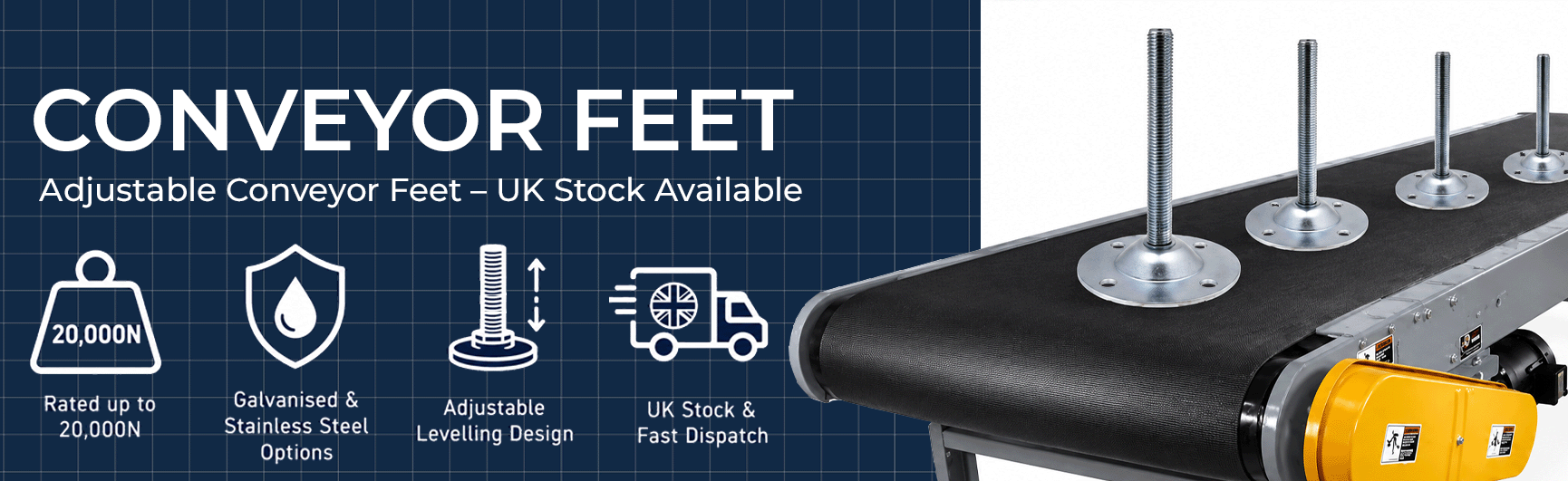 Conveyor Feet Guide: Types, Materials & Installation03/07/2026Read more
Everything you need to know about conveyor feet, types, load ratings, materials, installation steps and how...
A Complete Guide to Adjustable Feet for Wood Furniture
Adjustable Feet for Wood: Selection and Installation Guide
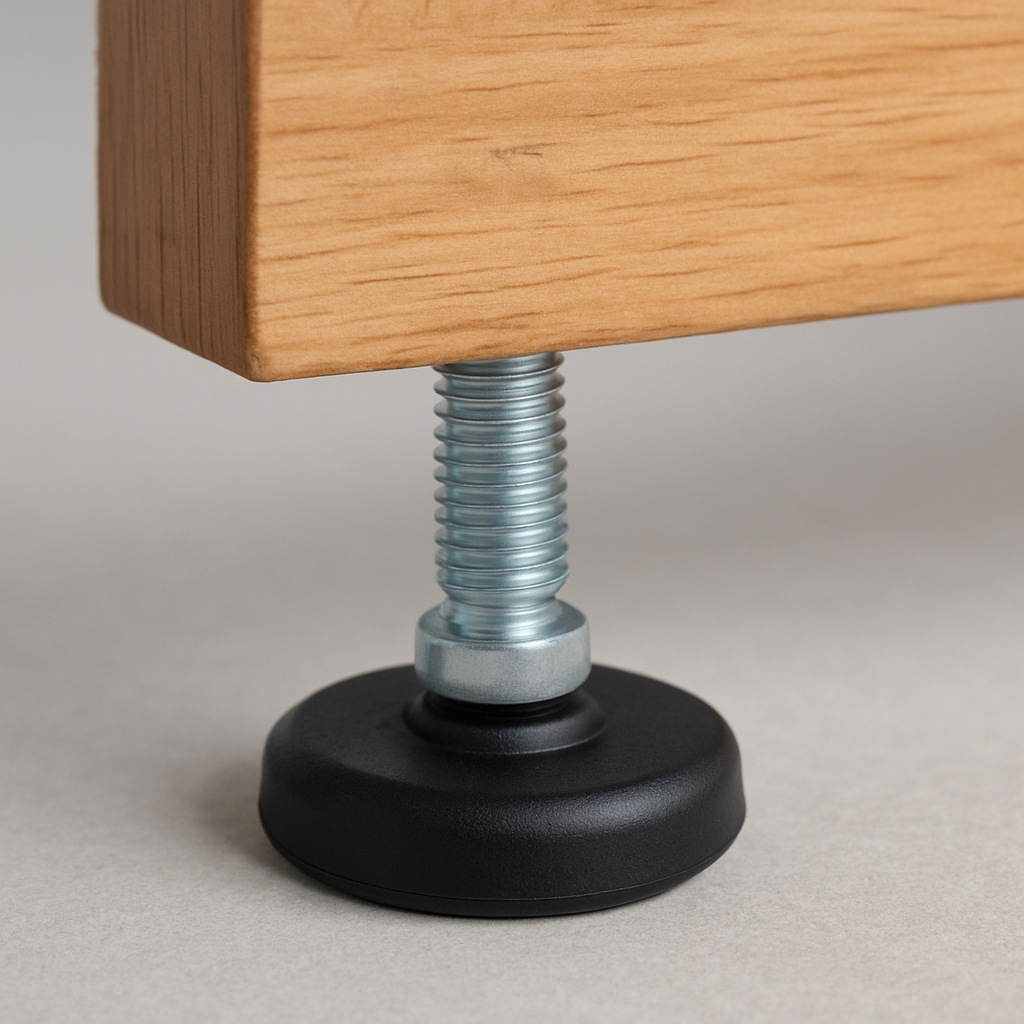
Adjustable feet for wood provide a practical way to level furniture, reduce wobble and protect flooring. They can be fitted to new furniture or retrofitted to existing wooden legs.
When paired with the correct fixing nut, such as a T-Nut, E-Nut or D-Nut, a threaded adjustable foot creates a secure and durable connection within the timber.
Adjustable Feet for Wood at a Glance
A quick overview of how they improve wooden furniture.
| Function | How It Helps | Typical Applications |
|---|---|---|
| Furniture Levelling | Allows individual legs to be raised or lowered. | Tables, desks, benches and cabinets. |
| Floor Protection | Creates a controlled contact point between the furniture and floor. | Wood, laminate, tiled and commercial floors. |
| Improved Stability | Helps reduce rocking, tipping and movement. | Dining furniture, workbenches and display units. |
| Threaded Adjustment | Provides repeatable fine adjustment through a fixing nut. | New builds and retrofitted wooden furniture. |
What Are Adjustable Feet for Wood?
Adjustable feet, also known as levelling feet or furniture glides, are fitted to the underside of wooden legs or panels. A threaded stem screws into a compatible fixing nut installed within the timber.
Turning the foot changes the effective leg height, making it easier to compensate for uneven flooring and stabilise the furniture without altering the wooden structure.
Main Benefits
- Correct uneven floor levels
- Protect floors from scuffs
- Improve load distribution
- Reduce wobble and movement
- Support simple future adjustment
How to Level Wooden Furniture
Install the fixing nut first, then screw in and adjust the foot until the furniture sits securely.
Mark the Centre
Mark the centre point on the underside of each wooden leg.
Drill the Hole
Drill to the diameter and depth required by the selected fixing nut.
Install the Nut
Tap or screw the T-Nut, E-Nut or D-Nut securely into the wood.
Fit the Foot
Thread the adjustable foot into the installed fixing nut.
Level the Furniture
Turn each foot until the furniture is level and stable.
Choosing Fixing Nuts for Wooden Furniture
Fixing nuts create a durable metal thread inside the wooden leg or panel.
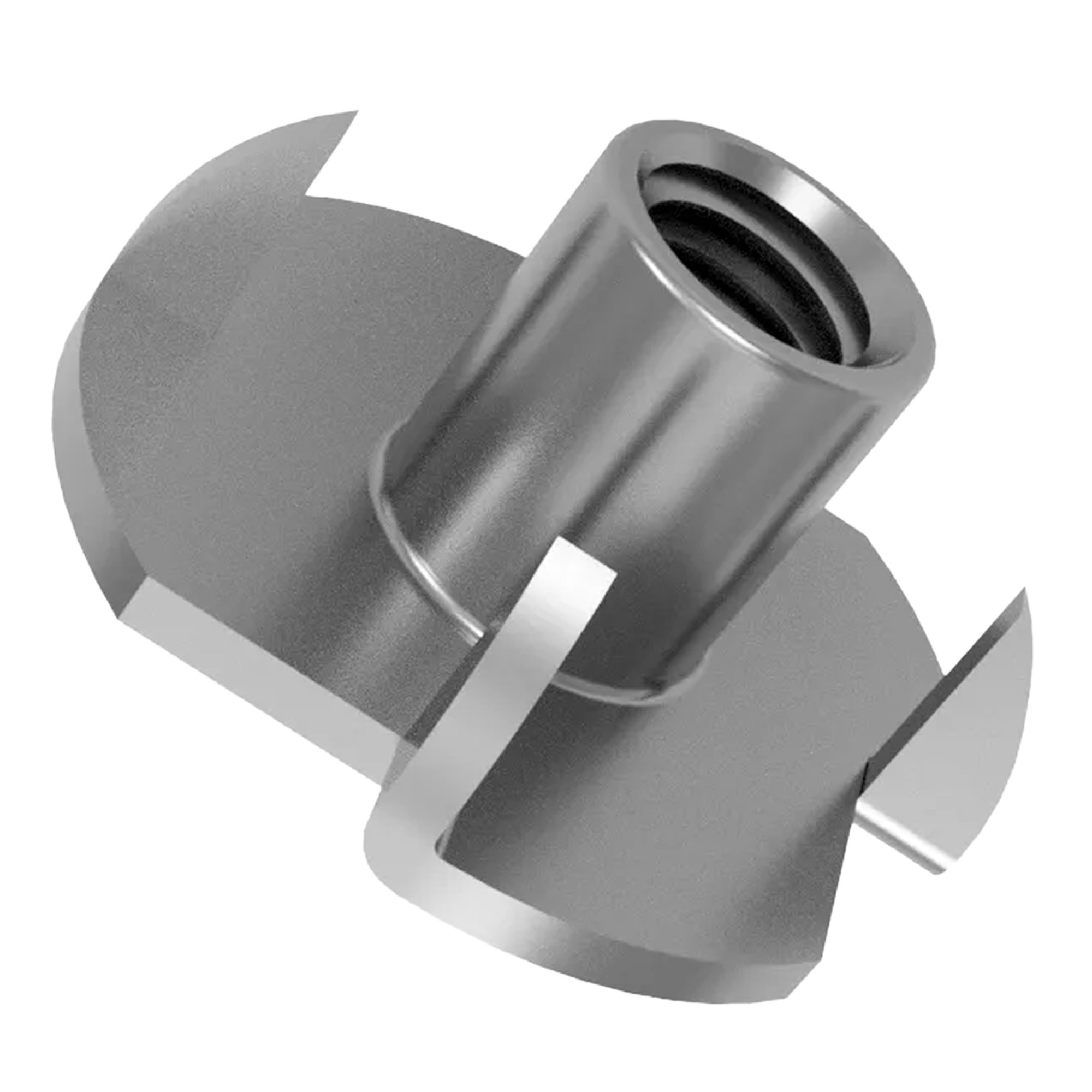
T-Nuts
- Installed into a pre-drilled hole
- Creates a strong threaded anchor
- Suitable for heavier furniture
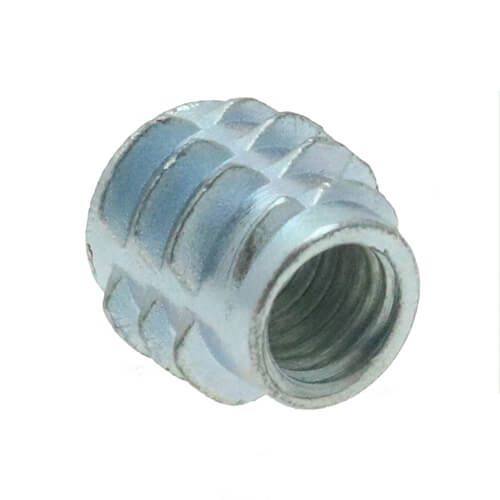
E-Nuts
- Cone-shaped body grips the wood
- Helps resist rotation or loosening
- Useful for soft or angled legs
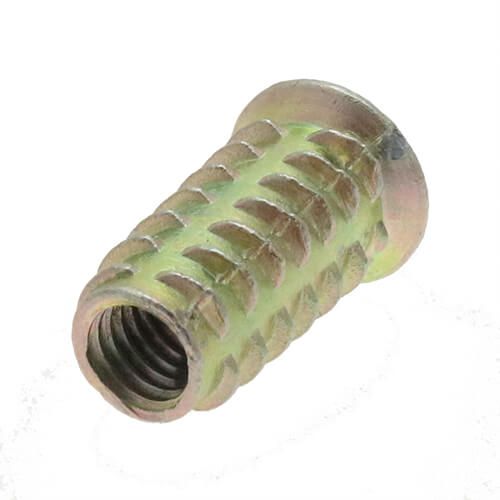
D-Nuts
- Designed for flat insertion
- Useful in thinner wooden panels
- Provides a durable internal thread
T-Nuts vs E-Nuts vs D-Nuts
Compare the main fitting styles before selecting a threaded insert.
| Fixing Nut | Installation Style | Best Suited To | Main Advantage |
|---|---|---|---|
| Tee Nut | Tapped into a pre-drilled hole | Thicker legs and heavier furniture | Strong, familiar threaded anchor. |
| E-Nut | Cone-shaped insert fitted into timber | Soft wood and angled legs | Improved grip against rotation. |
| D-Nut | Flat insert fitted into a prepared hole | Thinner panels and compact furniture | Low-profile threaded support. |
Benefits of Adjustable Feet in Wood Applications
Adding levelling feet can improve furniture stability, protection and service life.
Easy Levelling
Compensates for uneven floors without modifying the furniture frame.
Reduced Wobble
Helps prevent rocking, tipping and unwanted movement during use.
Floor Protection
Reduces direct contact between timber legs and the floor surface.
Longer Furniture Life
Supports better weight distribution and helps protect the wooden leg ends.
Where to Use Adjustable Feet for Wooden Furniture
Common domestic, commercial and manufacturing applications.
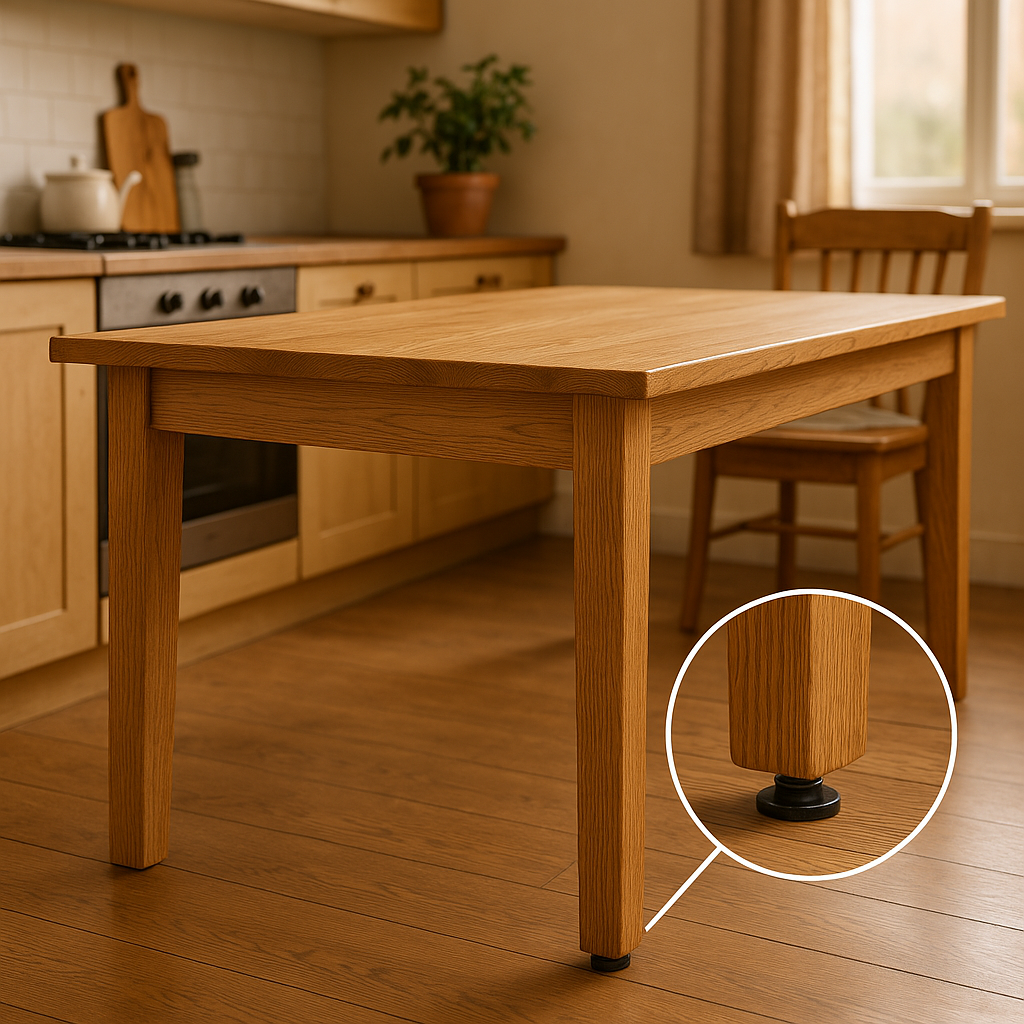
Kitchen and Dining Tables
Useful where tiled or timber floors create small height differences between table legs.
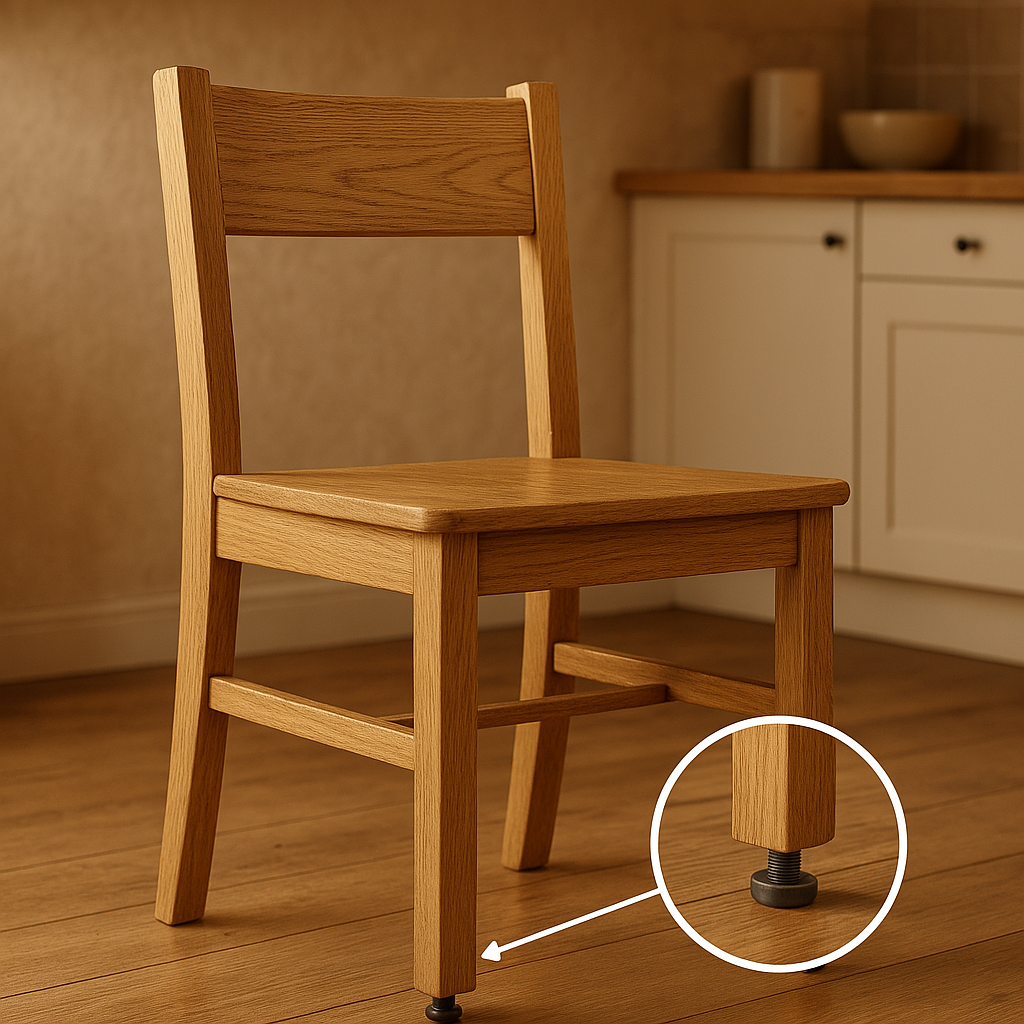
Wooden Chairs and Benches
Helps stabilise seating on uneven floors and protect the ends of wooden legs.
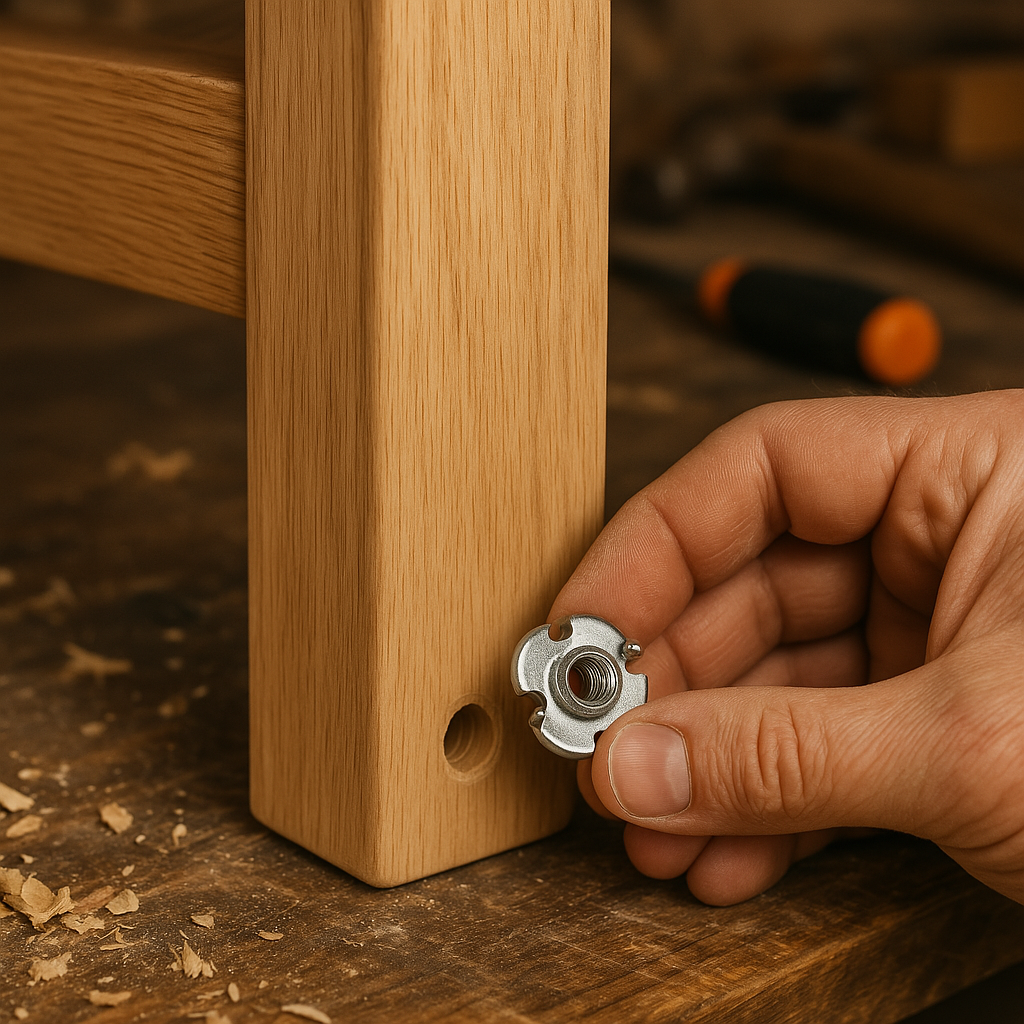
Coffee Tables and Consoles
A discreet way to level smaller furniture and improve its contact with the floor.
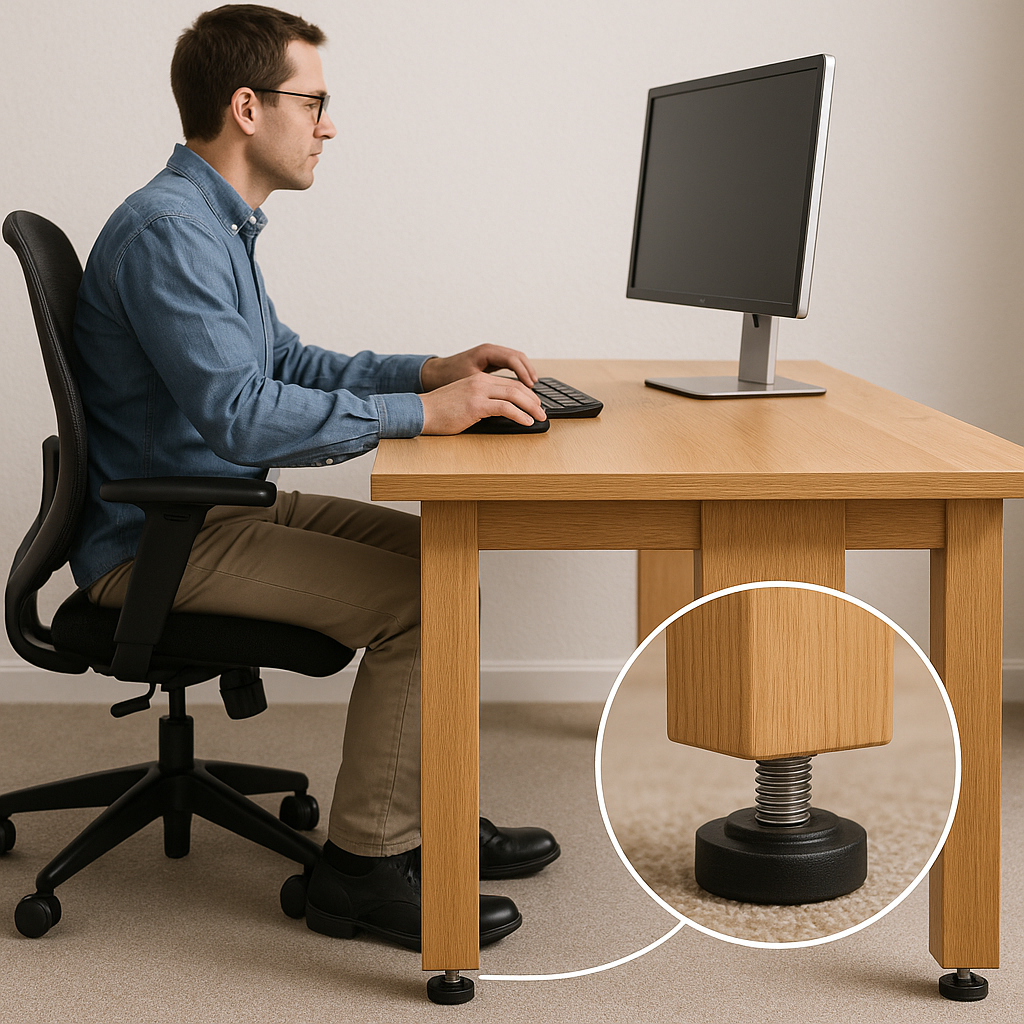
Office Desks and Workbenches
Supports a stable work surface in offices, workshops and production areas.
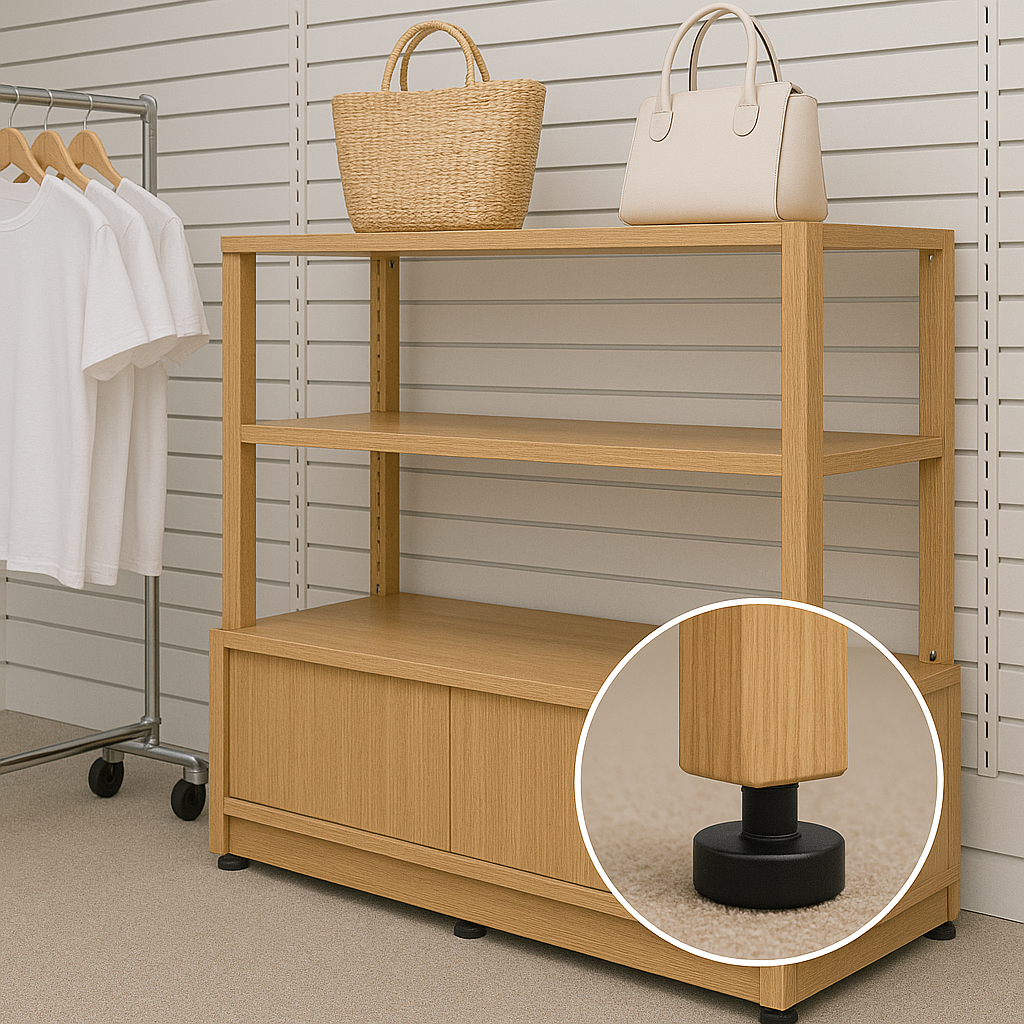
Shopfitting and Displays
Helps align display units, shelving and counters across commercial floors.
Other Suitable Furniture
- Cabinets and storage units
- Custom-built furniture
- Display plinths
- Wooden machinery bases
- Retail counters
How to Choose Adjustable Feet for Wood
Review the furniture, load, thread and flooring before ordering.
| Selection Factor | What to Check | Why It Matters |
|---|---|---|
| Thread Size | Match the stem thread to the fixing nut | Ensures the parts engage correctly. |
| Furniture Load | Total load and number of feet | Each foot must safely support its share of the weight. |
| Wood Thickness | Leg or panel dimensions | Determines which fixing nut can be installed securely. |
| Adjustment Range | Required increase or decrease in height | The stem length must allow enough usable adjustment. |
| Floor Surface | Timber, tile, carpet or commercial flooring | The base material should suit the floor and required grip. |
Frequently Asked Questions
Common questions about fitting adjustable feet to wooden furniture.
Need Help Choosing Adjustable Feet for Wood?
Contact our sales team for help matching the adjustable foot, thread size and fixing nut to your wooden furniture application.
Related posts
-
 The Complete Guide to Wing nutsEverything you need to know about wing nuts: uses, types, and expert tips for every project.Read more
 -
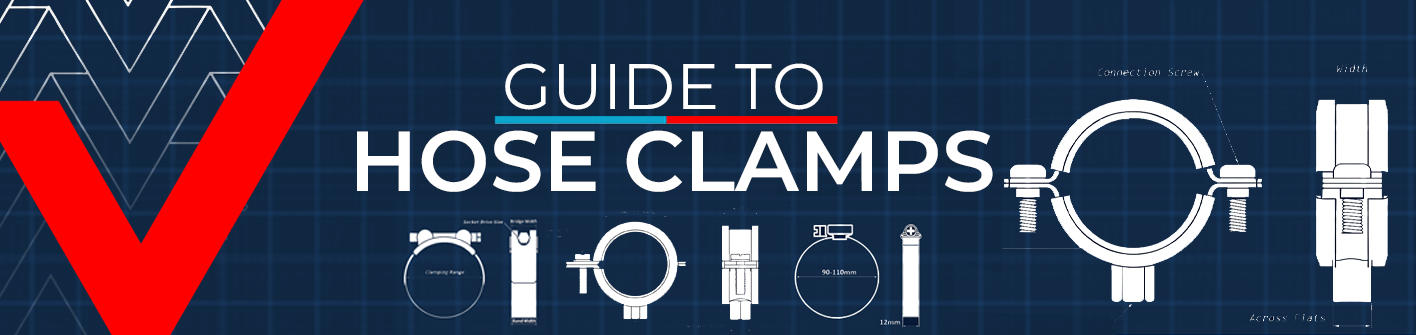 Guide to Hose Clamps: Types, Grades and Common ApplicationsDiscover materials, clamp types (W2–W5) and ideal uses from worm‑drive to T‑boltRead more
 -
 A Guide to Stainless Steel Levelling Feet: Heavy Duty Adjustable Solutions for UK IndustryEverything you need to know about selecting, measuring & installing levelling feet for equipment stabilityRead more
Leave a comment