


































































Search all blogs
Latest posts
-
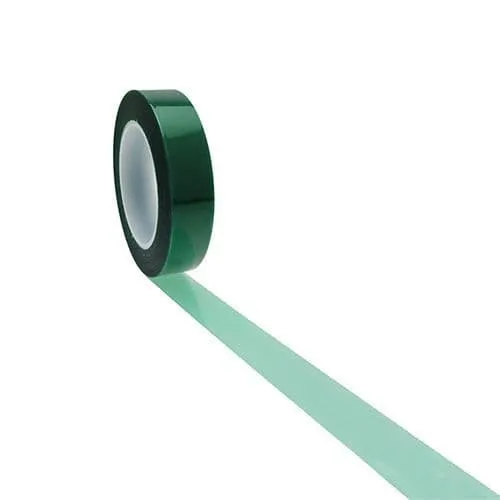
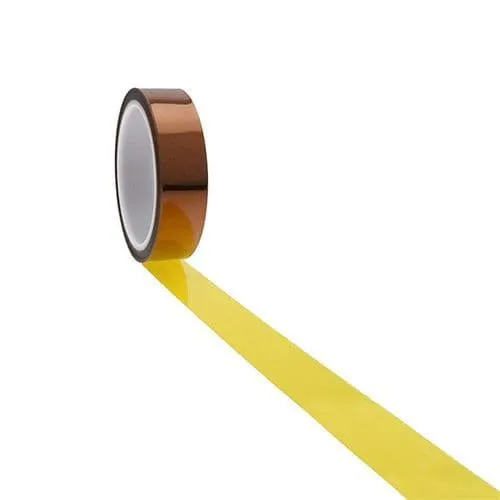
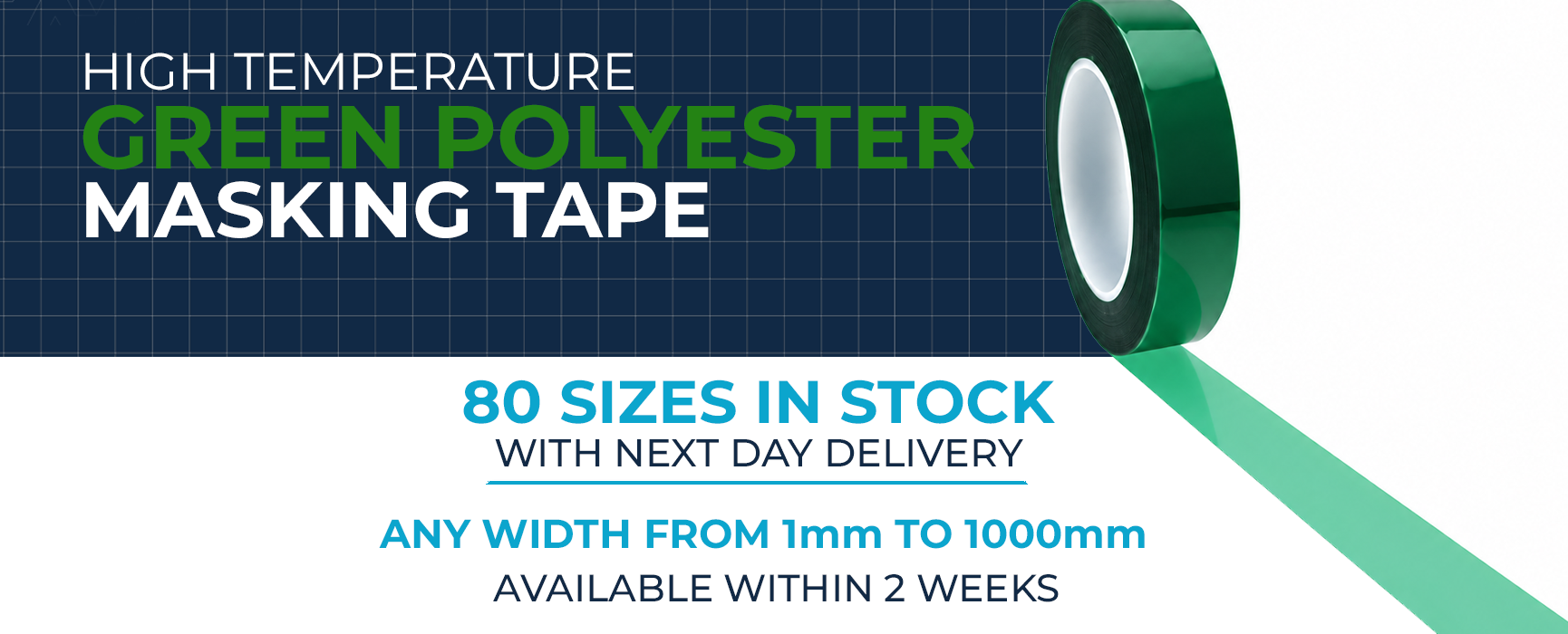 Guide to Green Polyester Tape10/09/2026Read more
Explore our Green Polyester Tape range for high temperature masking with 80 stocked sizes, 40 widths and 25 or 80...
-
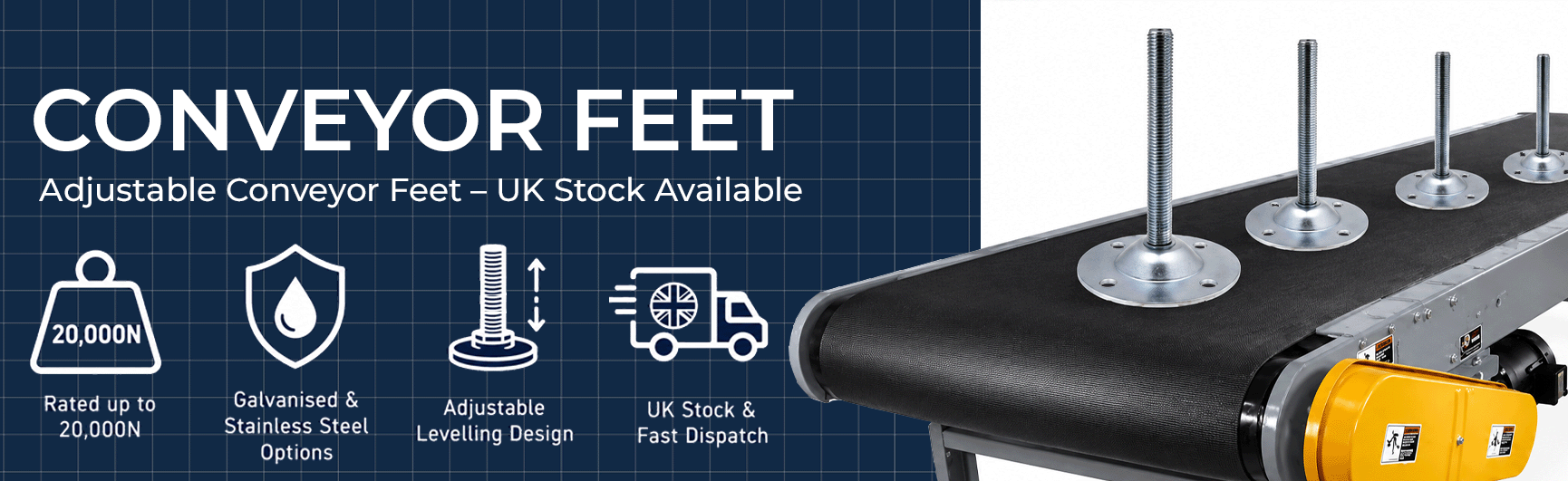 Conveyor Feet Guide: Types, Materials & Installation03/07/2026Read more
Everything you need to know about conveyor feet, types, load ratings, materials, installation steps and how...

The Complete Guide to Wing nuts
The Complete Guide to Wing Nuts
Wing nuts are practical hand-operated fasteners designed for quick assembly, adjustment and removal without tools. They are widely used in DIY, furniture, machinery, displays and industrial equipment.
Available Options
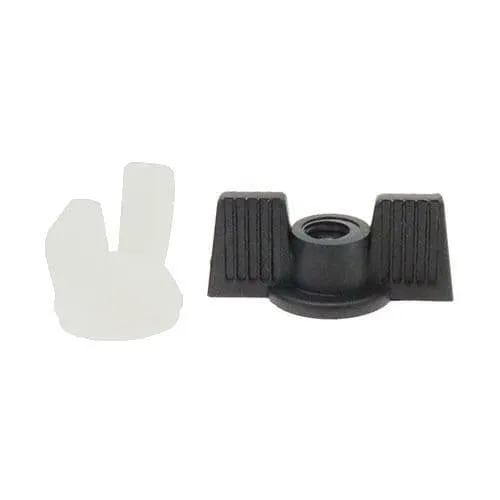
- Nylon wing nuts
- Locking nylon wing nuts
- Stainless steel wing nuts
- Bright zinc plated steel wing nuts
Wing Nuts at a Glance
A quick summary of their design, benefits and typical uses.
| Feature | What It Means | Best Suited To |
|---|---|---|
| Tool-Free Operation | Two wings provide a hand grip for tightening and loosening. | Frequent access and quick adjustments. |
| Reusable Design | The nut can be fitted and removed repeatedly. | Temporary frames, covers and adjustable equipment. |
| Material Choice | Available in nylon, stainless steel and plated steel. | Indoor, outdoor, electrical and industrial applications. |
| Manual Tightening | Designed for convenient hand tightening rather than high torque. | Adjustable and non-permanent assemblies. |
What Are Wing Nuts?
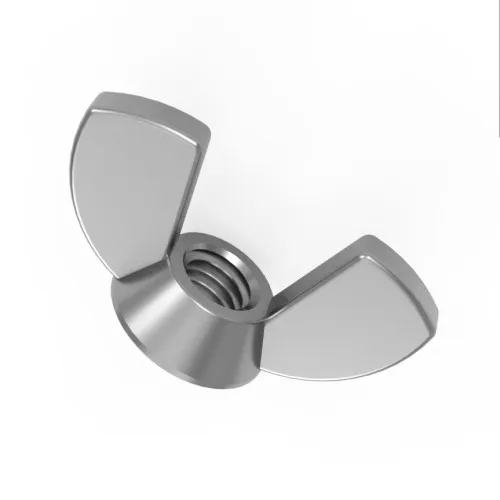
Wing nuts, sometimes called butterfly nuts, feature two broad wings on either side of the threaded body. These wings allow the fastener to be tightened or loosened by hand without a spanner or socket.
Their shape makes them especially useful where components need regular adjustment, repeated removal or fast assembly. Typical applications include equipment covers, clamps, access panels, furniture, display systems and machinery.
Core Advantages
- Quick hand operation
- Clear and accessible grip
- Simple repeated adjustment
- Multiple material options
What Is a Wing Nut Used For?
Wing nuts are suitable for applications where convenience, access and repeat adjustment are more important than high tightening torque.
Furniture and Frames
Used to assemble furniture, modular frames and temporary structures that may need regular adjustment.
Access Covers and Panels
Ideal for removable covers, guards and panels where maintenance access is required.
Displays and Stands
Provides quick tool-free adjustment for exhibition stands, retail displays and equipment rigs.
DIY Projects
A straightforward fastening choice for temporary fixtures and general household projects.
Electrical Equipment
Nylon options are useful where a lightweight and non-conductive fastening material is required.
Moving Equipment
Locking nylon wing nuts can provide additional resistance to movement in suitable applications.
How to Use a Wing Nut
Follow these steps to achieve a secure hand-tightened connection.
Match the Thread
Confirm that the wing nut matches the bolt diameter and thread pitch.
Align the Components
Position the parts correctly and pass the bolt through the aligned holes.
Start the Thread
Place the nut onto the exposed thread with the wings facing outward.
Tighten by Hand
Turn clockwise until the assembly is secure. Avoid excessive force.
Check Stability
Confirm that the components are secure and the nut is correctly seated.
Loosen When Required
Turn counterclockwise to release the connection for adjustment or removal.
Important Selection Note
Wing nuts are best suited to hand-adjusted assemblies. For permanent or heavily loaded connections, a standard hex nut may provide a more appropriate fastening solution.
Key Benefits of Wing Nuts
Why wing nuts are selected for adjustable and frequently accessed assemblies.
Tool-Free Installation
Can be tightened and loosened by hand without a spanner or socket.
Fast Assembly
Supports quick fitting and removal where time and access are important.
Reusable Fastening
Suitable for assemblies that require repeated adjustment or disassembly.
Material Versatility
Available in materials suited to general, outdoor, electrical and industrial use.
Accessible Grip
The winged profile provides a clear gripping surface for manual adjustment.
Reduced Tool Handling
Useful where tools are inconvenient or regular access is required.
Types of Wing Nuts
Compare common materials and locking options.
Nylon Wing Nuts
Lightweight, corrosion-resistant and non-conductive for electrical, outdoor and general applications.
View Nylon Wing NutsLocking Nylon Wing Nuts
Designed to provide additional resistance against unwanted movement in suitable assemblies.
View Locking Wing NutsStainless Steel Wing Nuts
A durable option for industrial, marine, outdoor and demanding environments.
View Stainless Wing NutsBZP Steel Wing Nuts
Steel with a bright zinc plated finish for general indoor fastening and a practical balance of cost and performance.
Browse All Wing NutsWing Nut Material Comparison
Use the environment and performance requirements to guide material selection.
| Material | Key Advantages | Typical Applications | Selection Note |
|---|---|---|---|
| Nylon | Lightweight, non-conductive and corrosion-resistant | Electrical, outdoor and lightweight assemblies | Suitable where lower weight and insulation are beneficial. |
| Locking Nylon | Corrosion-resistant with additional resistance to movement | Adjustable equipment and moving assemblies | Check suitability for the level of vibration involved. |
| Stainless Steel | Strong, durable and corrosion-resistant | Marine, outdoor and industrial installations | Preferred for more demanding environmental exposure. |
| BZP Steel | Good general strength and cost-effective plated finish | General indoor equipment and fixtures | Best suited to dry or controlled environments. |
German Style vs American Style Wing Nuts
A comparison of the two common DIN 315 wing profiles.
| Feature | German Style — DIN 315 D | American Style — DIN 315 A |
|---|---|---|
| Wing Shape | Rounded and generally longer | Thinner and more rectangular |
| Grip | Larger surface area for comfortable turning | Compact grip for standard adjustment |
| Profile | Broader hand-operated form | Slimmer profile where space may be limited |
| Best Suited To | Frequent adjustments and comfortable manual handling | Compact fixtures and traditional wing nut applications |
Frequently Asked Questions About Wing Nuts
Answers to common questions about installation, materials and standards.
Choosing the Right Wing Nut
Wing nuts provide a convenient fastening solution for adjustable, removable and frequently accessed assemblies. Their hand-operated design makes them useful across DIY, furniture, electrical, display and industrial applications.
Choose nylon where low weight, corrosion resistance or electrical insulation are important. Select stainless steel for more demanding outdoor or industrial environments and use BZP steel for cost-effective general indoor fastening.
Need Help Choosing Wing Nuts?
Browse our range of nylon, locking nylon, stainless steel and plated steel wing nuts or contact our Product Support Team for selection assistance.
Related posts
-
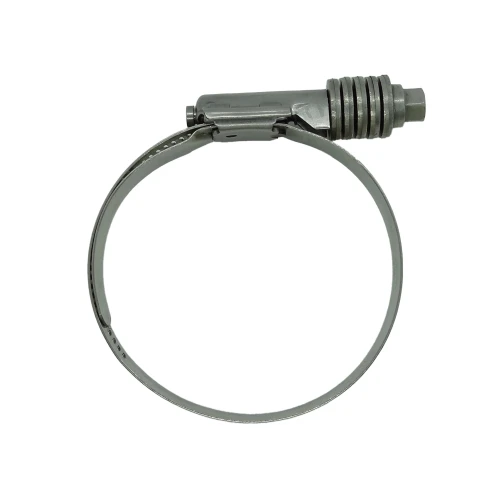
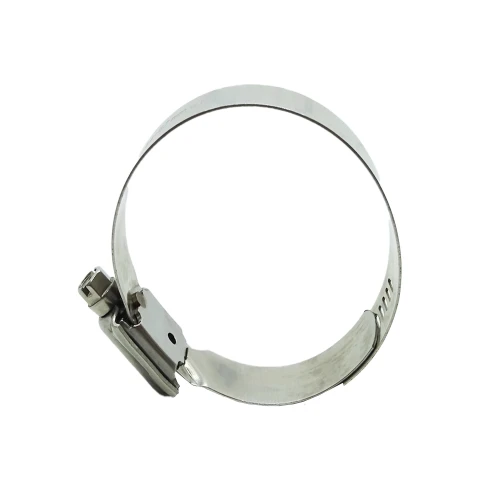
 Guide to Hose Clamps: Types, Grades and Common ApplicationsDiscover materials, clamp types (W2–W5) and ideal uses from worm‑drive to T‑boltRead more
 -
 A Guide to Stainless Steel Levelling Feet: Heavy Duty Adjustable Solutions for UK IndustryEverything you need to know about selecting, measuring & installing levelling feet for equipment stabilityRead more
 -

Leave a comment