













































































Search all blogs
Latest posts
-
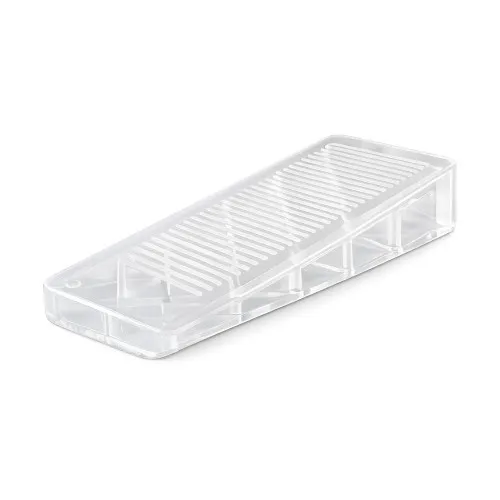
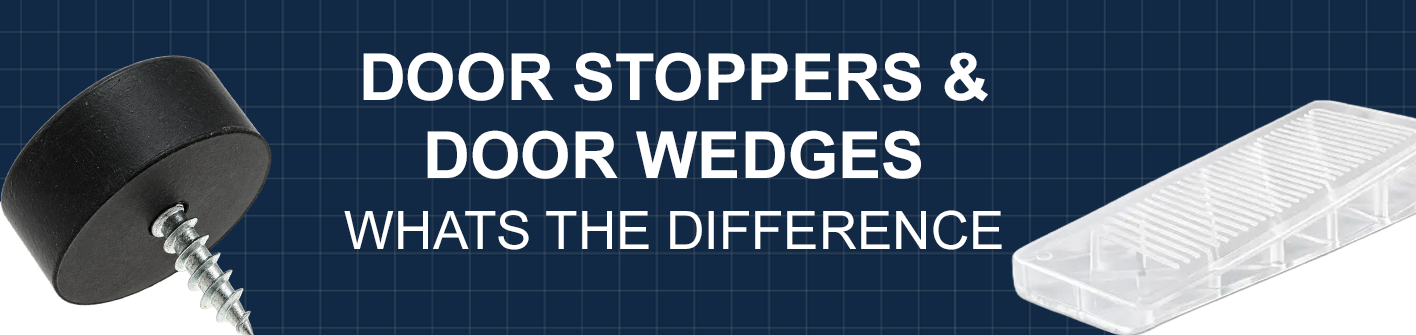 Door Stoppers & Door Wedges19/09/2026Read more
Learn the difference between door stoppers and door wedges, how each type works and where they are commonly...
-
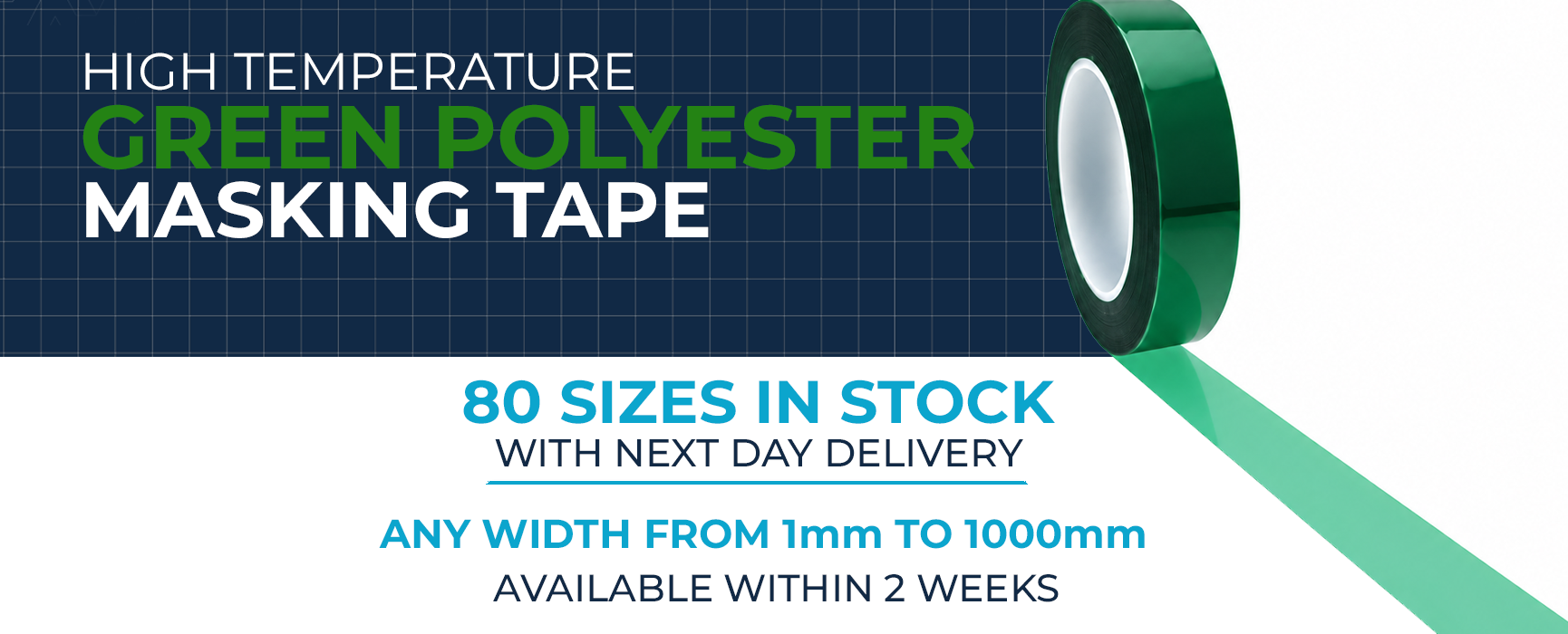 Guide to Green Polyester Tape10/09/2026Read more
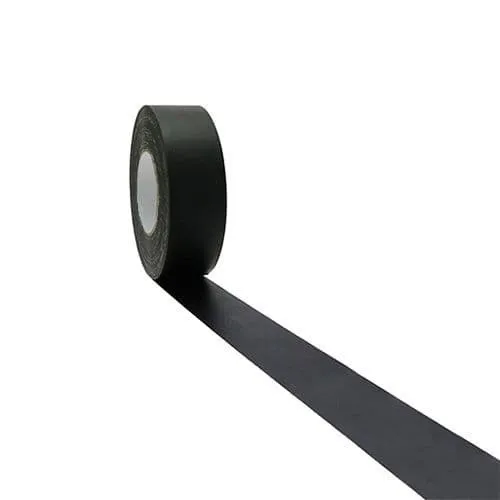
Explore our Green Polyester Tape range for high temperature masking with 80 stocked sizes, 40 widths and 25 or 80...
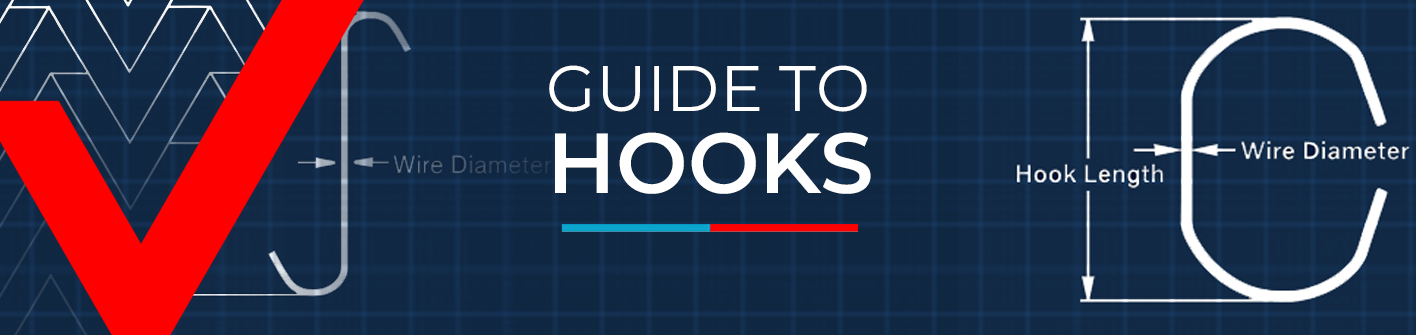
Guide to Masking Hooks
The Complete Guide to Industrial Hanging Hooks
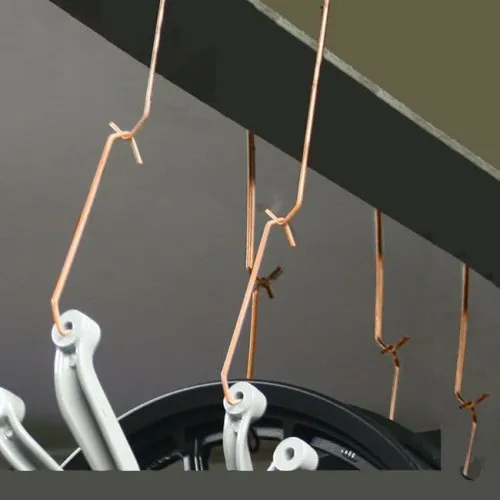
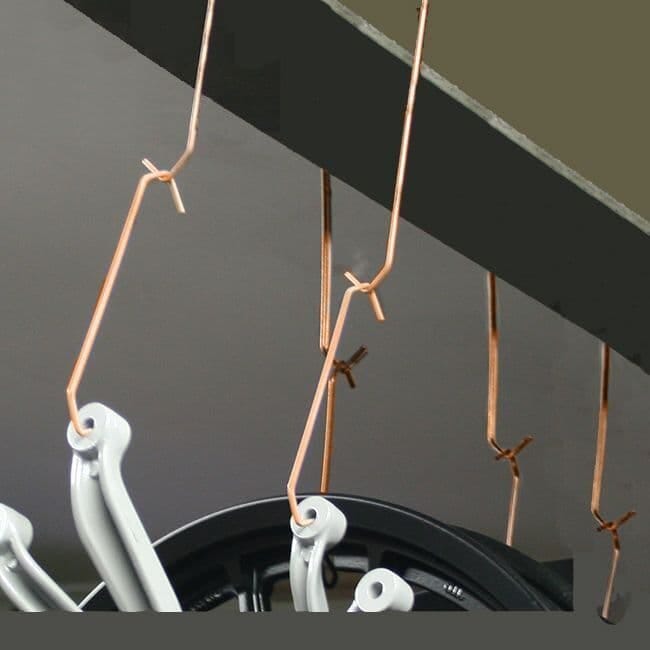
Industrial hanging hooks, often called masking hooks, are reusable wire hooks used to suspend components during powder coating, spray painting, plating, cleaning, drying and transport.
Available in C, S and V shapes, they help improve coating access, reduce contact marks and support efficient movement through production lines.
Industrial Hanging Hooks at a Glance
A quick overview of what they are and why they are used.
| Feature | Typical Details | Why It Matters |
|---|---|---|
| Common Names | Industrial hanging hooks, masking hooks and wire hooks | Used across coating, finishing and handling processes. |
| Materials | Mild steel or stainless steel | Provides a reusable hanging solution for repeated production cycles. |
| Common Shapes | C hooks, S hooks and V hooks | Allows selection according to part shape, weight and stability requirements. |
| Typical Processes | Powder coating, painting, plating, cleaning, drying and transport | Supports full access around the component during processing. |
What Are Industrial Hanging Hooks?
Industrial hanging hooks are reusable wire components designed to suspend parts from rails, racks and conveyor systems. They are commonly used where components must remain accessible on all sides during finishing or handling.
By holding the part away from flat surfaces, masking hooks help reduce blemishes, improve coating coverage and support cleaner movement through production lines.
Best Suited To
- Powder coating lines
- Spray painting booths
- Electroplating processes
- Drying and curing systems
- Cleaning and degreasing lines
Why Use Masking Hooks in Production?
The correct hook can improve part handling, coating access and production efficiency.
Reduce Contact Marks
Suspending components helps prevent blemishes caused by resting parts on flat surfaces.
Support 360° Coverage
Allows coating, cleaning and drying access around the full surface of the part.
Improve Part Flow
Helps parts move consistently through racks, rails and conveyor systems.
Reusable and Cost-Effective
Durable hooks can be used across repeated cycles, reducing reliance on single-use hanging methods.
Common Applications for Masking Hooks
Where industrial hanging hooks are commonly used across production environments.
| Process or Industry | How Hooks Are Used | Main Consideration |
|---|---|---|
| Powder Coating and Paint Shops | Suspending parts for full coating access | Minimal contact and stable hanging. |
| Electroplating | Dipping metal parts without resting them on a surface | Secure positioning and electrical contact where required. |
| Automotive Manufacturing | Organising parts for assembly, coating or curing | Consistent movement through the production line. |
| Cleaning Lines | Suspending parts during ultrasonic cleaning or degreasing | Material resistance and secure support. |
| General Manufacturing | Holding components before and after treatment | Correct length, gauge and carrying capacity. |
| Conveyor Systems | Transporting parts through automated processes | A shape that limits swinging or dislodging. |
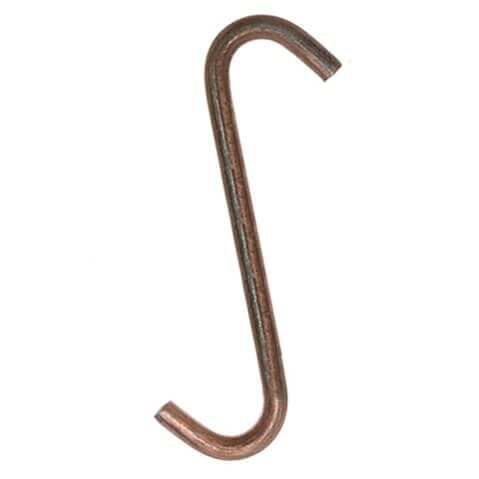
Masking Hooks That We Stock
Available in different gauges and lengths to suit hanging height and weight requirements.
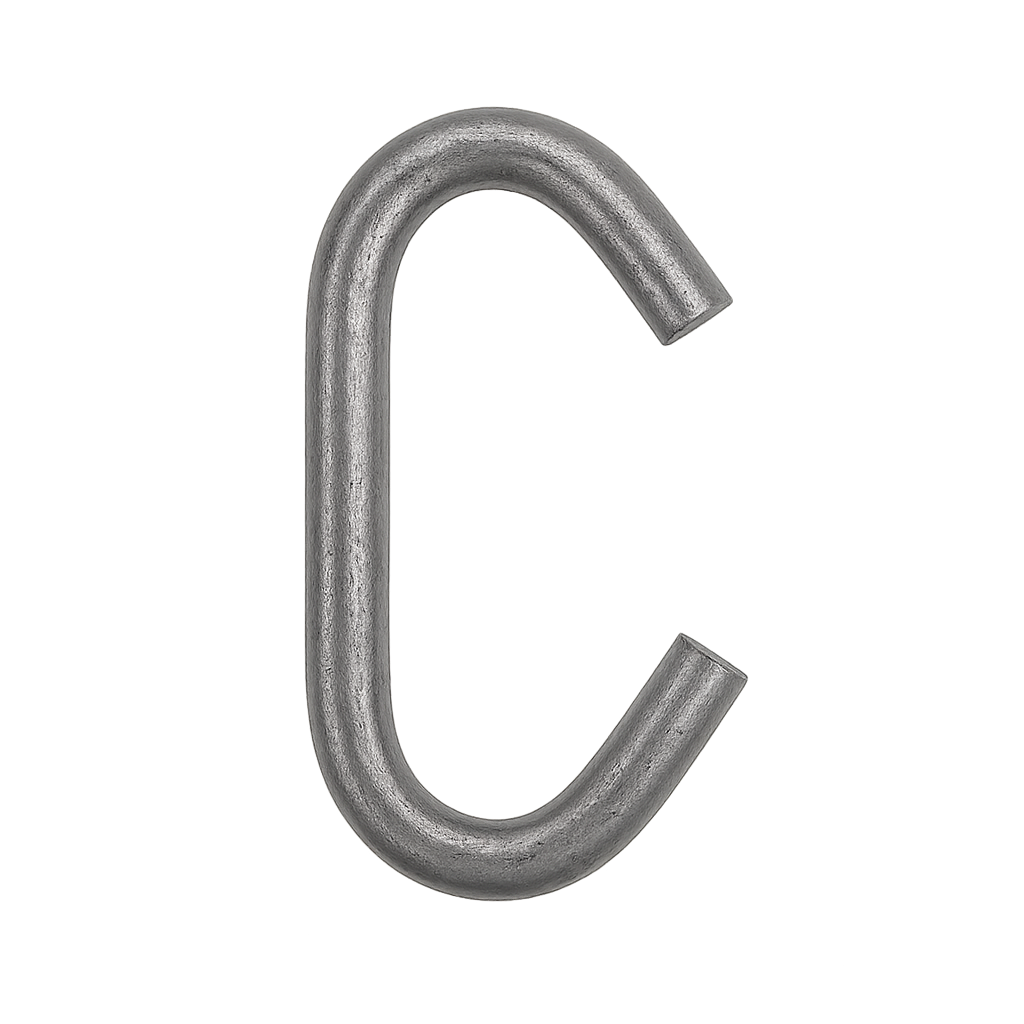
C Hooks
Suitable for higher-capacity hanging and sturdy support during manual or automated spraying.
View C Hooks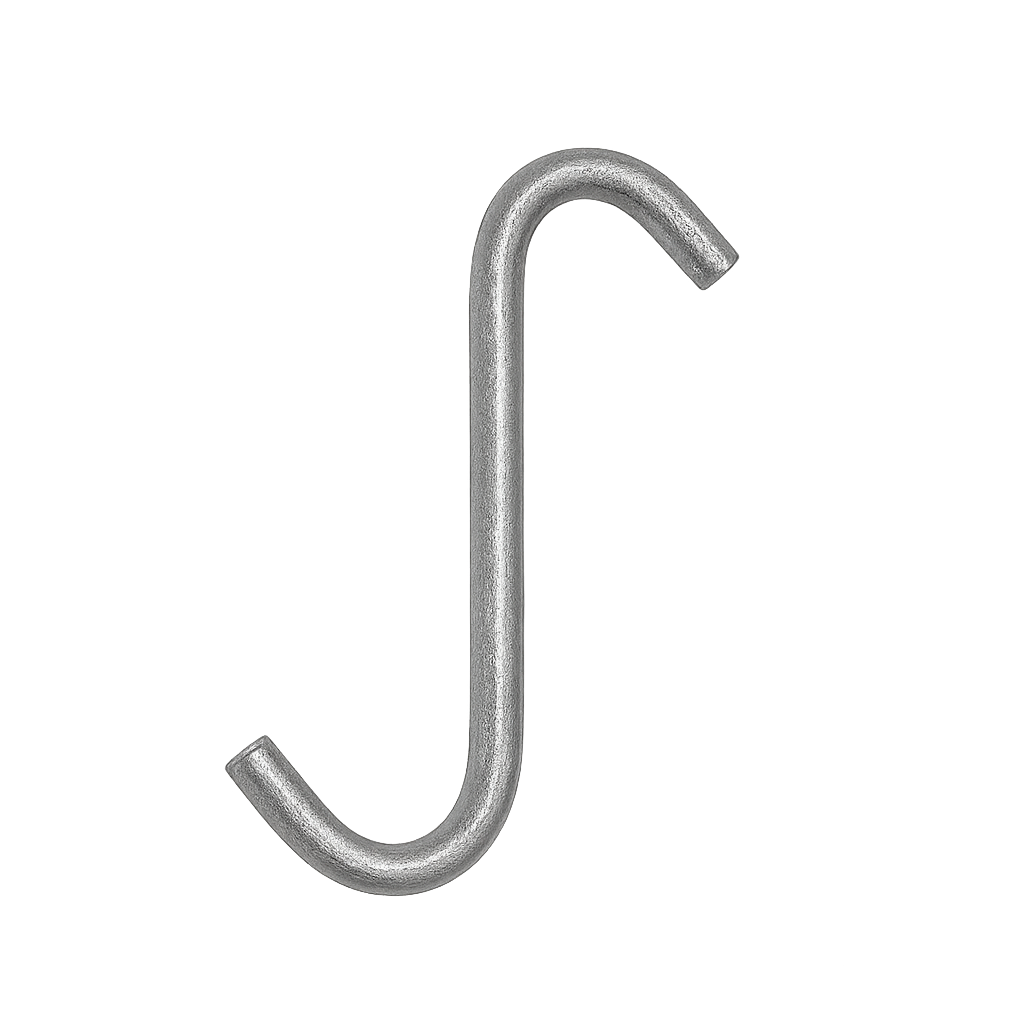
S Hooks
Easy to attach and remove, making them suitable for a broad range of production and handling applications.
View S Hooks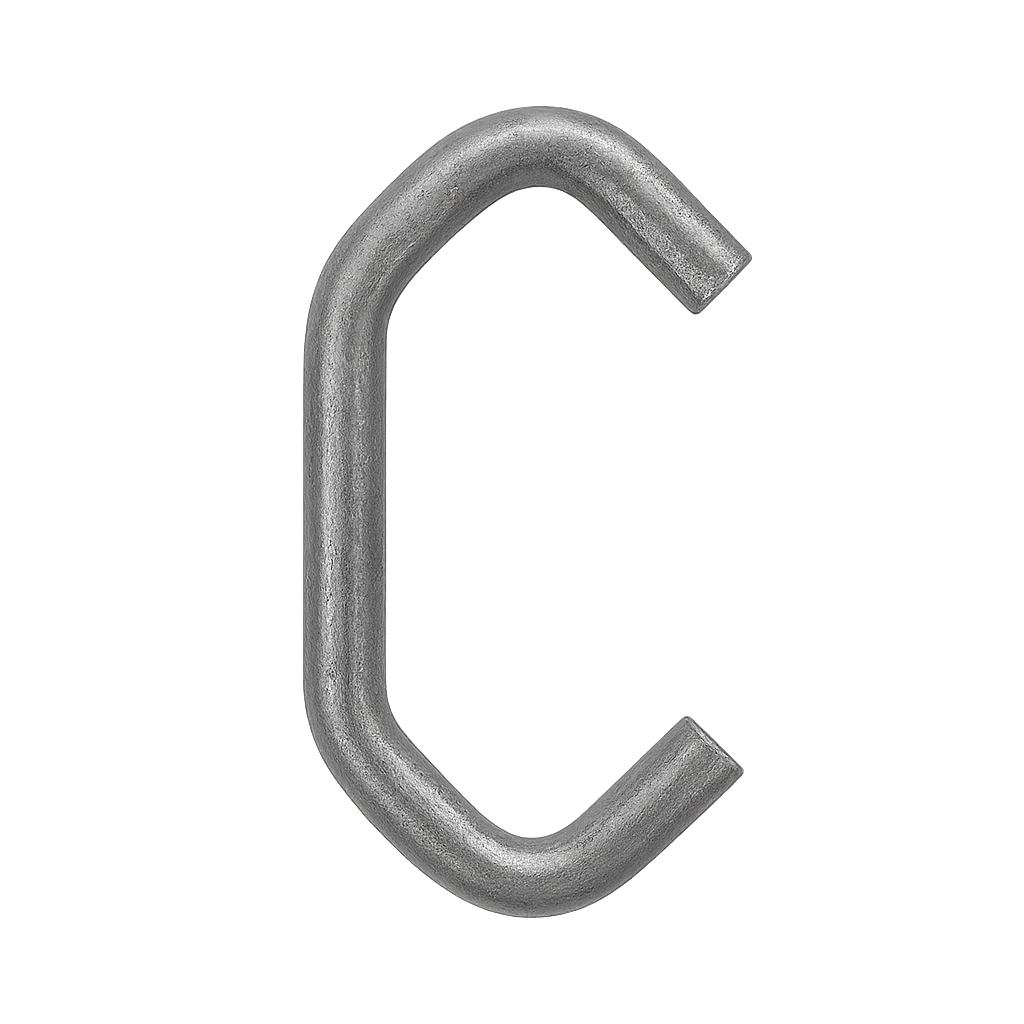
V Hooks
Designed to help stabilise awkward parts while maintaining minimal contact during coating, painting or anodising.
View V HooksC Hooks vs S Hooks vs V Hooks
Choose the hook profile according to the part and production process.
| Hook Type | Main Strength | Typical Use | Selection Note |
|---|---|---|---|
| C Hook | Sturdy support | Heavier parts and high-capacity hanging | Check gauge and working load against part weight. |
| S Hook | Fast fitting and versatility | General hanging, coating and drying | Useful where parts are changed frequently. |
| V Hook | Part stability and minimal contact | Awkward shapes and moving conveyor systems | Select where limiting swing and movement is important. |
How to Choose the Correct Masking Hook
Use these seven checks to select a hook for your component and process.
Identify the Part Weight
Choose a hook with a safe working load that exceeds the weight of the component.
Check the Part Geometry
Look for holes, slots or edges and select a hook shape that holds the part without damage.
Confirm Process Temperature
Ensure the hook material is suitable for the curing temperature, typically 180°C to 220°C for powder coating.
Maintain Electrical Contact
For electrostatic coating, use bare metal contact points where a reliable ground path is required.
Consider Cleaning and Reuse
Select robust reusable hooks where overspray will be cleaned between production cycles.
Match the Rack or Conveyor
Check hook diameter and length against existing rails, racks and carriers.
Test the Setup
Run a sample part through the process and check stability, grounding and coating quality.
Related Products to Support Your Project
Complete your masking and finishing setup with compatible products.
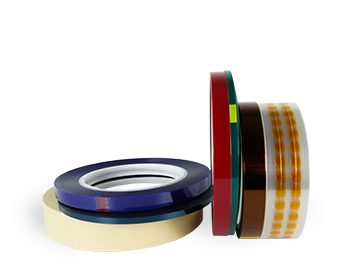
High-Temperature Masking Tapes
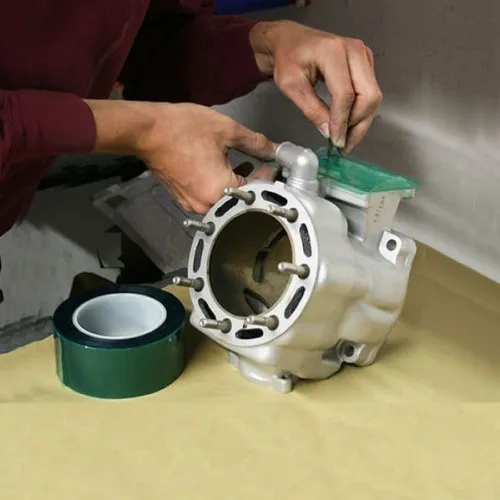
Heat-resistant tapes designed to create clean masking lines during coating and finishing.
Explore the Range
Masking Plugs
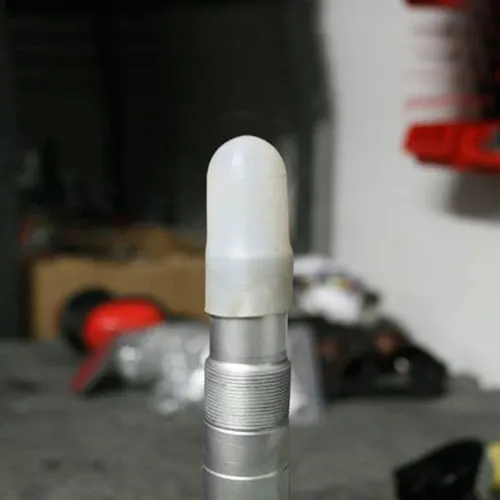
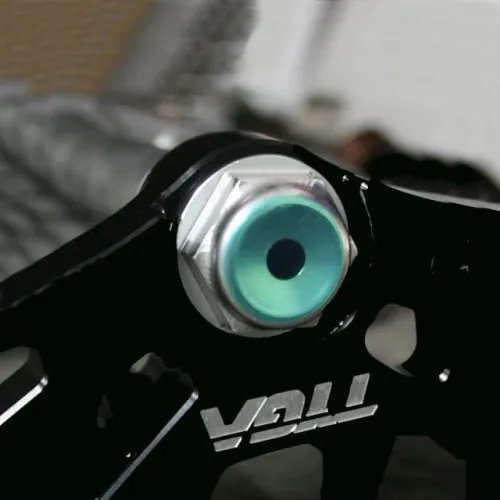
Suitable for sealing holes and openings during high-temperature coating processes.
Explore the Range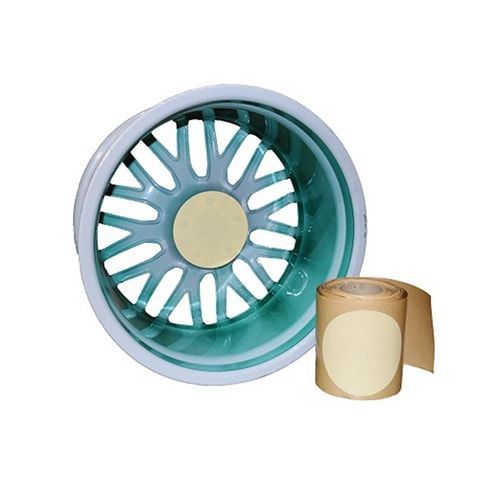
Alloy Masking
Products designed to protect alloy and metal surfaces during demanding finishing processes.
Explore the RangeImproving Your Powder Coating Hanging System
Masking hooks provide a reliable and reusable way to suspend components while keeping critical areas accessible and helping to reduce surface contact.
By matching the hook shape, material, gauge and length to the part and process, manufacturers can improve stability, coating coverage and production flow.
Need Help Choosing Masking Hooks?
Our technical sales team can help with hook shape, size, length, gauge and weight capacity or discuss a tailored supply plan for your production line.
Related posts
-
 The Complete Guide to Wing nutsEverything you need to know about wing nuts: uses, types, and expert tips for every project.Read more
 -
 Guide to Hose Clamps: Types, Grades and Common ApplicationsDiscover materials, clamp types (W2–W5) and ideal uses from worm‑drive to T‑boltRead more
 -
 A Guide to Stainless Steel Levelling Feet: Heavy Duty Adjustable Solutions for UK IndustryEverything you need to know about selecting, measuring & installing levelling feet for equipment stabilityRead more
Leave a comment