





























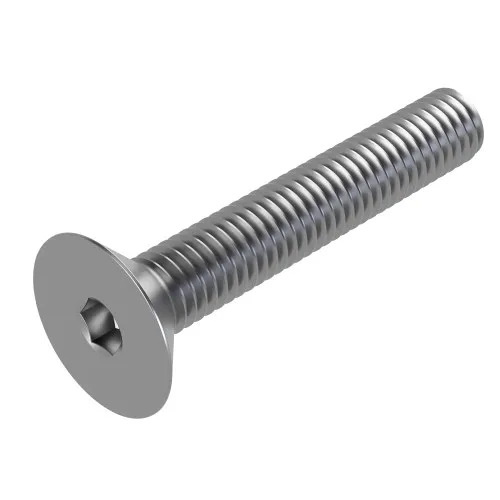

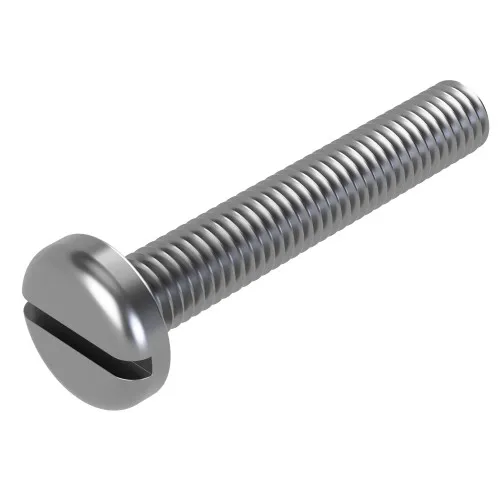
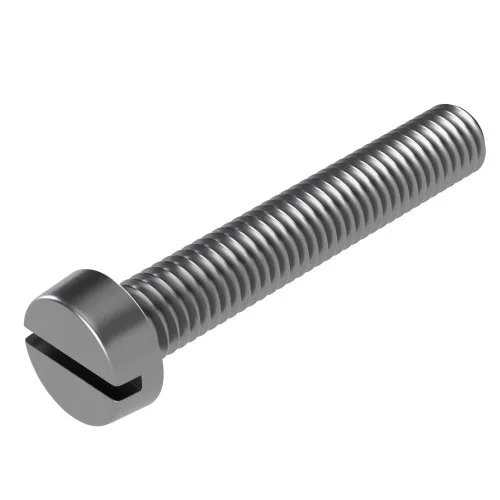

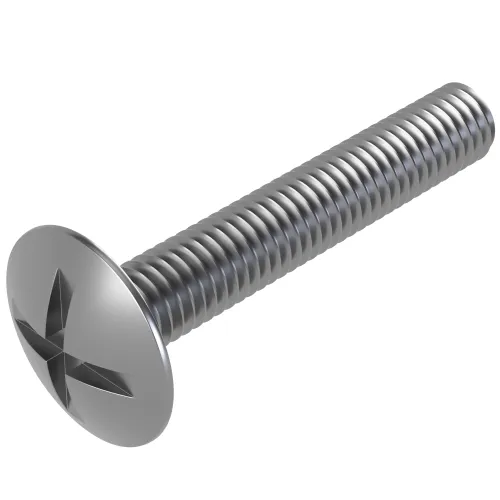







































Calculate the recommended pilot, clearance and countersink hole sizes for screws.
How Hole Size is Calculated
The pilot hole size is calculated from the screw shank diameter and selected timber type.
Tips & Recommendations
Drill the clearance hole through the top piece and use the pilot hole in the receiving timber. Denser timber may require a larger pilot hole to reduce installation resistance. Test on scrap timber where possible because timber density can vary. Use a good-quality drill bit that matches the selected material. Sharp and correctly sized drill bits improve drilling accuracy.Common Pilot Hole Calculations
Quick reference pilot hole sizes using the softwood and hardwood calculation percentages.| Screw Diameter | Softwood – 60% | Hardwood – 72.5% |
|---|---|---|
| 3mm | 1.8mm | 2.18mm |
| 3.5mm | 2.1mm | 2.54mm |
| 4mm | 2.4mm | 2.90mm |
| 4.5mm | 2.7mm | 3.26mm |
| 5mm | 3mm | 3.63mm |
| 6mm | 3.6mm | 4.35mm |
| 8mm | 4.8mm | 5.80mm |
| 10mm | 6mm | 7.25mm |
| 12mm | 7.2mm | 8.70mm |
What Is Screw Shank Diameter?
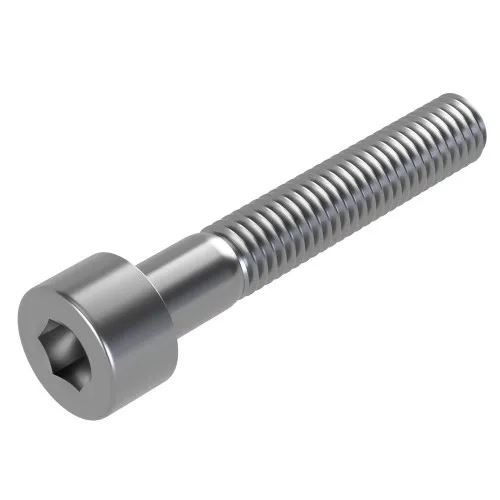
The screw shank diameter is the outside diameter of the main body of the screw. For this calculator, enter the nominal or measured screw diameter.
- 4mm screw → enter 4mm
- 5mm screw → enter 5mm
- 6mm screw → enter 6mm
Softwood vs Hardwood Pilot Holes
The density of the timber affects the size of pilot hole required.
Softwoods generally compress more easily around the screw as it is installed.
This produces a smaller pilot hole while leaving sufficient timber for the screw threads to engage.Hardwoods are generally denser and offer greater resistance during screw installation.
The larger pilot hole helps reduce installation resistance and the risk of splitting denser timber.Calculated Pilot Hole Size Is a General Guide
The calculator provides a recommended starting point based on screw shank diameter and timber type.
Actual pilot hole requirements can vary depending on:
How to Measure a Screw Shank Diameter
If the screw size is not known, measure the outside diameter using digital calipers.
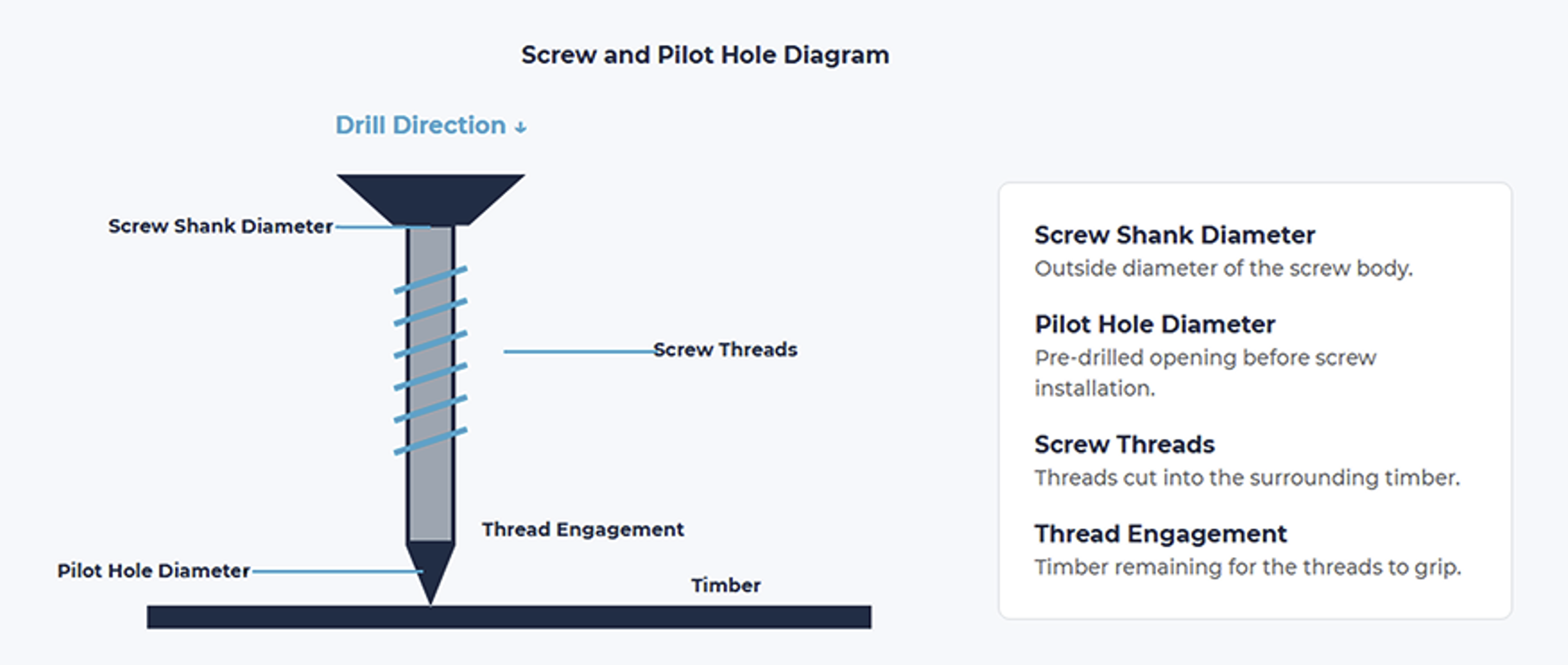
The pilot hole should provide enough clearance to reduce installation resistance while still allowing the screw threads to engage securely with the timber. A pilot hole that is too small may increase resistance and the risk of splitting. A pilot hole that is too large may reduce thread engagement and holding strength.
Pilot Hole Size and Screw Types
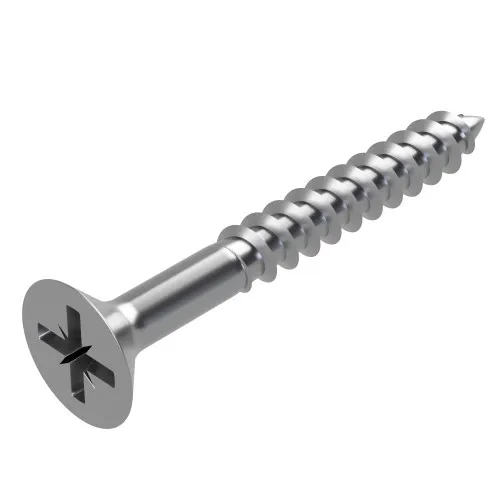
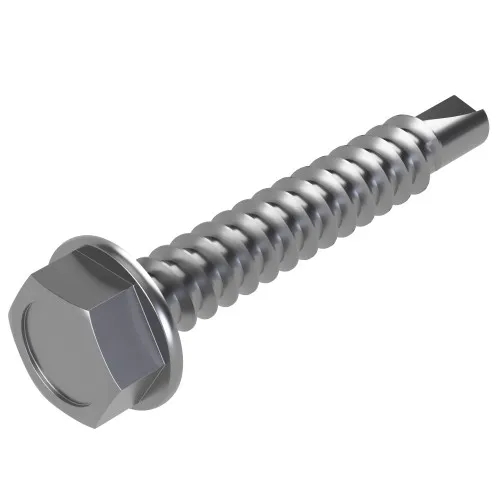
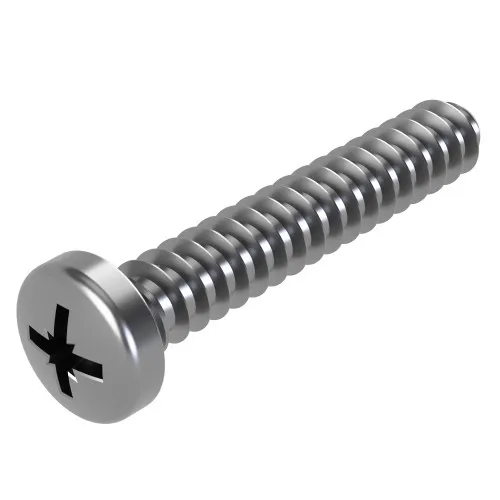
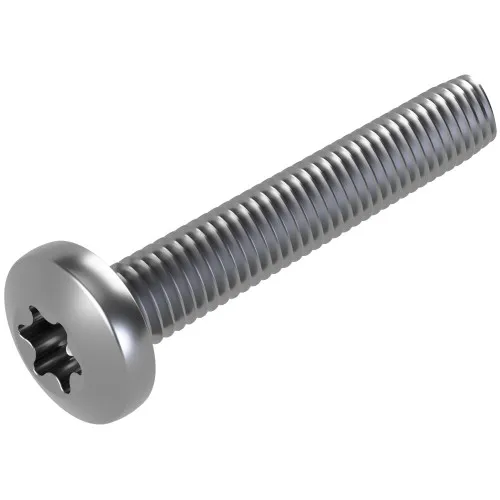
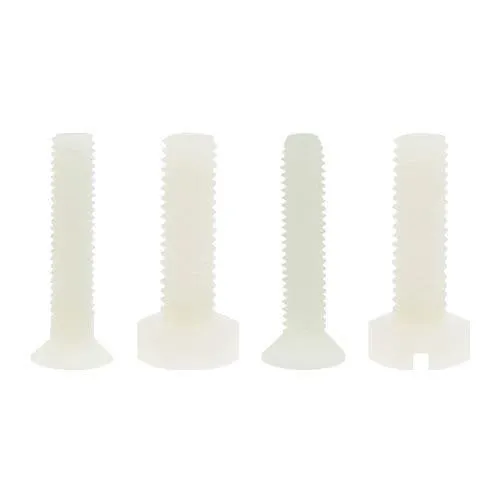
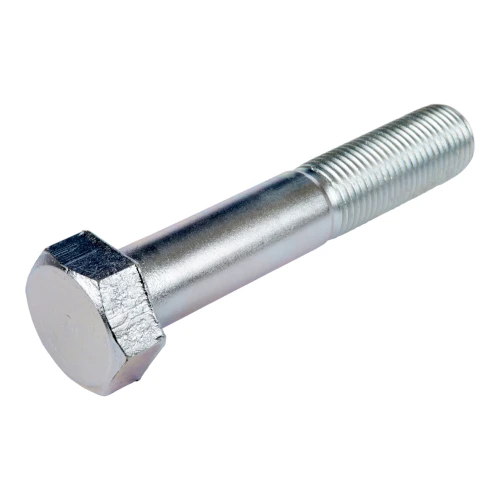
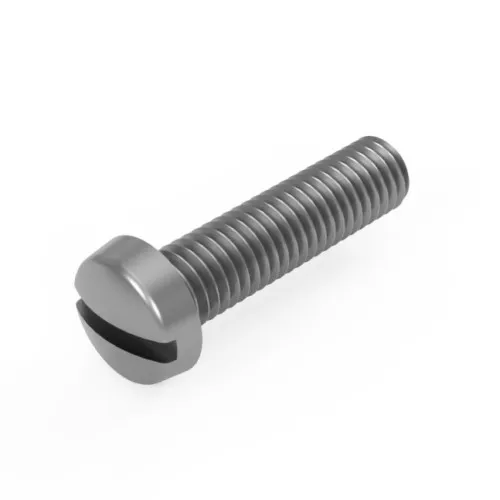
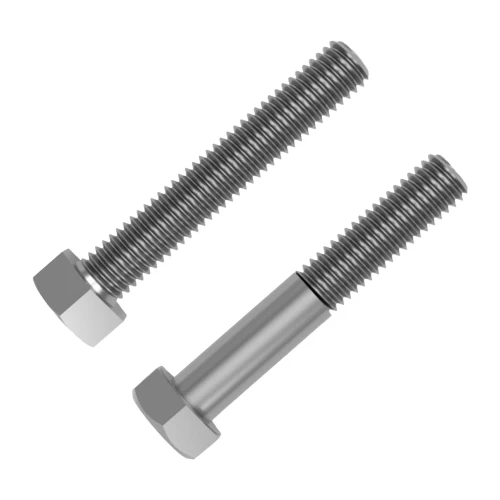
The calculator can be used as a general reference for screw types commonly installed into timber, including:
The suitability of a pilot hole and the correct installation method depend on the actual screw design and application.
For wood-specific applications, the strongest use cases for this calculator will generally be wood screws and coach screws.
View ScrewsNeed Help Choosing the Right Screw?
If you're unsure which screw, fixing or drill size is appropriate for your application, our Technical Team can help with product selection and component specifications.
Get Technical AdviceRelated Engineering Tools
Continue your calculation using our other fastener and engineering tools.
Convert between Threads Per Inch (TPI) and metric thread pitch.
Use CalculatorConvert fastener dimensions between millimetres and inches.
Use CalculatorFind suitable washer dimensions based on your bolt or screw size.
Use CalculatorCalculate torque using applied force, lever arm length and angle.
Use CalculatorHole Size Calculator FAQs
Common questions about pilot holes, timber type and screw diameter.4mm × 0.60 = 2.4mm
The calculator therefore recommends a 2.400mm pilot hole as a starting point.
4mm × 0.725 = 2.9mm
The calculator therefore recommends a 2.900mm pilot hole as a starting point.
For softwood, the calculator uses:
60% of the screw shank diameter
For hardwood, the calculator uses:
72.5% of the screw shank diameter
For example, using a 4mm screw:
Softwood: 4mm × 60% = 2.400mm
Hardwood: 4mm × 72.5% = 2.900mm
The recommended result can then be used as a starting point when selecting the closest suitable drill bit.
It creates a path for the screw while still leaving enough surrounding material for the screw threads to grip securely.
Using an appropriately sized pilot hole can help:
- Reduce timber splitting
- Make screw installation easier
- Reduce resistance while driving the screw
- Improve positioning and accuracy
- Reduce stress on the screw
- Improve consistency across repeated installations