





































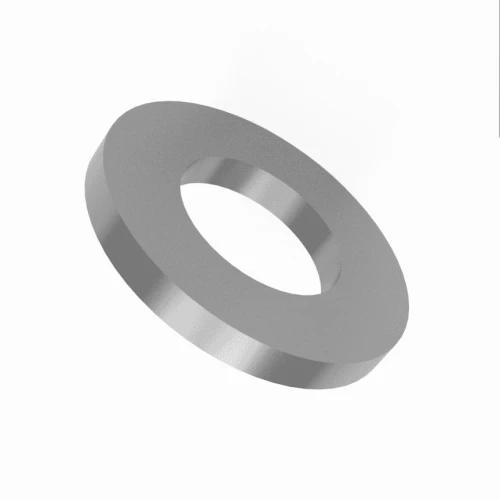
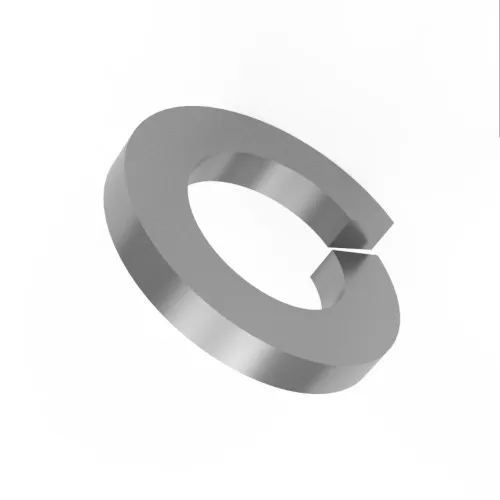
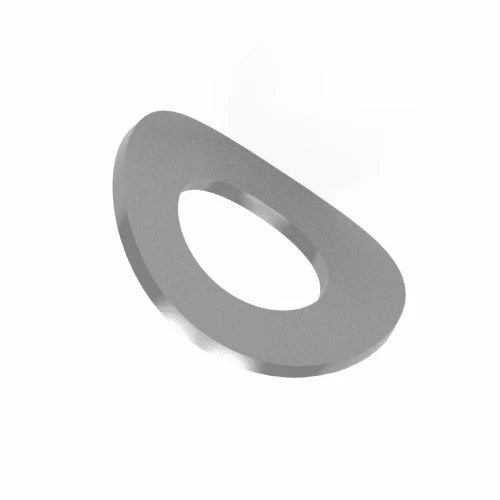
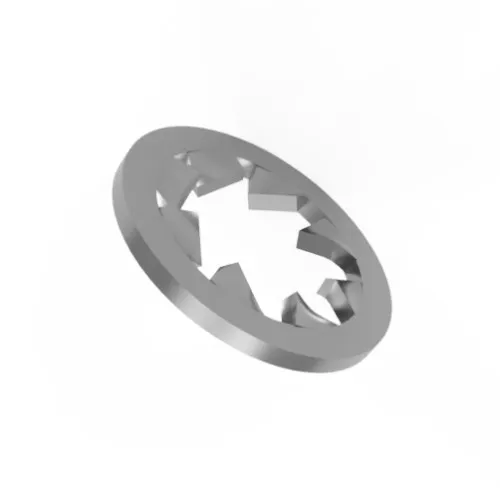
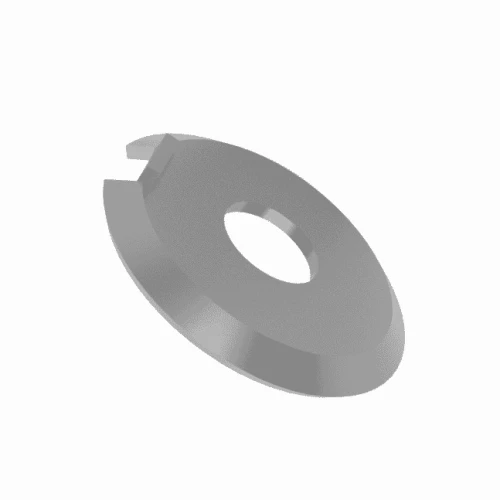
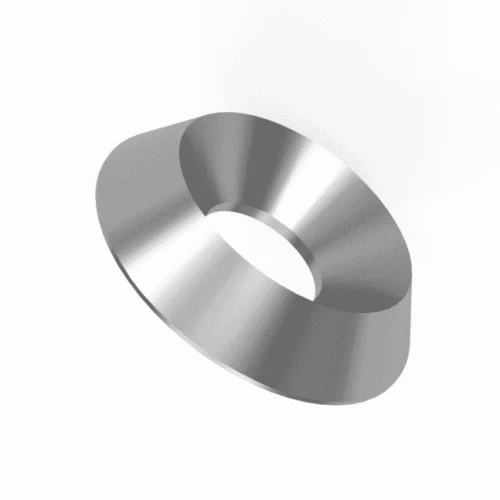

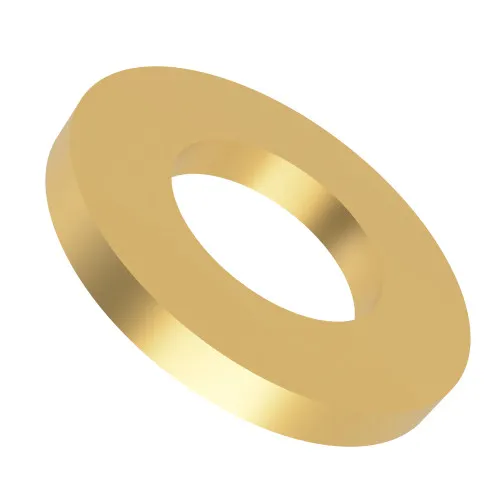
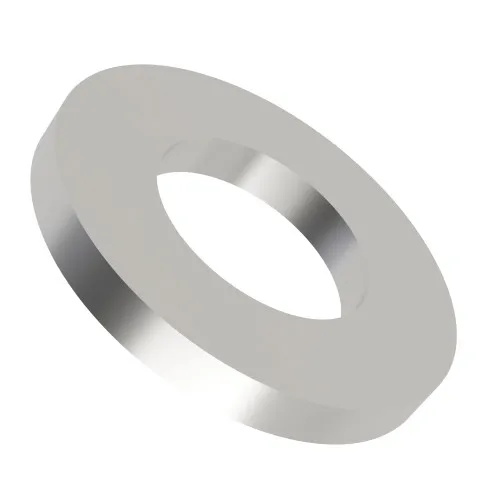
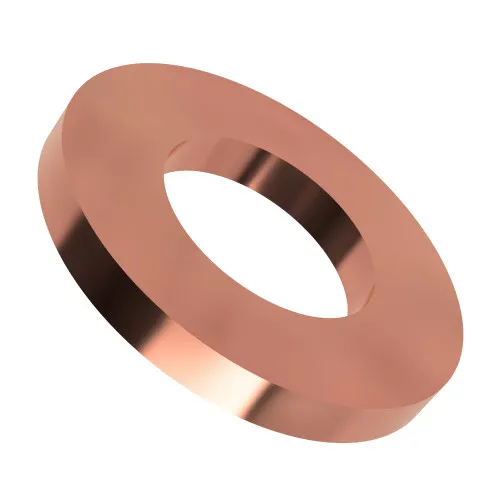
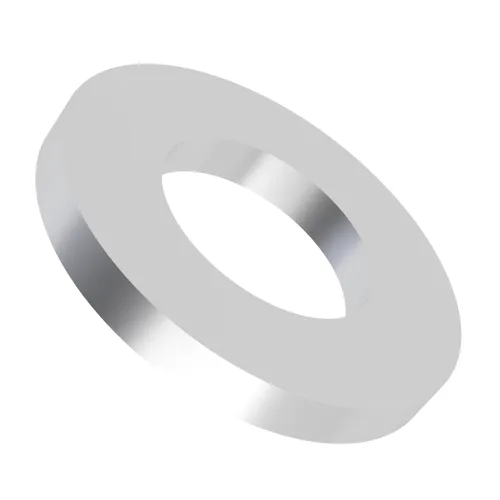
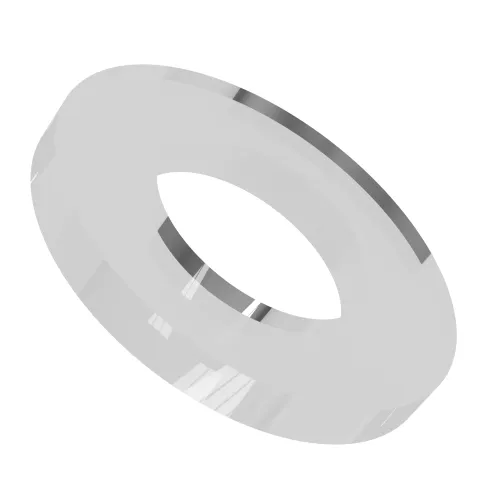


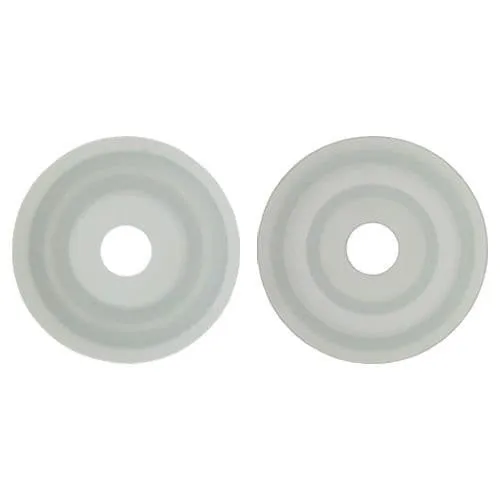

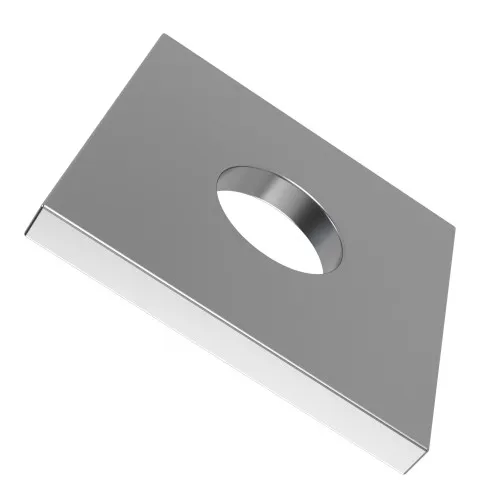
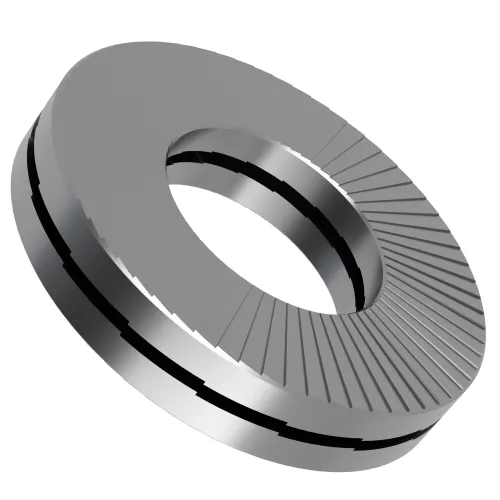


























Find the recommended washer dimensions for your bolt or screw size.
Common Washer Diameters
Common DIN 125A flat washer dimensions for popular metric bolt sizes.| Bolt Size | Inside Diameter | Outside Diameter | Thickness |
|---|---|---|---|
| M3 | 3.2mm | 7mm | 0.5mm |
| M4 | 4.3mm | 9mm | 0.8mm |
| M5 | 5.3mm | 10mm | 1.0mm |
| M6 | 6.4mm | 12mm | 1.6mm |
| M8 | 8.4mm | 16mm | 1.6mm |
| M10 | 10.5mm | 20mm | 2.0mm |
| M12 | 13mm | 24mm | 2.5mm |
Metric vs Imperial Washer Sizes
Metric and imperial washers are specified using different nominal fastener sizes.
Bolt Size Alone Does Not Determine Every Washer Dimension
A bolt size does not automatically define one universal washer size.
Washers manufactured to different standards or designs can have different:
How to Measure a Washer
If you already have a washer and need to identify its size, use digital calipers to measure three core dimensions.
Washer Size and Bolt Size
Washers are normally selected to correspond with the nominal size of the bolt or screw they are being used with.
However, the washer’s actual inside diameter is normally slightly larger than 8mm to provide the required clearance around the fastener.
This is why you should not simply measure an 8mm hole and assume it is an M8 washer.
The Washer Size Finder compares the selected bolt size against the dimensional information for the chosen washer standard.What Is Washer Inside Diameter?
The Inside Diameter (ID) is the diameter of the central hole through the washer.
This dimension determines which bolt, screw or threaded fastener the washer can fit over.
For example, a washer intended for an M8 bolt has an inside diameter slightly larger than the nominal 8mm fastener diameter, allowing it to pass over the bolt shank.
When identifying an unknown washer, measure across the inside of the central hole using the internal jaws of digital calipers.What Is Washer Outside Diameter?
The Outside Diameter (OD) is the overall diameter measured from one outside edge of the washer to the opposite outside edge.
The outside diameter affects the surface area over which the fastener load is distributed.
A washer with a larger outside diameter can spread load across a greater area, which can be useful when fastening softer materials or where a larger bearing surface is required.
Different washer types and standards may use substantially different outside diameters even when designed for the same bolt size.Need Help Choosing the Right Washer?
If you’re unsure which washer type, standard or size is suitable for your application, our Technical Team can help with product identification and washer selection.
Vital Parts supplies a wide range of washers including standard flat washers, large outside diameter washers and specialist fastening solutions.
Get Technical Advice View WashersRelated Engineering Tools
Continue your calculation using our other fastener and engineering tools.
Convert between Threads Per Inch (TPI) and metric thread pitch.
Use CalculatorConvert fastener dimensions between millimetres and inches.
Use CalculatorCalculate recommended pilot hole sizes for hardwood and softwood.
Use CalculatorCalculate torque using applied force, lever arm length and angle.
Use CalculatorWasher Size Finder FAQs
Common questions about washer sizes, dimensions and measurements.A washer is normally defined using three important measurements:
- Inside Diameter (ID) – the hole through the centre of the washer.
- Outside Diameter (OD) – the overall diameter across the washer.
- Thickness (T) – the thickness of the washer material.
Because different washer standards can use different dimensions for the same nominal bolt size, the calculator uses standard dimensional data rather than estimating dimensions mathematically.
This dimension determines which bolt, screw or threaded fastener the washer can fit over.
For example, a washer intended for an M8 bolt will have an inside diameter slightly larger than the nominal 8mm fastener diameter, allowing it to pass over the bolt shank.
When identifying an unknown washer, measure across the inside of the central hole using the internal jaws of digital calipers.
The outside diameter affects the surface area over which the fastener load is distributed.
A washer with a larger outside diameter can spread load across a greater area, which can be useful when fastening softer materials or where a larger bearing surface is required.
Different washer types and standards may use substantially different outside diameters even when designed for the same bolt size.